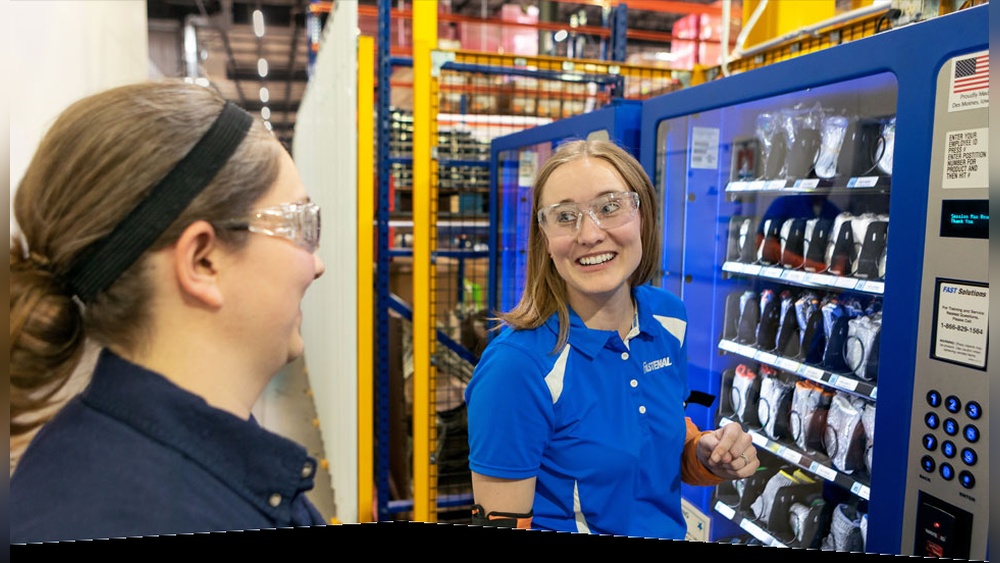
Are you curious about the size of Fastenal and how many people power its operations? Knowing the number of employees can give you a clearer picture of the company’s scale and influence in the industrial supply world.
Whether you’re an investor, a job seeker, or simply interested in business growth, understanding Fastenal’s workforce is key to grasping its market presence. You’ll discover exactly how many employees Fastenal has, how that number has changed over recent years, and what it means for the company’s future.
Keep reading to get the full story behind the numbers.
Fastenal Workforce Size
Fastenal is a major player in the industrial supply sector. Its workforce size reflects its broad market reach and operational scale. Understanding how many people Fastenal employs offers insight into the company’s growth and global impact.
Current Employee Count
As of 2024, Fastenal employs approximately 23,700 people. This number shows the company’s significant presence in the industrial supply market. Employees work across various departments, from sales to logistics and manufacturing. The workforce size supports Fastenal’s ability to serve many customers efficiently.
Yearly Growth Trends
Fastenal’s workforce has steadily grown over the years. The company has added thousands of employees as it expanded its product lines and locations. Growth often matches increased sales and market demand. This steady hiring trend highlights Fastenal’s ongoing business development and success.
Global Distribution
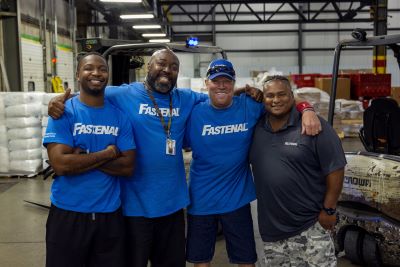
Fastenal’s employees are spread across many countries. While the majority work in the United States, the company also operates in Canada, Mexico, and other international markets. This global distribution helps Fastenal meet customer needs worldwide. It also shows the company’s strategy to expand beyond its home market.
Credit: www.fastenal.com
Employee Roles At Fastenal
Fastenal employs a diverse team to support its operations worldwide. The company’s workforce includes professionals in sales, manufacturing, and corporate roles. Each employee group plays a key role in delivering products and services to customers. Understanding these roles helps explain how Fastenal maintains its position in the market.
Sales And Distribution
Sales staff work directly with customers to meet their supply needs. They provide product advice and manage orders. Distribution employees handle inventory and shipping. They ensure timely delivery to stores and customers. This team keeps the supply chain smooth and efficient.
Manufacturing And Operations
Manufacturing teams produce and package Fastenal’s products. Operations staff manage facilities and equipment. They focus on quality control and safety. These employees ensure products meet standards and customer expectations. Their work supports the company’s reliability and growth.
Corporate And Support Staff
Corporate staff manage business functions like finance, marketing, and human resources. Support teams handle IT, legal, and administration tasks. They create policies and provide resources for all departments. This group helps Fastenal run smoothly behind the scenes.
Fastenal Leadership Team
The Fastenal leadership team plays a key role in guiding the company’s growth and operations. This group of experienced executives sets the strategic direction. They ensure the workforce aligns with the company’s goals. Their decisions impact thousands of employees worldwide.
Understanding the leadership helps explain how Fastenal manages a large workforce. It also shows the company’s priorities and culture. Leadership transparency is important for investors and employees alike.
Ceo Profile
Daniel L. Florness is the current CEO of Fastenal. He has been with the company for over 20 years. Florness began in sales and worked his way up. His deep knowledge of the industry shapes his leadership style. He focuses on operational efficiency and customer service. Under his guidance, Fastenal has expanded its market reach. His steady approach supports long-term company stability.
Executive Salaries
Executive salaries at Fastenal reflect the company’s size and success. CEO Daniel Florness earns a competitive salary compared to similar firms. Total compensation includes base pay, bonuses, and stock options. These incentives align executives’ interests with shareholder value. Salary transparency helps maintain trust with investors. Fastenal balances fair pay with business performance.
Leadership Impact On Workforce
The leadership team influences Fastenal’s 23,702 employees worldwide. Their policies affect work environment and employee growth. Strong leadership promotes teamwork and high productivity. They invest in training programs to upskill workers. Leadership’s focus on safety reduces workplace risks. Employee engagement improves under effective leaders. Overall, the leadership team shapes Fastenal’s culture and success.
Competitors’ Workforce Comparison
Fastenal’s workforce size is a key factor in its market presence. Comparing employee numbers helps understand its scale against rivals. This section reviews the staff size of major competitors in the industrial and retail supply sectors.
The workforce size affects operational capacity and customer reach. Each competitor has a unique approach to staffing based on its business model.
W.w. Grainger Employee Numbers
W.W. Grainger is Fastenal’s primary competitor in industrial supplies. It employs around 25,000 people globally. This number is slightly higher than Fastenal’s workforce.
Grainger focuses on broad distribution and customer service. The company’s staff size supports its large-scale operations and product variety.
Msc Industrial Direct Staff Size
MSC Industrial Direct has about 4,500 employees. This is much smaller compared to Fastenal and Grainger. MSC serves a niche market with specialized industrial products.
The smaller staff size reflects MSC’s focused business strategy. It emphasizes quality and customer support over scale.
Home Depot And Lowe’s Workforce
Home Depot and Lowe’s are large retail chains competing in some industrial supply areas. Home Depot employs approximately 500,000 people worldwide. Lowe’s workforce is around 300,000 employees.
Both companies have massive staff due to their retail footprint. Their large workforce enables widespread store operations and customer service.
Workforce Expansion Strategies
Fastenal’s workforce expansion strategies play a key role in its growth. The company uses focused methods to increase employee numbers steadily. These strategies help Fastenal maintain its competitive edge and meet market demands. The company invests in people to build a strong, skilled team.
Recruitment Initiatives
Fastenal actively recruits new talent to support its expansion. The company uses online job portals and local hiring events. They target skilled workers and entry-level candidates. Hiring managers focus on finding individuals who fit the company culture. Fastenal offers clear career paths to attract motivated employees.
Training And Development
Training is vital to Fastenal’s workforce growth. New hires receive detailed onboarding programs. Employees participate in ongoing skill development sessions. The company provides leadership training for future managers. These efforts ensure staff stay capable and confident in their roles.
University Partnerships
Fastenal collaborates with universities to access fresh talent. The company offers internships and co-op programs. Students gain real-world experience while learning about Fastenal. These partnerships create a pipeline of qualified candidates. Fastenal also sponsors campus events to build strong relationships.
Employee Benefits And Culture
Fastenal employs over 23,700 people worldwide as of 2024. The company invests heavily in employee benefits and culture. This focus creates a positive, supportive workplace. Fastenal values its workers and fosters growth opportunities. Employees enjoy a safe, engaging environment where their efforts matter.
Work Environment
Fastenal offers a clean, organized, and friendly work setting. Teamwork is encouraged across all departments. Safety is a top priority at every location. Employees find their roles fulfilling and supported. Open communication helps solve problems quickly. The company promotes respect and inclusivity daily.
Career Advancement
Fastenal provides clear paths for career growth. Training programs help employees build new skills. Internal promotions are common, rewarding hard work. The company supports continuous learning and development. Employees can pursue leadership roles over time. Fastenal values long-term careers and personal success.
Recognition Programs
Fastenal celebrates employee achievements regularly. Recognition programs highlight individual and team success. Awards and incentives motivate employees to excel. Feedback is given often to encourage improvement. The company fosters a culture of appreciation. Workers feel valued and inspired to contribute more.
Impact Of Workforce On Business Performance
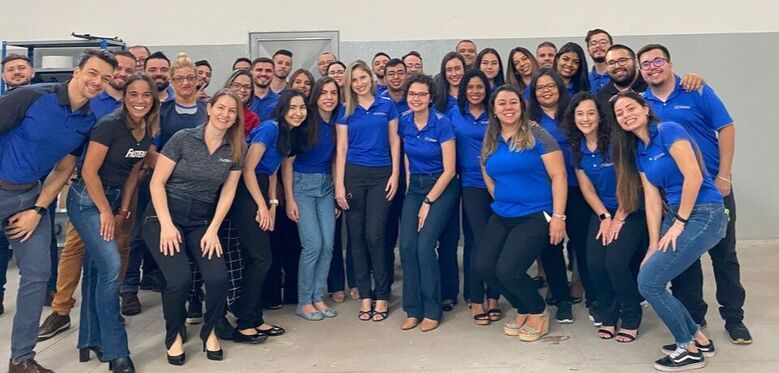
The size and strength of Fastenal’s workforce directly affect its business success. Skilled employees drive processes, support customers, and influence financial results. Fastenal, with over 23,700 employees as of 2024, relies heavily on its workforce to maintain its position in the competitive industrial supply market.
Each employee contributes to daily operations and long-term strategies. Their work impacts efficiency, customer satisfaction, and profitability. Understanding this impact highlights why workforce management is key for Fastenal’s growth and stability.
Operational Efficiency
Fastenal’s large workforce helps streamline operations. Employees handle inventory management, sales, and logistics efficiently. Skilled workers reduce errors and speed up order processing. This efficiency lowers costs and improves delivery times. A well-trained staff also adapts quickly to changes and new technologies. Operational efficiency is vital for keeping Fastenal competitive.
Customer Service Quality
Customer satisfaction depends on employee performance. Fastenal’s knowledgeable staff answers questions and solves problems promptly. Friendly service builds trust and loyalty among clients. Employees on the ground ensure that customers receive the right products on time. High-quality service encourages repeat business and positive reviews. Fastenal’s commitment to customer care strengthens its market position.
Financial Outcomes
The workforce directly affects Fastenal’s financial health. Efficient operations and excellent service increase sales and reduce costs. Well-managed employee productivity boosts profit margins. With over 23,700 employees, Fastenal balances labor costs with revenue growth. Strong financial results allow investment in new products and technologies. The workforce is a key factor in sustaining Fastenal’s economic success.
Credit: blueprint.fastenal.com

Credit: en.wikipedia.org
Frequently Asked Questions
How Much Does The Ceo Of Fastenal Make?
Fastenal CEO Daniel L. Florness earns approximately $8 million annually, including salary, bonuses, and stock options.
Is Fastenal A Fortune 500 Company?
Fastenal is a Fortune 500 company, ranked for its significant revenue and industry presence. It employs over 23,700 people as of 2024.
How Many People Work For Fastenal?
Fastenal employs approximately 23,702 people as of 2024. The company continues to grow its workforce annually.
Who Is Fastenal’s Biggest Competitor?
Fastenal’s biggest competitor is W. W. Grainger, a leading company in industrial and MRO supplies. Other competitors include MSC Industrial Direct, Home Depot, and Lowe’s. These companies compete across various industrial and maintenance supply markets.
Conclusion
Fastenal employs over 23,700 people as of 2024. This workforce supports its wide range of industrial and construction products. The company continues to grow steadily in the supply industry. Employees play a key role in Fastenal’s daily operations. Understanding Fastenal’s employee count helps gauge its market presence.
This number reflects its commitment to service and expansion. Keep watching Fastenal’s growth for future updates on employment.


