Have you ever wondered how the tiny nuts, bolts, and screws you use every day come into being? Understanding how fasteners are made can give you a new appreciation for these small but essential components.
Whether you’re a DIY enthusiast, an engineer, or simply curious, knowing the step-by-step process behind their creation will change how you see the objects holding your projects together. You’ll discover the materials chosen, the manufacturing steps involved, and why each detail matters to ensure strength and reliability.
Keep reading to unlock the secrets behind the fasteners that keep your world connected.
Fastener Materials
Fastener materials play a crucial role in the performance and longevity of bolts, screws, and nuts. Choosing the right material depends on factors such as strength, corrosion resistance, and weight. Different materials suit different environments and uses. Understanding these materials helps in selecting fasteners that meet specific needs effectively.
Common Metals
Steel is the most widely used metal for fasteners due to its strength and cost-effectiveness. It comes in various grades and may have coatings like zinc or galvanization to prevent rust. Stainless steel contains chromium, which improves corrosion resistance. It works well in moist or outdoor settings. Aluminum is lightweight and resists corrosion, making it popular in aerospace and automotive fields. Brass, made from copper and zinc, offers corrosion resistance and good electrical conductivity. Bronze, an alloy of copper and tin, provides excellent corrosion resistance, especially in marine environments. Alloy steel is heat-treated to enhance strength but can be brittle.
Non-metal Options
Besides metals, some fasteners use non-metal materials like nylon and plastic. Nylon fasteners resist corrosion and are lightweight. They also provide electrical insulation. Plastic fasteners work well in low-stress applications and where metal fasteners might cause damage. These materials suit environments where metal corrosion is a concern or where non-conductive fasteners are needed.
Material Properties
Strength is key for fasteners that hold heavy loads. Steel offers high strength but may rust without protection. Corrosion resistance is vital in wet or harsh environments. Stainless steel and bronze excel here. Weight matters in transportation industries; aluminum fasteners reduce overall weight. Electrical conductivity is important for fasteners in electronic devices, where brass is often used. Selecting materials requires balancing these properties to match the application’s demands.
Raw Material Preparation
Raw material preparation is the first and crucial step in fastener manufacturing. It sets the foundation for producing high-quality fasteners. The process starts with selecting the right metal and preparing it for shaping and treatment. Every step ensures strength and durability in the final product.
Metal Wire Production
Fasteners often begin as metal wire. Steel wire is the most common choice. The wire is drawn through dies to reach the desired thickness. This process improves the metal’s strength and surface finish. The wire is then coiled and cut into precise lengths for further processing. Uniformity in wire size is essential for consistent fastener quality.
Coating And Treatment
After wire production, the metal undergoes coating and treatment. This step protects against rust and corrosion. Zinc plating is a popular coating method that adds a thin protective layer. Other treatments include galvanization and heat treatment to enhance hardness. Proper coating extends the lifespan of fasteners in harsh environments.
Forming Processes
Forming processes shape raw materials into precise fasteners. These methods ensure strength and accuracy. The process involves shaping metal without removing material. It is faster and reduces waste compared to cutting. Common forming techniques include cold heading, thread rolling, and heat treatment.
Cold Heading
Cold heading uses high pressure to form metal at room temperature. A metal wire is cut to length and placed in a die. Then, a punch forces the metal into the die, shaping the head. This process creates bolts, screws, and nails quickly. Cold heading improves the metal’s strength by aligning its grain structure. It also reduces the need for machining, saving time and cost.
Thread Rolling
Thread rolling forms the fastener’s threads by pressing dies against the blank. The dies have thread patterns that imprint onto the metal surface. This method displaces metal instead of cutting it away. Thread rolling creates strong, precise threads with a smooth finish. It also hardens the threads, increasing durability. This process is faster than thread cutting and produces less waste.
Heat Treatment
Heat treatment changes the metal’s properties to increase hardness and strength. Fasteners are heated to a high temperature and then cooled quickly. This process is called quenching. After quenching, fasteners may undergo tempering to reduce brittleness. Heat treatment ensures fasteners can withstand heavy loads and stress. It is vital for safety and performance in many applications.

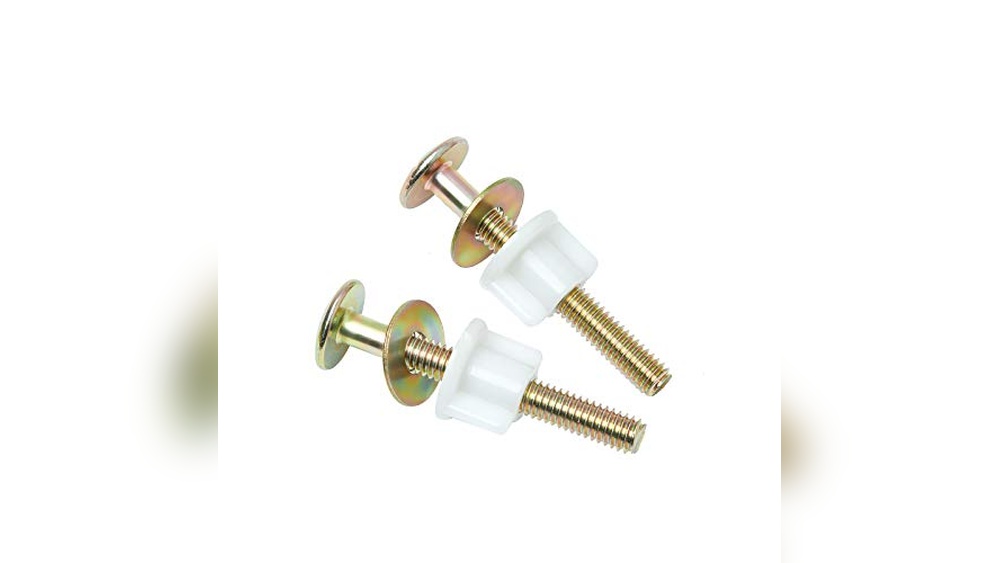
Credit: www.amazon.com
Machining And Finishing
Machining and finishing are critical steps in fastener production. These processes shape the fastener and prepare its surface for performance and durability. Precision is key to ensure the fastener fits and functions correctly. Finishing improves appearance and protects against corrosion. Each step requires careful control to meet industry standards and customer needs.
Thread Cutting
Thread cutting forms the helical ridge on screws and bolts. This ridge allows fasteners to grip and hold parts together. Cutting can use dies or taps, depending on the fastener type. Machines cut threads with exact depth and pitch for uniformity. Proper thread cutting prevents stripping and loosening during use.
Surface Finishing
Surface finishing enhances fastener strength and resistance to wear. Common finishes include plating, coating, and polishing. Zinc plating protects against rust. Black oxide adds corrosion resistance and a sleek look. Polishing removes rough edges for smooth handling. Finishing also improves fastener lifespan in harsh environments.
Quality Control
Quality control ensures fasteners meet strict standards. Inspectors check dimensions, thread accuracy, and surface finish. Testing includes tensile strength and hardness measurements. Defective fasteners are removed from the batch. This process guarantees reliability and safety in final products.
Fastener Types And Variations
Fasteners come in many types and variations to suit different needs. Each type has unique features and uses. Understanding these helps in choosing the right fastener for your project. Below are the main fastener categories.
Bolts And Screws
Bolts and screws are the most common fasteners. They join parts by threading into materials or nuts. Bolts usually need a nut, while screws thread directly into the material. Both come in many sizes and head shapes. They are made from steel, stainless steel, or other metals. Their threads vary in pitch and depth for different grip strengths.
Nuts And Washers
Nuts work with bolts to secure parts tightly. They come in shapes like hex, square, and wing nuts for different tools and grips. Washers sit under nuts or bolt heads to spread pressure evenly. They protect surfaces and prevent loosening. Washers can be flat, lock, or spring types. These small parts play a big role in fastener stability.
Specialty Fasteners
Specialty fasteners serve unique needs beyond standard bolts and nuts. Examples include rivets, clips, anchors, and pins. Rivets join materials permanently by deforming metal ends. Clips and pins allow quick assembly and disassembly. Anchors secure fasteners in drywall or concrete. Each specialty fastener is designed for specific materials and load requirements.
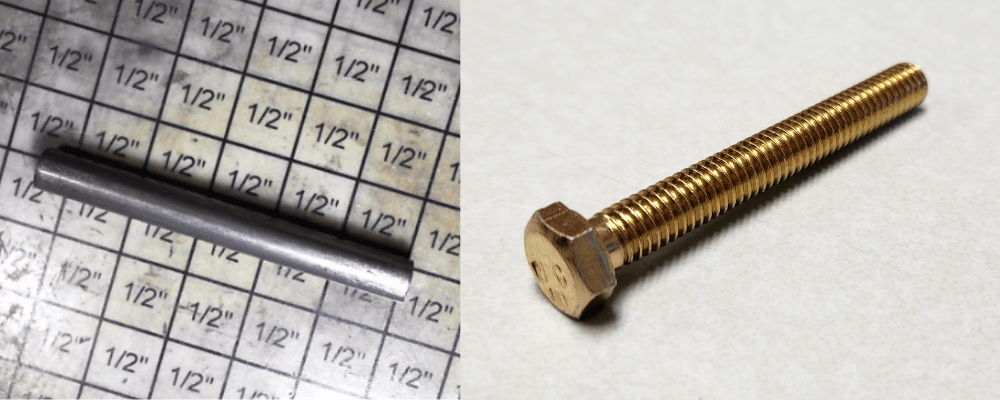
Credit: wilsongarner.com
Precision And Quality Standards
Precision and quality standards are vital in fastener manufacturing. These standards ensure every fastener fits perfectly and performs reliably. Strict controls maintain consistency across large production batches. This focus on accuracy and durability prevents failures in critical applications. The manufacturing process includes detailed checks to meet these high standards.
Dimensional Accuracy
Dimensional accuracy means the fastener’s size matches exact specifications. Machines use precise tools to cut and shape parts. Measurement devices check length, diameter, and thread pitch. Any variation can cause assembly problems or weak joints. Maintaining tight tolerances guarantees parts fit and work as intended.
Strength Testing
Strength testing confirms fasteners can handle required loads. Tests apply pressure, tension, or torque to measure durability. Only fasteners passing these tests reach customers. This process prevents breakage and ensures safety. Testing also helps improve material quality and design.
Corrosion Resistance
Corrosion resistance protects fasteners from rust and damage. Manufacturers use coatings or select corrosion-resistant materials like stainless steel. Fasteners undergo salt spray or chemical exposure tests. These tests ensure long life in harsh environments. Reliable corrosion resistance keeps fasteners secure over time.
Applications And Industry Uses
Fasteners play a vital role in many industries. They join parts securely and ensure stability. Different industries require specific fasteners designed for their needs. These fasteners must meet strict standards for strength and durability. Understanding their applications helps in choosing the right fastener type and material.
Automotive
Fasteners hold car parts together, from engines to interiors. They must resist vibrations and high temperatures. Steel fasteners are common for strength and durability. Aluminum fasteners help reduce vehicle weight. Corrosion resistance is important for outdoor and engine parts. Quality fasteners ensure safety and performance on the road.
Aerospace
Aerospace fasteners face extreme conditions like pressure and temperature changes. Lightweight aluminum and titanium fasteners are widely used. They provide strength without adding much weight. Precision manufacturing is crucial to meet strict safety standards. Fasteners in aerospace must endure fatigue and stress during flights. Reliable fasteners keep aircraft parts secure and safe.
Construction
Fasteners in construction connect beams, walls, and fixtures. Steel fasteners are preferred for their strength and durability. Galvanized or stainless steel fasteners resist rust and weather damage. They must hold heavy loads and withstand environmental conditions. Fasteners help maintain the structural integrity of buildings. Proper fasteners ensure long-lasting and safe construction projects.
Electronics
Electronics require small, precise fasteners to hold components. Brass and stainless steel fasteners prevent corrosion and conduct electricity well. Fasteners must fit into tight spaces without damaging parts. They ensure secure connections inside devices like phones and computers. Quality fasteners prevent loose parts and improve device reliability. Electronics fasteners balance strength with delicate design needs.
Credit: bdnfasteners.com
Innovations In Fastener Manufacturing
Innovations in fastener manufacturing have transformed the way these small but essential components are produced. New technologies and methods improve quality, speed, and efficiency. These advancements also reduce waste and environmental impact. The fastener industry continues to evolve with cutting-edge materials, automation, and sustainability efforts.
Advanced Materials
Manufacturers now use stronger and lighter materials for fasteners. High-performance alloys improve durability and resistance to corrosion. Composite materials and treated metals extend the lifespan of fasteners. These innovations help fasteners perform better in extreme conditions. They also reduce the need for frequent replacements.
Automation And Robotics
Robots handle repetitive and precise tasks in fastener production. Automation speeds up manufacturing and lowers human error. Computer-controlled machines shape, thread, and finish fasteners with high accuracy. This technology allows mass production while maintaining quality. It also reduces labor costs and improves workplace safety.
Sustainability Practices
Eco-friendly methods are becoming standard in fastener manufacturing. Companies recycle metals and minimize waste during production. Energy-efficient machines lower the carbon footprint of factories. Some fasteners are made from recycled materials to conserve resources. These efforts support a greener and more responsible industry.
Frequently Asked Questions
What Are Fasteners Made Out Of?
Fasteners are made from metals like steel, stainless steel, aluminum, brass, bronze, alloy steel, and nickel alloys. Non-metal fasteners include nylon, used for lightweight and electrical applications. Material choice depends on strength, corrosion resistance, weight, and cost requirements. Steel remains the most common fastener material.
What Are The Four Types Of Fasteners?
The four types of fasteners are screws, bolts, nuts, and washers. Each serves a unique fastening purpose.
What Is The 3 Thread Rule?
The 3 thread rule states a bolt must engage at least three full threads in a nut for secure fastening and strength.
How Are Nuts Made Step By Step?
Nuts start as metal rods cut to size. Machines shape and thread the rods. Heat treatment strengthens them. Finally, machines inspect and package each nut.
Conclusion
Fasteners start as raw materials shaped by precise machines. Each step adds strength and accuracy to the final product. Different metals and plastics suit various jobs and environments. Understanding the making process helps appreciate their quality and use. Fasteners hold things together, quietly supporting countless structures daily.
Their production blends skill, technology, and careful material choice. Next time you see a bolt or screw, remember the craft behind it. Simple yet essential parts made with care and exactness.