Are you tired of fasteners slipping and spinning out of control while you work? Knowing exactly which wrench to use to hold a fastener in place can save you time, frustration, and even damage to your tools or project.
Whether you’re fixing something around the house or working on a complex mechanical task, using the right tool makes all the difference. You’ll discover the best wrenches designed to grip and hold fasteners firmly, helping you get the job done smoothly and efficiently.
Keep reading to find out which wrench will become your new go-to tool for holding fasteners steady every time.
Types Of Wrenches For Holding Fasteners
Wrenches are essential tools for holding fasteners securely during tightening or loosening. Different types of wrenches fit various fasteners and tasks. Choosing the right wrench helps avoid damage and improves work efficiency.
Each wrench type has unique features that suit specific fasteners. Understanding these types helps in selecting the best tool for the job.
Open-end Wrenches
Open-end wrenches have U-shaped jaws. They grip two opposite sides of a fastener. These wrenches are easy to slide on and off nuts or bolts. They work well in tight spaces where turning is limited.
Box-end Wrenches
Box-end wrenches have closed loops that fit around the fastener. They provide a firm grip on all sides. This reduces the risk of slipping and rounding fasteners. They are ideal for applying more torque safely.
Adjustable Wrenches
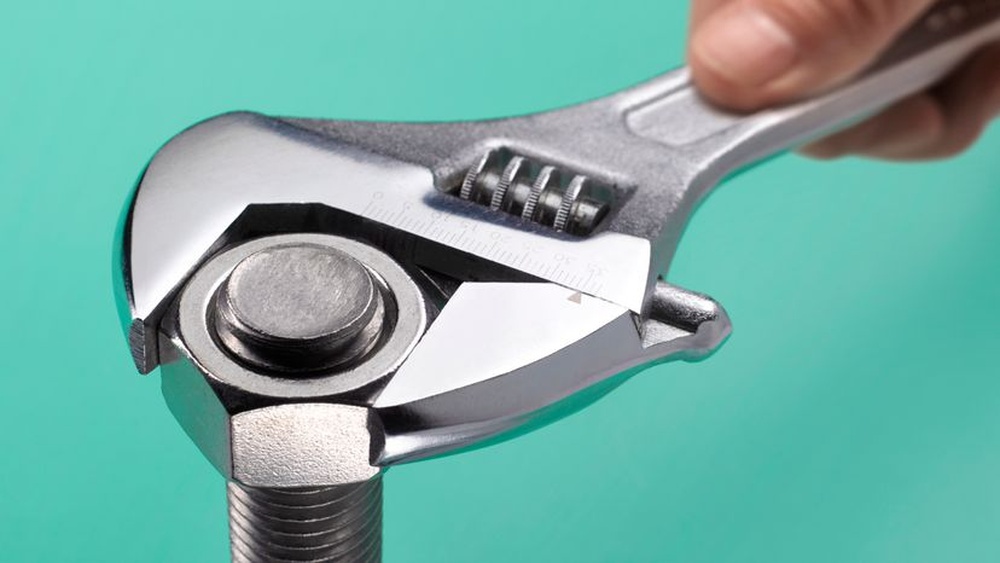
Adjustable wrenches have a movable jaw that fits various fastener sizes. This versatility makes them handy for many tasks. They save space by replacing multiple fixed-size wrenches. Proper adjustment ensures a secure hold.
Socket Wrenches
Socket wrenches use removable sockets to fit different fasteners. They attach to a handle or ratchet for quick turning. These wrenches work best for fasteners in deep or hard-to-reach places. They offer high torque with less effort.
Locking Pliers As Wrenches
Locking pliers can clamp tightly onto fasteners. Their locking mechanism holds the grip firmly. They serve as a wrench when standard tools do not fit. Useful for rounded or damaged fasteners needing extra grip.
Choosing The Right Wrench Size
Choosing the right wrench size is important for holding a fastener firmly. The correct size prevents damage and makes work easier. A wrench that fits well grips the fastener tightly. This helps avoid slipping and rounds on bolts or nuts. Knowing how to pick the right size saves time and effort on any project.
Measuring Fastener Dimensions
Measure the fastener across the flats. This is the distance between two opposite sides of a bolt or nut. Use a caliper or ruler for accuracy. Measure carefully to find the exact size. Small errors can lead to a loose or tight fit.
Metric Vs. Standard Sizes
Fasteners come in metric or standard sizes. Metric sizes use millimeters, while standard sizes use inches. Check the fastener type before choosing a wrench. Using the wrong system can damage the fastener or wrench. Always match the wrench size to the fastener system.
Importance Of Proper Fit
A proper fit holds the fastener securely. A loose wrench slips and can hurt your hand. A tight wrench may break the fastener. Good fit reduces wear on tools and fasteners. This keeps your tools lasting longer and your work safe.
Specialty Wrenches For Holding Fasteners
Specialty wrenches play a key role in holding fasteners securely. They offer unique designs that fit specific fastener types. Using the right wrench prevents damage and ensures a tight hold. These wrenches make work easier and more precise.
Below are some common specialty wrenches used to hold fasteners effectively.
Torque Wrenches
Torque wrenches apply a specific amount of force to fasteners. This prevents over-tightening or under-tightening. It helps keep fasteners secure without breaking or loosening. Mechanics use torque wrenches for precision and safety.
Crowfoot Wrenches
Crowfoot wrenches have an open-end design with a unique shape. They work well in tight spaces where regular wrenches cannot fit. These wrenches attach to torque or breaker bars. This setup allows holding fasteners in hard-to-reach spots.
Flare Nut Wrenches
Flare nut wrenches grip fasteners on multiple sides. They prevent slipping and rounding of soft metal nuts. These wrenches are ideal for plumbing and brake line fasteners. Their design protects delicate fittings during tightening or loosening.

Credit: www.ebay.com
Techniques To Secure Fasteners With Wrenches
Securing fasteners correctly with a wrench is key to many repair and building tasks. Using the right techniques helps keep the fastener tight and prevents damage. This section explains effective ways to hold fasteners firmly with wrenches.
Proper Grip And Positioning
Hold the wrench close to the fastener for better control. Align the wrench jaws fully around the fastener head. This prevents slipping and ensures a solid grip. Keep your hand steady and apply force slowly. Position yourself so you can pull the wrench toward you. This gives more power and reduces strain.
Using Two Wrenches Simultaneously
Some fasteners need two wrenches to stay still. Use one wrench to hold the fastener in place. Use the second wrench to turn the bolt or nut. This stops the fastener from moving or loosening. Make sure both wrenches fit tightly on the fastener parts. Work slowly and keep steady pressure on both tools.
Avoiding Slippage And Damage
Slippage can strip fastener heads or hurt your hand. Check the wrench size before starting. Using a wrench too big or small causes slips. Clean the fastener surface from dirt or rust first. Wear gloves for better grip and hand safety. Replace worn wrenches with new ones to avoid damage.
Materials And Quality Of Wrenches
Choosing the right wrench depends on its material and quality. These factors affect how well the wrench holds a fastener in place. Good materials ensure strength and long life. Quality also means the wrench fits fasteners tightly without slipping.
Steel Grades And Coatings
Most wrenches are made from steel. Different steel grades offer various strength levels. Chrome vanadium steel is common. It is strong and resists rust. Carbon steel is cheaper but less durable.
Coatings protect the wrench from corrosion. Chrome plating is popular for its shine and rust resistance. Black oxide coatings prevent rust but may wear off. Some wrenches have nickel coatings for extra protection. These finishes keep tools working well longer.
Durability And Maintenance Tips
Durable wrenches last many years without breaking. Look for solid construction and tight joints. Avoid cheap, flimsy tools that bend or break.
Keep wrenches clean and dry. Wipe them after use to remove dirt and moisture. Store them in a dry place to stop rust. Lubricate moving parts occasionally. This keeps the wrench smooth and easy to use. Proper care saves money and improves safety.
Common Mistakes When Holding Fasteners
Holding fasteners correctly is key to a strong and safe connection. Many people make simple mistakes that can damage the fastener or the tool. These errors reduce the life of both and cause frustration. Understanding common mistakes helps avoid problems and saves time.
Using Incorrect Wrench Types
Choosing the wrong wrench can slip and round off the fastener edges. Each fastener needs a specific wrench type like open-end, box-end, or adjustable. Using a wrench that does not fit tightly leads to poor grip. This makes the job harder and can ruin the fastener.
Over-tightening And Stripping
Applying too much force damages the fastener head or threads. Over-tightening makes removal difficult and may break the fastener. Stripped fasteners lose their shape and cannot hold properly. It is important to apply just enough pressure for a secure fit.
Ignoring Fastener Condition
Old or rusted fasteners are harder to hold and turn. Worn fasteners can slip or break during use. Inspect fasteners before work to check for damage or corrosion. Replacing bad fasteners prevents trouble and keeps the project safe.
Safety Tips For Using Wrenches
Using a wrench safely is very important. Wrenches help hold fasteners tightly, but careless use can cause injuries. Follow these safety tips to protect yourself and work efficiently.
Wearing Protective Gear
Always wear gloves to protect your hands. Gloves prevent cuts and bruises from slipping tools. Safety glasses guard your eyes from flying debris. Wear closed-toe shoes to shield your feet from dropped tools.
Inspecting Tools Before Use
Check your wrench for cracks or damage before use. A damaged wrench can break and cause injury. Make sure the wrench fits the fastener correctly to avoid slipping. Clean tools work better and reduce accidents.
Proper Storage Practices
Store wrenches in a dry place to prevent rust. Use a toolbox or rack to keep them organized. Avoid throwing wrenches in a pile to prevent damage. Proper storage keeps tools ready and safe for the next job.
Credit: www.pawnamerica.com

Credit: www.wideworldofindoorsports.com
Frequently Asked Questions
What Wrench Is Best For Holding A Fastener In Place?
A locking wrench, like a locking plier or adjustable wrench, is best for holding fasteners. It grips tightly, preventing movement during tightening or loosening.
How Does A Locking Wrench Hold Fasteners Firmly?
Locking wrenches use a clamping mechanism to grip fasteners securely. They lock in place, providing a strong hold without slipping during use.
Can An Adjustable Wrench Hold Fasteners Effectively?
Yes, an adjustable wrench can hold fasteners effectively when properly adjusted. It fits various sizes, offering versatility and a firm grip on fasteners.
Why Use A Torque Wrench To Hold Fasteners?
A torque wrench holds fasteners while applying precise torque. It ensures correct tightness, preventing damage or loosening from over- or under-tightening.
Conclusion
Choosing the right wrench helps keep fasteners tight and secure. A holding wrench, like a locking or adjustable wrench, fits well to stop movement. Using the correct tool saves time and prevents damage. Always pick a wrench that matches the fastener size and shape.
This small step makes any job easier and safer. Remember, the right wrench holds everything firmly in place. Simple tools, big difference.