Have you ever struggled to remove those stubborn plastic fasteners holding parts together? Whether you’re fixing your car, updating furniture, or tackling a DIY project, these tiny clips can be surprisingly tricky.
But don’t worry—removing plastic fasteners doesn’t have to be a headache. You’ll discover simple, effective methods to get them out without damage or frustration. Keep reading, and you’ll save time, avoid costly mistakes, and feel confident handling fasteners like a pro.
Types Of Plastic Fasteners
Plastic fasteners hold parts together in many products and vehicles. They come in different shapes and sizes. Knowing the types helps you remove them without damage. Each type works in a unique way. Understanding how they hold pieces is key to safe removal.
Push Rivets
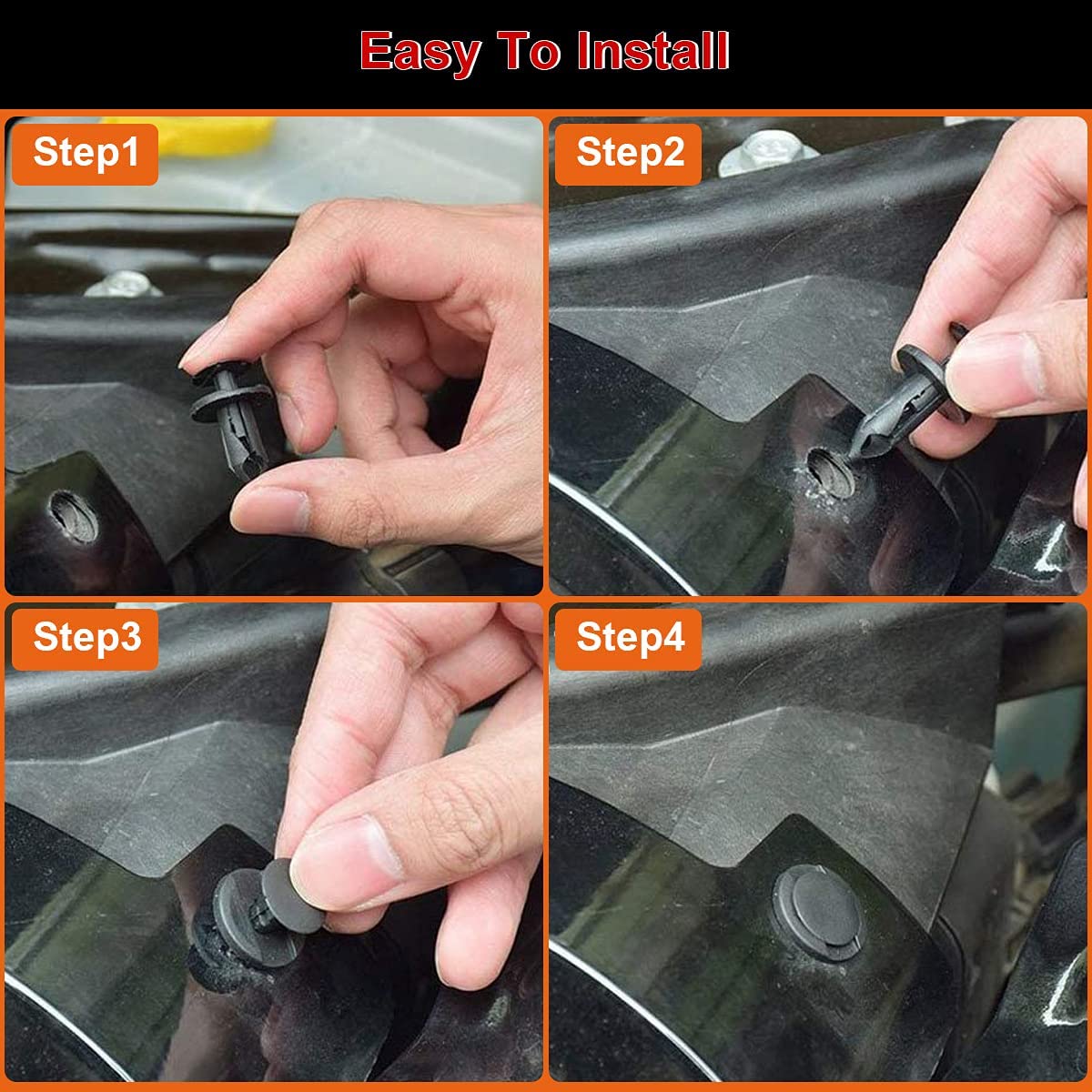
Push rivets have a round head and a stem. You push the stem to expand the legs inside a hole. This locks the fastener in place. To remove, pull the stem out gently. Some push rivets need a flat tool to lift the head.
Christmas Tree Clips
Christmas tree clips look like small trees with branches. They snap into holes and hold tightly. The branches stop the clip from pulling out. Removal requires pulling straight out or prying the clip carefully.
Snap Rivets
Snap rivets have two parts that snap together. They hold panels or trim firmly. To take them off, press or pull the center pin. This releases the grip and allows removal.
Trim Clips
Trim clips fasten interior or exterior trim pieces. They often have flexible legs that fit into holes. To remove, pry gently under the head. Use a trim tool to avoid breaking the clip or surface.
Tools Needed For Removal
Removing plastic fasteners needs the right tools. Using proper tools makes the job easier and prevents damage. This section explains the common tools needed for safe removal.
Flathead Screwdriver
A flathead screwdriver is useful for prying fasteners gently. Its thin blade can slip under the fastener head. This tool helps lift the fastener without breaking it.
Pliers
Pliers provide a strong grip on stubborn fasteners. They allow you to twist or pull the fastener out. Needle-nose pliers work well for small or tight spots.
Trim Removal Tools
Trim removal tools are designed for plastic parts. They have wide, flat tips to avoid scratching surfaces. These tools help remove fasteners without damaging surrounding trim.
Heat Gun
A heat gun softens plastic fasteners by warming them. Warm fasteners become more flexible and easier to remove. Use low heat to avoid melting or warping parts.
Step-by-step Removal Techniques
Removing plastic fasteners can seem tricky. Using the right steps makes the job easier and safer. Follow simple techniques to avoid damage to surfaces or fasteners.
Each method fits different fastener types and situations. Learn how to pry, grip, heat, and leverage tools for smooth removal.
Prying With A Flathead Screwdriver
Start by choosing a flathead screwdriver with a thin tip. Slide the tip gently under the fastener’s edge. Apply slow, steady pressure to lift the fastener. Avoid forcing it to prevent breaking the plastic. Work around the fastener if it resists at first.
Using Pliers For Grip
Use needle-nose pliers for small fasteners or locking clips. Grip the fastener head firmly but carefully. Pull straight out to avoid bending or snapping. Wiggle the fastener slightly to loosen tight fits. This method works well for fasteners with exposed heads.
Heating To Soften Fasteners
Heat softens some plastic fasteners for easier removal. Use a hairdryer or heat gun on low heat. Hold it a few inches from the fastener for 30 seconds. Test if the plastic feels softer. Avoid overheating to prevent damage to surrounding materials.
Leveraging Trim Removal Tools
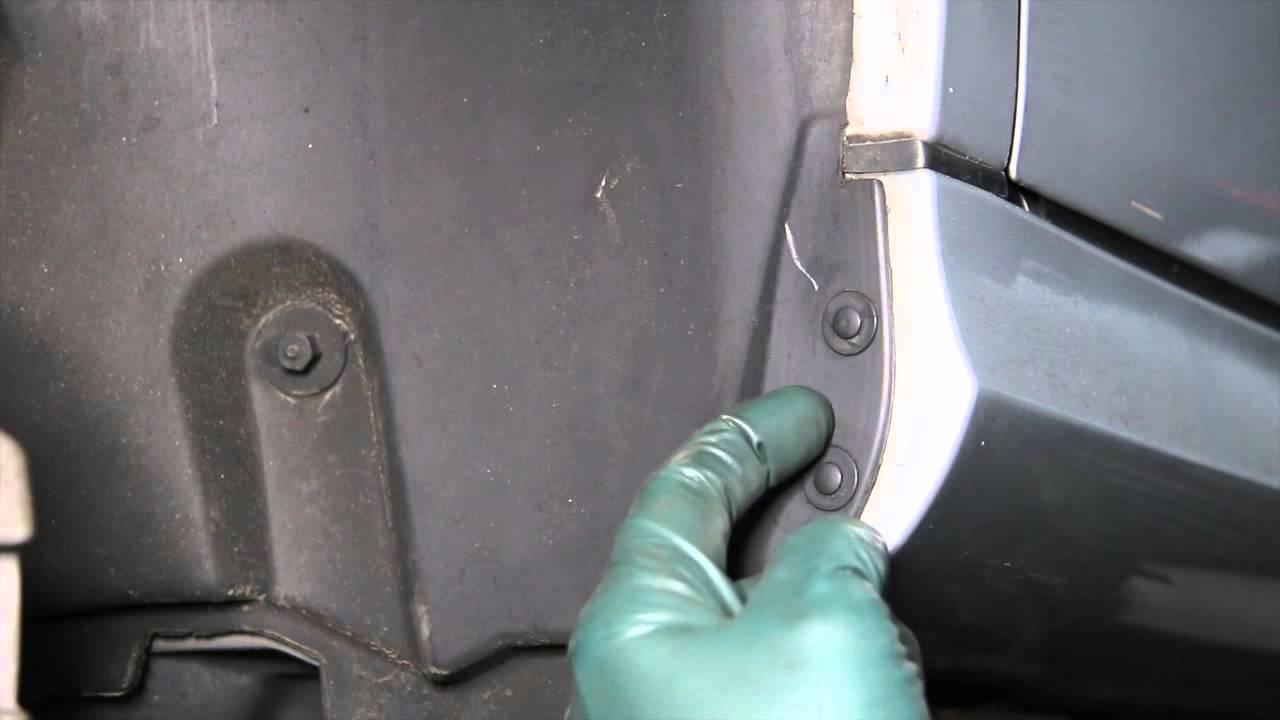
Trim removal tools are designed for plastic clips and fasteners. Insert the tool’s flat edge under the fastener head. Pry gently while lifting the fastener out. These tools reduce the risk of scratching or breaking surfaces. They work best for automotive and furniture fasteners.
Credit: www.autoevolution.com
Preventing Damage During Removal
Removing plastic fasteners requires care to avoid damage. The plastic can break or scratch the surrounding material. Taking simple steps helps protect both the fastener and the surface. This section explains how to prevent damage during removal with gentle pressure, protection, and patience.
Applying Gentle Pressure
Use soft, steady pressure to loosen the fastener. Pressing too hard can crack the plastic or bend the parts. Gentle pressure helps the fastener come out smoothly. Try small movements instead of forceful pulls.
Protecting Surrounding Surfaces
Cover areas around the fastener with tape or cloth. This prevents scratches and dents on nearby surfaces. Use tools with plastic tips instead of metal ones. Protecting surfaces keeps your project looking clean and undamaged.
Working Slowly And Carefully
Take your time while removing fasteners. Rushing increases the risk of breaking or scratching. Work in small steps, checking progress often. Slow, careful work avoids costly mistakes and keeps everything intact.
Tips For Stubborn Fasteners
Removing plastic fasteners can be tricky, especially when they are stuck tight. Stubborn fasteners need special care to avoid damage. Use these tips to loosen them safely and easily.
Reapplying Heat
Heat softens plastic fasteners, making removal easier. Use a hairdryer or heat gun on low. Warm the fastener for about 30 seconds. Test gently with a tool. Heat helps loosen adhesive or rust holding it tight. Avoid overheating to prevent melting or warping.
Using Lubricants
Lubricants reduce friction and help fasteners slide out. Apply a small amount of WD-40 or silicone spray. Let it soak for a few minutes. Use a cloth to wipe excess lubricant. This method works well for rusted or corroded fasteners. It also protects metal parts from damage.
Combining Tools For Better Grip
Use pliers and a flathead screwdriver together. The screwdriver lifts the fastener slightly. Pliers grip and pull it out steadily. This combination gives more control and force. Avoid twisting fasteners too hard. This may break or strip the plastic. Work slowly and carefully for best results.

Credit: www.pointsunknown.com
Disposal And Replacement Advice
Removing plastic fasteners is only part of the task. Knowing how to dispose of old fasteners and replace them correctly is important. Proper disposal protects the environment. Choosing the right new fasteners ensures your project stays secure. Installing new fasteners properly saves time and effort later.
Proper Disposal Of Old Fasteners
Plastic fasteners should not be thrown in regular trash. Many are recyclable, but check local recycling rules. Collect old fasteners in a container before disposal. Do not burn plastic fasteners; this releases harmful fumes. Some hardware stores offer recycling programs for plastic parts. Proper disposal helps reduce plastic waste and pollution.
Choosing Replacement Fasteners
Select replacement fasteners that match the size and type of the old ones. Using the wrong fastener can damage your project. Check the material of the fastener to fit the environment. For outdoor use, choose fasteners resistant to rust and weather. Buy fasteners from trusted brands for better quality. Avoid cheap fasteners that may break easily.
Installation Tips For New Fasteners
Clean the area before installing new fasteners. Align parts carefully to avoid bending or breaking fasteners. Use the right tool to insert fasteners gently but firmly. Do not force a fastener if it does not fit easily. Test the stability of the fastener after installation. Replace any fastener that looks weak or damaged.
Credit: www.youtube.com
Frequently Asked Questions
What Tools Are Best For Removing Plastic Fasteners?
The best tools include flathead screwdrivers, panel removal tools, and needle-nose pliers. These help avoid damage when prying or pulling fasteners gently and efficiently.
How Can I Remove Plastic Fasteners Without Breaking Them?
Use gentle prying motions and apply even pressure. Heating the fastener slightly can soften it, reducing breakage risk during removal.
Are Plastic Fasteners Reusable After Removal?
Most plastic fasteners are designed for one-time use. However, some can be reused if removed carefully without damage.
What Common Mistakes Cause Plastic Fastener Damage?
Using excessive force or improper tools often breaks fasteners. Avoid twisting fasteners and always use the right removal method.
Conclusion
Removing plastic fasteners can be simple with the right tools. Take your time and work carefully to avoid damage. Small steps make the task easier and safer. Practice patience, and you will get better each time. Remember, using the correct method saves effort and frustration.
Keep these tips in mind for future jobs. This guide helps you handle plastic fasteners confidently and quickly.