Removing fasteners from drywall can feel tricky, especially if you want to avoid damaging your walls. You might be wondering how to do it cleanly and quickly without leaving ugly holes or cracks behind.
Whether you’re fixing a mistake, redecorating, or preparing to patch up your wall, knowing the right steps can save you time and frustration. In this guide, you’ll discover simple, effective techniques that anyone can use to remove fasteners smoothly. Keep reading to learn how to protect your walls and make your next project hassle-free.
Credit: www.hgtv.com
Types Of Fasteners In Drywall
Drywall holds many types of fasteners. Each fastener fits a specific job. Knowing these types helps remove them without damage. This section explains common fasteners found in drywall walls.
Common Nails
Common nails are simple metal pins. They are thin and have flat heads. Builders use them to hold drywall sheets in place. Nails can be pulled out with pliers or a claw hammer. They may leave small holes in drywall.
Drywall Screws
Drywall screws have sharp points and deep threads. They hold drywall tighter than nails. Screws are harder to remove. Use a screwdriver or drill to unscrew them. Screws can cause less damage than nails.
Anchors And Toggle Bolts
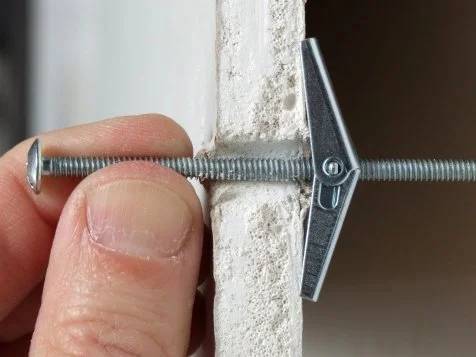
Anchors and toggle bolts support heavy items on drywall. Anchors expand inside the wall for a strong grip. Toggle bolts have metal wings that open behind the drywall. Removing these fasteners requires more care. Pulling too hard may damage the wall.
Tools Needed For Removal
Removing fasteners from drywall requires the right tools. Using proper tools makes the job easier. It prevents damage to the wall. The tools needed depend on the type of fastener. Here are the basic tools for safe removal.
Pliers And Prying Tools
Pliers help grip nails or staples firmly. Needle-nose pliers work well for small fasteners. Slip-joint pliers provide strong leverage for nails. A pry bar or flat pry tool lifts fasteners carefully. These tools reduce wall damage during removal.
Screwdrivers And Drill
Screwdrivers remove screws without damaging drywall. Use a Phillips or flat-head screwdriver as needed. An electric drill speeds up screw removal. Choose a drill bit that fits the screw head. These tools save time and effort.
Utility Knife And Putty Knife
A utility knife cuts around fasteners if paint or drywall sticks. It loosens edges without tearing the wall. A putty knife helps pry out stubborn fasteners gently. It also smooths the drywall surface after removal. These tools protect the wall’s finish.
Removing Nails Safely
Removing nails from drywall needs care to avoid damage. Nails can leave holes or cracks if pulled too hard. Using the right tools helps keep your walls smooth. Safety is important to prevent injury or wall damage. Follow these simple steps to remove nails safely and cleanly.
Using Pliers For Small Nails
Small nails are easier to remove with pliers. Grip the nail head firmly but gently. Pull the nail straight out to avoid wall damage. Use needle-nose pliers for tight spaces. If the nail is loose, it will come out quickly. Take your time to keep the drywall intact.
Leveraging A Pry Bar For Stubborn Nails
Stubborn nails need more force but careful handling. Place a thin piece of wood under the pry bar. This protects the drywall from scratches and dents. Slowly lever the nail out with steady pressure. Avoid quick jerks that can crack the drywall. Check the nail’s position often to adjust your angle.
Extracting Drywall Screws
Extracting drywall screws is an essential skill for anyone working on wall repairs or renovations. Screws hold drywall firmly, but removing them requires care to avoid damage. Using the right tools and techniques makes the process faster and cleaner. This section covers two simple methods to remove drywall screws safely and efficiently.
Manual Screwdriver Techniques
Start by choosing the correct screwdriver that fits the screw head. A Phillips screwdriver is common for drywall screws. Place the screwdriver tip firmly in the screw head. Turn the screwdriver counterclockwise with steady pressure. Avoid slipping to prevent stripping the screw.
If the screw is tight, apply gentle back-and-forth movements. This loosens the screw gradually. Keep your hand steady to maintain grip. Use moderate force to prevent damage to the drywall surface. Once the screw loosens, pull it out by turning until fully removed.
Using A Drill For Easier Removal
A drill with a screwdriver bit speeds up screw removal. Set the drill to low speed and reverse mode. Align the bit with the screw head carefully. Apply steady pressure to avoid slipping or stripping.
Slowly pull the trigger, letting the drill do the work. Keep the drill straight to maintain control. Stop when the screw is loose enough to remove by hand. This method saves time, especially for many screws.
Dealing With Anchors And Bolts
Removing fasteners from drywall can be tricky, especially when dealing with anchors and bolts. These fasteners hold items firmly but may damage the wall if removed carelessly. Understanding how to handle plastic anchors and toggle bolts helps keep your drywall smooth and intact.
Careful removal saves time and prevents costly repairs. Use the right tools and techniques for each type of fastener.
Pulling Out Plastic Anchors
Plastic anchors expand inside the wall to hold screws tightly. Pulling them out requires patience and gentle force. Try using pliers to grip the anchor firmly.
Pull straight out slowly to avoid tearing the drywall. If the anchor breaks, use a screwdriver to push it deeper, then patch the hole. Avoid twisting or jerking the anchor to prevent wall damage.
Removing Toggle Bolts Without Damage
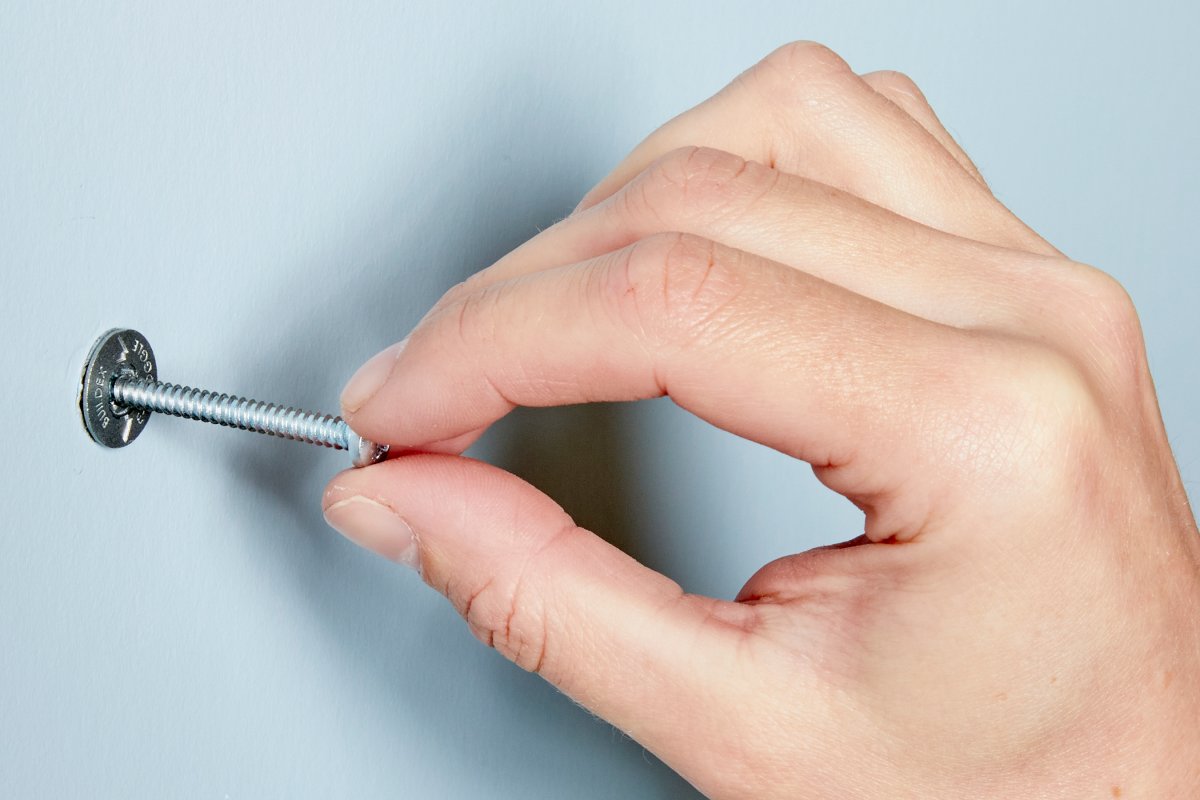
Toggle bolts have wings that open behind the drywall for strong support. Removing them without harm takes care. First, unscrew the bolt by turning it counterclockwise.
The wings will drop inside the wall cavity once loose. Do not pull on the bolt or wings, as this can enlarge the hole. After removal, fill the hole with spackle or drywall compound to restore the surface.

Credit: www.youtube.com
Preventing Drywall Damage
Removing fasteners from drywall can cause damage if done carelessly. Preventing damage keeps walls smooth and ready for new fixtures or paint. Gentle handling protects the drywall surface and saves repair time.
Using the right tools and methods helps avoid cracks and holes. Covering nearby areas stops dust and debris from spreading. Taking small steps preserves the wall’s appearance and structure.
Gentle Removal Methods
Start by loosening the fastener slowly. Use pliers or a screwdriver with care. Pull straight out to reduce stress on the drywall. Avoid twisting or forcing fasteners. These actions can tear the drywall paper and create large holes.
For nails, try tapping them slightly with a hammer first. This can loosen their grip. Use a putty knife to push behind the nail head gently. This helps lift the nail without ripping the wall.
Protecting Surrounding Areas
Cover the floor and furniture with a drop cloth. This catches any falling debris or dust. Use painter’s tape to secure the cloth edges. Protect electrical outlets and switches with tape too.
Keep tools close to prevent accidental drops. Remove fasteners carefully to avoid hitting nearby drywall. A steady hand limits accidental wall damage and keeps the area clean.
Repairing Holes After Removal
Removing fasteners from drywall often leaves holes. These holes need fixing to restore the wall’s smooth look. Repairing holes is simple with the right steps. Small holes require different care than larger ones. Proper sanding and painting finish the job well. Below are easy tips to repair holes after fastener removal.
Filling Small Holes
Small holes from nails or screws are easy to fix. Use a lightweight spackling compound. Apply it with a putty knife. Press the compound into the hole fully. Smooth the surface flat with the knife. Let it dry for a few hours. After drying, check if the hole is filled. Apply more compound if needed. Small holes usually take one or two coats.
Patching Larger Damages
Larger holes need more than spackling. Use a drywall patch or mesh tape. Cut the patch to cover the hole well. Attach it firmly on the wall. Apply joint compound over the patch. Spread it evenly beyond the patch edges. Let it dry completely before the next step. Apply a second coat if the surface is uneven. Large holes may need sanding between coats.
Sanding And Painting Tips
After the compound dries, start sanding. Use fine-grit sandpaper for a smooth finish. Sand gently to avoid wall damage. Wipe off dust with a damp cloth. Choose paint that matches the wall color. Apply primer first if needed. Paint the repaired area in thin layers. Let each layer dry before applying the next. This method helps hide the repair perfectly.
Credit: www.bobvila.com
Tips For Future Fastener Use
Using fasteners correctly keeps your drywall strong and safe. Poor choices or bad installation cause damage. Follow these tips to protect your walls and make future repairs easier.
Choosing The Right Fastener
Select fasteners made for drywall to avoid damage. Use drywall anchors for heavy items. Small nails or screws hold light objects well. Check the weight limit of fasteners before buying. Match the fastener size to the item’s weight. Avoid using regular wood screws; they can crack drywall.
Proper Installation Techniques
Start by drilling a small pilot hole. This prevents drywall from cracking. Insert the fastener straight to keep it secure. Do not overtighten screws; it can break drywall. Use a level to keep fasteners aligned. Place fasteners into studs when possible for extra strength.
Frequently Asked Questions
How Do You Safely Remove Drywall Fasteners?
Use a flathead screwdriver or pliers to gently pry out fasteners. Work slowly to avoid damaging the drywall surface or creating large holes.
What Tools Are Best For Removing Fasteners From Drywall?
Flathead screwdriver, needle-nose pliers, or a putty knife work best. These tools allow careful removal without tearing or cracking the drywall.
Can I Remove Drywall Anchors Without Damaging Walls?
Yes, by loosening anchors with pliers or a screwdriver and pulling them out carefully. Patch any small holes afterward with spackle.
How To Fix Holes After Removing Drywall Fasteners?
Fill holes with spackle or joint compound. Sand smooth once dry, then repaint for a seamless finish.
Conclusion
Removing fasteners from drywall does not have to be hard. Use the right tools for each type of fastener. Work slowly and carefully to avoid damage. Small holes can be patched easily afterward. This simple process saves time and effort.
Now you can handle drywall repairs with confidence. Try these tips on your next project.


