Are you curious about Fastenal’s true value? Whether you’re an investor, a business enthusiast, or simply someone wanting to understand this industrial giant better, knowing how much Fastenal is worth can give you a clearer picture of its impact and potential.
Fastenal isn’t just another company; it’s a major player in the industrial supply world, competing with giants like W. W. Grainger and Home Depot. You’ll discover Fastenal’s current market worth, who owns it, and how it stacks up against its competitors.
Keep reading to get the full story behind the numbers and what they mean for you.
Credit: www.inddist.com
Fastenal Market Capitalization
Fastenal’s market capitalization reflects the total value investors place on the company. It shows how much Fastenal is worth on the stock market. Market capitalization is calculated by multiplying the current share price by the total number of outstanding shares. This figure helps investors understand the company’s size and market position compared to competitors.
Tracking Fastenal’s market cap gives insight into its financial health and growth potential. Changes in market value can signal shifts in investor confidence, company performance, or industry trends. Below, we explore Fastenal’s current market cap trends and its historical market value changes.
Current Market Cap Trends
Fastenal’s market capitalization has shown steady growth in recent years. The company benefits from strong sales in industrial supplies and consistent earnings. Investors respond to Fastenal’s expanding market reach and operational efficiency. Market cap often fluctuates with stock price changes influenced by quarterly earnings and economic conditions.
As of now, Fastenal holds a multi-billion dollar market cap. This places the company among the leading industrial distributors. Market analysts watch Fastenal closely for signs of continued expansion or any risks that may affect its valuation.
Historical Market Value Changes
Fastenal’s market cap has evolved significantly since its public listing. Initially, the company had a modest valuation reflecting its smaller size and market presence. Over time, Fastenal expanded its product lines and geographic reach.
These growth efforts pushed the market cap higher, especially during periods of economic growth. Past market downturns caused temporary dips, but Fastenal has generally recovered quickly. This history shows the company’s resilience and ability to adapt to changing market conditions.
Revenue And Earnings
Fastenal’s revenue and earnings provide a clear picture of its financial strength. The company has shown steady income growth over the years. This growth reflects its strong market position in industrial supplies. Understanding its revenue and profit margins helps gauge Fastenal’s overall worth.
Annual Revenue Figures
Fastenal generates billions in annual revenue. Recent reports show its yearly revenue exceeds $6 billion. The company’s sales have grown consistently over the last decade. This growth comes from expanding product lines and opening new stores. Fastenal also benefits from strong demand in construction and manufacturing sectors.
Revenue varies slightly each year but remains on an upward trend. Fastenal’s focus on customer service and supply chain efficiency boosts sales. The company’s widespread presence across North America supports steady income streams.
Profit Margins And Growth
Fastenal maintains solid profit margins, typically around 15%. This margin indicates efficient operations and cost control. The company’s net income has also increased steadily with revenue. Fastenal invests in technology and logistics to improve profitability.
Year-over-year earnings growth often beats industry averages. This growth signals strong management and market demand. Fastenal’s ability to control expenses while growing sales supports healthy profits. Investors watch these margins to assess the company’s future value.
Stock Performance
Fastenal’s stock performance provides key insights into its market value and investor confidence. Tracking the stock price and financial ratios offers a clear picture of the company’s standing. Investors watch these metrics closely to assess potential risks and rewards.
Recent Stock Price Movements
Fastenal’s stock price has shown steady changes over recent months. Small fluctuations reflect typical market conditions and company updates. The stock remains attractive to many investors due to consistent performance. Price trends help predict future movements and guide investment decisions.
P/e Ratio And Dividend Yield
The price-to-earnings (P/E) ratio indicates how the market values Fastenal’s earnings. A moderate P/E ratio suggests balanced expectations from investors. The dividend yield offers insight into income returns from the stock. Fastenal provides regular dividends, appealing to income-focused investors.
Credit: www.polarismarketresearch.com
Leadership And Ownership
Understanding Fastenal’s value involves looking closely at its leadership and ownership. The company’s direction and financial strength reflect the people who lead it and those who hold its shares. Leadership decisions shape Fastenal’s growth and stability. Ownership influences its market trust and investment appeal.
Ceo Compensation
Fastenal’s CEO receives a salary reflecting company size and industry standards. Daniel L. Florness, the current CEO, earns a package that includes base pay, bonuses, and stock options. This compensation aligns his interests with company performance. Transparent CEO pay helps investors gauge leadership effectiveness. It shows how Fastenal rewards success and manages executive talent.
Major Institutional Investors
Fastenal is owned significantly by major institutional investors. The Vanguard Group and BlackRock hold large shares in the company. These investors influence company policies and governance. State Street Global Advisors is another key shareholder. Institutional ownership adds stability and confidence to Fastenal’s stock. It signals trust from large, professional money managers.
Competitors Comparison
Understanding Fastenal’s worth requires a clear look at its competitors. Comparing Fastenal to others in the same industry gives a better idea of its market value. This section explores key rivals and Fastenal’s position among them.
Key Industry Rivals
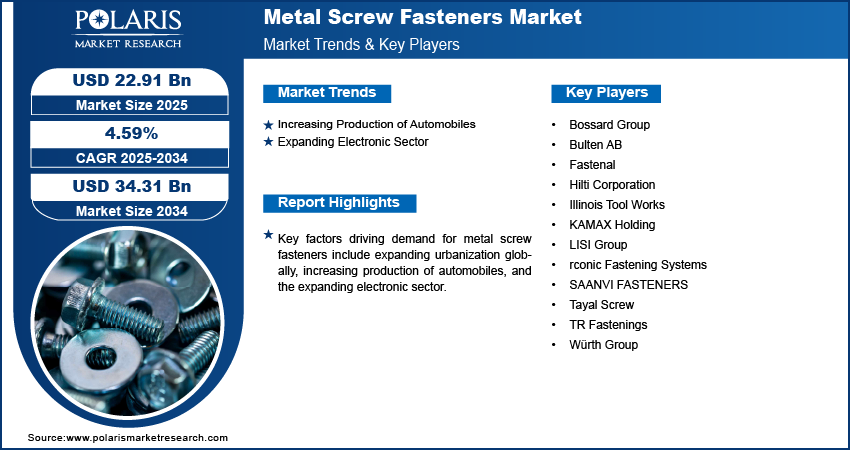
Fastenal’s main competitor is W.W. Grainger. Both serve the industrial and MRO supply market. Grainger often leads in market capitalization and revenue. MSC Industrial Direct is another key player. It also focuses on industrial supplies and has a strong customer base. Home Depot and Lowe’s compete in specific segments. They serve retail and industrial customers with a wide product range. These companies shape the competitive landscape Fastenal faces daily.
Market Position Against Competitors
Fastenal holds a strong market position. It ranks closely behind W.W. Grainger in size and revenue. Fastenal’s growth comes from a broad product offering and strong distribution network. MSC Industrial Direct trails in market share but remains a solid competitor. Home Depot and Lowe’s excel in retail but compete less in specialized industrial supplies. Fastenal’s focus on service and product variety helps it maintain a competitive edge. This strength boosts its overall valuation in the market.

Credit: en.wikipedia.org
Investment Considerations
Investing in Fastenal requires understanding its market position and financial health. Careful consideration of strengths and risks can guide investment choices. Evaluating whether to buy or hold Fastenal stock depends on these factors and market trends.
Strengths And Risks
Fastenal has a strong presence in industrial supplies and a wide distribution network. It benefits from steady demand in construction and manufacturing sectors. The company shows consistent revenue growth and solid cash flow.
Risks include economic downturns that reduce industrial spending. Competition from large players like W.W. Grainger and Home Depot can pressure margins. Supply chain disruptions may also impact product availability and costs.
Stock Buy Or Hold Analysis
Fastenal’s stock offers potential for long-term growth due to its market niche. Its dividend history may appeal to income-focused investors. Price fluctuations reflect broader economic cycles affecting industrial demand.
Investors should watch earnings reports and industry trends closely. Holding the stock may suit those seeking steady returns with moderate risk. Buying requires confidence in Fastenal’s ability to maintain growth amid competition and economic changes.
Frequently Asked Questions
How Much Money Is Fastenal Worth?
Fastenal’s market value is approximately $25 billion as of mid-2024. It ranks among top industrial suppliers globally.
How Much Does The Ceo Of Fastenal Make?
The CEO of Fastenal, Daniel L. Florness, earns approximately $3. 5 million annually in total compensation.
Who Is Fastenal Owned By?
Fastenal is publicly owned, with major shareholders including The Vanguard Group and BlackRock. Daniel L. Florness serves as CEO.
Who Is Fastenal’s Biggest Competitor?
Fastenal’s biggest competitor is W. W. Grainger. Both lead in industrial and MRO supply markets. Other key rivals include MSC Industrial Direct, Home Depot, and Lowe’s.
Conclusion
Fastenal holds a strong position in the industrial supply market. Its value reflects steady growth and solid investor confidence. The company competes well against major players like Grainger and Home Depot. Fastenal’s worth shows how it meets customer needs effectively.
Investors watch its market moves closely for future potential. Understanding Fastenal’s value helps in making informed investment choices. The company’s success highlights its role in the industry today.