When working with pressure treated wood, choosing the right fasteners can make all the difference in how long your project lasts. If you use the wrong nails or screws, you might face rust, weakening joints, or even structural failure over time.
You want your work to stay strong and look great, right? You’ll discover exactly which types of fasteners are best suited for pressure treated wood. By the time you finish reading, you’ll feel confident picking the right materials that protect your investment and ensure your project stands the test of time.
Let’s dive in and get you ready to build with lasting strength!
Credit: ozcobp.com
Pressure Treated Wood Basics
Pressure treated wood is common for outdoor projects. It lasts longer than regular wood. The wood is soaked with chemicals to fight rot and insects. This makes it strong and durable for many uses. Understanding the basics helps you choose the right fasteners. Using proper fasteners ensures your project stays safe and sturdy.
Why Treatment Matters
Pressure treatment protects wood from water damage and pests. Without treatment, wood can rot quickly. The chemicals help stop decay and insect attacks. This extends the wood’s life outdoors. Treated wood can handle wet and harsh conditions. Using the right fasteners prevents rust and corrosion. This keeps your wood joints tight and safe.
Common Uses
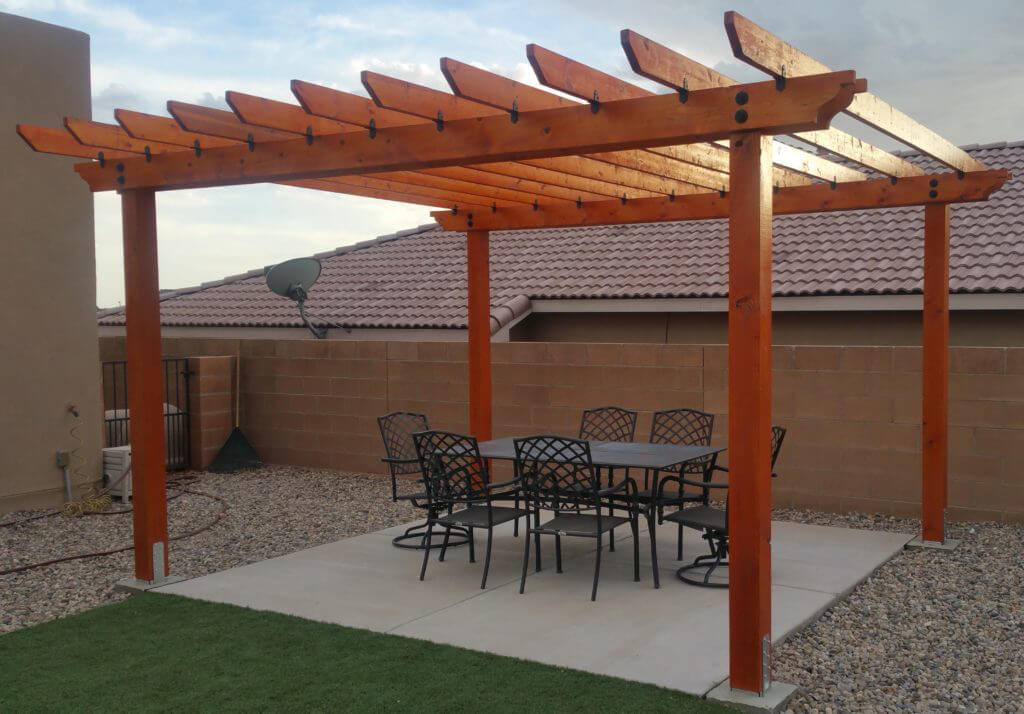
Pressure treated wood works well for decks, fences, and patios. It is popular for garden beds and outdoor furniture. Builders use it for beams and posts too. The wood holds up well in damp places. Fasteners must match the wood’s treatment to avoid damage. Stainless steel or coated screws and nails work best. These fasteners do not rust or weaken over time.
Credit: us.sfs.com
Challenges With Fastening
Fastening pressure treated wood poses unique challenges. The wood’s treatment changes its properties. These changes affect how fasteners work and last. Choosing the wrong fasteners can lead to weak joints and rust. Understanding these challenges helps in picking the right materials for a strong build.
Wood Chemistry Effects
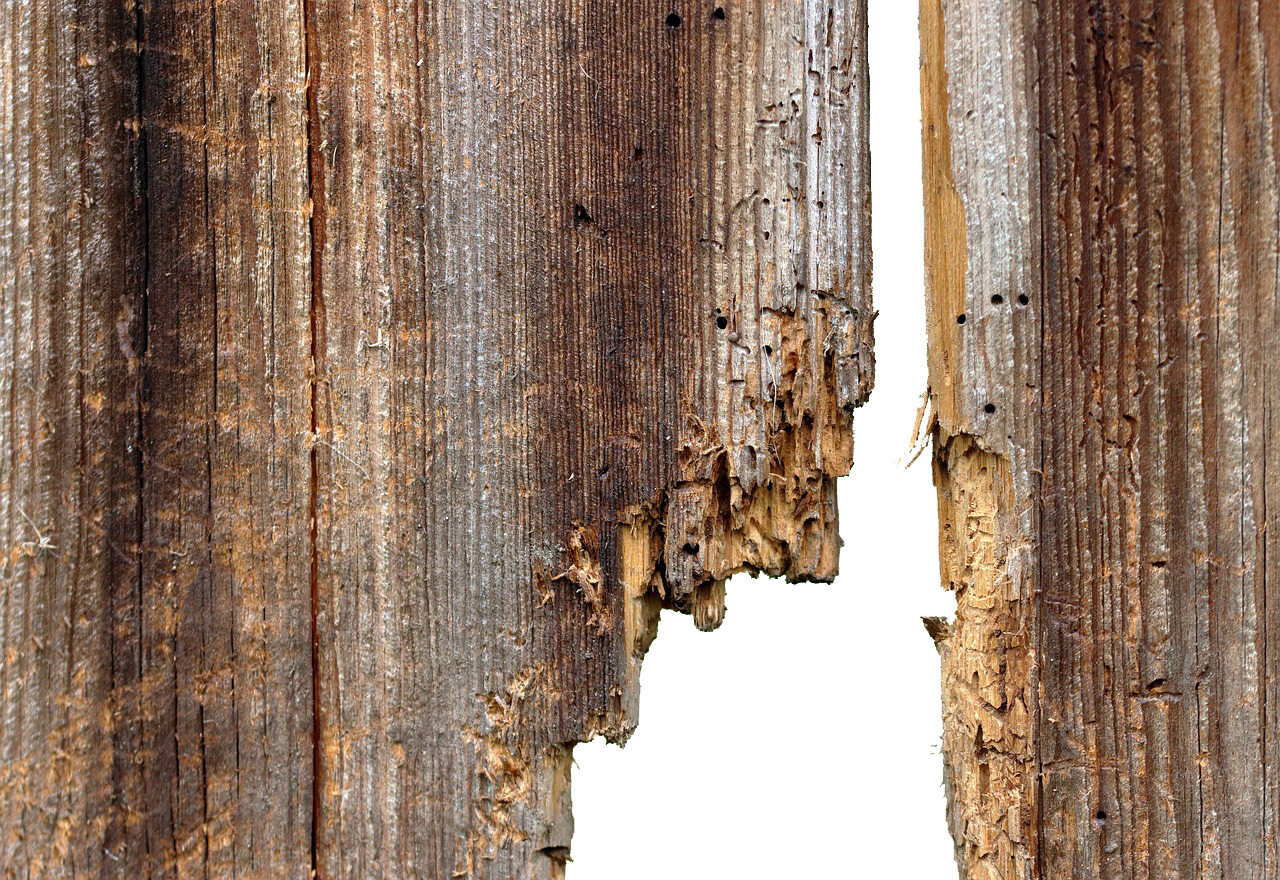
Pressure treated wood contains chemicals to resist rot and insects. These chemicals can react with certain metals. Some metals corrode faster when in contact with treated wood. The wood’s moisture content is often higher than untreated wood. This moisture speeds up metal corrosion and weakens fasteners. Fasteners must resist chemical reactions to last long.
Corrosion Risks
Corrosion is the main threat to fasteners in treated wood. Rust can cause fasteners to break or lose grip. Fasteners made of plain steel rust quickly in this environment. Stainless steel or hot-dipped galvanized fasteners resist corrosion better. Using the wrong fasteners leads to costly repairs and unsafe structures. Protecting against corrosion ensures durability and safety.
Best Fastener Materials
Choosing the right fastener material is key for pressure treated wood projects. The wood contains chemicals that can cause some metals to rust quickly. This can weaken the structure and spoil the look. Using the best fasteners helps protect your work and makes it last longer. Let’s explore the top materials for this purpose.
Stainless Steel Options
Stainless steel is highly resistant to rust and corrosion. It works well with pressure treated wood. This material does not react with the chemicals in the wood. Stainless steel fasteners hold strong over time. They are perfect for outdoor projects exposed to rain and moisture. Though a bit more expensive, they offer excellent durability.
Hot-dipped Galvanized
Hot-dipped galvanized fasteners have a thick zinc coating. This layer protects them from rust and corrosion. They are a popular choice for pressure treated wood. These fasteners balance cost and durability. The zinc coating lasts longer than regular galvanized options. They work well for decks, fences, and outdoor furniture.
Coated Steel Choices
Coated steel fasteners include different protective layers. Some use ceramic or epoxy coatings. These coatings shield the metal from wood chemicals and moisture. Coated steel fasteners are usually less costly than stainless steel. They offer good protection but may wear faster than galvanized or stainless options. Best used in less harsh environments.
Fastener Types For Different Projects
Choosing the right fastener for pressure treated wood depends on your project type. Different fasteners suit different tasks and wood types. Using the wrong fastener can cause rust or wood damage. Understanding fastener types helps you pick the best option for strength and durability.
Each fastener type has unique features and uses. Nails and screws differ in holding power and ease of use. Bolts and lag screws offer strong connections for heavy loads. Specialty fasteners provide solutions for specific needs or conditions.
Nails Vs Screws
Nails are quick to install and cost less. They work well for framing and simple wood projects. Nails hold pressure treated wood firmly but can loosen over time.
Screws provide a stronger grip and resist pulling out. They are better for decks, fences, and outdoor furniture. Use corrosion-resistant screws made for treated wood to avoid rust.
Bolts And Lag Screws
Bolts and lag screws are heavy-duty fasteners. They join large wood pieces or connect wood to metal. These fasteners offer high strength and stability.
Lag screws are ideal for thick beams and posts. Bolts need nuts and washers for a secure fit. Both must be made from corrosion-resistant materials for outdoor use.
Specialty Fasteners
Specialty fasteners include coated nails, screws, and hidden fasteners. They resist corrosion better than standard fasteners. Some have special coatings for saltwater or extreme weather.
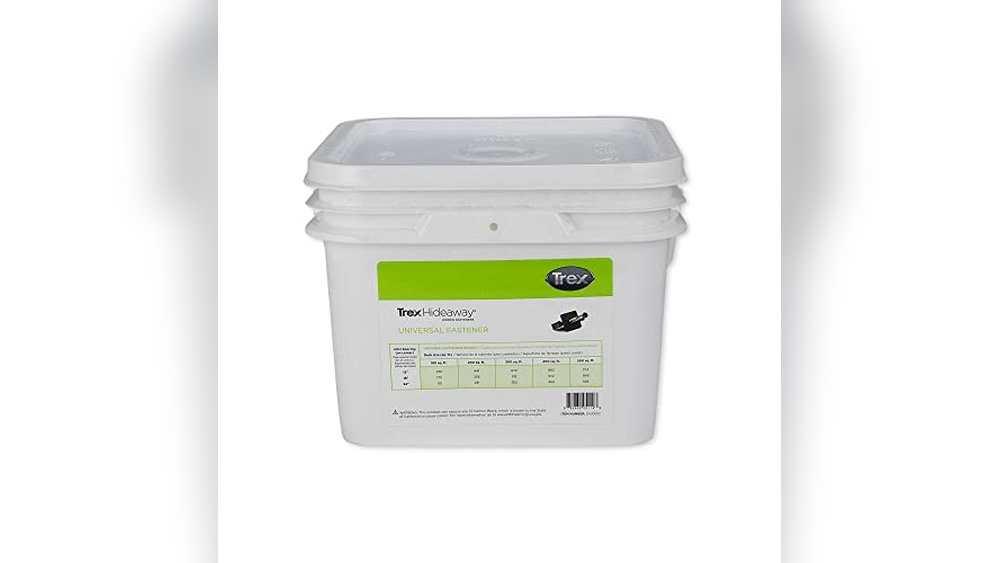
Hidden fasteners give a clean look without visible heads. Choose specialty fasteners for decks, patios, or places needing extra protection. They extend the life of pressure treated wood projects.
Installation Tips
Installing fasteners in pressure treated wood requires care to ensure strength and durability. Follow these tips to avoid common problems like splitting or loosening. Proper techniques make your project last longer and look better.
Pre-drilling Techniques
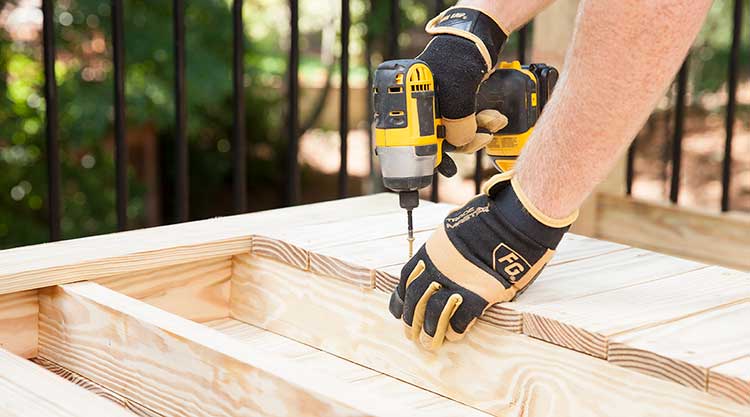
Pre-drilling holes helps prevent wood from cracking. Use a drill bit slightly smaller than the fastener. Drill straight to keep the hole clean and smooth. This makes driving screws easier and protects the wood.
Avoiding Wood Splitting
Splitting happens when fasteners go in without space. Start by drilling pilot holes near edges or ends. Use screws with sharp tips and drive them slowly. Leave a small gap between fasteners to reduce pressure.
Fastener Spacing
Spacing fasteners correctly keeps the wood stable. Place screws about 6 to 8 inches apart on decks or fences. For thinner boards, use closer spacing to avoid warping. Even spacing also improves the wood’s appearance.
Maintenance And Longevity
Maintaining pressure treated wood with the right fasteners extends its life. Proper care helps avoid damage and costly repairs. Regular checks keep the wood and fasteners strong. Using the correct fasteners from the start reduces rust and decay.
Inspecting Fasteners Regularly
Check fasteners every few months. Look for rust, loosening, or bending. Tighten loose screws or nails to keep joints firm. Early detection prevents bigger problems later. Replace any fastener that shows signs of wear.
Replacing Corroded Hardware
Remove rusted or damaged fasteners quickly. Corrosion weakens the connection and wood support. Use stainless steel or coated fasteners for better resistance. Keep replacement fasteners ready for quick fixes. Proper hardware protects wood from moisture and decay.
Common Mistakes To Avoid
Choosing the right fasteners for pressure treated wood is important. Many people make mistakes that shorten the wood’s life. Avoid these common errors to keep your project strong and safe.
Using Incompatible Metals
Pressure treated wood contains chemicals that can cause metal fasteners to rust quickly. Some metals react badly with these chemicals. Using plain steel nails or screws can lead to corrosion. Corroded fasteners weaken the structure and cause damage over time. Use stainless steel or hot-dipped galvanized fasteners. These resist rust and last much longer with treated wood.
Ignoring Manufacturer Guidelines
Manufacturers provide clear instructions on which fasteners to use. Ignoring these guidelines can cause problems. The wrong fastener type or size may not hold the wood properly. This can lead to loose joints and unsafe structures. Always check the product label or manual. Follow the recommended fastener types for the best results.
Credit: www.yellawood.com
Frequently Asked Questions
What Fasteners Resist Corrosion In Pressure Treated Wood?
Stainless steel and hot-dipped galvanized fasteners resist corrosion in pressure treated wood. They prevent rust and wood damage, ensuring durability. Avoid using plain steel fasteners, as chemicals in treated wood cause corrosion quickly. Choose appropriate fasteners for long-lasting outdoor projects.
Can I Use Standard Nails With Pressure Treated Wood?
Standard nails are not recommended for pressure treated wood. Chemicals can cause nails to corrode and fail. Use corrosion-resistant fasteners like galvanized or stainless steel nails instead. This ensures strong, durable connections and prevents structural issues over time.
Why Choose Stainless Steel Fasteners For Treated Wood?
Stainless steel fasteners offer excellent corrosion resistance and strength. They withstand moisture and chemicals in treated wood without rusting. This makes them ideal for outdoor projects where longevity and durability are critical. Stainless steel fasteners protect your investment in pressure treated lumber.
Are Coated Screws Suitable For Pressure Treated Wood?
Yes, coated screws like hot-dipped galvanized or ceramic-coated screws are suitable. They resist corrosion caused by chemicals in treated wood. Coated screws provide strong holding power and prevent rust, making them perfect for decks, fences, and other outdoor structures.
Conclusion
Choosing the right fasteners protects your wood and extends its life. Use corrosion-resistant nails or screws made for pressure-treated wood. Stainless steel or coated fasteners prevent rust and wood damage. Avoid cheap metals that can cause staining and weaken joints.
Good fasteners keep your project strong and safe. Take time to pick quality fasteners for the best results. Your wood will stay sturdy and last longer with the right choice. Simple care in fastener selection makes a big difference.