If you or a loved one has a G tube, you know how important it is to keep everything clean and comfortable. One part that can be tricky is the T fasteners.
Removing them the right way matters—it helps avoid pain, infection, and other problems. You’ll discover simple, clear steps to safely remove your G tube T fasteners. By the end, you’ll feel more confident and in control of your care. Keep reading to learn exactly what you need to do next.
What Are G Tube T Fasteners
G Tube T fasteners are small devices used to secure gastrostomy tubes. They help keep the tube in place on the skin. These fasteners prevent the tube from moving or slipping out. Understanding these fasteners is important before removing them safely.
Purpose And Use
G Tube T fasteners hold the gastrostomy tube firmly. They attach the tube to the skin. This stops the tube from pulling or causing injury. Fasteners also protect the insertion site from infection. They make daily care easier and safer.
Types Of Fasteners
There are several types of G Tube T fasteners. Some are made of plastic, others of silicone. Some fasteners use adhesive pads to stick to the skin. Others use small clips or buttons to hold the tube. Each type works to keep the tube secure and comfortable.
When To Remove T Fasteners
Knowing when to remove G Tube T fasteners is important for safe care. These fasteners hold the feeding tube in place. Removing them too early or too late can cause problems. Understanding the right signs and timing helps ensure proper healing and comfort.
Signs For Removal
Look for redness or irritation around the fasteners. Pain or swelling can also signal a need to remove them. If the fastener looks loose or damaged, removal may be necessary. Watch for any signs of infection like pus or unusual smell. These signs mean the fasteners should come off soon.
Timing Considerations
Doctors usually set a schedule for fastener removal. The typical time is about two to three weeks after tube placement. This allows the stoma to heal and the tube to stay secure. Removing fasteners too soon can cause the tube to move or fall out. Waiting too long might cause skin problems or discomfort. Follow medical advice closely for the best timing.
Preparation Before Removal
Preparing before removing G tube T fasteners is crucial. It helps make the process smooth and safe. Taking time to prepare reduces pain and risk of infection. Proper preparation also helps the patient feel calm and secure. Follow simple steps to get ready for removal.
Gathering Supplies
Collect all needed items before starting. You will need clean gloves to keep hands sterile. Have sterile gauze pads ready to stop any bleeding. Use gentle adhesive remover if the fastener is stuck. Keep a clean container nearby to dispose of fasteners safely. Prepare mild soap and water for cleaning the site after removal.
Patient Comfort And Safety
Explain the process simply to the patient. Let them know what will happen and what to expect. Make sure the patient is in a comfortable position. Use pillows or cushions to support their body. Check the skin around the tube for redness or swelling. Stop if the patient feels too much pain or discomfort. Always have a helper nearby for support and assistance.
Credit: link.springer.com
Step-by-step Removal Process
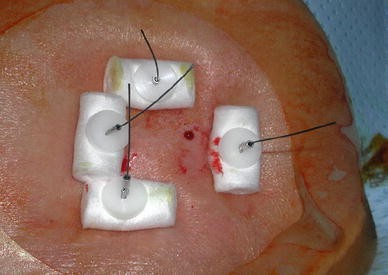
Removing G tube T fasteners needs care and a clear method. Follow each step to avoid pain or damage. This guide helps you remove fasteners safely and gently.
Cleaning The Area
Start by washing your hands well. Use warm water and soap. Clean the skin around the fasteners with a soft cloth. Use mild soap and water only. Dry the area carefully with a clean towel. This prevents infection and helps you see the fasteners clearly.
Loosening The Fasteners
Gently press the fastener sides to loosen them. Do not pull hard or rush. If it feels stuck, apply a small amount of warm water. Wait a minute to soften the skin and tape. Move slowly to avoid pain or skin damage. Keep the area relaxed during this step.
Removing The Fasteners Safely
Once loose, hold the fastener close to the skin. Pull it out slowly and steadily. Watch for any resistance or pain. Stop if you feel discomfort. Dispose of the fastener in a safe place. Clean the area again after removal. This keeps the skin healthy and clean.
Post-removal Care
After removing G Tube T fasteners, proper care is important. The skin needs time to heal and avoid problems. Careful attention helps prevent infection and discomfort. Follow simple steps to ensure safe healing.
Inspecting The Site
Check the area where the fasteners were removed. Look for redness, swelling, or unusual marks. A small amount of bleeding or clear fluid is normal. Watch for signs of pus or bad smell. These may mean infection and need medical help. Keep the site clean and dry during inspection.
Managing Discomfort And Infection Risk
Some soreness is normal after removal. Use a clean cloth with cold water to ease pain. Avoid tight clothes or pressure on the site. Wash hands before touching the area to stop germs. If pain or redness grows, contact a healthcare provider. Use any prescribed ointments or medicine as directed. Proper care lowers chances of infection and speeds healing.

Credit: www.nm.org
Common Challenges And Solutions
Removing G Tube T fasteners can sometimes be tricky. Challenges may arise that need careful attention. Knowing common issues helps you handle them safely. This section highlights typical problems and their solutions. It ensures you remove fasteners without causing harm or discomfort.
Stuck Or Difficult Fasteners
Fasteners can get stuck due to dried adhesive or skin growth. Pulling hard can hurt or damage the site. Use warm water to soften the area first. Gently massage around the fastener to loosen it. Use a clean cloth or cotton swab for support. If it still won’t move, ask a healthcare provider for help. Avoid using sharp tools to pry it loose.
Signs Of Complications
Watch for redness, swelling, or pain around the fastener. Fluid or pus may indicate infection. Bleeding that doesn’t stop needs immediate care. If the skin looks broken or irritated, stop removal. Fever or feeling unwell can mean infection is spreading. Report these signs to your doctor right away. Early treatment prevents serious problems.
When To Seek Medical Help
Knowing when to seek medical help for G tube T fasteners is very important. Removing these fasteners can sometimes cause problems. Some signs need quick attention from a doctor. Understanding these signs helps keep you safe.
Emergency Situations
Call for medical help if there is heavy bleeding. Redness or swelling around the site can mean infection. Intense pain or sudden fever also needs urgent care. If the fastener falls out unexpectedly, do not try to fix it alone. Trouble breathing or feeling dizzy requires immediate medical attention.
Follow-up Care
After removing the fasteners, watch the area closely. Mild redness or soreness is normal at first. If symptoms get worse or last more than a few days, see a doctor. Keep the site clean and dry as instructed. Regular check-ups help prevent problems and ensure proper healing.

Credit: www.youtube.com
Frequently Asked Questions
How Do I Safely Remove G Tube T Fasteners?
To remove G Tube T fasteners safely, clean the area first. Gently press and slide the fastener off without pulling hard. Avoid using sharp tools. If resistance occurs, consult a healthcare professional to prevent skin injury or tube damage.
When Should G Tube T Fasteners Be Replaced?
Replace G Tube T fasteners every 1 to 2 weeks or as directed. Frequent changes help prevent infection and skin irritation. Always follow your healthcare provider’s advice to maintain cleanliness and tube stability for optimal healing and comfort.
Can I Remove G Tube T Fasteners At Home?
Yes, you can remove G Tube T fasteners at home if you follow proper hygiene. Wash your hands and clean the site carefully. If unsure or complications arise, seek help from a medical professional to ensure safe removal.
What Tools Are Needed To Remove G Tube T Fasteners?
No special tools are usually needed. Use clean hands and gentle pressure to slide fasteners off. Avoid scissors or knives to prevent injury. If the fastener is stuck, contact healthcare staff for assistance to avoid damaging the tube or skin.
Conclusion
Removing G Tube T fasteners is simple with the right steps. Always clean your hands and area first. Gently loosen the fasteners without force. Take your time to avoid pain or injury. If you feel unsure, ask a healthcare provider.
Proper removal helps prevent infection and discomfort. Keep the site clean after removal. Following these tips makes the process safer and easier. Remember, careful handling protects your health every time.