Are you struggling to hang something heavy on your wall without it falling down? Knowing how to put an anchor into a wall is a simple skill that can save your pictures, shelves, and decorations from disaster.
Whether you’re a beginner or just want to do it right the first time, this guide will show you easy steps to make your wall strong and secure. Keep reading, and you’ll learn how to get the job done quickly and confidently—no more guessing or worrying about damage.
Let’s get started!
Types Of Wall Anchors
Choosing the right wall anchor is key for strong and safe mounts. Different anchors work best with different wall types and weights. Knowing the types helps you pick the best fit for your project. This guide covers the most common wall anchors and their uses.
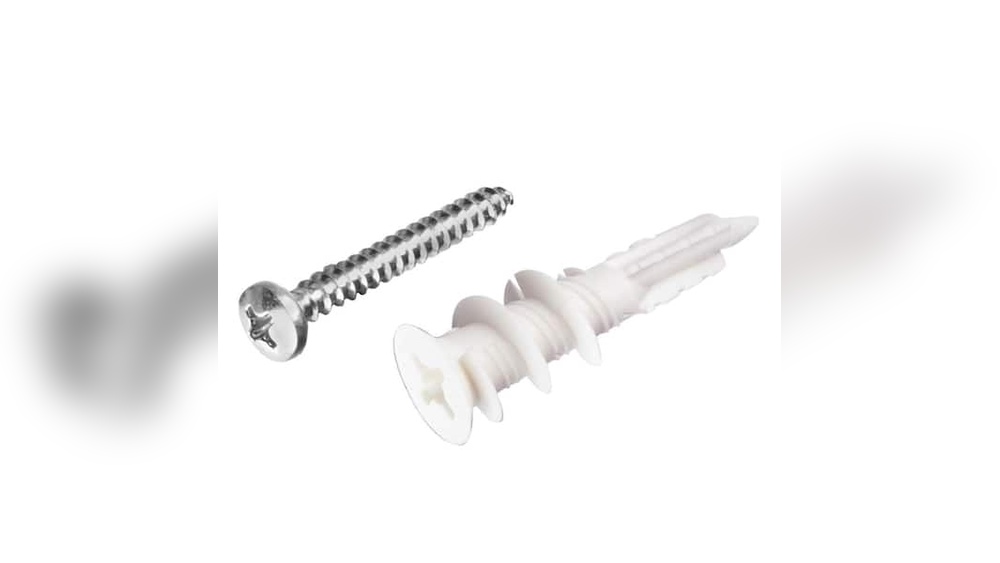
Plastic Expansion Anchors
Plastic expansion anchors are simple and widely used. Drill a hole, insert the anchor, then screw in. The anchor expands, gripping the wall tightly. Best for light to medium loads in drywall or plaster.
Toggle Bolts
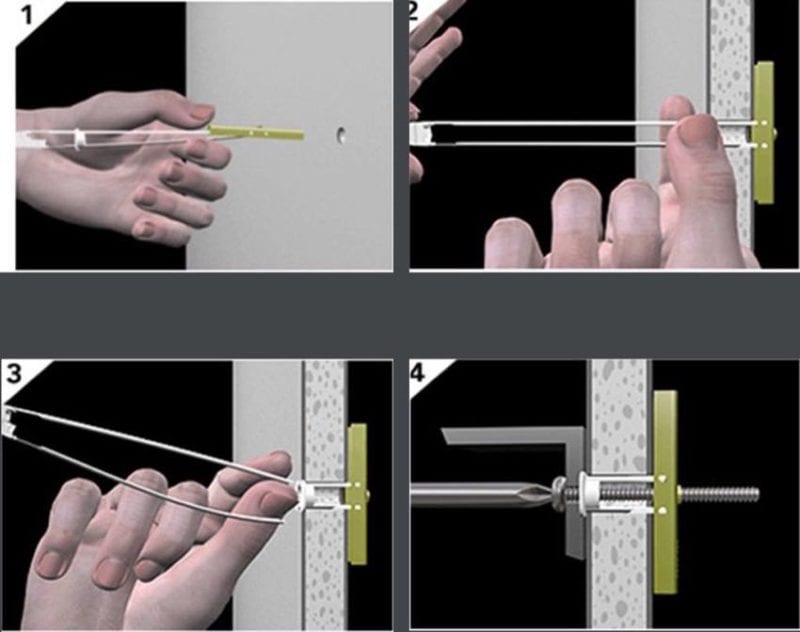
Toggle bolts have metal wings that open inside the wall. They spread the load over a larger area. Perfect for heavy items on hollow walls. Requires a larger hole for installation.
Molly Bolts
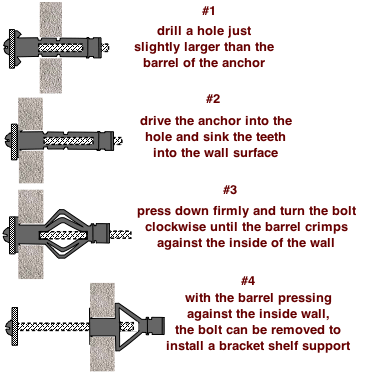
Molly bolts are metal anchors with sleeves. When tightened, the sleeve expands behind the wall. They provide strong support for medium to heavy loads. Ideal for hollow walls and drywall.
Self-drilling Anchors
Self-drilling anchors screw directly into drywall without pre-drilling. They save time and effort. Good for light to medium weight items. Use a screwdriver for easy installation.
Choosing The Right Anchor
Choosing the right anchor is important for a strong hold. The wrong anchor can cause damage or fail to support weight. Understanding different factors helps pick the best anchor for your wall and project. This section explains key points to consider before buying anchors.
Assessing Wall Material
Identify the type of wall first. Drywall, concrete, brick, and plaster all need different anchors. Drywall anchors are lightweight and easy to install. Concrete and brick require heavy-duty anchors for a secure grip. Some anchors work well in multiple materials. Knowing the wall type guides the right choice and prevents damage.
Considering Weight Load
Check the weight of the item to hang. Light objects need small anchors, while heavy items need strong anchors. Overloading anchors can cause them to pull out. Use anchors rated higher than the item’s weight for safety. Always consider the total weight, including any extra force or movement.
Selecting Anchor Size
Pick an anchor size that fits the screw and hole. Too small anchors may break or slip. Too large anchors can damage the wall. Match the anchor size with your screw size and wall thickness. Proper size ensures a tight fit and strong hold. Follow manufacturer guidelines for best results.
Tools Needed
Installing an anchor into a wall needs a few simple tools. Using the right tools helps make the job easier and safer. Each tool has a special role in the process.
Drill And Drill Bits
A drill is essential for making holes in the wall. Choose drill bits that match the anchor size. Using the correct size prevents damage to the wall. A steady hand and slow drilling give the best results.
Screwdriver
A screwdriver drives the screw into the anchor. Select a screwdriver that fits the screw head well. This avoids stripping the screw or slipping. Both manual and electric screwdrivers work fine.
Hammer
A hammer helps gently tap the anchor into the hole. Use light taps to avoid breaking the anchor. A small hammer works best for precise control. Be patient and careful during this step.
Measuring Tape
Measuring tape ensures the anchor goes in the right spot. Measure twice before marking the wall. Accurate placement keeps your items level and secure. Use a pencil to mark the exact point.
Preparing The Wall
Preparing the wall is the first step to secure anchors properly. A well-prepared wall ensures the anchor holds tight and lasts long. Taking time now avoids damage and fixes later.
Marking Anchor Location
Start by deciding where to place the anchor. Use a pencil to mark the exact spot. Measure carefully to keep marks straight and even. Clear, precise marks guide the drilling process well.
Checking For Wires And Pipes
Safety is crucial before drilling into any wall. Use a wire and pipe detector to scan the marked area. This tool helps find hidden wires or pipes inside the wall. Avoiding these prevents accidents and costly repairs.
Drilling The Hole
Drilling the hole is a key step to set anchors in the wall properly. It creates the exact space for the anchor to fit tightly. Proper drilling ensures strong support and prevents wall damage. Taking care at this stage makes the whole process easier and safer.
Choosing Drill Bit Size
Select a drill bit that matches the anchor size. The hole must be just wide enough for the anchor to fit snugly. Too large a hole causes the anchor to loosen. Too small a hole risks cracking the wall or breaking the anchor. Check the anchor package for recommended bit size before drilling.
Drilling At Correct Depth
Mark the drill bit with tape to control hole depth. The hole should be as deep as the anchor length. A shallow hole means the anchor won’t fit fully. A too deep hole wastes effort and weakens support. Use steady pressure and keep the drill straight for a clean hole.
Credit: www.do-it-yourself-help.com
Installing The Anchor
Installing an anchor in the wall makes your hanging secure and strong. Each type of anchor fits different wall materials and weight needs. Proper installation avoids damage and ensures your items stay in place. Follow these steps for common anchors used in homes and offices.
Inserting Plastic Anchors
First, drill a hole matching the anchor size. Push the plastic anchor into the hole until flush with the wall. Tap gently with a hammer if needed. Avoid forcing it, as this can crack the wall.
Once inserted, screw your fastener into the plastic anchor. The anchor expands inside the wall, holding tight. Plastic anchors work best for light loads and drywall.
Setting Toggle Bolts
Drill a hole large enough for the toggle to fit folded. Insert the bolt with the toggle closed. Push the toggle through the hole until it opens inside the wall cavity.
Pull back gently to lock the toggle against the wall. Tighten the bolt slowly to secure the load. Toggle bolts are strong and good for hollow walls.
Fixing Molly Bolts
Drill a pilot hole slightly smaller than the molly bolt. Insert the molly bolt and tap it gently into the wall. Use a screwdriver to tighten the bolt, expanding the anchor behind the wall.
This expansion holds the anchor firmly in place. Molly bolts are ideal for medium-weight objects on drywall or plaster walls.
Placing Self-drilling Anchors
Choose an anchor designed to screw directly into drywall. Start by positioning the tip on the wall surface. Use a screwdriver or drill to turn the anchor clockwise.
The anchor cuts its own hole and embeds securely. Stop turning when the anchor is flush with the wall. These anchors are fast to install and support moderate weights.
Securing The Screw
Securing the screw is a key step to keep the anchor steady inside the wall. It holds the weight of the item you hang. Proper technique ensures strong support and prevents damage. Follow these steps to secure the screw safely and firmly.
Aligning And Driving The Screw
Place the screw tip right into the anchor’s center. Keep the screw straight to avoid bending. Use a screwdriver or drill with a proper bit size. Turn the screw slowly and steadily. Stop if you feel resistance or the anchor moves.
Ensuring Tight Fit
Drive the screw until it is snug but not too tight. Over-tightening can crack the wall or break the anchor. Check the screw head is flush with the anchor opening. The screw should not wobble or feel loose. A tight fit keeps the anchor secure and stable.
Credit: www.protoolreviews.com
Testing Anchor Strength
Testing the strength of an anchor is important after placing it in the wall. It helps ensure the anchor holds well and supports the weight. This step prevents accidents and damage later on. Follow simple checks to confirm the anchor’s reliability.
Applying Load Gradually
Start by adding weight slowly to the anchor. Use small loads first to see how it holds. Increase the load step by step without rushing. This method shows if the anchor can handle pressure safely.
Do not apply full weight immediately. Sudden heavy load may cause failure. Gradual loading helps find the limit without damage.
Checking For Stability
Look for any movement or wobbling around the anchor. Gently wiggle the attached item to test firmness. A strong anchor stays fixed and does not shift.
Listen for cracking sounds in the wall. Cracks or loose parts mean the anchor is not secure. Reassess and adjust the anchor if instability appears.
Common Mistakes To Avoid
Putting an anchor into a wall may seem simple, but many make avoidable mistakes. These errors can cause weak support or damage to your wall. Understanding common mistakes helps you secure anchors properly and safely.
Incorrect Anchor Type
Choosing the wrong anchor type weakens the hold. Use plastic anchors for light loads only. Heavy objects need metal or toggle anchors. Match the anchor to your wall material and weight.
Overdrilling Or Underdrilling
Drilling too large a hole makes the anchor loose. Too small a hole stops the anchor from fitting. Measure drill bits carefully. Drill to the anchor’s recommended depth for a tight fit.
Ignoring Wall Condition
Old or damaged walls may not hold anchors well. Check for cracks, moisture, or loose plaster first. Repair wall damage before installing anchors. This ensures a strong and lasting hold.

Credit: www.youtube.com
Frequently Asked Questions
What Tools Do I Need To Put An Anchor Into A Wall?
You need a drill, appropriate drill bit, wall anchors, screwdriver, and a hammer. Choose tools based on wall type.
How Do I Choose The Right Wall Anchor?
Select anchors based on wall material and weight load. Use plastic anchors for light loads and metal anchors for heavier items.
Can I Put Anchors Into Drywall Without Studs?
Yes, use drywall anchors designed for hollow walls. They expand behind the drywall to provide support without studs.
How Deep Should I Drill For A Wall Anchor?
Drill a hole slightly deeper than the anchor length. This ensures the anchor fits fully and holds securely.
Conclusion
Putting an anchor into a wall is simple with the right steps. Choose the right anchor for your wall type. Mark the spot and drill carefully. Insert the anchor firmly and screw in your fixture. Take your time and stay safe.
This method holds items strong and steady. Practice makes the job easier each time. You can hang pictures, shelves, or hooks with confidence. Follow these tips to get a secure hold every time.