Hanging something on your wall might seem simple, but if you’re using drywall, it can quickly turn into a frustrating challenge. You want your pictures, shelves, or decorations to stay put without damaging your walls or falling down.
That’s where drywall anchors come in—they’re the secret to a strong, reliable hold. If you’ve ever struggled with weak screws or worried about holes in your drywall, this guide is made for you. Keep reading, and you’ll learn exactly how to hang on your wall with drywall anchors the right way, saving you time, effort, and headaches.
Choosing The Right Drywall Anchors
Choosing the right drywall anchors is key to a secure wall mount. Different anchors serve different purposes. Picking the correct one ensures your item stays firmly attached without damage. Understanding types, weight limits, and materials helps make the best choice.
Types Of Drywall Anchors
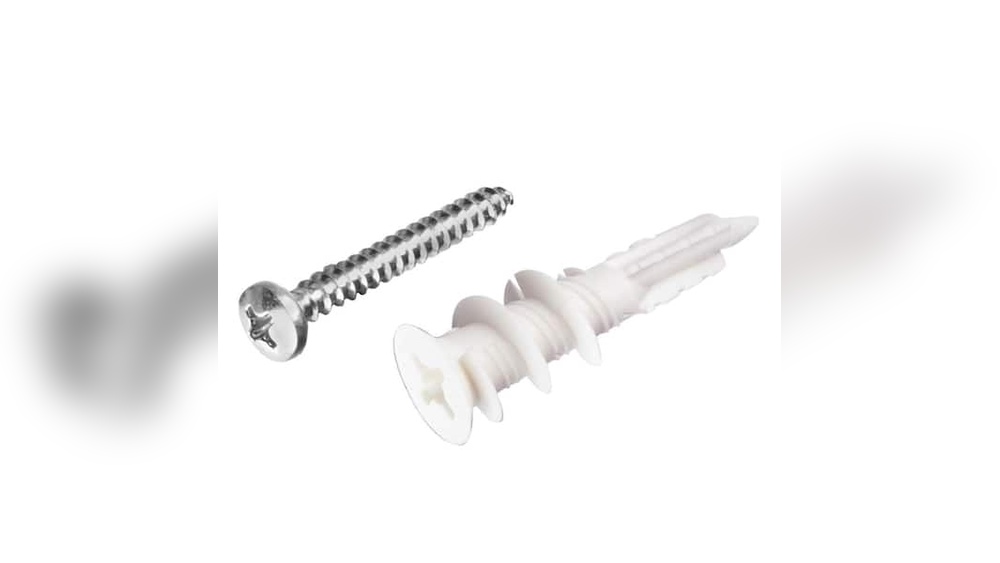
Plastic expansion anchors are common and easy to use. They work well for light items like picture frames. Self-drilling anchors screw directly into drywall without a pilot hole. These hold medium-weight items securely. Toggle bolts have wings that open behind the wall. They offer strong support for heavy objects.
Weight Capacity Considerations
Check the weight of your item before choosing an anchor. Each anchor type has a maximum weight it can hold safely. Light anchors support up to 20 pounds. Medium anchors handle between 20 and 50 pounds. Heavy-duty anchors can hold over 50 pounds. Choosing an anchor with enough strength prevents accidents.
Anchor Material Options
Plastic anchors are affordable and simple but less strong. Metal anchors provide better strength and durability. Steel toggle bolts offer excellent support for heavy loads. Nylon anchors combine flexibility with good holding power. Consider the environment, like moisture, which affects material choice.

Credit: www.wikihow.com
Gathering Necessary Tools
Gathering the right tools is the first step to hang items securely on drywall. Having all tools ready makes the process smooth and safe. Use tools that fit the job for best results.
Drill And Drill Bits
A drill helps make holes in drywall for anchors. Choose drill bits that match the anchor size. This ensures a snug fit and strong hold.
Screwdrivers And Screws
Screwdrivers turn screws into anchors to hold items. Use a screwdriver that fits your screws well. Select screws that work with your drywall anchors.
Measuring And Marking Tools
Measuring tools help place anchors at the right spot. Use a tape measure or ruler for accuracy. Mark spots lightly with a pencil before drilling.
Preparing The Wall
Preparing the wall is the first step to hang items securely using drywall anchors. It ensures that the anchors hold well and the wall stays safe. Careful preparation prevents damage and keeps your hanging strong. Follow clear steps to make the process easy and safe.
Locating Studs And Avoiding Obstacles
Find the studs behind the drywall using a stud finder. Studs are wooden beams that support the wall. Anchors work best in drywall, not over studs. Avoid wiring and pipes hidden inside the wall. Use a wire detector to check for electrical wires.
Marking Anchor Positions
Mark the exact spots where you want to place the anchors. Use a pencil to make light marks on the wall. Measure carefully to keep the marks level and spaced correctly. Good marking helps drill holes in the right places.
Drilling Pilot Holes
Drill small pilot holes on your marks before inserting anchors. Use a drill bit that fits the anchor size. Drill slowly and straight to avoid cracking the drywall. Pilot holes make it easier to insert anchors and keep them secure.
Installing Drywall Anchors
Drywall anchors help hold heavy items on walls safely. They spread the weight over a larger area of the drywall. This prevents damage and keeps your items secure.
Different types of anchors work best for different weights and wall types. Choose the right anchor for your project. Below are three common types and how to install them.
Inserting Plastic Expansion Anchors
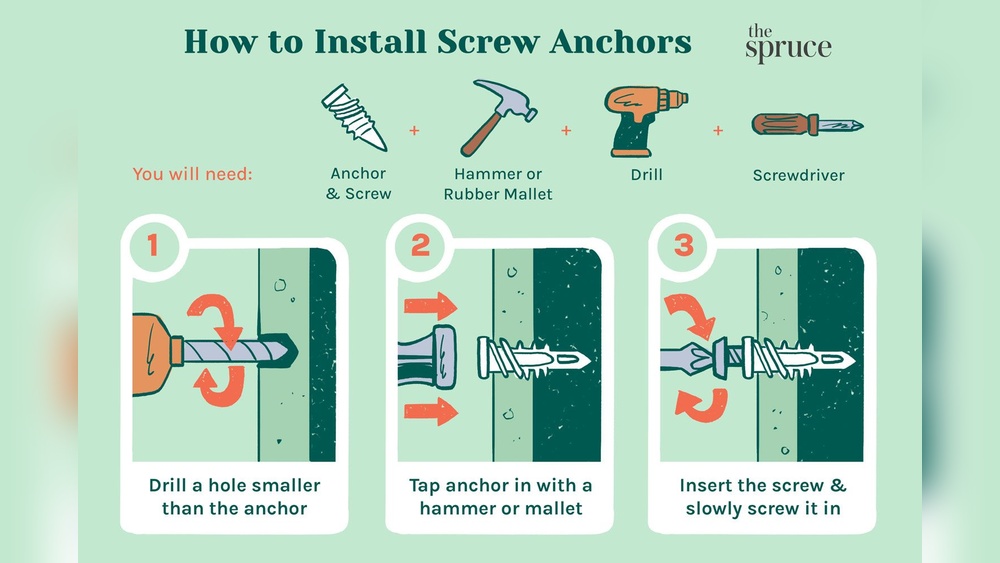
Plastic expansion anchors are easy to use and good for light loads. Start by drilling a small hole in the drywall. The hole should match the anchor’s size. Push the plastic anchor into the hole until it is flush with the wall. Then, screw your item’s screw into the anchor. The anchor will expand inside the wall, holding tight.
Using Toggle Bolts
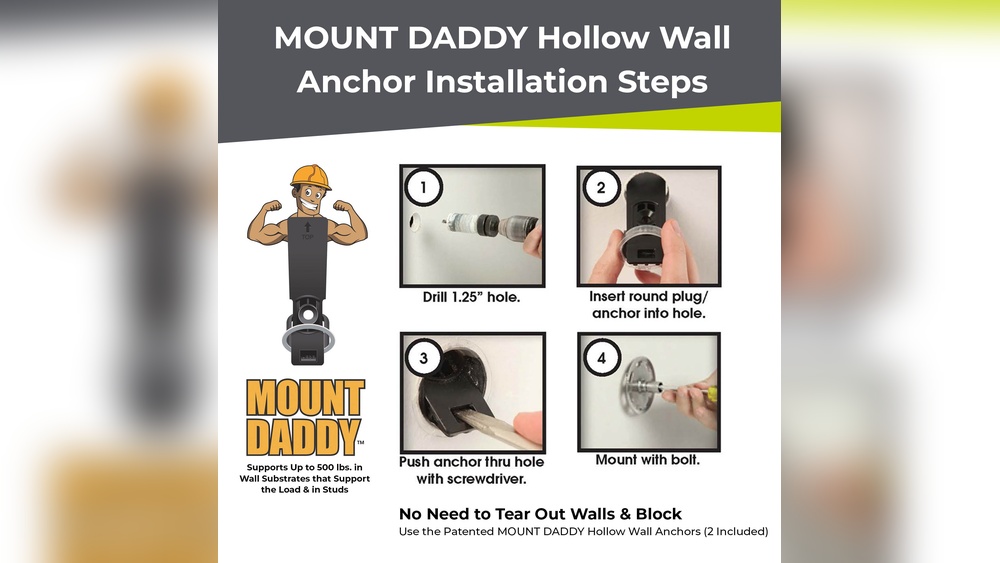
Toggle bolts work well for heavy items. Drill a hole large enough for the folded toggle to fit through. Thread the bolt through your item’s mounting hole, then attach the toggle. Push the toggle through the drywall hole. It will open inside the wall. Tighten the bolt to pull the toggle against the inside of the drywall. This creates a strong hold.
Installing Molly Bolts
Molly bolts provide strong support for medium to heavy loads. Drill a hole matching the bolt’s size. Insert the molly bolt into the hole. Use a screwdriver to tighten the screw. This pulls the sleeve tight behind the drywall. The sleeve expands and grips the wall firmly. Remove the screw to hang your item, then replace the screw.
Hanging Your Items
Hanging your items on drywall anchors is simple with the right steps. Proper hanging keeps your items secure and your walls damage-free. Follow these key points to hang items safely and steadily.
Choosing The Right Screws
Select screws that match your drywall anchors. The screw size should fit the anchor’s hole perfectly. Use screws made of strong metal to hold weight well. Avoid screws that are too long or too short.
Securing Items Firmly
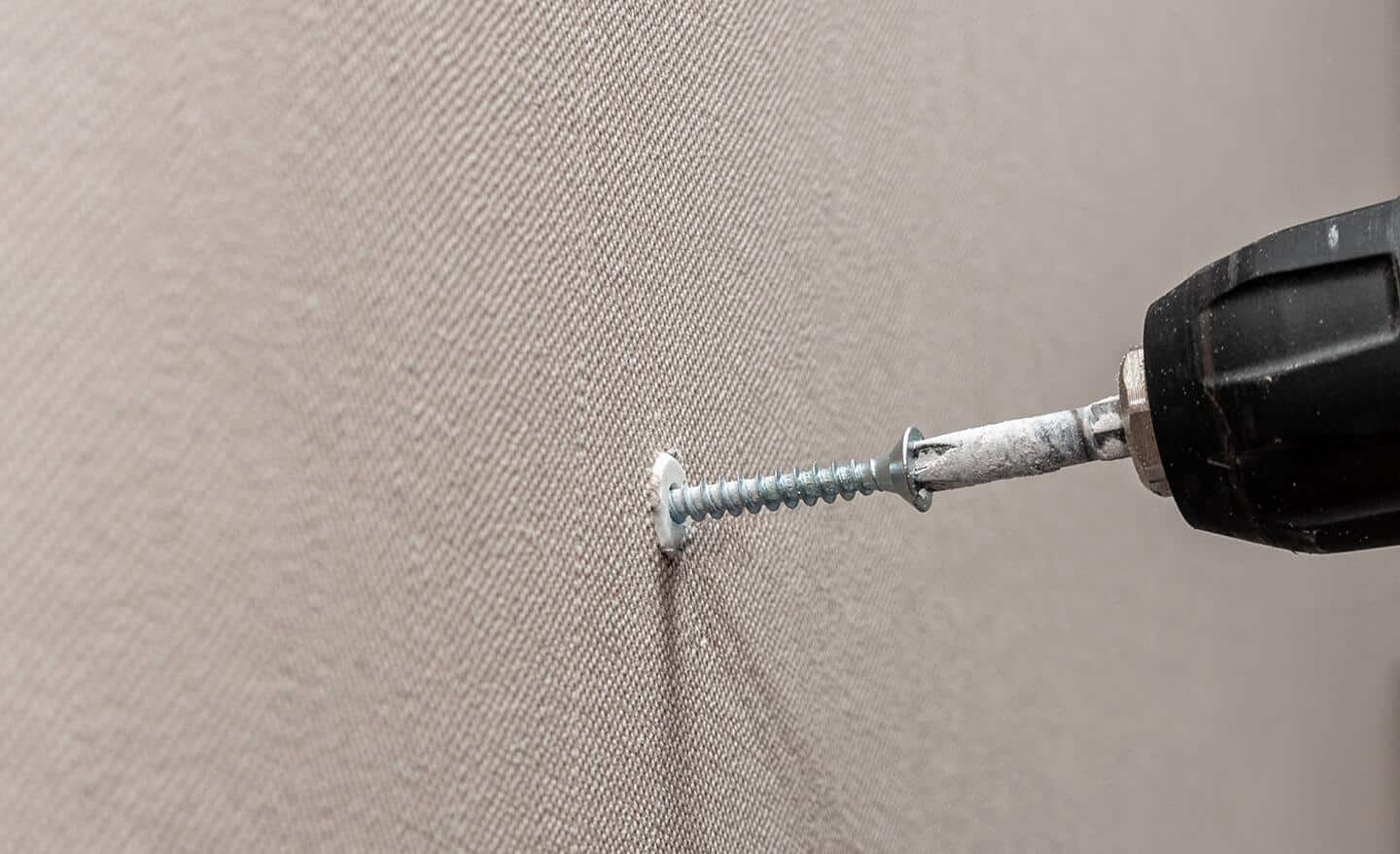
Place the screw through your item’s hanging hole. Twist it slowly into the drywall anchor until tight. Do not overtighten to avoid damaging the wall. Make sure the item sits flush against the wall.
Checking Stability And Adjustments
Gently pull on the item to test its hold. If it feels loose, tighten the screw a little more. Adjust the item’s position for level and balance. Double-check after a few days for any movement.
Credit: www.homedepot.com
Troubleshooting Common Issues
Drywall anchors help hang items safely on walls. Sometimes issues occur during installation. These problems affect the anchor’s hold and wall condition. Fixing these issues saves time and prevents damage.
Below are common problems and ways to solve them. Understanding these troubles makes hanging easier and more secure.
Anchors Spinning In The Wall
Anchors spin if the hole is too big. The anchor loses grip and moves freely. To stop spinning, use a smaller drill bit. Another option: try a different anchor type, like toggle bolts.
Push the anchor firmly and avoid over-drilling. If spinning continues, remove the anchor and fill the hole. Let the filler dry before re-drilling.
Cracked Drywall Around Anchors
Cracks appear when anchors are forced or walls are weak. Use anchors designed for drywall to reduce cracking. Drill a hole just big enough for the anchor.
Do not overtighten screws. Tightening slowly helps prevent pressure on drywall. For large cracks, patch the wall before hanging again.
Items Not Holding Securely
Items fall if anchors don’t hold weight. Check anchor weight limits before use. Use stronger anchors or find wall studs for heavy items.
Ensure screws fit anchors well. Loose screws cause weak hold. Tighten screws until firm, but do not strip the anchor.
Tips For Heavy Or Oddly Shaped Items
Hanging heavy or oddly shaped items on drywall requires extra care. These items put more stress on anchors and walls. Proper techniques help avoid damage and keep your items secure. Here are key tips to handle these challenges safely and effectively.
Using Multiple Anchors
Use more than one anchor for heavy items. Spread the weight across several points. This reduces pressure on each anchor. It also keeps the item stable and balanced. Mark and drill holes evenly spaced to hold the weight well.
Distributing Weight Evenly
Place anchors where the item’s weight is highest. Balance the load to prevent pulling on one side. Check the item’s shape to find strong spots. Adjust anchor positions to keep the item level and secure.
Alternative Hanging Methods
Consider other options like wall studs or French cleats. Studs offer stronger support than drywall alone. French cleats spread weight across a wider area. Use these methods for very heavy or oddly shaped pieces.

Credit: www.picturehangsolutions.com
Frequently Asked Questions
What Are Drywall Anchors Used For?
Drywall anchors provide extra support for hanging items on drywall. They prevent damage and hold heavier objects securely.
How Do I Install Drywall Anchors Correctly?
Drill a pilot hole, insert the anchor flush with the wall, then screw in the fastener tightly.
Can Drywall Anchors Hold Heavy Objects?
Yes, some drywall anchors support heavy items. Choose the right type based on your item’s weight.
What Types Of Drywall Anchors Are Best?
Plastic expansion anchors suit light loads. Metal or toggle anchors work better for heavier items.
Conclusion
Drywall anchors make hanging items on walls simple and safe. Choose the right anchor for your wall and item weight. Drill carefully and insert the anchor properly. Screw in hooks or screws to hold your object firmly. Take your time to avoid mistakes and damage.
With these easy steps, your wall will stay strong and secure. Now, you can hang pictures, shelves, or decorations with confidence. Give your space a fresh look without worry. Drywall anchors help you do the job right every time.