Are you tired of your pictures, shelves, or decorations falling off your walls? Putting anchors in drywall is the secret to making sure your items stay secure and your walls stay damage-free.
But if you’re not sure how to do it right, it can feel tricky and even frustrating. Don’t worry—this guide will walk you through simple, step-by-step instructions that anyone can follow. By the end, you’ll have the confidence to hang anything safely and perfectly on your walls.
Ready to get started? Let’s dive in!

Credit: www.picturehangsolutions.com
Types Of Drywall Anchors
Drywall anchors hold screws tightly in drywall. They stop screws from pulling out. Different anchors suit different weights and uses. Knowing types helps pick the right one. This keeps your items safe and walls intact.
Plastic Expansion Anchors
Plastic expansion anchors are common and easy to use. Insert them in a drilled hole. The screw pushes the anchor open inside the wall. This creates a tight fit. Best for light items like picture frames.
Self-drilling Anchors
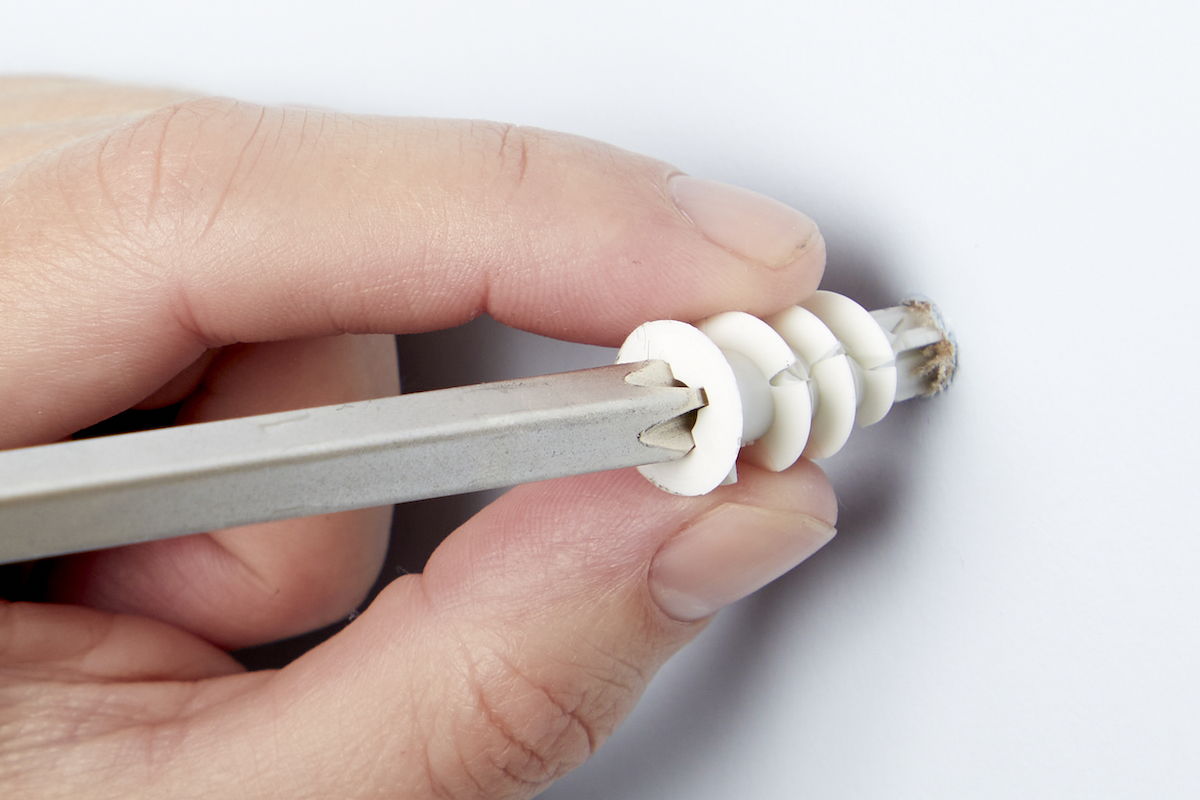
Self-drilling anchors do not need a pre-drilled hole. You twist them directly into the drywall. The sharp tip cuts into the wall. They hold medium-weight items well. Good for shelves and small cabinets.
Toggle Bolts
Toggle bolts have wings that open behind the wall. Insert the folded wings through a drilled hole. The wings spread out to hold heavy weight. Great for hanging heavy mirrors or large shelves. Requires a bigger hole than other anchors.
Molly Bolts
Molly bolts expand inside the wall when tightened. Insert them into a drilled hole first. Tighten the screw to spread the anchor’s legs. It locks firmly inside the drywall. Suitable for medium to heavy items.
Tools Needed For Installation
Before putting anchors in drywall, gather the right tools. The right tools make the job easier and safer. Each tool has a specific role in the installation process. Knowing what to use helps you avoid mistakes and saves time.
Drill And Drill Bits
A drill helps create holes for anchors in the drywall. Use drill bits that match the anchor size. A proper hole ensures the anchor fits tightly. A cordless drill is easy to handle and moves freely.
Screwdriver
A screwdriver drives screws into the anchors. Choose a screwdriver with the right head type, like Phillips or flat. This prevents slipping and damage to the screw or drywall. Manual or electric screwdrivers both work well.
Level
A level checks if your installation is straight. It prevents slanting or uneven mounting. Use a small bubble level or a laser level for accuracy. This tool is key for hanging shelves or frames neatly.
Measuring Tape
Measuring tape helps mark exact spots for anchors. Accurate measurements avoid misplaced holes. Use a tape with clear, easy-to-read numbers. Mark points lightly with a pencil before drilling.
Preparing The Wall
Preparing the wall is a key step before placing anchors in drywall. It ensures the anchor holds well and the wall stays safe. Proper preparation helps avoid damage and makes the job easier.
Marking The Spot
Start by choosing the exact spot for your anchor. Use a pencil to mark the wall lightly. Measure twice to be sure. This prevents mistakes and saves time.
Checking For Studs
Studs are wooden beams behind drywall. They offer strong support. Use a stud finder tool to locate them. Mark stud positions clearly. Avoid drilling directly on studs if using anchors made for drywall only.
Avoiding Wiring And Pipes
Wires and pipes run inside walls. Drilling into them can cause serious damage. Use a wire detector to check for hidden cables. Avoid areas near switches, outlets, and plumbing fixtures. Safety first, always.

Credit: www.wikihow.com
Step-by-step Anchor Installation
Installing anchors in drywall is easy if you follow clear steps. Anchors give strong support for hanging items safely. Each step is important to ensure the anchor holds well and does not damage the wall. The process includes drilling, inserting, securing, and attaching the mount.
Drilling The Hole
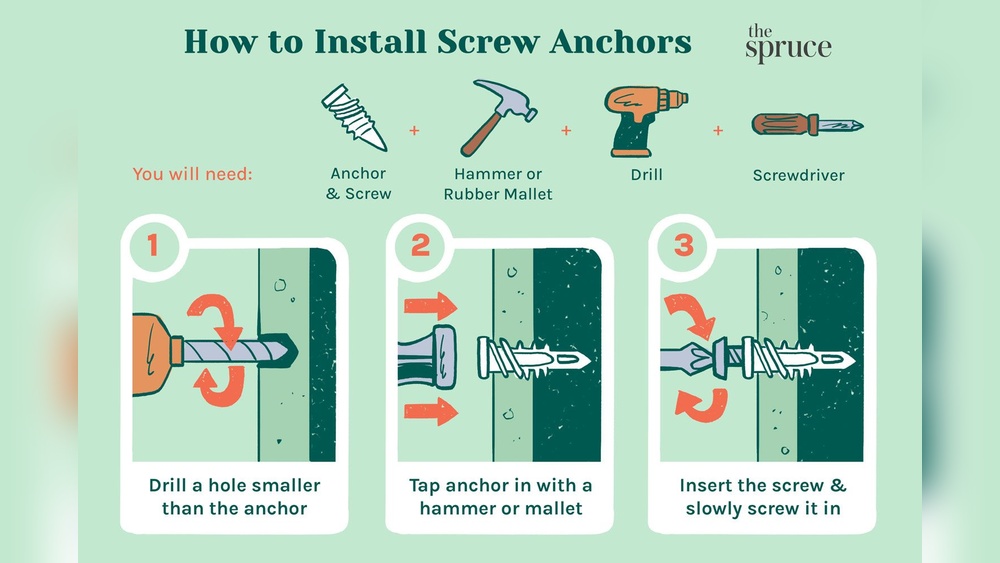
Start by choosing the right drill bit size for your anchor. Mark the spot on the drywall where you want to place the anchor. Hold the drill steady and drill straight into the wall. Drill only as deep as the anchor length. Clean any dust or debris from the hole.
Inserting The Anchor
Take your anchor and gently push it into the drilled hole. Use your thumb or a small hammer to tap it in if needed. The anchor should fit snugly and sit flush with the wall surface. Avoid forcing it, as this can damage the drywall.
Securing The Anchor
Use a screwdriver to turn the anchor screw into the anchor body. This expands the anchor behind the drywall, locking it in place. Turn the screw slowly and stop when it feels tight. Do not overtighten, as this can crack the drywall or strip the anchor.
Attaching The Mount
Place the item or mount on the wall, aligning it with the anchor screw. Insert the mounting screw through the object’s hole and screw it into the anchor. Tighten the screw until the mount feels secure and stable. Check that the item hangs straight and firmly.
Tips For Stronger Mounting
Strong mounting is key to keeping items safe on drywall. Proper tips help your anchors hold better. This prevents damage and keeps things steady. Follow these easy tips for stronger drywall mounting.
Choosing The Right Anchor Size
Pick an anchor that matches the weight of your item. Small anchors hold light items like picture frames. Larger anchors support heavier things such as shelves or mirrors. Using the correct size stops the anchor from pulling out. Check the package for weight limits. Choose one that fits your needs well.
Using Multiple Anchors
Use more than one anchor for heavy or wide items. Spread the weight evenly across several anchors. This lowers stress on each anchor point. It also helps keep your item level and stable. Mark where each anchor will go before drilling. This makes sure your item stays secure.
Weight Limits And Safety
Never exceed the anchor’s weight limit. Overloading can cause anchors to fail and fall. This can harm your walls and belongings. Check the weight rating on every anchor package. Choose anchors that have a higher limit than your item’s weight. Always be safe and protect your walls.
Credit: www.bobvila.com
Common Mistakes To Avoid
Putting anchors in drywall looks simple but often goes wrong. Many common mistakes reduce the strength and safety of your mounted items. Avoiding these errors helps your project last longer and stay secure.
Overdrilling The Hole
Drilling a hole too big weakens the anchor’s grip. The anchor will not fit tightly, causing it to fall out. Use the right drill bit size to match the anchor. Drill slowly and stop as soon as the hole is ready.
Using Wrong Anchor Types
Drywall anchors come in many types for different weights and uses. Using the wrong type risks damage or failure. For heavy items, choose a strong anchor like a toggle bolt. Light anchors work only for small, light objects.
Ignoring Wall Condition
Drywall condition affects anchor strength. Old, cracked, or damp walls cannot hold anchors well. Check your wall before drilling. Fix any damage or use special anchors for weak drywall.
Frequently Asked Questions
What Types Of Anchors Work Best In Drywall?
Plastic expansion anchors, toggle bolts, and molly bolts work best in drywall. Choose based on weight and wall thickness. Plastic anchors suit light loads, toggle bolts handle heavier items, and molly bolts provide strong, reliable support for medium weights.
How Do I Install Drywall Anchors Safely?
To install safely, mark the spot, drill a pilot hole, then insert the anchor firmly. Avoid over-tightening screws to prevent wall damage. Use appropriate anchors for the load to ensure secure mounting and prevent accidents.
Can Drywall Anchors Hold Heavy Objects Securely?
Yes, certain drywall anchors like toggle bolts can hold heavy objects securely. Ensure you select anchors rated for the weight. Proper installation is key to maintaining wall integrity and safely supporting heavy items.
Should I Pre-drill Holes For Drywall Anchors?
Pre-drilling holes is recommended for most drywall anchors. It helps prevent wall damage and ensures the anchor fits snugly. Use a drill bit matching the anchor size for best results and easier installation.
Conclusion
Putting anchors in drywall is simple with the right steps. Choose the correct anchor for your wall and weight needs. Drill a hole, insert the anchor, then screw in your item. Take your time and be careful to avoid damage.
With practice, this task becomes quick and easy. Now, your wall can hold shelves, pictures, or hooks firmly. Try it yourself and see the difference it makes. Drywall anchors make hanging items safer and stronger. Keep these tips in mind for your next project.