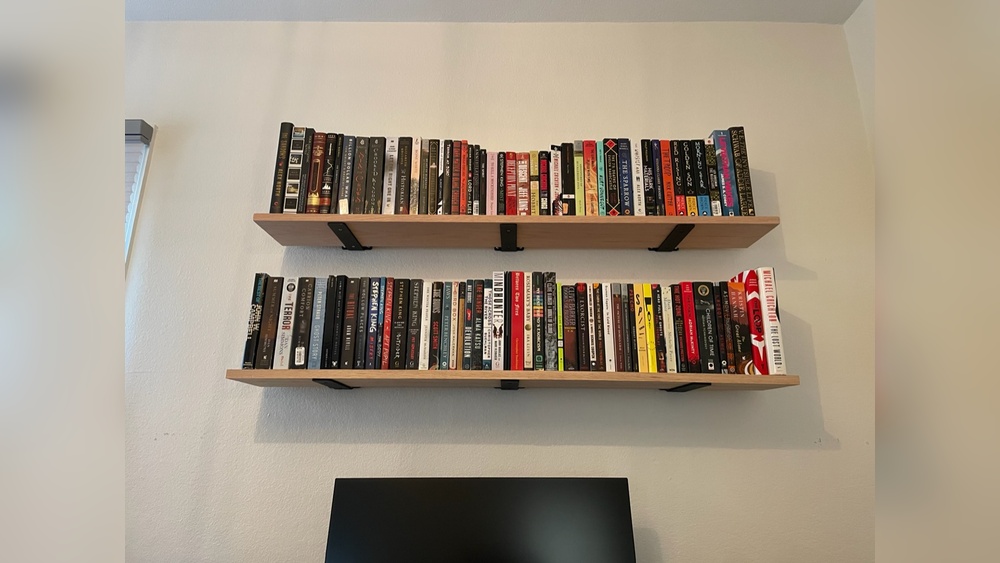
Are you worried that your bookshelf might tip over or damage your plaster wall? Anchoring a bookshelf securely is essential for keeping your space safe and your books organized.
But plaster walls can be tricky to work with, and using the wrong method could cause cracks or even make your shelf fall. In this guide, you’ll discover simple, effective steps to anchor your bookshelf safely and confidently. By the end, you’ll have the knowledge to protect both your wall and your belongings—so keep reading to find out how!

Credit: diy.stackexchange.com
Tools And Materials Needed
Anchoring a bookshelf to a plaster wall requires the right tools and materials. Using proper equipment ensures safety and stability. You will avoid damage to the wall and keep your bookshelf secure.
Gather all necessary items before starting the project. This preparation makes the job faster and easier. Below are the essential tools and the best types of anchors for plaster walls.
Essential Tools
- Drill with a masonry bit
- Screwdriver or drill driver
- Stud finder
- Level
- Measuring tape
- Hammer
- Wall anchors and screws
- Pencil for marking
- Protective goggles
Anchor Types For Plaster Walls
Plaster walls are fragile and need special anchors. Plastic expansion anchors work for light loads. They expand inside the hole to hold the screw tight.
Molly bolts are strong and good for medium weight. They spread inside the wall for a firm grip. Toggle bolts hold heavy shelves well. They open behind the wall for maximum support.
Choose anchors based on the shelf weight and wall condition. Using the right anchor keeps your bookshelf steady and safe.

Credit: www.reddit.com
Preparing The Wall And Bookshelf
Preparing the wall and bookshelf is the first step to secure your shelf safely. Careful preparation avoids damage and keeps the shelf steady. Follow simple steps to find the right spots on the wall and get your shelf ready.
Proper preparation helps prevent accidents and protects your belongings. It also makes installation faster and easier.
Locating Studs
Studs are wooden beams behind the plaster wall. They hold the weight of heavy objects like bookshelves. Use a stud finder to locate these beams. Move the finder slowly across the wall. Mark the spots where the device beeps or lights up. These marks show where the studs are. Avoid hanging the shelf only on plaster. It may crack or fall.
Measuring And Marking
Measure the bookshelf width and height before mounting. Decide the shelf’s height on the wall. Use a pencil to mark the wall where the screws will go. Match these marks with the stud locations. Measure the distance between the shelf’s mounting holes. Transfer these measurements to the wall. Check the marks twice to ensure accuracy. Correct marks make installation smooth and secure.
Choosing The Right Anchor
Choosing the right anchor is crucial for securing a bookshelf to a plaster wall. The wrong anchor may fail to hold the weight, causing damage or accidents. Different anchors work better with certain wall types and weights. Knowing which anchor to use helps ensure safety and stability.
Toggle Bolts
Toggle bolts are strong anchors ideal for heavy loads. They have metal wings that open inside the wall. This spreads the weight over a larger area. Perfect for thick plaster walls with hollow spaces behind. Installation requires a larger hole but offers solid support.
Molly Bolts
Molly bolts are metal anchors that expand inside the wall. They work well on plaster and drywall. Once tightened, they create a strong hold. Suitable for medium to heavy shelves. They also help prevent wall damage from too much pressure.
Plastic Anchors
Plastic anchors are best for light to medium loads. Easy to install with a simple drill hole. They expand slightly when screws go in. Good for small bookshelves or decorative pieces. Not recommended for very heavy items or unstable walls.

Credit: space-plug.com
Step-by-step Anchoring Process
Anchoring a bookshelf to a plaster wall keeps it safe and steady. This process stops the shelf from tipping over or causing damage. Follow these clear steps to secure your bookshelf properly. Each step is simple and important for a strong hold.
Drilling Pilot Holes
Start by marking where you want to place the anchors. Use a pencil and a level to keep marks straight. Choose a drill bit smaller than the anchor size. Drill pilot holes carefully at the marked points. Drill slowly to avoid cracking the plaster. Clear dust from the holes before moving on.
Installing Anchors
Select anchors made for plaster walls, like toggle or molly bolts. Push the anchor gently into the pilot hole. Tap lightly with a hammer if needed. Make sure the anchor sits flush with the wall. The anchor should fit tight and not wiggle. This ensures a strong grip inside the wall.
Securing The Bookshelf
Place the bookshelf against the wall, aligning holes with anchors. Insert screws through the bookshelf brackets into anchors. Tighten screws with a screwdriver or drill until snug. Do not overtighten to avoid wall damage. Check the shelf for stability by gently pushing it. Adjust screws if the shelf feels loose.
Safety Tips And Best Practices
Anchoring a bookshelf to a plaster wall requires care and the right approach. Safety is the top priority to avoid accidents and damage. Follow these tips and best practices for a secure and safe setup.
Avoiding Wall Damage
Use a stud finder to locate wooden studs behind the plaster. Anchoring into studs gives the strongest hold. Avoid drilling into electrical wires or plumbing. Use a small test drill to check the wall before making big holes. Always use wall anchors designed for plaster walls. These spread the load and prevent cracks. Avoid heavy shelves on thin plaster walls without proper support.
Ensuring Stability
Choose screws and anchors rated for the shelf’s weight. Secure the bookshelf at multiple points along the wall. Tighten screws firmly but do not over-tighten to avoid cracking plaster. Check the shelf’s level before final tightening. Test the shelf’s stability by gently applying pressure. Use brackets or straps for extra support on tall or heavy shelves. Regularly inspect the anchors and screws for any loosening or damage.
Troubleshooting Common Issues
Anchoring a bookshelf to a plaster wall can be tricky. Problems might appear even after careful installation. Knowing how to fix common issues saves time and effort. This section covers two frequent problems: loose anchors and cracks in plaster. Each issue has easy solutions to keep your bookshelf safe and steady.
Loose Anchors
Loose anchors cause the bookshelf to wobble or fall. This happens when anchors do not grip the plaster tightly. Check if the anchor spins or moves in the hole.
To fix this, remove the anchor and use a larger one. Choose anchors made for plaster walls. Another option is to fill the hole with wood glue or epoxy before reinserting the anchor. Let the glue dry fully. This strengthens the hold and prevents movement.
Use screws that fit the anchors well. Too small screws loosen easily. Tighten screws gently to avoid breaking the plaster.
Cracks In Plaster
Cracks near the anchor weaken the wall’s support. They form from pressure or poor installation. Inspect the plaster around the anchor for small or large cracks.
Repair cracks before anchoring again. Use plaster patch or joint compound. Apply it smoothly and let it dry completely. Sand the area for a flat surface.
After repair, drill a new hole away from the crack. Use an anchor designed for cracked plaster. This reduces stress and keeps the shelf stable.
Frequently Asked Questions
How Do You Find Studs Behind Plaster Walls?
Use a stud finder or knock to locate solid sounds. Studs are typically 16-24 inches apart. Mark these points for secure anchoring of your bookshelf.
What Anchors Work Best For Plaster Walls?
Toggle bolts and molly bolts provide strong support in plaster. They expand behind the wall, distributing weight evenly for heavy items like bookshelves.
Can I Anchor A Bookshelf Without Studs?
Yes, use heavy-duty wall anchors designed for plaster. However, anchoring into studs offers better stability and reduces risk of wall damage.
How Much Weight Can A Plaster Wall Support?
Weight capacity varies by anchor type and wall condition. Generally, properly anchored shelves can hold 50-100 pounds safely on plaster walls.
Conclusion
Anchoring a bookshelf to a plaster wall keeps it safe and steady. Use the right tools and follow steps carefully. Check the wall for studs or use proper anchors. Tighten screws just enough to hold firm. This prevents accidents and protects your books and wall.
Small effort now saves big trouble later. Enjoy your secure bookshelf with peace of mind.


