Are you worried about your loft bed tipping or wobbling? Anchoring your loft bed to the wall is the best way to keep it steady and safe.
Whether you have kids climbing up or just want extra peace of mind, securing your bed properly can make a big difference. In this guide, you’ll learn simple, step-by-step tips to anchor your loft bed quickly and effectively. Keep reading to discover how you can protect your space and sleep soundly every night.

Credit: www.reddit.com
Choosing The Right Loft Bed
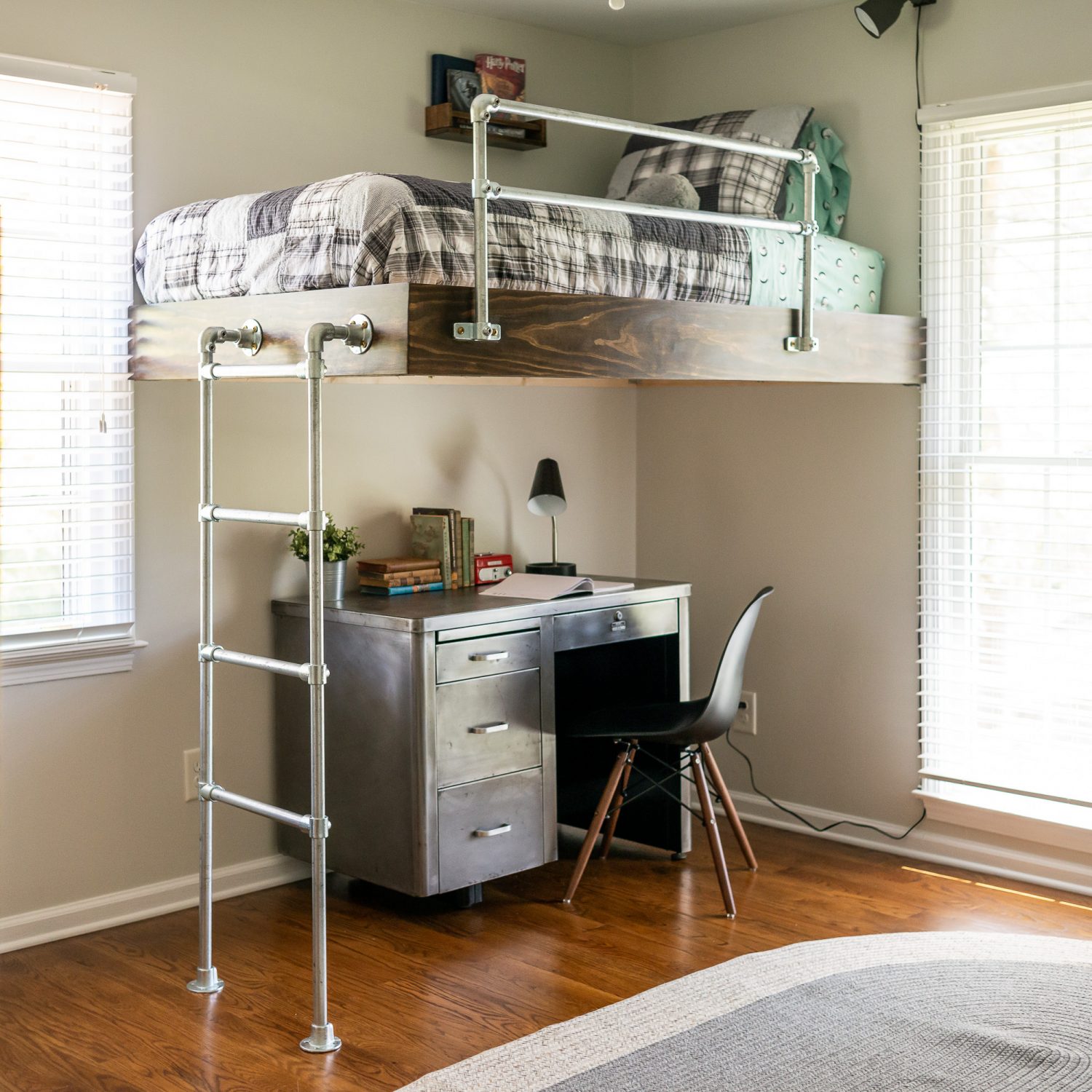
Choosing the right loft bed is the first step to a safe and stable setup. The bed must fit your room and meet your needs. Consider the materials, design, and how much weight it can hold. Also, check if your wall can support the bed before you anchor it.
Materials And Design
Look for loft beds made from strong materials like solid wood or metal. These materials hold up well over time. A sturdy frame reduces the risk of wobbling or breaking. The design should allow easy wall attachment. Beds with flat surfaces on the frame work best. Avoid beds with complicated shapes that don’t fit flush against the wall.
Weight Capacity
Check the weight limit of the loft bed. It must support the sleeper and any items placed on it. Overloading the bed can cause accidents. Choose a bed with a higher weight capacity than you need. This adds safety and durability. Weight capacity is usually listed in the product details.
Wall Compatibility
Not all walls can hold a loft bed safely. Solid walls like concrete or brick are ideal. Drywall alone may not support the bed without anchors into studs. Use a stud finder to locate strong points in the wall. Match the bed’s anchoring system to your wall type. Proper wall compatibility ensures the bed stays secure.
Credit: www.reddit.com
Tools And Materials Needed
Before anchoring your loft bed to the wall, gather all necessary tools and materials. Having everything ready makes the job faster and safer. This section lists the key items you need.
Anchoring Hardware
Select strong anchors made for your wall type. Common options include toggle bolts, lag bolts, and wall brackets. Use screws long enough to hold the bed frame firmly. Choose anchors that fit the bed’s metal or wood frame.
Power Tools
A drill with the right drill bits is essential. Use a screwdriver bit to drive screws quickly. A stud finder helps locate wall studs for secure anchoring. A level ensures the bed stays straight and balanced.
Safety Gear
Wear safety glasses to protect your eyes from dust and debris. Use gloves to avoid splinters and sharp edges. Hearing protection is helpful when drilling into hard surfaces. Always keep a first aid kit nearby.
Locating Wall Studs
Locating wall studs is a key step to safely anchor a loft bed. Studs are the wooden beams behind drywall that hold weight. Anchoring into studs gives strong support and stops the bed from wobbling or falling. This process needs care to find the right spots on the wall. The following tips help you find studs and mark safe anchor points.
Using A Stud Finder
A stud finder is a tool that scans the wall for studs. Hold it flat against the wall. Slowly move it horizontally. The device shows a signal or light when it detects a stud. Mark the spot with a pencil. Check twice to be sure. Some stud finders also detect wires or pipes inside walls. Use a reliable model for safety.
Marking Anchor Points
Once you find a stud, mark it clearly. Use a pencil to make small marks at the stud edges. Measure the height where the loft bed will attach. Mark those points on the stud. These are your anchor spots. Marking helps drill holes straight and secure screws tightly. Double-check the marks before drilling.
Avoiding Hazards
Studs hide behind drywall but so do wires and pipes. Avoid drilling near electrical wires or plumbing. Use a stud finder with wire detection if possible. Turn off power to the room for safety. Tap the wall gently to listen for hollow or solid sounds. Stay clear of switches and outlets. Safety first keeps your project smooth and safe.
Preparing The Loft Bed Frame
Preparing the loft bed frame is an important step before anchoring it to the wall. This ensures the bed stays stable and safe. Taking time to prepare the frame helps avoid damage to the wall and bed later. Follow these simple steps for a strong, secure setup.
Cleaning Contact Surfaces
Start by cleaning the surfaces where the bed will touch the wall. Dirt and dust can stop the bed from sitting flush. Use a damp cloth to wipe the bed frame and wall area. Let everything dry completely before moving on. Clean surfaces help the anchors hold better.
Pre-drilling Holes
Mark the spots on the bed frame for the screws. Use a pencil to make small marks where holes will go. Pre-drill holes using a drill bit that fits the screws. This prevents the wood from splitting. Drilling first makes screwing easier and the bed stronger.
Positioning The Bed
Move the bed close to the wall carefully. Check that the bed is level and even. Use a level tool or measure to confirm this. The bed should be tight against the wall but not forcing it. Proper positioning helps the bed stay firm and safe.
Installing Wall Anchors
Installing wall anchors is key to securing a loft bed safely. Anchors hold the bed frame firmly to the wall. This prevents wobbling and accidents. Choosing the right anchor and installing it well ensures stability. Follow clear steps for best results.
Types Of Anchors
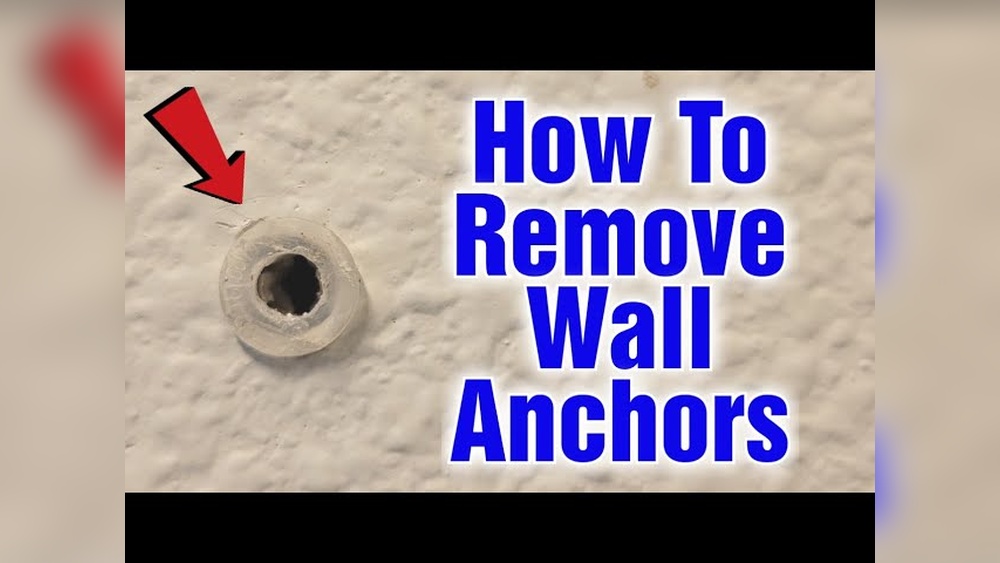
Several anchors work well for loft beds. Toggle bolts are strong for drywall. They spread weight over a large area. Plastic expansion anchors suit light loads. Metal molly bolts expand behind the wall for firm grip. Choose anchors based on wall type and bed weight.
Proper Installation Techniques
Start by marking the exact spot on the wall. Drill a hole matching anchor size. Insert the anchor fully into the hole. Tighten screws slowly to avoid damage. Use a level to keep the bed straight. Check the anchor fits snugly before mounting.
Ensuring Secure Attachment
Test the anchor by gently pulling on the bed frame. Tighten screws more if there is movement. Use multiple anchors along the bed for balance. Inspect anchors regularly for wear or looseness. Secure attachment prevents accidents and keeps the loft bed safe.
Securing The Loft Bed To The Wall
Securing the loft bed to the wall is essential for safety and stability. It stops the bed from moving or tipping over. Proper anchoring protects both the sleeper and the room. Follow these steps to anchor your loft bed firmly and safely.
Aligning The Bed Frame
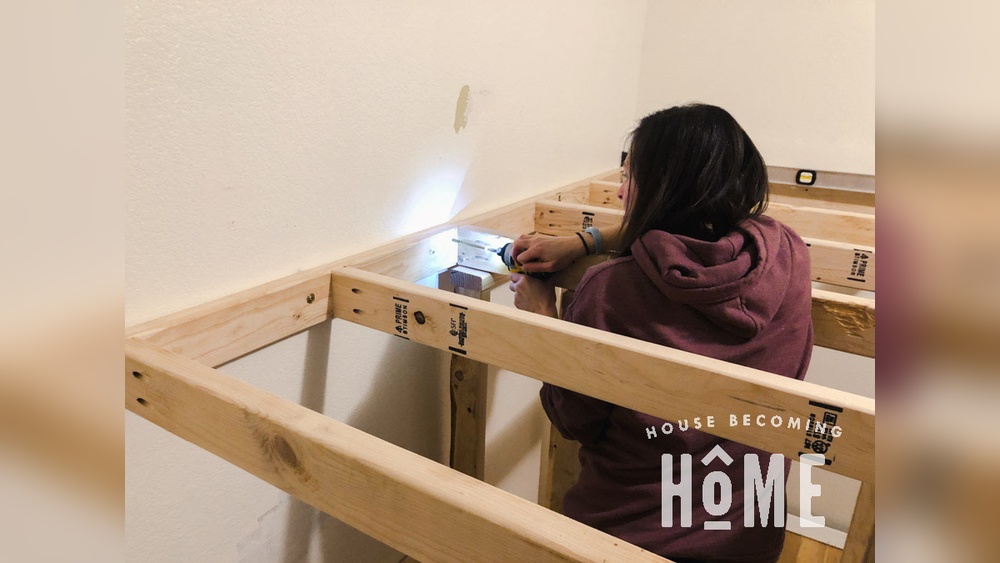
Place the bed frame against the wall where you want it. Check that the frame sits flat and straight. Use a level tool to ensure perfect alignment. Mark the points on the wall where the frame touches. These marks guide where to fix the bed securely.
Fastening With Screws Or Brackets
Choose strong screws or metal brackets for fastening. Drill holes into the wall at the marked points. Attach brackets to both the bed frame and the wall. Tighten screws until the frame feels firm and steady. Use wall anchors if drilling into drywall for extra support.
Double-checking Stability
After fastening, test the bed for any movement. Push gently on different sides to check stability. Tighten screws more if you find any looseness. Ensure the bed does not wobble or shift. A secure loft bed gives peace of mind and safety.
Safety Checks And Maintenance
Safety checks and regular maintenance keep your loft bed stable and secure. These steps prevent accidents and extend your bed’s life. Routine care helps spot problems early. Fixing small issues saves time and money later.
Regular Inspection Tips
Check the wall anchors and brackets often. Look for cracks in the wall near the mounting points. Make sure the bed frame sits flush against the wall. Test the bed for any shaking or movement. Inspect all screws and bolts for rust or damage.
Tightening Loose Connections
Use a wrench or screwdriver to tighten screws and bolts. Focus on the wall anchors and the frame joints. Tight connections keep the bed from wobbling. Avoid over-tightening, which can strip screws or damage the frame. Tighten connections every few months or after heavy use.
Addressing Wear And Tear
Look for worn or cracked wood and metal parts. Replace damaged parts to keep the bed strong. Check straps or safety rails for fraying or weakness. Sand rough edges to avoid splinters. Keep the bed clean to prevent dirt buildup around anchors.
Common Mistakes To Avoid
Anchoring a loft bed to the wall is crucial for safety and stability. Many people make avoidable mistakes that can cause accidents or damage. Knowing these common errors helps you secure the bed correctly and keep the space safe.
Ignoring Wall Type
Not all walls hold anchors the same way. Drywall, plaster, and concrete require different tools and methods. Using the wrong technique can cause the bed to fall. Always check the wall type before drilling or installing anchors.
Using Incorrect Hardware
Hardware must match the wall and bed frame. Screws that are too short or weak will fail. Avoid using nails or light screws. Choose heavy-duty bolts or anchors designed for loft beds and your wall type.
Skipping Safety Steps
Safety checks are essential before and after installation. Forgetting to measure or double-check the anchor points can lead to accidents. Always use a stud finder and test the bed’s stability before use. Do not rush this process.
Credit: www.youcanman.com
Frequently Asked Questions
How Do You Anchor A Loft Bed To The Wall Safely?
To anchor a loft bed safely, locate wall studs, use heavy-duty brackets, and secure with appropriate screws. Always double-check stability before use. This prevents tipping and enhances overall safety.
What Tools Are Needed To Anchor A Loft Bed?
You need a stud finder, drill, screwdriver, level, measuring tape, and heavy-duty brackets. These tools help ensure precise installation and a secure hold.
Can I Anchor A Loft Bed To Drywall Alone?
No, drywall alone cannot support a loft bed. Always anchor into wall studs to ensure maximum strength and prevent accidents.
How High Should The Loft Bed Be Anchored?
Anchor the loft bed bracket at the height of the bed frame’s support beams. This ensures firm and stable attachment to the wall.
Conclusion
Anchoring a loft bed to the wall keeps it safe and steady. It stops the bed from moving or tipping over. Use the right tools and follow steps carefully. Check the wall type before you start drilling. Secure the brackets tightly for strong support.
Regularly inspect the anchors to keep them firm. A well-anchored loft bed adds comfort and safety. Take your time and be patient during installation. Safety matters most when working with loft beds.