Are you about to hang something important on your wall but unsure how big to drill the hole for your wall anchor? Getting the size right is crucial.
Drill too small, and the anchor won’t fit; drill too big, and it won’t hold securely. This simple step can make all the difference between a sturdy mount and a wall disaster. Keep reading, and you’ll learn exactly how to choose the perfect hole size to ensure your wall anchor does its job perfectly every time.

Credit: www.youtube.com
Choosing The Right Anchor
Choosing the right anchor is key for a strong and safe hold in your wall. The right anchor supports the weight and fits the wall type. It keeps your items secure and prevents damage. Understanding the types, weight capacities, and material fit helps you pick well.
Types Of Wall Anchors
There are many wall anchors to choose from. Plastic expansion anchors are common for light loads. Metal anchors work well for heavier loads. Toggle bolts provide extra grip in hollow walls. Each type fits different wall materials and weights.
Anchor Weight Capacities
Check the weight limit of each anchor. Light anchors hold small pictures or decorations. Medium anchors support shelves or mirrors. Heavy-duty anchors can hold large cabinets or TVs. Choose an anchor with a capacity above your item’s weight.
Material Compatibility
Match the anchor to your wall material. Drywall needs anchors designed to expand inside the hollow space. Concrete and brick require anchors that can be drilled deep. Wood anchors work best for wooden walls or studs. The wrong anchor may not hold well.

Credit: thediyplaybook.com
Measuring Drill Hole Size
Measuring the drill hole size is key to a strong and secure wall anchor. The right hole size ensures the anchor fits well and holds weight safely. Too small a hole can crack the wall or break the anchor. Too large a hole means the anchor won’t grip properly. Understanding how to measure the drill hole size helps avoid these problems.
Anchor Diameter Vs Drill Bit Size
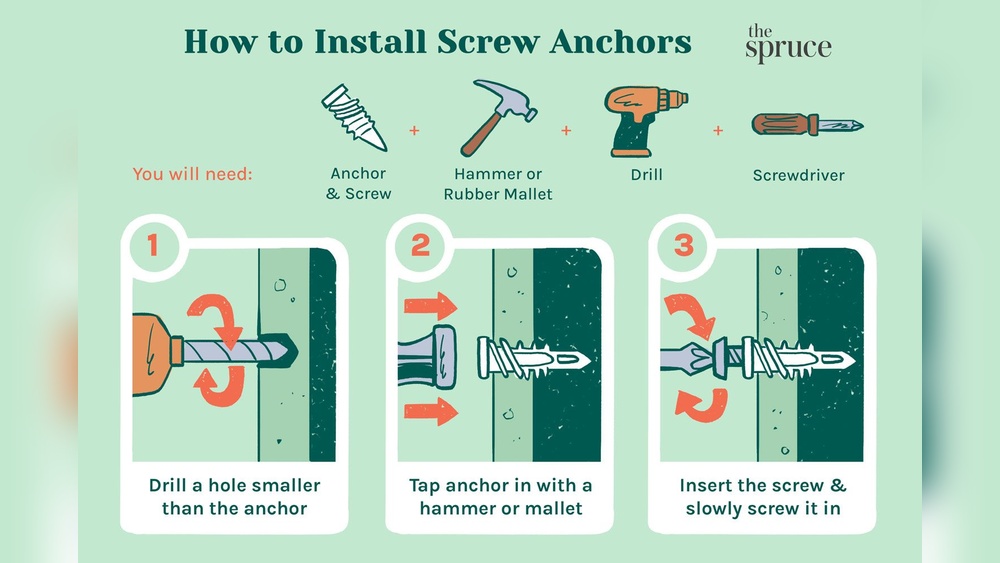
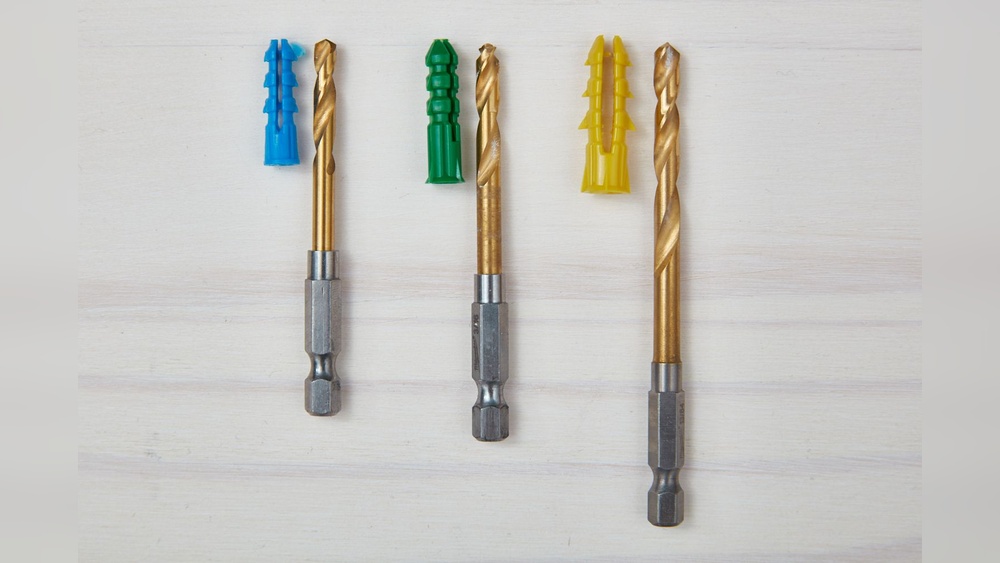
Choose a drill bit that matches the anchor diameter. The hole should be just big enough for the anchor to slide in without force. For plastic anchors, the drill bit size usually equals the anchor’s outer diameter. Metal anchors might need a slightly larger hole. Check the anchor package for exact drill size recommendations.
Adjusting For Wall Material
Wall type changes the drill bit size you need. Softer materials like drywall need a hole close to the anchor size. Hard materials like brick or concrete require a slightly bigger hole. This makes the anchor easier to insert and prevents damage. Use a masonry bit for brick or concrete walls. For drywall, a standard twist bit works best.
Depth Considerations
Drill deeper than the anchor length to allow full insertion. Leave extra space for dust and debris inside the hole. A clean hole helps the anchor grip better and last longer. Mark the drill bit with tape to control the depth. This avoids drilling too deep or too shallow for the anchor.
Drilling Techniques
Drilling holes for wall anchors needs care and the right technique. Using proper drilling methods ensures the anchor fits well and holds strong. This section explains the key steps for drilling clean and accurate holes in the wall.
Proper Drill Bit Selection
Choose a drill bit that matches the anchor size exactly. If the bit is too small, the anchor won’t fit. If too large, the anchor will be loose and weak. Use masonry bits for concrete or brick walls. For drywall, a standard twist bit works best. Check the anchor package for recommended drill bit sizes.
Drilling Straight And Clean Holes
Hold the drill steady and perpendicular to the wall. Drilling at an angle can make the hole uneven. Start with a small pilot hole if needed. Drill slowly and do not push too hard. Let the drill do the work. Clear dust from the hole by blowing or using a vacuum. Clean holes help anchors grip better.
Avoiding Common Mistakes
Do not guess the hole size; measure carefully. Avoid drilling too deep or too shallow. Mark the depth on the drill bit with tape. Do not reuse holes; anchors need fresh holes for strength. Avoid using dull drill bits. Dull bits cause rough holes and damage the wall. Take your time to ensure a perfect hole.
Wall Material Specifics
Choosing the right drill bit size depends on the wall material. Different walls require different hole sizes for anchors. Knowing your wall type helps to pick the correct drill size. This ensures the anchor fits snugly and holds well.
Drywall Anchors
Drywall is soft and fragile. Drill a hole slightly smaller than the anchor. This keeps the anchor tight. Too big a hole makes the anchor loose. For toggle anchors, follow the anchor’s instructions carefully.
Masonry And Concrete Walls
Concrete and masonry are hard materials. Use a hammer drill for best results. Drill the hole the same size as the anchor. A hole too small will block the anchor. A hole too big weakens the hold.
Plaster And Hollow Walls
Plaster walls can crack easily. Drill a small pilot hole first. Hollow walls need anchors designed for empty spaces. Drill holes slightly smaller than the anchor size. This helps anchors grip better and prevents damage.
Testing And Securing Anchors
Testing and securing anchors is a key step after drilling the hole. It ensures the anchor holds tightly and safely. Proper testing helps avoid loose fittings and potential damage. This section covers how to check and secure anchors effectively.
Ensuring A Tight Fit
Start by inserting the anchor into the drilled hole. It should slide in with slight resistance. Too loose means the hole is too big. Too tight means the hole is too small. Adjust the hole size accordingly for a snug fit. A tight fit prevents wobbling and increases strength.
Anchor Expansion Tips
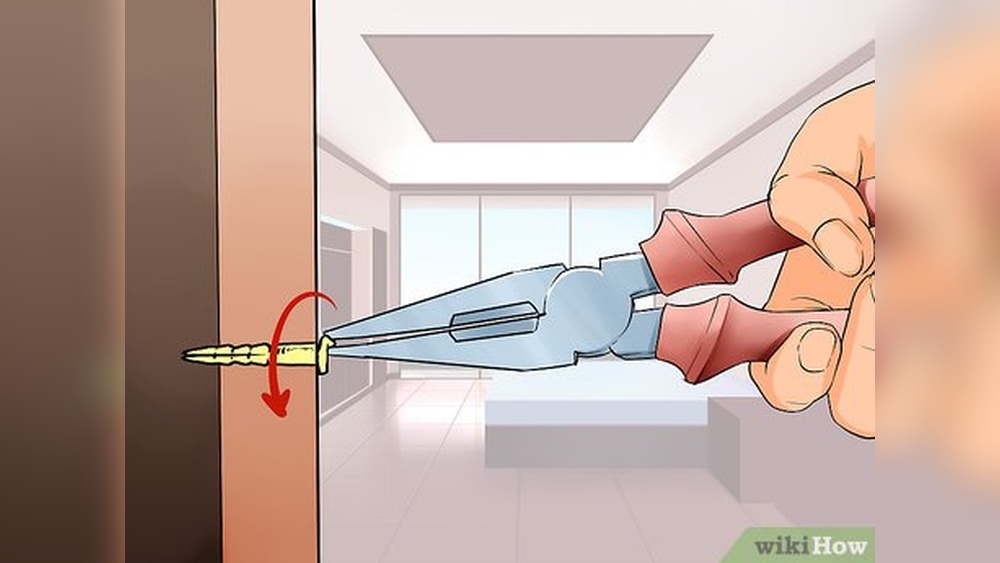
Many anchors expand to grip the wall firmly. Use a screwdriver or drill to tighten the screw inside the anchor. This causes it to expand and lock in place. Avoid over-tightening to prevent wall damage. Check the anchor’s instructions for the right expansion method.
Load Testing Methods
Test the anchor by applying light pressure first. Pull or push gently to check if it holds firm. Gradually increase the force to the expected load. Stop if you see any movement or hear cracking sounds. Proper load testing confirms the anchor’s strength and safety.

Credit: www.reddit.com
Frequently Asked Questions
How To Determine The Right Drill Hole Size For Wall Anchors?
Measure the anchor diameter and drill a hole slightly smaller or equal to it. This ensures a tight fit and strong hold.
Can I Use A Bigger Drill Bit For Wall Anchors?
Using a bigger drill bit can cause a loose fit, reducing anchor strength. Always match the drill bit size to the anchor diameter.
What Drill Bit Type Is Best For Wall Anchors?
Use a masonry bit for concrete or brick walls, and a standard twist bit for drywall or wood. This ensures clean, precise holes.
How Deep Should The Drill Hole Be For Wall Anchors?
Drill a hole at least the length of the anchor. This allows the anchor to fully expand and secure properly in the wall.
Conclusion
Choosing the right drill hole size for a wall anchor matters a lot. It helps the anchor hold tight and keeps your items safe. Always match the hole size to the anchor’s instructions. Too big or too small can cause problems.
Take your time, measure well, and drill carefully. This simple step makes your project strong and lasting. Keep these tips in mind for easy, secure wall mounting every time.