Are you planning to secure your walls and wondering how many dovetail anchors you need per CMU wall? Getting this right is crucial for the strength and safety of your structure.
Too few anchors can lead to weak connections, while too many might mean wasted time and money. You’ll discover the exact guidelines to help you choose the right number of dovetail anchors for your CMU walls. Keep reading to make sure your project stays strong and reliable from start to finish.
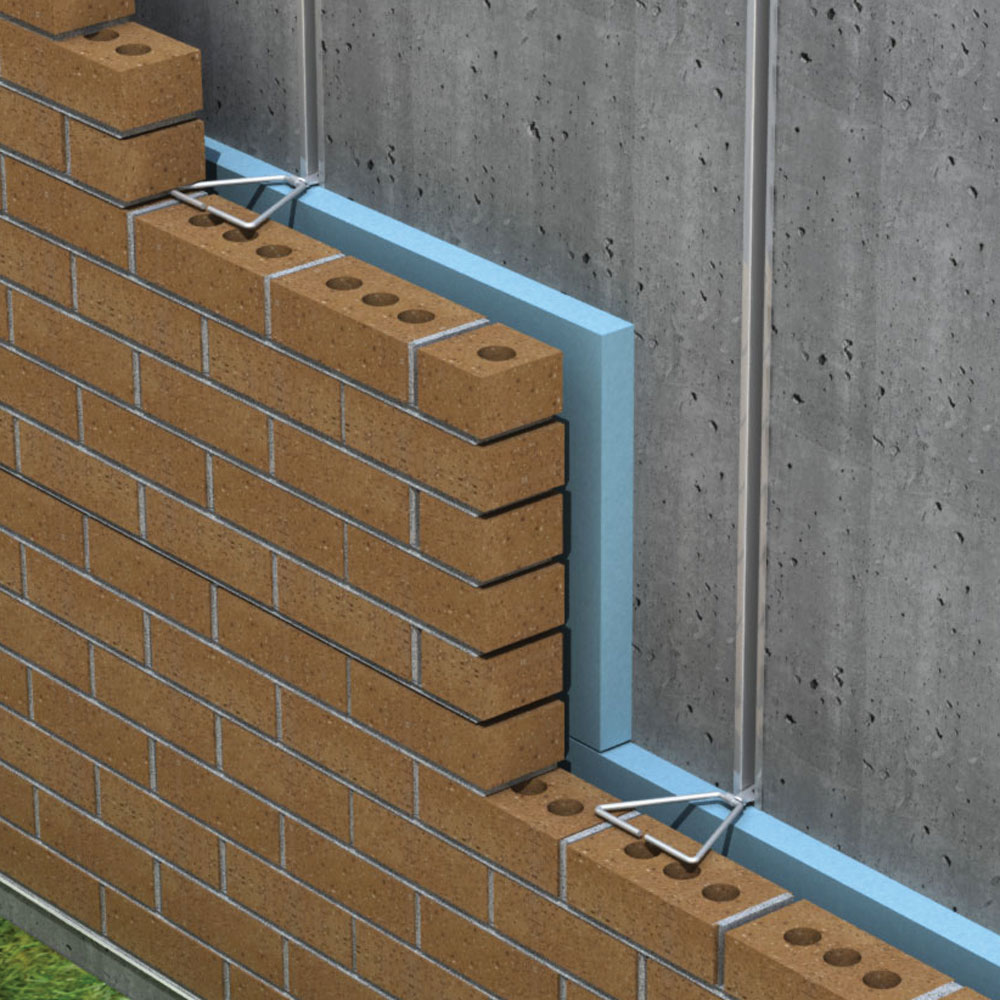
Credit: www.h-b.com
Dovetail Anchors Basics
Dovetail anchors play a key role in securing walls made of concrete masonry units (CMU). They help attach finishes or other materials firmly to the wall. Understanding the basics of dovetail anchors aids in choosing the right type and number for your project.
What Are Dovetail Anchors
Dovetail anchors are metal fasteners shaped like a dove’s tail. Their shape allows strong gripping inside a slot or groove. These anchors connect different wall layers or attach wall finishes to CMU walls. They prevent movement and add stability.
Types Of Dovetail Anchors
Several types of dovetail anchors fit various needs. Standard dovetail anchors fit into pre-cut slots in the CMU wall. Adjustable dovetail anchors allow slight movement, useful for uneven surfaces. Some anchors come with screws or clips for easier attachment.
Materials And Sizes
Dovetail anchors come in steel, stainless steel, and sometimes aluminum. Steel anchors are strong but may rust without protection. Stainless steel resists rust and lasts longer outdoors. Sizes vary by length and thickness to match wall thickness and load requirements.
Cmu Wall Characteristics
CMU walls are common in construction. Understanding their characteristics helps in planning installations. Knowing wall types, structural traits, and sizes is key. This knowledge guides the number of dovetail anchors needed. It also ensures safe and strong attachments.
Common Cmu Wall Types
CMU walls come in many types. Hollow block walls are most common. They have empty spaces inside for weight reduction. Solid block walls are denser and stronger. Some blocks include insulation for energy efficiency. Each type affects how anchors are placed. Choosing the right wall type is important for anchor safety.
Structural Properties
CMU walls support heavy loads. They resist compression well but are weak in tension. Reinforcement with steel bars improves strength. Mortar bonds blocks and adds stability. Walls can vary in strength depending on materials used. These properties impact how many anchors are needed. Stronger walls might need fewer anchors for support.
Typical Dimensions
Standard CMU blocks are usually 16 inches long. Heights are often 8 inches with a 3 to 4 inch thickness. Wall thickness changes with block type and use. Knowing block size helps in planning anchor spacing. Proper spacing ensures even load distribution. This reduces risks of wall damage or anchor failure.
Determining Anchor Quantity
Determining the number of dovetail anchors needed for a CMU wall is essential for stability and safety. The right quantity depends on several important factors. These factors guide builders to place anchors correctly and maintain wall strength. Understanding these will help avoid costly mistakes and structural problems.
Factors Influencing Anchor Spacing
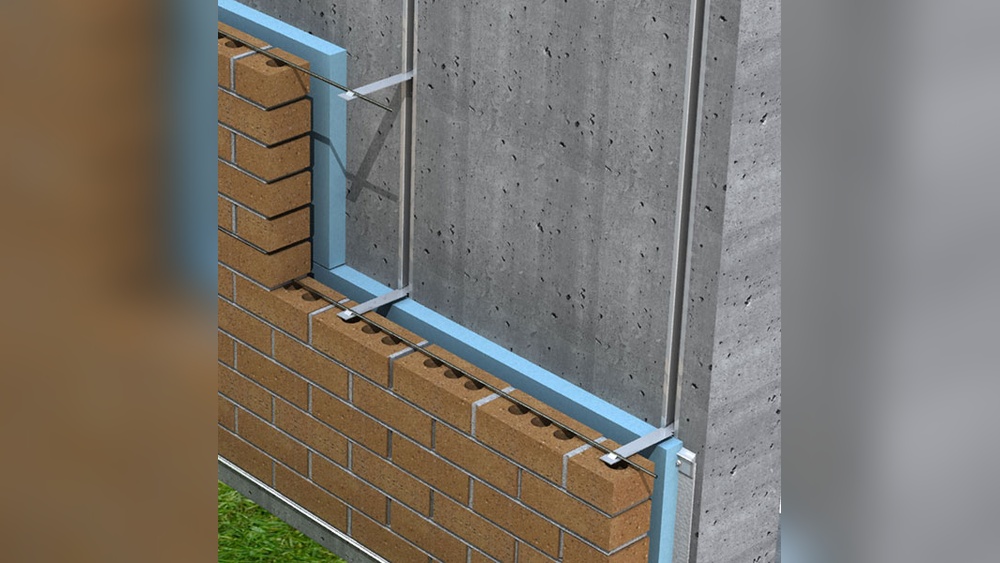
The type of wall material affects anchor spacing. Different blocks have different strength levels. Wall height and thickness also change spacing needs. Higher walls require more frequent anchors. Wind and seismic loads add pressure to the wall. These forces can require closer anchor spacing. The weight of attached materials, like brick veneer, matters too. All these factors must be checked before deciding anchor numbers.
Standard Spacing Recommendations
Most builders follow standard spacing rules for dovetail anchors. Typically, anchors go every 16 to 24 inches horizontally. Vertically, spacing is usually 24 to 32 inches apart. This pattern keeps the wall stable under normal conditions. Some projects may use closer spacing for extra strength. Always measure spacing carefully to match wall size and load.
Code And Regulation Requirements
Building codes set minimum requirements for anchor placement. These codes vary by location and project type. They ensure walls meet safety standards. Inspectors check anchor spacing during construction. Failing to meet code can delay projects and increase costs. Always consult local codes before planning anchor layout. Following regulations protects both the structure and occupants.
Installation Techniques
Installing dovetail anchors in CMU walls requires careful attention. Proper techniques ensure strong and lasting connections. This section explains key installation steps. Follow these guidelines for solid results.
Proper Placement In Cmu Walls
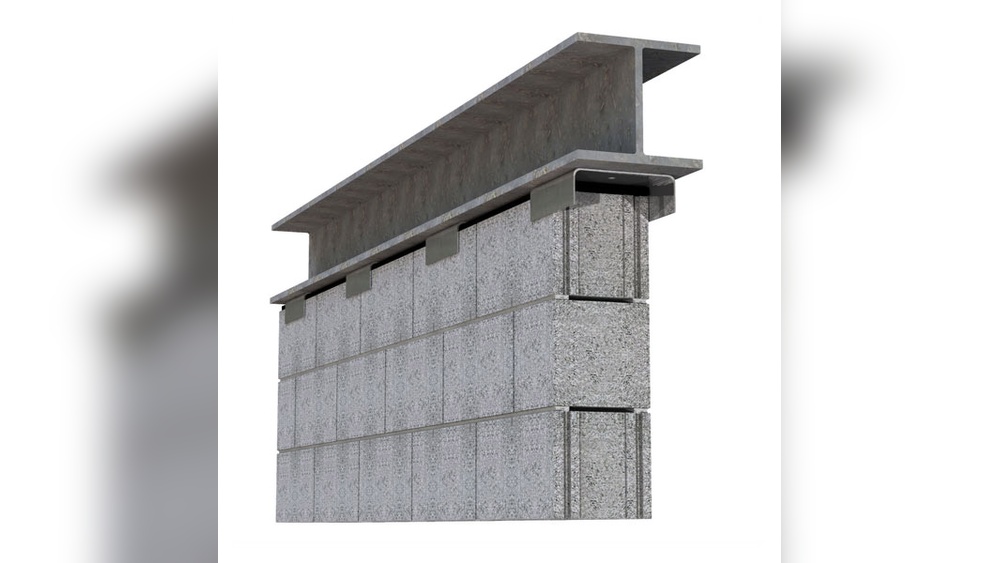
Place dovetail anchors at regular intervals along the wall. Space them evenly for balanced support. Position anchors near the top and bottom of each block. Avoid placing anchors too close to edges. This prevents cracking and weak spots. Check the wall design for exact anchor locations.
Tools And Materials Needed
Gather these tools before starting: a drill, masonry bit, hammer, and level. Use anchors made for CMU walls. Quality anchors fit tightly in the slots. Have a measuring tape and pencil to mark spots. Safety glasses protect your eyes during drilling. Use a vacuum or brush to clear dust.
Common Installation Mistakes
Do not place anchors unevenly or too far apart. Avoid drilling holes that are too big or small. Anchors must fit snugly without forcing. Skipping cleaning dust from holes weakens the bond. Do not hammer anchors too hard; this may damage them. Follow instructions carefully to avoid these errors.
Testing And Inspection
Testing and inspection are key to ensure dovetail anchors hold firmly in CMU walls. These steps check anchor strength and spot problems early. Proper testing helps avoid costly repairs and keeps structures safe. Regular inspections confirm anchors perform as designed under different loads.
Load Testing Methods
Load testing measures the strength of dovetail anchors. One common method uses hydraulic equipment to pull on the anchors. This simulates real forces on the wall. Another method applies static loads to check for movement. Testing helps verify anchors meet safety standards. Tests should follow manufacturer and industry guidelines.
Inspection Frequency
Inspect anchors regularly to catch issues early. Monthly checks work well during construction. After completion, inspect yearly or after severe weather. Frequent checks prevent anchor failure and wall damage. Record all inspections and any repairs made. Consistency keeps the wall strong over time.
Signs Of Anchor Failure
Look for cracks around anchors or wall movement. Rust or corrosion on metal parts is a warning. Loose or missing anchors need immediate attention. Water leaks near anchors may weaken the wall. Early detection of these signs prevents bigger problems.
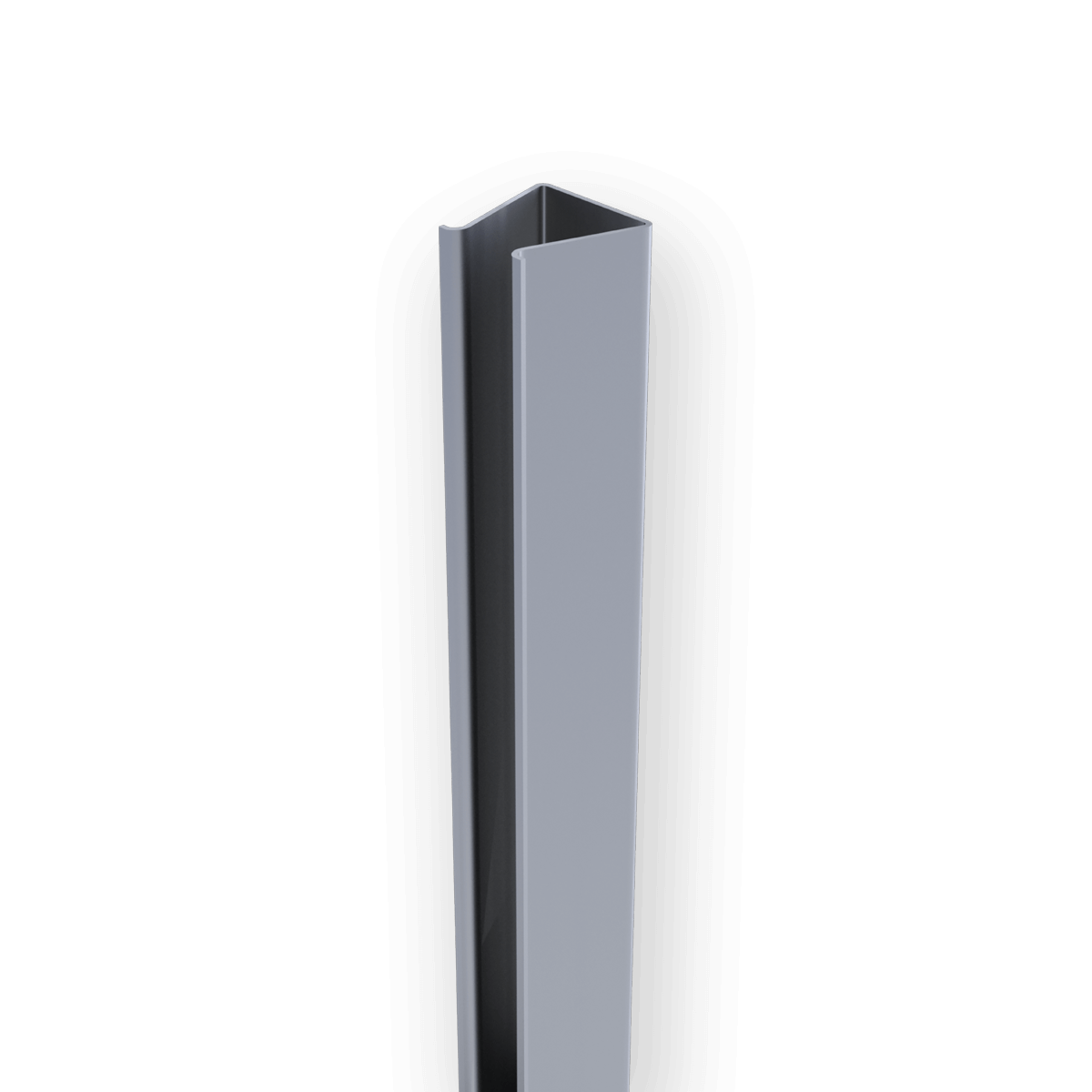
Credit: heckmannbuildingprods.com
Cost And Efficiency
Cost and efficiency play a big role in deciding how many dovetail anchors to use per CMU wall. Using too many anchors can raise costs without adding safety. Using too few can risk the wall’s strength. Finding the right balance helps save money and keeps the wall secure.
Cost Factors For Anchors
The price of dovetail anchors varies by size and material. Some anchors cost more but last longer. Labor to install anchors also adds to total costs. The type of CMU wall affects how many anchors are needed. More anchors mean higher costs for both materials and work.
Balancing Quantity And Safety
Using the right number of anchors keeps the wall strong and safe. Builders must follow building codes for minimum anchor spacing. Too few anchors risk wall failure. Too many anchors waste money and time. The goal is a safe wall at the lowest cost.
Tips For Cost-effective Installation
Plan the anchor layout before building the wall. Use anchors that fit the wall’s size and weight. Train workers to install anchors quickly and correctly. Buy anchors in bulk for better prices. Regularly check anchor placement to avoid mistakes and extra costs.
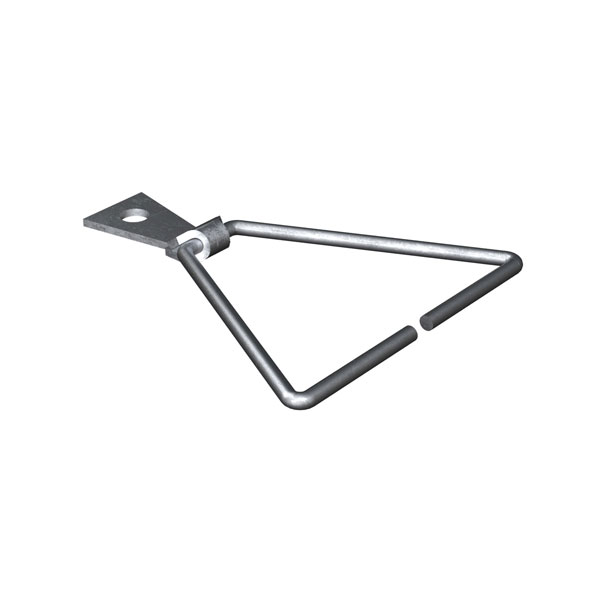
Credit: www.blok-lok.com
Frequently Asked Questions
How Many Dovetail Anchors Per 8-foot Cmu Wall?
Typically, install one dovetail anchor every 16 inches along the wall height. For an 8-foot CMU wall, this results in about 6 anchors per vertical section. Adjust spacing based on load requirements and local building codes.
What Spacing Is Recommended For Dovetail Anchors In Cmu?
The common spacing for dovetail anchors in CMU walls is 16 inches on center horizontally. Vertically, anchors are usually placed at each course or every 8 inches. This ensures strong wall-to-frame connections and structural stability.
Why Use Dovetail Anchors In Cmu Walls?
Dovetail anchors provide secure attachment between masonry walls and structural frames. They improve load transfer and prevent wall movement. This makes them essential for durable, safe construction and compliance with building standards.
Can Spacing Of Dovetail Anchors Vary By Wall Height?
Yes, anchor spacing may change based on wall height and load. Taller walls might require closer spacing or additional anchors. Always follow engineer recommendations and building codes for proper placement.
Conclusion
Choosing the right number of dovetail anchors is key for strong CMU walls. Too few anchors may cause instability. Too many can waste materials and effort. Usually, spacing anchors evenly along the wall provides the best support. Always follow local building codes and guidelines.
Proper installation ensures long-lasting strength and safety. Remember, simple planning saves time and money on repairs later. Keep these points in mind for secure and durable walls every time.