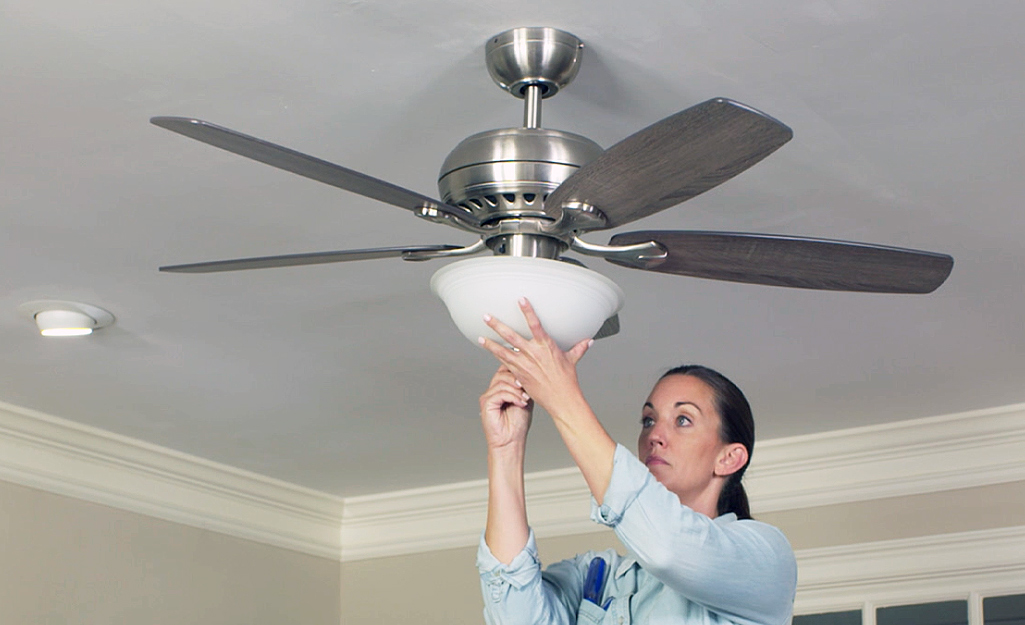
Have you ever wanted to control your ceiling fan and light separately but didn’t know where to start? Disconnecting the fan from the light switch can give you that freedom, making your home more comfortable and energy-efficient.
If you’re wondering how to do this safely and easily, you’re in the right place. Keep reading, and you’ll learn simple steps that anyone can follow—even if you’re not an expert. By the end, you’ll feel confident handling this small but powerful change yourself.
Credit: www.homedepot.com
Tools And Safety Gear Needed
Disconnecting a fan from a light switch requires the right tools and safety gear. Using proper equipment makes the task easier and safer. You need to prepare before starting any electrical work.
Essential Tools
A screwdriver set is necessary to remove the switch cover and screws. A voltage tester helps check if wires carry electricity. Wire cutters or strippers are useful for handling wires safely. Needle-nose pliers assist in bending and moving wires. A flashlight can improve visibility in dark spaces. Keep all tools within reach to work efficiently.
Safety Precautions
Turn off the main power before touching any wires. Use a voltage tester to confirm no current flows. Wear insulated gloves to protect against shocks. Avoid working in wet or damp areas. Stand on a dry, stable surface to prevent slipping. Keep children and pets away from the work zone. Always follow these steps to reduce the risk of accidents.

Credit: community.smartthings.com
Prepare The Work Area
Preparing the work area is an important first step before disconnecting a fan from a light switch. It ensures safety and makes the task easier. Taking a few moments to get ready can prevent accidents and save time.
Turn Off Power
Safety starts by turning off the power. Find the circuit breaker for the room. Switch it off to cut electricity to the fan and light. Use a voltage tester to check if the power is off. Never skip this step. It protects you from electric shocks.
Clear The Space
Remove furniture and objects near the switch and fan. Create a clean, open area to work in. Keep tools and parts within reach. Good lighting helps you see wires and screws clearly. A tidy space reduces distractions and accidents.
Access The Switch Box
Accessing the switch box is the first step in disconnecting a fan from a light switch. This step allows you to see the wiring and switch connections clearly. Safety is important, so turn off the power at the circuit breaker before starting. This prevents any electric shocks while working.
Once the power is off, you can begin to open the switch box. This gives you a clear view of the wires and how the fan and light are connected. Understanding this setup helps you disconnect them safely and correctly.
Remove The Switch Plate
Use a screwdriver to remove the screws holding the switch plate. Gently pull the plate away from the wall. This exposes the switch and wires inside the box. Keep the screws in a safe place for reassembly later.
Be careful not to damage the wall or the plate. If the plate is painted over, use a utility knife to cut around the edges. This prevents peeling paint or drywall damage.
Inspect Wiring
Look closely at the wires connected to the switch. Notice how many wires are attached and their colors. Usually, black or red wires carry power, while white wires are neutral. Green or bare wires are ground wires.
Check for any loose or damaged wires. Loose wires can cause problems and should be tightened. If you see damaged wires, consider calling an electrician for help.
Understanding the wiring setup helps you disconnect the fan from the light safely. Take a photo of the wiring before disconnecting. This makes reassembly easier.
Identify Fan And Light Wires
Identifying the fan and light wires is the first step to disconnecting a fan from a light switch. Knowing which wire controls the fan and which controls the light is essential. This helps avoid confusion and keeps the process safe.
You need to find the right wires before making any changes. Two main methods help identify these wires: checking common wire colors and using a voltage tester. Both are simple and effective.
Common Wire Colors
Electric wires often come in standard colors. These colors help identify their purpose. Usually, black or red wires control the fan. The light is often controlled by a blue or red wire. White wires are neutral and connect to both fan and light.
Green or bare copper wires are ground wires. They do not carry electricity but keep the system safe. Knowing these colors makes it easier to find the right wires to disconnect.
Using A Voltage Tester
A voltage tester checks if a wire has electricity. It shows which wires are live and which are not. Turn off the main power before starting. Then turn on the light switch for the fan or light you want to test.
Touch the tester to each wire carefully. The tester lights up or beeps if the wire has power. This method helps confirm which wire controls the fan and which controls the light. Always double-check before disconnecting anything.
Disconnect Fan From Switch
Disconnecting a fan from a light switch is a simple task. It lets you control the fan and light separately. This process involves handling the wires connected to the switch. Safety is important. Always turn off power before starting.
Unscrew Wire Connectors
First, remove the switch cover plate. Use a screwdriver to unscrew the wire connectors. These connectors hold the wires together. Twist the connectors counterclockwise to loosen them. Keep the wires steady while unscrewing. This step separates the fan wires from the switch wires.
Separate Fan Wire
After removing the wire connectors, pull the fan wire away gently. Make sure each wire is free and not touching others. Use electrical tape to cover wire ends. This prevents accidental contact or short circuits. Now, the fan is disconnected from the light switch and can work independently.
Cap And Secure Wires
After disconnecting the fan from the light switch, the next step is to cap and secure the wires. This step is important for safety. Exposed wires can cause shocks or short circuits. Properly capping and securing wires keeps everything safe and neat. It also prepares the wiring for future use or changes.
Use Wire Nuts
Wire nuts are small plastic caps that fit over wire ends. They keep wires from touching each other. First, twist the wire ends together clockwise. Then, screw the wire nut on tightly. Make sure no bare wire shows outside the nut. Wire nuts come in different sizes for different wire gauges. Use the right size for a secure fit.
Wrap With Electrical Tape
After placing wire nuts, wrap electrical tape around the base. This adds extra protection and keeps the nuts from loosening. Wrap the tape around several times. Cover the wire nut and a bit of the wire. This step helps keep moisture and dust away. It also ensures the wire nuts stay in place for a long time.
Reassemble The Switch
After disconnecting the fan from the light switch, reassembling the switch is the next step. This process ensures the switch works correctly and looks neat. Take your time to follow each step carefully. A properly reassembled switch prevents electrical issues and keeps your home safe.
Replace Switch Plate
Start by placing the switch plate back over the switch. Align the screw holes with the switch box. Use a screwdriver to tighten the screws. Do not overtighten to avoid cracking the plate. Make sure the plate sits flush against the wall. A secure switch plate protects the wiring inside.
Check For Loose Connections
Before finishing, check all wire connections. Tug gently on each wire to confirm it is tight. Loose wires can cause the switch to malfunction. Use a screwdriver to tighten any loose terminal screws. Ensure no wires are touching each other. Proper connections improve safety and switch performance.
Restore Power And Test
After disconnecting the fan from the light switch, restoring power is the next step. This ensures your electrical system works safely. Testing the fan and light confirms that everything operates correctly. Follow these simple steps carefully to avoid any problems.
Turn Power Back On
Go to your circuit breaker panel. Find the breaker you turned off earlier. Flip the switch back to the “on” position. This restores electricity to the room. Wait a moment for the power to stabilize. This step is important for safety and function.
Verify Light And Fan Function
Use the wall switch to test the light. The light should turn on and off smoothly. Next, check the fan. It should run without noise or interruption. Make sure the fan speed changes if it has settings. If both work correctly, your task is complete.
Troubleshooting Tips
Troubleshooting is important when disconnecting a fan from a light switch. Problems can happen even after following steps carefully. This section helps you find quick fixes for common issues. Clear guidance can save time and avoid frustration.
Switch Not Working
Check if the switch is properly connected to power. A loose wire can stop it from working. Use a tester to see if power reaches the switch. Replace the switch if it feels old or damaged. Sometimes, the problem is a tripped breaker in your fuse box. Reset the breaker and test the switch again.
Fan Still Responding
The fan may still work if it is wired to a different switch. Check the wiring to see if it is connected to more than one switch. The fan’s pull chain might be controlling it, not the switch. Turn off power before adjusting any wires. Confirm the fan is set to respond only to the switch you want.

Credit: www.amazon.com
Frequently Asked Questions
How Do I Safely Disconnect A Fan From A Light Switch?
Turn off power at the circuit breaker first. Remove the switch cover and unscrew the switch. Disconnect the fan wires carefully. Use a voltage tester to confirm no electricity flows before proceeding.
Can I Control Fan And Light Separately After Disconnecting?
Yes, install a dual switch or a fan control switch. This allows independent control of the fan and light. Wiring must be adjusted accordingly for separate operation.
What Tools Do I Need To Disconnect A Fan From A Switch?
You need a screwdriver, voltage tester, wire strippers, and electrical tape. These tools help safely remove and disconnect the fan wiring from the switch.
Will Disconnecting Fan Affect Other Electrical Appliances?
No, disconnecting a fan from a light switch only affects that circuit. Other appliances on different circuits remain unaffected. Always verify circuit layout before starting work.
Conclusion
Disconnecting a fan from a light switch can be simple and safe. Always turn off the power before you start. Use basic tools and follow clear steps. Double-check your work to avoid mistakes. Taking time helps prevent accidents. Now, you can control the fan and light separately.
Enjoy better comfort and convenience in your room. Small changes make a big difference. Try this easy fix to improve your home’s wiring today.