Building a retaining wall can transform your outdoor space, but making sure it stays strong and secure is key. If you want your wall to hold back soil safely and last for years, knowing how to anchor a retaining wall is essential.
In this guide, you’ll discover simple, effective steps to keep your wall stable no matter the pressure behind it. Whether you’re a DIY enthusiast or just starting out, mastering this skill will save you time, money, and headaches. Ready to create a solid foundation for your project?
Let’s dive in and learn how to anchor your retaining wall the right way.
Choosing The Right Retaining Wall
Choosing the right retaining wall is key to a strong, long-lasting structure. It affects stability and how well the wall holds soil. The choice depends on many factors like location, soil type, and budget.
Each type of retaining wall has unique features. Knowing these helps pick the best option for your needs. Material quality also plays a big role in durability. A good site assessment guides proper wall design.
Types Of Retaining Walls
Gravity walls use their weight to hold back soil. They are simple and work well for small heights. Cantilever walls use a base slab for extra support. These suit medium to tall walls. Anchored walls use cables or rods for strength. They are best for very high walls or weak soil.
Materials For Durability
Concrete is strong and lasts long. It suits many wall types. Stone offers a natural look and good strength. Timber looks nice but may rot over time. Steel is strong but can rust without protection. Choose materials that match your climate and budget.
Site Assessment And Soil Conditions
Check soil type before building. Clay, sand, and rock behave differently. Soil stability affects wall design and anchors needed. Drainage is important to avoid water pressure on the wall. A proper site check prevents future problems.
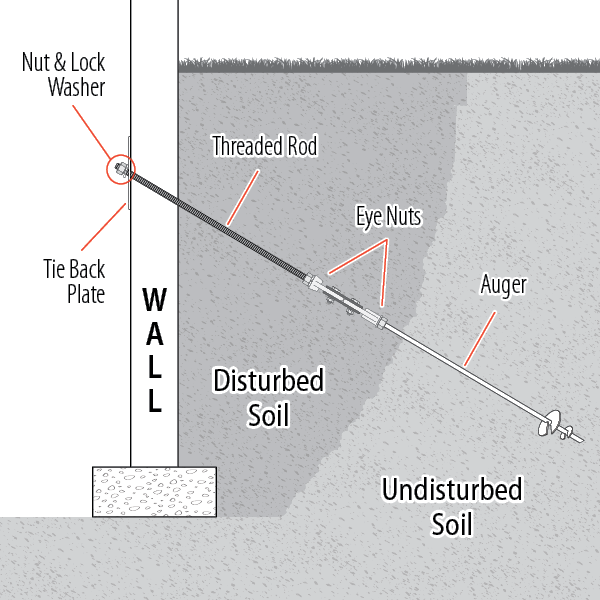
Credit: store.decksgo.com
Planning For Wall Anchoring
Planning for wall anchoring is a key step in building a strong retaining wall. Anchors help keep the wall stable against soil pressure and other forces. Proper planning ensures the wall lasts longer and stays safe.
Careful consideration of anchor type, placement, and strength is necessary. Understanding these basics helps avoid costly repairs later. Let’s explore the important parts of wall anchoring planning.
Importance Of Anchors
Anchors hold the retaining wall in place. They stop the wall from leaning or falling over. Soil pushes against the wall, creating pressure. Anchors resist this pressure and keep the wall steady.
Without anchors, the wall can crack or collapse. They add safety and durability. Anchors also help walls survive heavy rains or changes in soil moisture.
Anchor Types And Selection
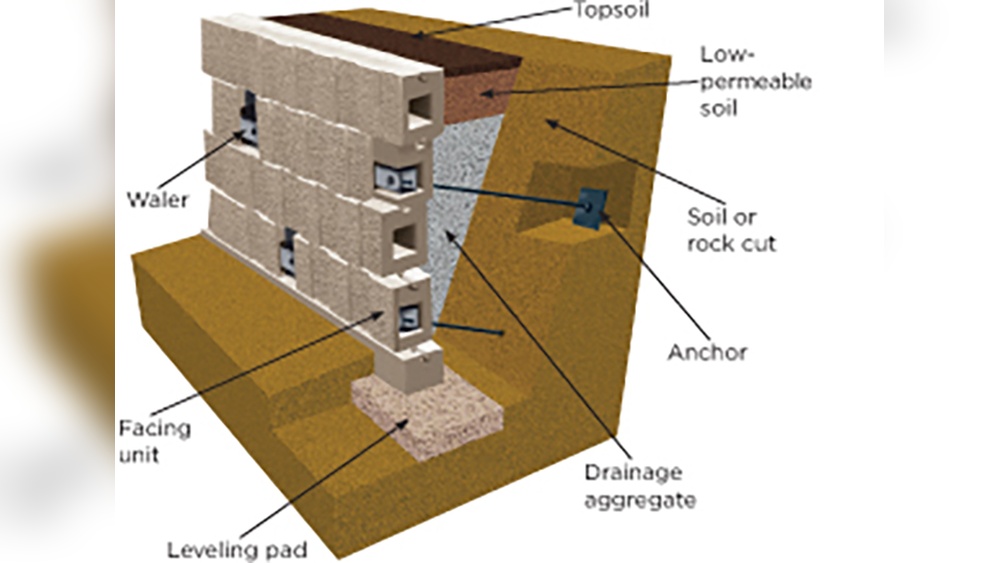
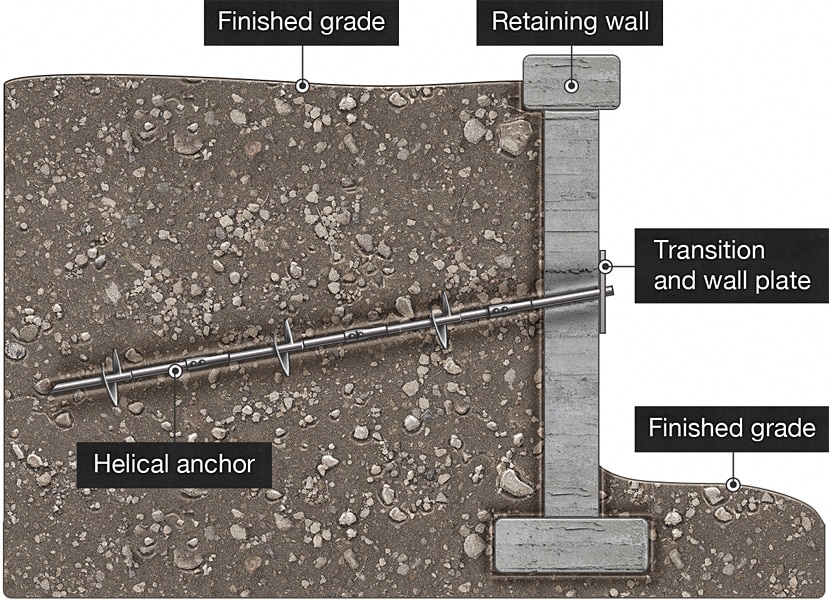
Different anchors suit different walls and soil types. Common types include deadman anchors, soil nails, and helical anchors. Each type works best in specific conditions.
Choose an anchor based on wall height, soil strength, and expected loads. Deadman anchors are good for large walls. Soil nails work well in stable soil. Helical anchors are strong in loose soil.
Calculating Load And Pressure
Calculate the forces pushing against the wall before choosing anchors. Load depends on soil weight, moisture, and slope. Pressure increases with wall height and soil type.
Use formulas or consult a professional to find the right anchor size and number. Proper calculations prevent wall failure and save money. Accurate load assessment ensures long-lasting support.
Preparing The Site
Preparing the site is the first step to build a strong retaining wall. It sets the foundation for the whole project. Careful preparation helps avoid problems later. Clear the area and plan the space carefully. Each task here ensures the wall stays stable and lasts long.
Excavation And Leveling
Dig the trench where the wall will sit. Make it deep enough to hold the base securely. Remove loose soil and debris. Level the ground with a rake or shovel. A flat surface prevents the wall from leaning or falling. Check the slope to guide water away from the wall.
Drainage Solutions
Water buildup can damage the retaining wall. Create a drainage path behind the wall. Use gravel or crushed stone for good water flow. Add perforated pipes if needed. These pipes carry water away from the soil. Good drainage reduces pressure on the wall structure.
Base Layer Installation
Lay a solid base to support the wall. Spread a layer of compacted gravel or crushed rock. This layer helps with drainage and stability. Use a tamper to pack the base tightly. A firm base keeps the wall level and strong over time.
Credit: atlasrestoration.com
Installing Wall Anchors
Installing wall anchors is a crucial step for securing a retaining wall. Proper anchoring helps the wall resist pressure from soil and weather. This process strengthens the structure and prevents collapse.
Careful placement and secure fixing of anchors ensure the wall stays stable over time. Follow simple steps to install anchors correctly and safely.
Anchor Placement Techniques
Place anchors at regular intervals along the wall. Space them evenly to balance the load. Set anchors deep enough to reach stable soil layers. Avoid areas with loose or wet soil. Use a level to keep anchors straight. Position anchors below the wall’s base for extra support.
Securing Anchors To Wall
Attach anchors firmly to the wall surface. Use strong bolts or brackets for a tight fit. Check that fasteners are rust-resistant for durability. Tighten all connections to avoid movement. Make sure anchors sit flush against the wall. Avoid gaps that could weaken the hold.
Tensioning And Testing Anchors
Tighten anchors gradually to create tension. Apply even force to avoid wall damage. Use a tension gauge to measure strength. Test each anchor by applying pressure. Look for any shifting or loosening. Adjust tension until anchors hold firm and stable.
Finishing Touches
Finishing touches are key to a strong, lasting retaining wall. These final steps keep the wall safe and looking good. Proper care now saves work later.
Backfilling Properly
Backfilling means putting soil behind the wall. Do it in layers. Each layer should be compacted well. Loose soil can cause the wall to lean or fall. Use gravel or crushed stone for better drainage. Good drainage prevents water pressure buildup. Water pressure can damage the wall structure.
Sealing And Protection
Seal the wall surface to protect it from water. Use a concrete or stone sealant made for retaining walls. Sealing stops water from seeping into cracks. It also prevents mold and moss growth. Protect the top edge as well. Cover it with a cap or flashing to block water entry.
Regular Maintenance Tips
Check your wall often for cracks or movement. Fix small cracks quickly to avoid bigger problems. Remove weeds or plants growing near the wall. Roots can push the wall and cause damage. Clear debris and dirt from drainage areas. Good maintenance keeps the wall strong and neat.

Credit: americanearthanchors.com
Common Mistakes To Avoid
Anchoring a retaining wall is not just about placing anchors. Mistakes can weaken the wall and cause costly repairs. Avoiding common errors helps build a strong, lasting wall.
Ignoring Soil Analysis
Soil type affects how well anchors hold. Not testing soil can lead to wrong anchor choices. Soft or loose soil needs different anchors than hard soil. Knowing soil conditions prevents wall collapse.
Improper Anchor Installation
Anchors must be set at the right depth and angle. Installing too shallow or crooked anchors reduces strength. Tighten anchors properly to avoid movement. Careless installation harms the wall’s stability.
Neglecting Drainage
Water buildup behind the wall adds pressure. Without drainage, anchors can rust or loosen. Install drainage pipes or gravel to redirect water. Good drainage protects the wall and anchors.
Frequently Asked Questions
What Materials Are Best For Anchoring Retaining Walls?
Steel rods, geogrids, and deadman anchors are common materials. They provide strong support and prevent wall movement. Choose based on soil type and wall height for best results.
How Deep Should Retaining Wall Anchors Be Installed?
Anchors should be installed below the frost line or at least 2-3 feet deep. Proper depth ensures stability and prevents shifting due to soil pressure or weather changes.
Can I Anchor A Retaining Wall Myself?
Yes, with proper tools and knowledge, you can anchor a retaining wall. Follow safety guidelines and local codes. For complex walls, consult a professional engineer.
Why Is Anchoring Important For Retaining Walls?
Anchoring prevents wall failure by resisting lateral soil pressure. It enhances durability and safety, especially for tall or heavily loaded walls. Proper anchoring extends the wall’s lifespan.
Conclusion
Anchoring a retaining wall keeps it strong and safe. Use the right tools and follow steps carefully. Check soil and wall type before starting work. Secure anchors well to stop movement and damage. Regularly inspect the wall for any signs of wear.
Small repairs prevent big problems later. A well-anchored wall lasts longer and protects your space. Take your time and work with care. Solid walls mean peace of mind.