Are you struggling to hang heavy items on your wall without worrying they’ll fall? Knowing how to anchor a wall properly can save you from damage and frustration.
Whether you want to hang shelves, mirrors, or artwork, the right wall anchor makes all the difference. In this guide, you’ll learn simple, effective steps to secure your items firmly and safely. Keep reading, and you’ll gain the confidence to tackle any wall-hanging project like a pro.
Types Of Wall Anchors
Wall anchors provide strong support for hanging items on walls. Choosing the right type depends on the wall material and the weight of the object. Each anchor type has unique features and uses. Understanding these helps pick the best one for your project.
Plastic Expansion Anchors
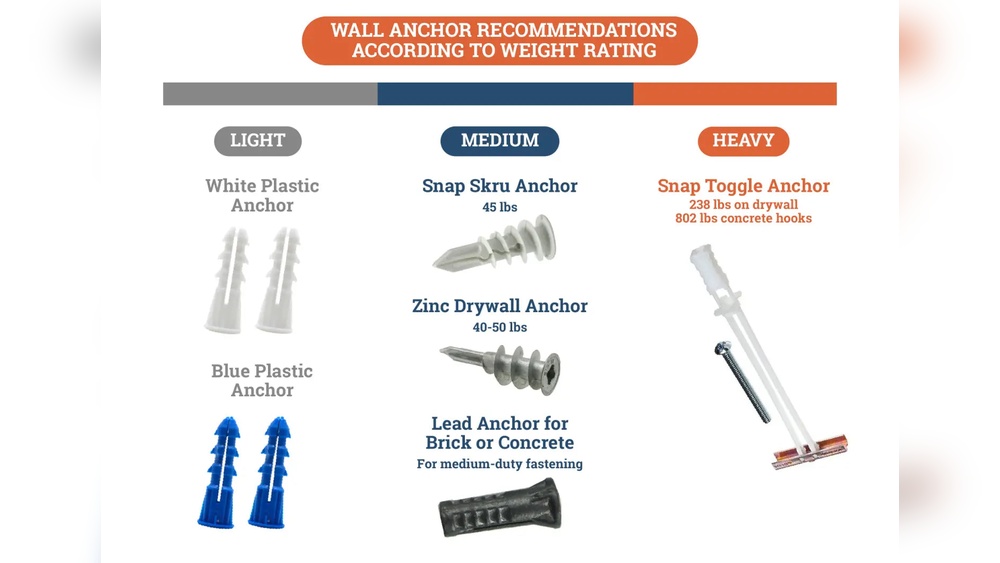
Plastic expansion anchors are common and easy to use. Insert them into a drilled hole in drywall or plaster. When a screw goes in, the anchor expands and grips the wall. They work well for light to medium loads like picture frames.
Toggle Bolts
Toggle bolts have metal wings that open behind the wall. This creates a strong hold in hollow walls. They are best for heavy items like shelves or mirrors. The wings spread the load across a larger area.
Molly Bolts
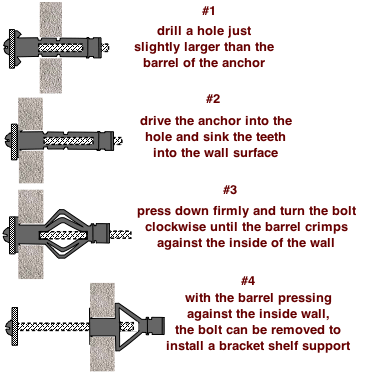
Molly bolts are metal anchors with expandable sleeves. They expand inside the wall when tightened. This provides a secure hold in drywall and plaster. Molly bolts support medium to heavy loads safely.
Threaded Drywall Anchors
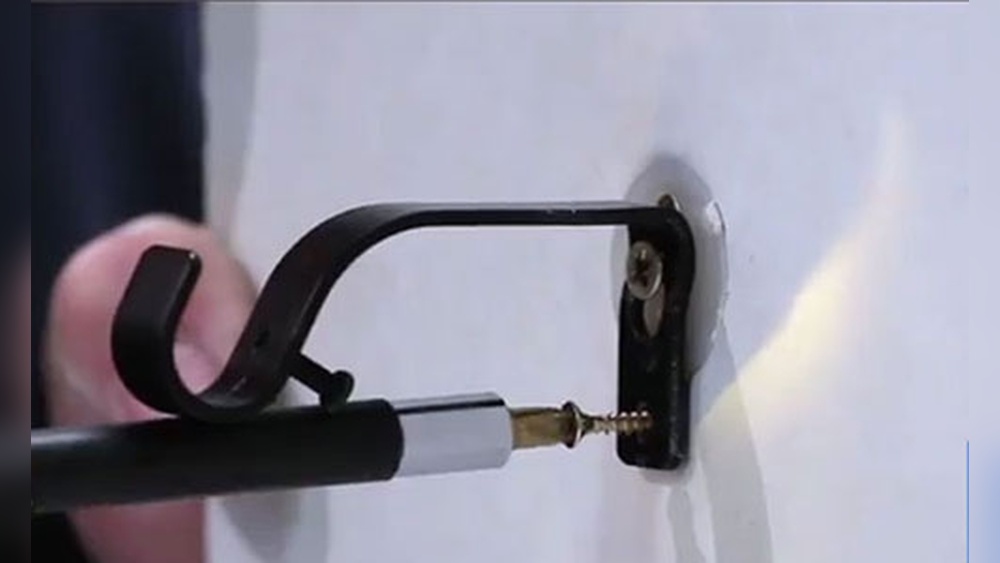
Threaded drywall anchors screw directly into drywall without pre-drilling. They create strong threads for screws to grip. These anchors hold medium-weight objects like curtain rods or small shelves. Installation is quick and simple.
Concrete And Masonry Anchors
Concrete and masonry anchors are designed for solid walls. Drill a hole into brick, concrete, or stone. Insert the anchor, then screw in the fastener. They provide firm support for heavy fixtures on tough surfaces.
Tools Needed For Anchoring
Anchoring a wall requires the right tools to ensure safety and strength. Using proper tools makes the job easier and more precise. This section covers the essential tools needed for anchoring walls. Each tool plays a key role in the process. Understanding their use helps achieve a secure hold.
Drill And Bits
A drill is necessary to create holes in the wall. Choose a drill with adjustable speed for better control. Use drill bits that match the size of the anchors. Masonry bits work best for concrete or brick walls. Always check the bit size before drilling.
Screwdrivers
Screwdrivers help drive screws into anchors firmly. Use both flathead and Phillips screwdrivers for different screw types. An electric screwdriver can save time and effort. Make sure the screwdriver fits the screw head well. Tighten screws without stripping them.
Measuring Tools
Accurate measurements ensure anchors are placed correctly. Use a tape measure or ruler to mark spots. Measure twice to avoid mistakes. Proper spacing improves the wall’s load-bearing capacity. Record measurements clearly before drilling.
Level And Pencil
A level ensures anchors are straight and even. Place it on the wall to check alignment. Use a pencil to mark drill points lightly. Pencil marks are easy to erase later. Straight anchors give a neat and safe finish.
Preparing The Wall
Preparing the wall is a key step before anchoring anything securely. It ensures your anchors hold tight and last long. Taking time to get the wall ready makes the whole job easier and safer.
Locating Studs And Utilities
Studs are wooden or metal frames behind the wall. Anchoring into studs gives the strongest hold. Use a stud finder to locate them. Move the finder slowly across the wall. Mark every stud edge you find.
Be careful to avoid electrical wires and plumbing. They usually run near studs but not always. A stud finder with wire detection helps spot hidden utilities. Avoid drilling where utilities run to prevent damage.
Marking Anchor Points
After finding studs and utilities, mark the spots for anchors. Use a pencil to make small dots. Measure carefully to keep marks level and spaced correctly. Double-check all marks before drilling.
Clear marks guide your drilling and keep anchors straight. Correct placement helps the item stay stable on the wall.
Cleaning The Surface
Clean the wall surface before anchoring. Dust, dirt, and grease weaken anchor grip. Use a damp cloth to wipe the area. Let it dry completely before starting.
A clean wall ensures anchors fit tightly and hold better. It also prevents damage to your wall and anchors.
Step-by-step Anchoring Process
Choosing the right anchor for your wall is key to a strong hold. Different walls need different anchors. Picking the wrong one can cause damage or make the anchor fall out. Knowing your wall type helps select the best option for your project.
Drywall Vs. Plaster
Drywall is soft and hollow inside. It needs anchors that spread weight across a larger area. Plastic expansion anchors or toggle bolts work well here.
Plaster walls are harder and brittle. They require anchors that won’t crack the surface. Molly bolts or self-drilling anchors suit plaster walls better.
Brick And Concrete Walls
Brick and concrete are solid and dense. Use anchors made for masonry, like sleeve anchors or wedge anchors. Drill holes with a masonry bit before inserting anchors.
These anchors grip tightly and hold heavy objects securely. They resist vibration and won’t loosen easily.
Weight And Load Considerations
Think about how heavy your item is. Light items need small anchors. Heavy items need strong anchors designed for high loads.
Check the anchor’s weight rating before buying. Using an underpowered anchor risks wall damage and accidents.
Choosing The Right Anchor For Your Wall
Anchoring a wall seems simple but often has hidden challenges. Many people make basic errors that weaken the hold or damage the wall. Avoiding these common mistakes helps ensure your anchors stay strong and safe.
Wrong Anchor Type
Choosing the wrong anchor reduces holding power. Different walls need specific anchors. Drywall requires plastic anchors. Concrete needs heavy-duty anchors. Using the wrong type risks the fixture falling.
Improper Hole Size
Drilling a hole too big or too small causes problems. A large hole makes the anchor loose. A small hole can split the wall or break the anchor. Use the anchor package instructions for the right size.
Ignoring Wall Material
Walls vary: drywall, brick, plaster, or concrete. Each needs a different anchor. Ignoring the material leads to poor grip. Test the wall before choosing your anchor type.
Over-tightening Screws
Turning screws too hard can break the anchor or damage the wall. Tighten screws until firm, not beyond. This keeps the anchor secure without causing harm.
Credit: www.do-it-yourself-help.com
Common Mistakes To Avoid
Heavy-duty anchoring needs extra care and strong methods. Walls carry large weights in many projects. Using the right techniques keeps the wall safe and stable. These tips help you hold heavy objects without damage.
Using Multiple Anchors
Spread the load by using several anchors instead of one. This helps share the weight evenly across the wall. Place anchors at equal distances for better balance. Using many anchors lowers the risk of wall damage.
Reinforcing With Studs
Find wall studs to anchor heavy items firmly. Studs provide solid wood behind the wall. Drill directly into the studs for the best hold. Reinforcing with studs prevents anchors from pulling out easily.
Specialized Heavy Anchors
Choose anchors made for heavy loads. Metal anchors or toggle bolts work well for thick walls. These anchors expand inside the wall for strong grip. Use specialized anchors to support weight safely and reliably.
Tips For Heavy-duty Anchoring
Maintaining secure fixings is key to keeping your wall anchors strong and safe. Over time, anchors can loosen or weaken. Checking and caring for them helps prevent damage or accidents. Simple steps keep your anchors holding tight.
Regular Checks
Check your anchors at least twice a year. Look for any movement or cracks around the fixing. Use a screwdriver to test if the anchor feels loose. Early detection stops bigger problems later.
Dealing With Loose Anchors
If an anchor feels loose, remove it carefully. Clean the hole and check for damage. Replace it with a new anchor of the right size. Tighten it firmly but avoid over-tightening, which can cause cracks.
Reinforcement Techniques
For extra strength, use larger anchors or add a backing plate. Filling holes with epoxy before inserting anchors improves hold. Use multiple anchors to spread the load evenly. These methods keep fixings secure longer.

Credit: www.frontierbasementsystems.com

Credit: www.dimensions.com
Frequently Asked Questions
What Tools Are Needed To Anchor A Wall Properly?
To anchor a wall, you need a drill, anchors, screws, a hammer, and a level. These tools ensure secure and precise installation. Using the right tools helps prevent damage and increases wall stability.
How Do You Choose The Right Wall Anchors?
Select wall anchors based on wall material and load weight. Plastic anchors suit light loads, while metal anchors handle heavier items. Proper selection ensures safety and durability for your wall fixtures.
Can I Anchor A Wall Without Studs?
Yes, you can anchor walls without studs using toggle bolts or molly bolts. These anchors spread weight evenly and provide strong support in drywall or plaster. They are ideal for hanging medium-weight objects securely.
How Deep Should Wall Anchors Be Installed?
Wall anchors should be installed at least 1. 5 inches deep for optimal grip. Depth varies with anchor type and wall thickness. Proper depth ensures anchors hold firmly and prevent wall damage.
Conclusion
Anchoring a wall is a simple skill anyone can learn. Choose the right anchor for your wall type. Measure carefully and drill holes with care. Secure the anchor tightly to hold weight. Always check the strength before hanging items. Small steps lead to strong, safe walls.
Practice makes the process easier and faster. This guide helps you feel confident and prepared. Try these tips next time you work on your wall.