Have you ever struggled to hang something heavy on your wall, only to find your screws slipping out or your anchors failing? Getting wall anchors properly into your wall can make all the difference between a secure hold and a frustrating mess.
If you want your pictures, shelves, or mirrors to stay put without damaging your walls, you need to know the right way to install wall anchors. In this guide, you’ll discover simple steps and expert tips that will help you master the process quickly and confidently.
Keep reading to learn how to get wall anchors into your wall the right way—so your projects look great and stay safe.
Credit: www.protoolreviews.com
Choosing The Right Wall Anchors
Choosing the right wall anchors is key to a strong and safe hold. The right anchor supports your item and protects your wall. Different walls and weights need different anchors. Understanding your options helps you pick the best one.
Types Of Wall Anchors
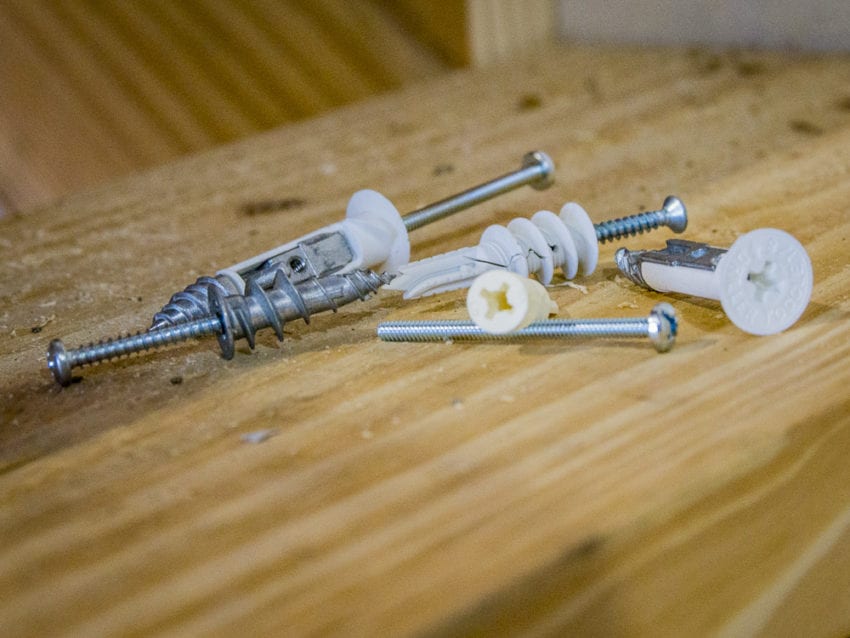
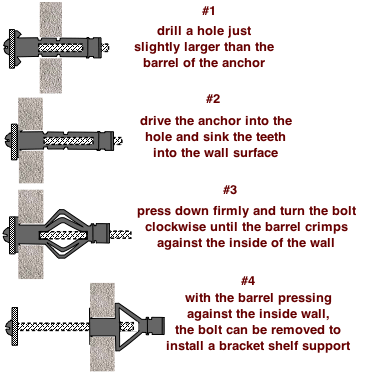
Plastic anchors are common and easy to use. They work well for light loads and drywall. Metal anchors offer more strength for medium loads. They expand behind the wall for a secure fit. Toggle bolts hold heavy items by spreading load across the wall. Molly bolts are good for hollow walls and offer strong support.
Materials And Weight Considerations
Wall type matters. Drywall, plaster, brick, and concrete need different anchors. Light materials like plastic suit light items under 20 pounds. Metal anchors support heavier items up to 50 pounds. For very heavy loads, choose toggle or molly bolts. Always check the anchor’s weight limit to avoid damage.
Credit: www.bobvila.com
Tools You’ll Need
Getting wall anchors into your wall requires the right tools. These tools make the job easier and ensure the anchors hold tight. Having the correct equipment helps avoid damage to your wall.
Drill And Drill Bits
A drill is essential for making holes in the wall. Choose a drill with variable speed control for better handling. Use drill bits that match the size of your wall anchors. For drywall, a standard twist drill bit works well. For masonry walls, use a masonry drill bit. Always check the anchor package for the recommended drill bit size.
Screwdrivers And Other Essentials
Screwdrivers help insert screws into the anchors. A Phillips head screwdriver fits most screws used with anchors. A flathead screwdriver may be needed for some types. A hammer can help tap anchors gently into the hole. A tape measure and pencil assist with accurate marking on the wall. Keep a level nearby to ensure your anchor placement is straight.
Preparing The Wall
Preparing the wall is the first step in installing wall anchors safely and securely. Proper preparation ensures the anchor holds firm and prevents damage to your wall. Taking time to prepare helps you avoid mistakes and extra work later.
Locating Studs And Marking Spots
Studs provide strong support for heavy items. Use a stud finder to locate them behind the drywall. Mark the spots clearly with a pencil. If no studs are available, wall anchors will be needed to hold weight. Mark the exact points where you want to place the anchors. Accurate marking saves time and effort during installation.
Checking For Wires And Pipes
Electrical wires and pipes often run inside walls. Drilling into them can cause serious damage or injury. Use a wire and pipe detector to scan the area before drilling. Avoid marked areas with wires or pipes. This step keeps your home safe and avoids costly repairs.
Credit: www.do-it-yourself-help.com
Drilling The Hole
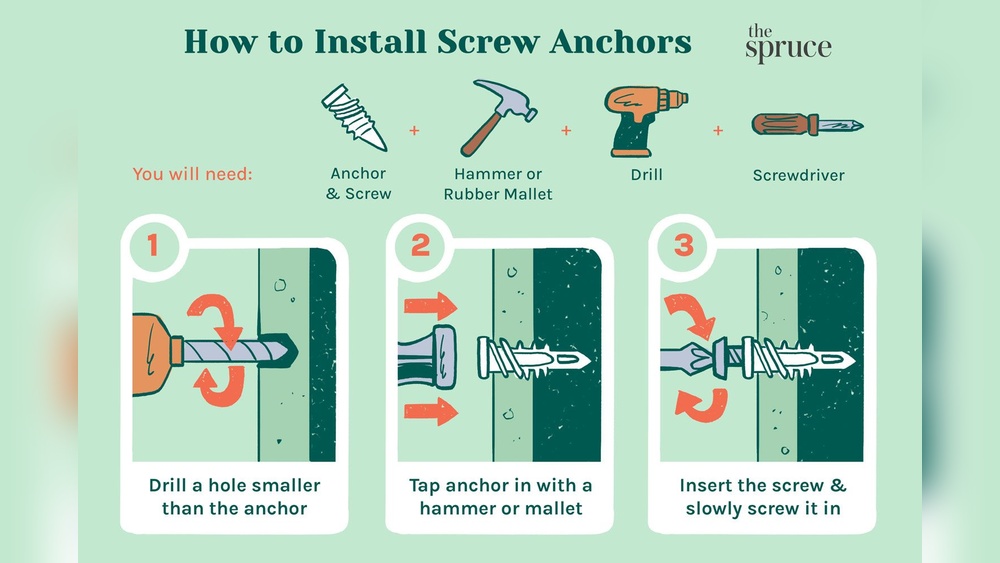
Drilling the hole is the first step to securely place wall anchors. It requires care and the right tools. A properly drilled hole ensures the anchor fits tightly and holds weight well.
Selecting The Correct Drill Bit Size
Choose a drill bit that matches the wall anchor size. The hole should be just wide enough for the anchor to fit snugly. Too small a bit makes it hard to insert the anchor. Too large a bit will cause a loose fit, reducing the anchor’s strength.
Check the anchor package for the recommended drill bit size. If uncertain, test the bit on a scrap piece of wood or drywall. This prevents mistakes on your actual wall.
Drilling Tips For Different Wall Types
Walls differ in material and hardness. Adjust drilling methods based on the wall type.
For drywall, drill slowly to avoid crumbling edges. Use light pressure and steady speed. For plaster walls, start with a small pilot hole. This prevents cracks and damage.
Concrete or brick walls need a masonry bit. Use a hammer drill for easier drilling. Keep the drill steady and let the tool do the work. Avoid pushing hard to prevent bit damage.
Always wear safety goggles to protect your eyes from dust and debris.
Inserting The Wall Anchors
Inserting wall anchors properly is key to secure mounting. It ensures the anchor holds tight and supports the weight. The process varies slightly depending on the wall type and anchor style. This section explains simple ways to insert wall anchors safely and effectively.
Manual Insertion Techniques
Start by aligning the anchor with the hole in the wall. Hold it steady with your fingers. Push the anchor gently into the hole. Use slow, firm pressure to avoid damage. Some anchors may need a slight twist to fit snugly. Stop once the anchor is flush with the wall surface. This method works well for soft walls and plastic anchors.
Using A Hammer Or Tool For Assistance
For tougher walls, gentle tapping helps insert anchors fully. Hold the anchor in place and tap lightly with a hammer. Use small, controlled hits to avoid cracking the wall. A block of wood between hammer and anchor can protect it. Tap until the anchor sits flush with the wall. This technique works best for drywall or plaster walls.
Securing The Anchor
Securing the anchor is a key step in making sure your wall mounting stays strong. The anchor holds the screw tight and prevents it from pulling out. This step is important for safety and durability. Follow the right method to get the best hold from your wall anchor.
Screwing Into The Anchor
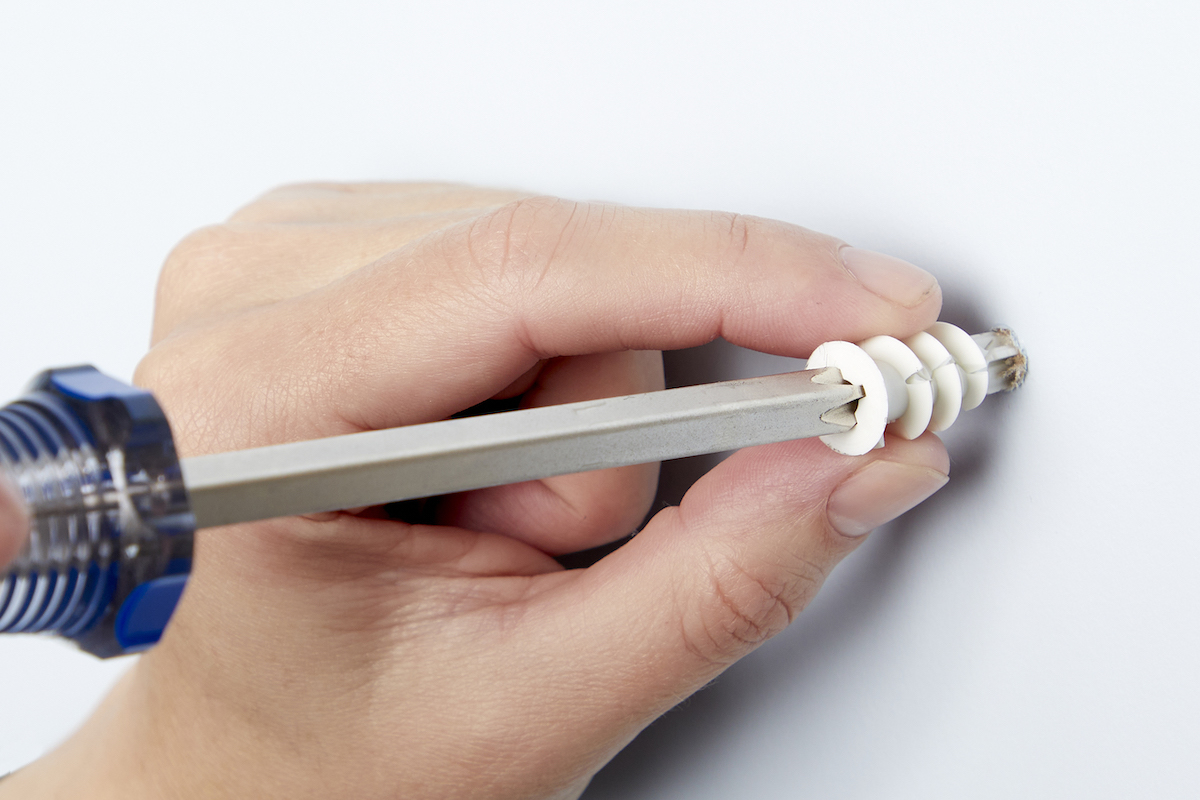
Start by placing the screw at the center of the anchor. Use a screwdriver that fits the screw head well. Turn the screw slowly and steadily. The anchor will expand inside the wall as the screw goes in. Stop when the screw feels tight and does not move easily.
Ensuring A Tight And Strong Hold
Check if the screw is secure by gently pulling on it. The anchor should hold firm without wobbling. If the screw feels loose, tighten it a bit more. Avoid over-tightening to prevent damage to the wall or anchor. A good hold means your item stays safely mounted on the wall.
Troubleshooting Common Issues
Installing wall anchors can sometimes cause problems. These issues can slow down your project or damage your walls. Knowing how to fix common problems helps you finish the job smoothly. Here are solutions for two frequent issues.
Anchor Pulling Out
Anchors pull out when the hole is too big. The anchor does not hold tight in loose drywall. Use a smaller drill bit for a snug fit. Push the anchor gently but firmly into the hole. If it still pulls out, try a different anchor type. Toggle or molly anchors hold better in weak walls.
Wall Damage Prevention
Wall damage happens from forcing anchors or using wrong tools. Drill holes slowly and straight. Avoid drilling too deep or wide. Use a stud finder to avoid hitting pipes or wires. Tap anchors lightly with a hammer. Stop if the wall cracks or crumbles. Repair small holes with spackle before trying again.
Tips For Heavy Objects
Mounting heavy objects on walls needs special care. Using the right techniques keeps your walls safe and your items secure. Follow these tips to handle heavy loads without damage.
Choosing Heavy-duty Anchors
Select anchors made for heavy weights. Look for metal or strong plastic types. Check the package for weight limits. Avoid small or light-duty anchors. Use toggle bolts or molly bolts for extra support. These anchors spread weight better in drywall or plaster.
Distributing Weight Evenly
Place multiple anchors to share the load. Space them apart to avoid stress on one point. Use a level to keep your object balanced. This reduces the risk of the wall cracking or the anchor pulling out. Even weight helps your item stay steady and safe on the wall.
Frequently Asked Questions
What Tools Do I Need To Install Wall Anchors?
You need a drill, drill bit, wall anchors, screwdriver, and a hammer. These tools help create holes and securely insert anchors into walls.
How Do I Choose The Right Wall Anchor Size?
Select an anchor size based on the weight of the object and wall type. Larger anchors hold more weight and suit drywall or masonry walls.
Can I Install Wall Anchors Without Drilling?
Some plastic anchors can be pushed in without drilling. However, drilling ensures a secure fit and prevents wall damage.
How Deep Should I Drill For Wall Anchors?
Drill a hole slightly deeper than the anchor length. This allows the anchor to fit fully without resistance.
Conclusion
Getting wall anchors into your wall is easier than it seems. Start by picking the right anchor for your wall type. Use a drill or screwdriver carefully to avoid damage. Make sure the anchor fits snugly and supports your item well.
With a little patience and the right tools, your anchors will hold strong. This simple skill helps hang pictures, shelves, and more safely. Try it yourself and see how much easier wall mounting becomes. Practice makes perfect, and soon you’ll do it with confidence.