Are you worried about keeping your cabinets secure but unsure if you can install cabinet lock hardware yourself? You’re not alone.
Many people wonder if adding locks to their cabinets is complicated or if it requires special tools. The truth is, with the right guidance, you can easily put cabinet lock hardware in place and protect your belongings. You’ll discover simple steps and helpful tips that make the process straightforward.
Keep reading to find out how you can take control of your cabinet security today.
Credit: www.homedepot.com
Choosing Cabinet Lock Hardware
Choosing the right cabinet lock hardware is important for safety and convenience. It keeps your belongings secure and ensures easy access when needed. Picking the best lock means knowing what types fit your cabinets, what materials last longer, and what size works best with your doors.
Types Of Cabinet Locks
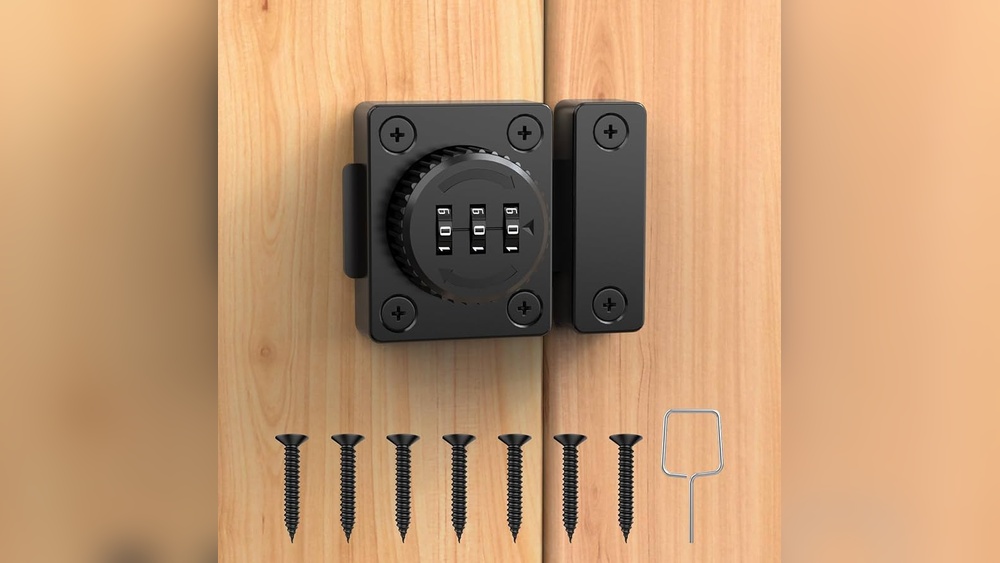
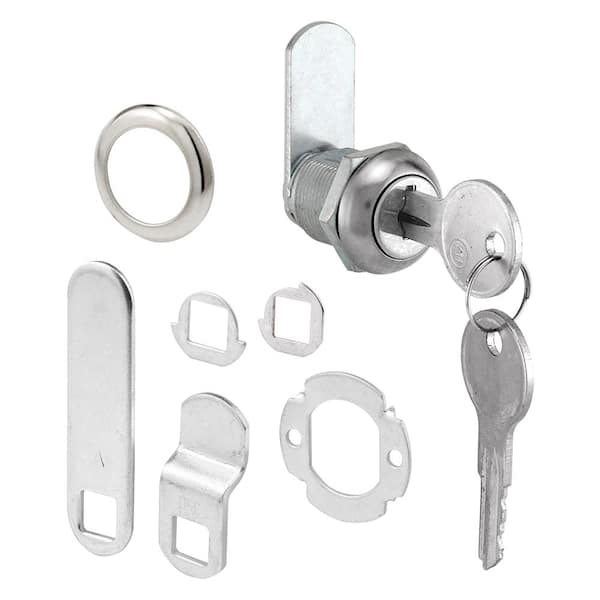
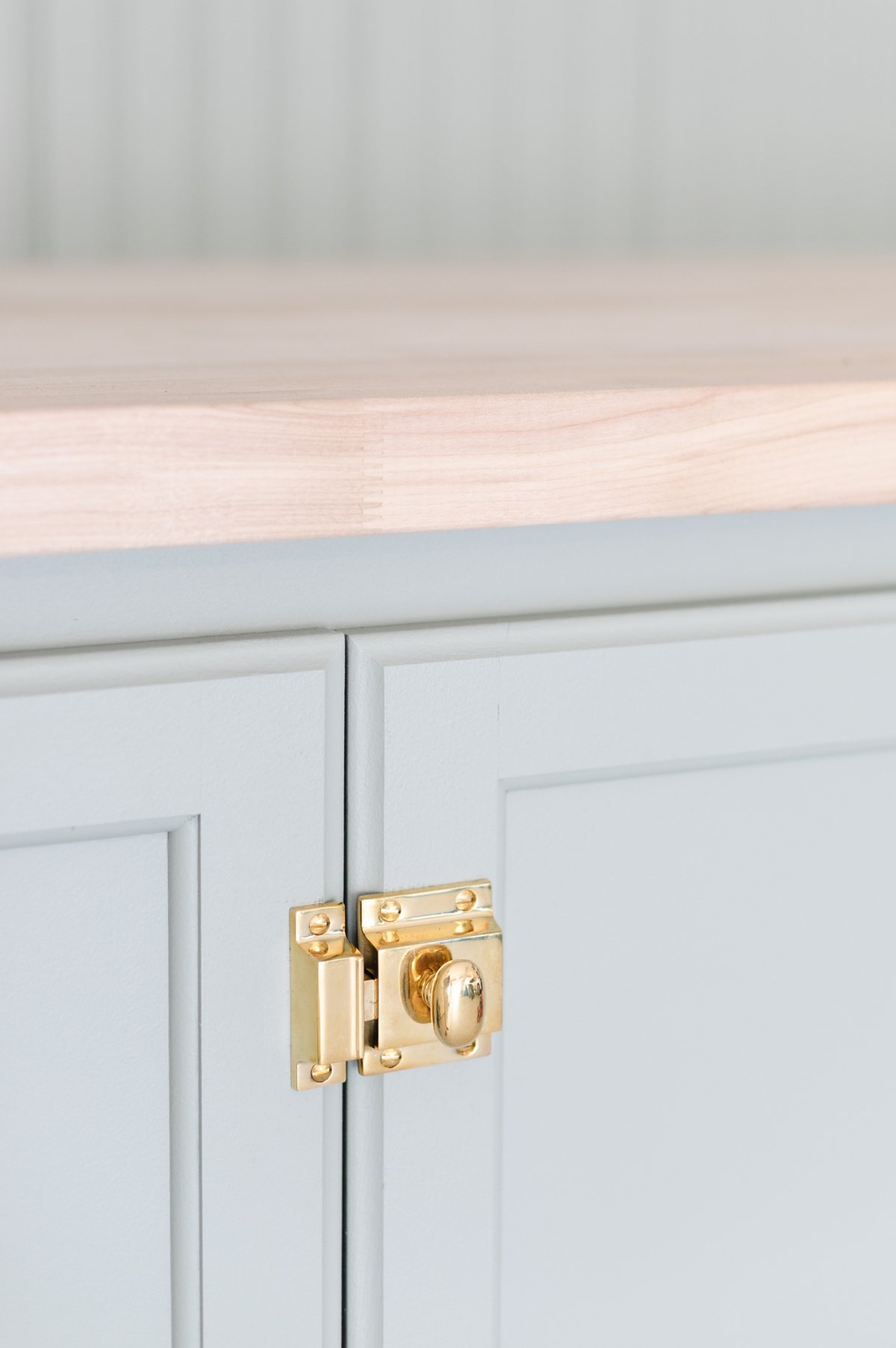
Cabinet locks come in many forms. Cam locks are common and easy to use. Magnetic locks offer hidden security without spoiling cabinet looks. Keyed locks provide strong protection and need a key to open. Combination locks let you use a code instead of keys. Choose a type that matches your security needs and style.
Materials And Durability
Locks made from metal, like stainless steel or brass, last longer. Plastic locks might break or wear out fast. Metal resists rust and damage better. Consider where the cabinet is placed. Moist places need locks that resist moisture and corrosion. Durable materials save money by lasting many years.
Lock Size And Compatibility
Check your cabinet’s door thickness before buying a lock. Locks come in different sizes for different doors. A lock too big or small will not fit or work well. Also, see how the lock installs on your cabinet. Some require drilling; others may stick on. Pick a lock that fits perfectly and is easy to fix.
Credit: julieblanner.com
Tools Needed For Installation
Installing cabinet lock hardware requires some tools to ensure a proper fit. Having the right tools makes the job easier and faster. The tools vary from simple hand tools to power tools for better efficiency. Safety gear is also important to protect yourself during installation.
Basic Hand Tools
Start with a screwdriver set for tightening screws. A measuring tape helps to mark the correct spots. A pencil or marker is useful for marking drilling points. A small hammer might be needed to tap parts gently. A level ensures the lock is straight on the cabinet.
Power Tools For Efficiency
A drill makes holes quickly and accurately. Use drill bits that match the lock screws. A power screwdriver speeds up screw driving. A rotary tool can help if you need to carve small areas. These tools save time and effort during installation.
Safety Equipment
Wear safety goggles to protect your eyes from dust and debris. Gloves protect your hands from sharp edges and splinters. A dust mask keeps you from inhaling particles. Use ear protection if power tools make loud noise. Safety gear keeps you safe and comfortable while working.
Preparing Cabinets For Locks
Preparing cabinets for locks is an important step before installing any lock hardware. It helps ensure the locks fit well and work smoothly. Taking time to prepare your cabinets can save effort later. Proper preparation also helps keep your cabinets looking neat and functioning properly.
Cleaning And Clearing Space
Start by cleaning the cabinet surface where the lock will go. Remove dust, grease, and dirt with a mild cleaner. Clear the area inside and outside the cabinet. This gives you enough space to work and helps the lock stick well. Clean surfaces prevent problems during installation.
Measuring And Marking
Measure the exact spot for the lock using a tape measure or ruler. Mark the location with a pencil. Double-check measurements to avoid mistakes. Accurate marking guides drilling and fitting. It helps the lock sit correctly on the cabinet door or drawer.
Checking Door Alignment
Look at the cabinet doors to see if they close evenly. Misaligned doors can make locks hard to use. Adjust hinges if needed to make doors fit flush. Proper alignment ensures the lock works smoothly and keeps the cabinet secure.
Step-by-step Lock Installation
Installing cabinet lock hardware is easier than it seems. Follow these simple steps to secure your cabinets quickly and safely. Each step focuses on clear actions to help you install the lock correctly. Take your time and work carefully.
Drilling Holes
Start by marking the spot where the lock will go. Use a pencil to make small dots on the cabinet door. Choose a drill bit size that matches the lock hardware. Drill holes carefully at the marked points. Keep the drill steady to avoid cracking the wood. Clean any dust or splinters from the holes.
Attaching Lock Components
Place the lock parts in their correct spots. Insert the lock cylinder into the drilled hole. Secure it with screws provided in the kit. Attach the strike plate on the cabinet frame. Tighten all screws firmly but do not over-tighten. Make sure the lock parts line up perfectly for smooth operation.
Testing Lock Functionality
Turn the key or knob to test the lock. Check if the latch moves freely without sticking. Close the cabinet door and lock it. Open the door to confirm the lock holds properly. Adjust screws or parts if the lock feels loose. Repeat testing until the lock works smoothly every time.
Tips For Secure Lock Placement
Placing cabinet lock hardware correctly is key for strong security. Proper lock placement stops easy access and keeps contents safe. Careful planning helps protect cabinets without harming their look or function.
These tips guide you to place locks securely and safely. Follow them to make your cabinets childproof and damage-free.
Optimal Lock Positioning
Choose a spot where the lock fits snugly and works smoothly. Place locks near door edges for easy reach and strong hold. Avoid areas with hinges or thick frames that block locking. Test lock position before fixing to ensure perfect closure.
Avoiding Damage To Cabinets
Use a pencil to mark drill points clearly. Drill slowly to prevent cracks or splinters in wood. Pick lock sizes that match your cabinet thickness and style. Use screws that fit well without forcing. Protect cabinet finish with tape during installation.
Ensuring Child Safety
Mount locks out of children’s reach, such as top corners. Choose locks that need two hands or special tools to open. Avoid small parts that can come loose and cause choking. Check locks often to keep them tight and working well. Teach older kids about locked cabinets for safety.
Maintaining Cabinet Locks
Maintaining cabinet locks is important to keep them working well. Regular care helps prevent jams and extends their life. Simple steps can keep locks smooth and secure for years.
Regular Cleaning
Dust and dirt can build up inside cabinet locks. Use a soft brush or cloth to clean the outside. For inside parts, use compressed air to blow out debris. Clean locks often to avoid sticky or hard-to-turn keys.
Lubrication Tips
Lubricating cabinet locks keeps parts moving smoothly. Use a graphite powder or silicone spray. Avoid oil-based lubricants as they attract dust. Apply a small amount and turn the key several times. This spreads lubricant evenly inside the lock.
Troubleshooting Common Issues
Locks may get stuck or keys might not turn. Check if dirt or rust blocks the mechanism. Clean and lubricate the lock as needed. If the key breaks inside, use pliers or call a locksmith. Replace worn parts to keep locks working well.

Credit: www.amazon.com
Frequently Asked Questions
Can You Install Cabinet Lock Hardware Yourself?
Yes, you can install cabinet lock hardware yourself with basic tools. Follow the instructions carefully and measure precisely for best results.
What Types Of Cabinet Lock Hardware Are Available?
Common types include cam locks, magnetic locks, and keypad locks. Each offers different security levels and installation processes.
Will Cabinet Lock Hardware Damage My Cabinets?
Properly installed cabinet locks do not damage cabinets. Use the right tools and hardware to avoid scratches or holes.
How To Choose The Right Cabinet Lock Hardware?
Consider your security needs, cabinet material, and lock type. Choose hardware that fits your cabinet size and style.
Conclusion
Cabinet lock hardware offers simple security for your home. You can install it yourself with basic tools. Choose locks that fit your cabinet type and needs. Keep safety in mind, especially around children. Proper installation helps protect your belongings easily.
Small effort, big peace of mind. Try different lock styles to find what works best. Secure cabinets add order and safety to any space.