
Are your cabinet hardware pieces looking worn out or covered in layers of old paint? Stripping paint from them can seem like a tough, messy job—but it doesn’t have to be.
If you want to bring back the shine and charm of your knobs and handles, you’re in the right place. This guide will walk you through simple, effective steps to remove paint safely and easily. Keep reading, and you’ll discover how to transform your hardware without stress or damage.
Your cabinets deserve a fresh look, and you’re just a few steps away from making it happen.
Tools And Materials Needed
Stripping paint from cabinet hardware needs the right tools and materials. Using proper items makes the job easier and safer. Prepare everything before starting to avoid delays.
Gather all tools and materials in one place. This helps keep the workspace clean and organized. It also saves time during the process.
Protective Gear
Wear gloves to protect your hands from chemicals. Use safety glasses to shield your eyes. A mask helps avoid breathing harmful fumes.
Paint Stripper
Choose a paint remover made for metal or wood hardware. Liquid or gel types work well. Check the label for safety instructions.
Scrapers And Brushes
Use plastic or metal scrapers to remove softened paint. Small wire brushes help clean tight spots. Soft bristle brushes work for delicate areas.
Cleaning Supplies
Have rags or paper towels ready for wiping. Use mineral spirits or water to clean residue. A bucket helps with soaking if needed.
Workspace Setup
Cover the surface with newspaper or a drop cloth. Work in a well-ventilated area. Good lighting helps see details clearly.
Safety Tips Before You Start
Before starting to strip paint from cabinet hardware, safety is the top priority. Paint strippers contain strong chemicals that can harm your skin and lungs. Protecting yourself reduces risks and helps the job go smoothly. Simple safety steps make a big difference.
Work in a well-ventilated area. Open windows and use fans to keep fresh air flowing. Avoid breathing in fumes. Wear gloves to protect your hands from chemicals. Use eye protection to guard against splashes. Dress in old clothes or wear a protective apron. Keep children and pets away from the workspace.
Wear Protective Gloves
Use thick gloves made for chemical use. Gloves stop paint stripper from hurting your skin. Change gloves if they tear or get wet. Wash your hands after finishing the job.
Use Safety Goggles
Goggles protect your eyes from splashes. Paint stripper can cause serious eye injuries. Choose goggles that fit well and cover your eyes fully.
Work In A Ventilated Space
Strong fumes from paint removers can cause headaches and dizziness. Open windows and doors. Use fans to move air out. Avoid small, closed rooms.
Protect Your Clothing
Wear old clothes or a protective apron. Paint stripper stains and damages fabrics. Cover your skin to avoid chemical burns.
Keep Away From Children And Pets
Store chemicals out of reach. Keep your workspace separate. Paint stripper is toxic to kids and animals.
Using Chemical Paint Strippers
Using chemical paint strippers is a common way to remove paint from cabinet hardware. These products work by breaking down the paint, making it easier to wipe or scrape off. They save time and effort compared to sanding or manual scraping. Follow safety guidelines and use the right stripper for the best results.
Choosing The Right Stripper
Pick a chemical stripper that suits the paint type and hardware material. Water-based strippers work well on light paints and are less harsh. Solvent-based strippers handle thick or old paint better but need more care. Check product labels and choose one safe for metal surfaces. Avoid strippers with harmful chemicals if possible.
Application Techniques
Apply the stripper evenly using a brush or sponge. Cover all painted areas completely. Let the stripper sit for the time recommended on the label. Watch the paint bubble or soften. Use a plastic scraper to gently remove loosened paint. Avoid metal tools to protect the hardware surface.
Removing Residue
After paint removal, clean off leftover stripper carefully. Use warm water and mild soap for water-based products. For solvent-based strippers, use the recommended neutralizer or mineral spirits. Rinse the hardware thoroughly and dry it well. This step prevents damage and prepares the hardware for refinishing.

Credit: www.littlehouseonthecorner.com
Heat Gun Method
The heat gun method is a popular way to strip paint from cabinet hardware. It uses hot air to soften old paint, making it easier to remove. This method works well on metal and wooden hardware. It saves time and avoids harsh chemicals.
Using a heat gun needs care and attention. The tool gets very hot and can cause burns or damage. Follow safety steps to protect yourself and the hardware.
How To Use A Heat Gun Safely
Wear heat-resistant gloves to protect your hands. Use safety glasses to shield your eyes. Work in a well-ventilated area to avoid breathing fumes. Keep the heat gun moving to stop overheating one spot. Keep the tool at least 6 inches away from the hardware. Always unplug the heat gun after use and let it cool down.
Peeling Off Paint
Turn on the heat gun and aim at the painted surface. Heat the area until the paint bubbles or softens. Use a paint scraper or putty knife to lift the paint gently. Work in small sections for best results. Repeat heating and scraping until all paint is removed. Clean the hardware with a cloth to remove residue.
Soaking In Solvents
Soaking cabinet hardware in solvents is a simple way to remove old paint. This method helps loosen paint layers, making them easier to clean off. It saves time and effort compared to scraping alone.
Choosing the right solvent and soaking for the correct time are key. Let’s explore which solvents work best and how to soak hardware properly.
Best Solvents For Soaking
Paint thinner is a popular choice for soaking cabinet hardware. It dissolves most oil-based paints quickly. Mineral spirits work well too and have a milder smell.
For water-based paints, rubbing alcohol or acetone can be effective. These solvents break down paint without damaging metal hardware. Avoid strong acids or harsh chemicals that can harm the finish or your skin.
Soaking Time And Process
Place hardware pieces in a small container. Pour enough solvent to cover them completely. Let the hardware soak from 15 minutes up to 2 hours.
Check the progress every 20 minutes. Use a soft brush to loosen paint that starts to peel. Avoid soaking too long to prevent damage to delicate parts.
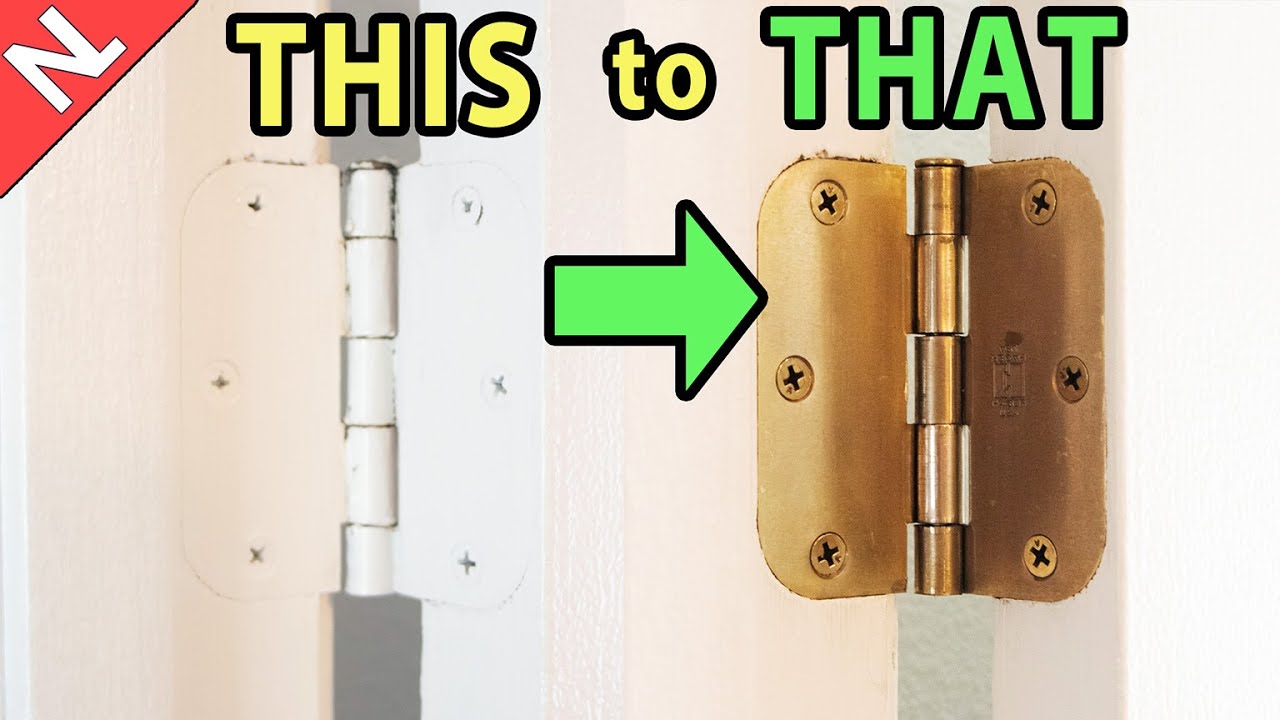
After soaking, rinse hardware with warm water and dry thoroughly. Repeat soaking if paint remains. This method clears paint gently and prepares hardware for refinishing.
Credit: www.youtube.com
Mechanical Methods
Mechanical methods offer a hands-on way to remove paint from cabinet hardware. These techniques involve physical tools to scrape or rub paint off. They are effective for small parts and detailed items. Mechanical methods work well when chemical strippers are not an option. They give you control over the process and reduce mess.
Sanding And Scraping
Sanding is a common way to strip paint from hardware. Use fine or medium-grit sandpaper to avoid damage. Rub gently to remove paint without scratching the metal. Sanding works best on flat or slightly curved surfaces.
Scraping involves using a small tool, like a putty knife or razor blade. Carefully scrape off loose or thick paint layers. Take your time to avoid scratching the hardware. Scraping helps remove paint in tight corners and edges.
Using Wire Brushes
Wire brushes are useful for tough paint spots and textured hardware. Choose a soft or medium wire brush for metal surfaces. Brush in a steady, circular motion to lift paint without harming the metal.
Wire brushes can reach into grooves and crevices. They clean the hardware well and prepare it for repainting or polishing. Use a handheld brush or attach one to a drill for faster work.
Cleaning And Preparing Hardware After Stripping
After stripping paint from cabinet hardware, clean it thoroughly to remove residue. Use warm soapy water and a soft brush for best results. Dry completely before applying any new finish or paint.
Remove Residue With Warm Soapy Water
After stripping paint, hardware often holds leftover chemicals. Use warm water with mild soap to clean it. Soak the pieces for a few minutes. Then, scrub gently with a soft brush or cloth. This step removes paint stripper and dirt. Rinse well with clean water to avoid sticky residue.
Dry Thoroughly To Prevent Rust
Wet hardware can rust quickly. Use a soft towel to dry each piece carefully. Let them air dry completely before storing or repainting. Avoid leaving moisture in crevices or tight spots. Proper drying keeps metal parts safe and ready for the next step.
Inspect For Damage Or Corrosion
Look closely at your hardware after cleaning. Check for rust, cracks, or other damage. Small rust spots may need light sanding or brushing. Replace any parts that are too worn out. Good hardware ensures smooth cabinet operation and a polished look.
Light Sanding For A Smooth Surface
Use fine-grit sandpaper to smooth rough areas. Sanding removes remaining paint flakes and rust spots. It also helps new paint or finish stick better. Work gently to avoid scratching the metal deeply. Clean off dust with a dry cloth after sanding.
Organize Hardware For Easy Access
Keep hardware pieces together in a container or tray. Group similar items to avoid confusion later. Label containers if needed. Organized hardware saves time during reinstallation. It also prevents loss or damage during the project.
Tips To Avoid Damage To Hardware
Stripping paint from cabinet hardware requires care. Hardware is often delicate and can get damaged easily. Using the right methods helps keep it safe and looking good. Follow these tips to avoid harm and get the best results.
Choose The Right Paint Stripper
Select a paint stripper made for metal or wood, depending on your hardware. Avoid harsh chemicals that can eat away the finish or metal. Test the stripper on a small hidden spot first. This step helps prevent unexpected damage.
Use Soft Tools For Scraping
Use plastic or wooden scrapers to remove paint. Metal tools can scratch or dent the hardware. Gentle scraping keeps the hardware surface smooth. Work slowly and carefully to protect details and designs.
Protect Sensitive Areas
Cover parts that do not need paint removal with tape. Use painter’s tape or masking tape for good protection. This prevents accidental damage during stripping. Remove tape carefully after the job is done.
Limit Soaking Time
Do not soak hardware for too long in paint stripper. Long exposure can weaken or discolor metal and finishes. Check hardware often while soaking. Remove it promptly once paint softens.
Rinse And Dry Thoroughly
Rinse hardware well with water after stripping paint. Leftover chemicals can cause corrosion or damage. Dry the pieces fully with a soft cloth. Proper drying keeps hardware safe and ready for reuse.
Restoring And Refinishing Cabinet Hardware
Restoring and refinishing cabinet hardware brings old pieces back to life. It improves the look of your cabinets without buying new hardware. This process saves money and adds a personal touch to your home.
Start by cleaning the hardware to remove dirt and grease. Use warm soapy water and a soft brush. Dry completely before moving to the next step.
Removing Old Paint
Use a paint stripper made for metal hardware. Apply it carefully with a brush. Let it sit for the time the product says. Then, gently scrape off the loosened paint with a plastic scraper. Avoid metal tools to prevent scratches.
Sanding For Smoothness
Light sanding removes leftover paint and smooths the surface. Use fine-grit sandpaper. Sand gently in circular motions. Wipe off dust with a clean cloth before refinishing.
Applying A New Finish
Choose a finish that fits your style, like spray paint or metal polish. Apply thin, even coats. Let each coat dry fully. Multiple coats give a stronger, better look.
Credit: www.reddit.com
Frequently Asked Questions
How Do I Safely Strip Paint From Cabinet Hardware?
Use a chemical paint stripper designed for metal hardware. Apply it carefully with gloves, then scrape off softened paint with a plastic scraper. Always work in a well-ventilated area to avoid inhaling fumes. Test on a small area first to prevent damage.
What Is The Best Method To Remove Paint From Metal Hardware?
Chemical paint strippers or soaking in a paint remover solution are effective. Avoid harsh sanding to prevent scratches. After stripping, clean hardware with warm soapy water and dry thoroughly to prevent rust.
Can I Use Heat To Strip Paint From Cabinet Hardware?
Yes, a heat gun can soften paint for easier removal. Use it carefully to avoid overheating or warping the hardware. Keep the heat source moving and wear protective gloves for safety.
How Long Does Paint Stripping Take On Cabinet Hardware?
Paint stripping usually takes 15 to 30 minutes, depending on the paint type and stripper used. Some layers may require repeated applications. Patience ensures complete removal without damaging the hardware.
Conclusion
Stripping paint from cabinet hardware takes patience and care. Choose the right method for your tools and materials. Always work in a well-ventilated area to stay safe. Protect your hands with gloves during the process. Clean the hardware thoroughly after stripping paint for best results.
Take your time to avoid damage and get a smooth finish. Proper preparation helps your cabinets look fresh and new. Small steps can make a big difference in your project. Now, you are ready to restore your cabinet hardware with ease.

