Are you confused about choosing the right taps for your kitchen or bathroom? You’ve probably come across the terms “deck mounted” and “surface mounted” taps but aren’t sure what sets them apart.
Picking the right type can change how your space looks and works every day. You’ll discover the key differences between deck mounted and surface mounted taps. By the end, you’ll know exactly which option fits your needs, style, and budget.
Keep reading to make the best choice for your home!

Credit: www.aquacubic.com
Deck Mounted Taps
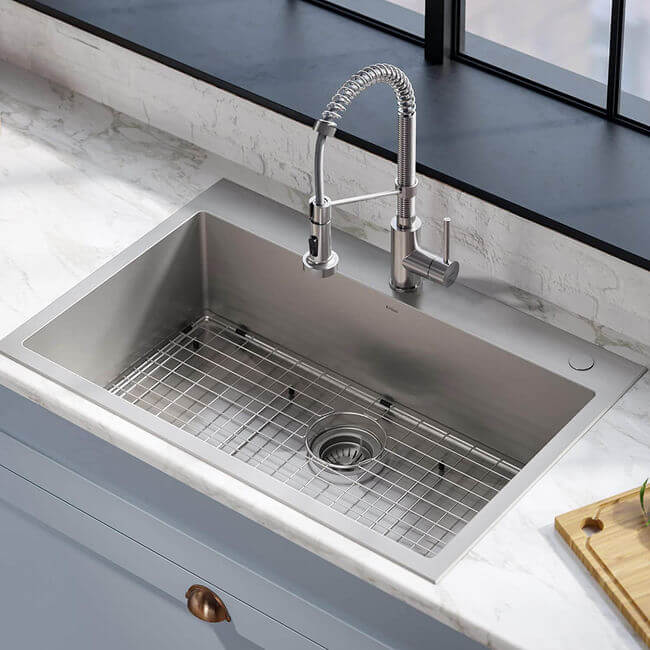
Deck mounted taps are a common choice in many kitchens and bathrooms. These taps are fixed directly onto the sink or countertop surface. The setup allows for a neat and stable installation. They offer a clean look and easy access to water controls.
Installation Process
Deck mounted taps require holes drilled into the sink or countertop. The tap is secured with nuts and washers from below. Water supply lines connect through these holes. Installation needs precise measurements for proper fit and function.
Common Materials
Most deck mounted taps come in brass or stainless steel. These materials resist rust and corrosion. Chrome plating is popular for a shiny finish. Some taps use ceramic discs inside to control water flow.
Advantages
Deck mounted taps offer strong support and stability. They are easier to replace or repair than wall taps. Cleaning around the base is simple. They fit well with standard sink designs and styles.
Popular Applications
Deck mounted taps suit kitchen sinks, bathroom basins, and laundry tubs. They work well in homes, offices, and public spaces. Their design fits small and large sinks alike. This type is common where countertop mounting is possible.
Surface Mounted Taps
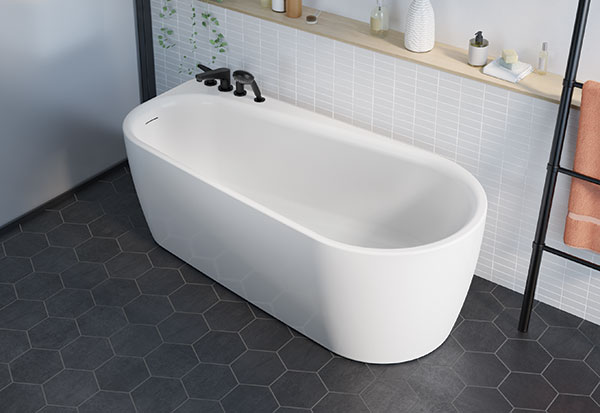
Surface mounted taps sit on top of the surface of a sink or countertop. They connect directly to water pipes beneath the surface. This style is easy to spot and adds a distinct look to kitchens and bathrooms.
They offer flexibility in placement and design. Surface mounted taps are popular in many homes and commercial spaces due to their practical setup.
Installation Process
Surface mounted taps require holes drilled into the sink or countertop. The tap base fits over these holes. Water supply lines connect through these openings. Installation is usually quicker than other types. No need to alter the wall or hidden plumbing.
Common Materials
These taps come in materials like stainless steel, brass, and chrome. Stainless steel resists rust and lasts long. Brass offers durability and a classic look. Chrome adds shine and easy cleaning. Material choice affects price and style.
Advantages
Surface mounted taps are simple to install and maintain. They allow easy access to plumbing for repairs. Their design suits both modern and traditional settings. They also prevent water leakage inside walls or under counters. This reduces damage risk.
Popular Applications
Commonly found in kitchens, bathrooms, and laundry rooms. Surface mounted taps work well in commercial spaces like cafes. They fit areas needing quick installation and easy repair. Also used in outdoor settings like garden sinks.
Key Differences
Understanding the key differences between deck mounted and surface mounted taps helps you choose the best option. Each type has unique features that affect design, installation, maintenance, and cost. Knowing these differences makes your decision easier and suits your needs better.
Design And Placement
Deck mounted taps attach directly to the sink or countertop. They offer a clean and integrated look. Surface mounted taps fix to the wall, keeping the countertop clear. This design suits small spaces or modern bathrooms. Placement affects the overall style and usability of your sink area.
Installation Complexity
Deck mounted taps need holes in the countertop or sink for fitting. Installation is usually simpler and faster. Surface mounted taps require plumbing inside the wall. This makes installation more complex and time-consuming. Wall access and proper sealing are critical for surface mounted taps.
Maintenance And Durability
Deck mounted taps are easier to reach for cleaning and repairs. Surface mounted taps have pipes hidden in the wall, protecting them from damage. However, fixing leaks may require wall work. Durability depends on the materials and quality of the taps.
Cost Considerations
Deck mounted taps generally cost less to buy and install. Surface mounted taps may need more plumbing work, increasing costs. Long-term maintenance can also add expenses for surface mounted taps. Budget your project according to these factors for the best value.
Choosing The Right Tap
Choosing the right tap is important for your kitchen or bathroom. The tap you select affects style, space, and ease of use. Deck mounted and surface mounted taps suit different needs. Understanding their differences helps you pick the best one for your space.
Space And Layout Factors
Consider the available space around your sink. Deck mounted taps fit directly on the sink or countertop. They save wall space and work well with smaller areas. Surface mounted taps attach to the wall above the sink. They need clear wall space and can free up countertop room. Measure your space carefully before choosing.
Aesthetic Preferences
Tap design impacts your room’s look. Deck mounted taps offer a classic and neat appearance. They blend well with many kitchen and bathroom styles. Surface mounted taps provide a modern, streamlined look. They create a clean wall line and highlight tile or splashback design. Choose the style that matches your decor.
Functionality Needs
Think about how you use your tap daily. Deck mounted taps are easy to install and repair. They usually allow better control of water flow and temperature. Surface mounted taps keep the sink area clear. They can be easier to clean around and reduce water splashes. Pick the tap that fits your routine best.
Budget Constraints
Price often guides tap choice. Deck mounted taps are generally less expensive and simple to fit. Surface mounted taps may cost more due to installation complexity. Wall plumbing might require extra work and materials. Balance cost with your needs and preferences for a smart purchase.
Installation Tips
Installing deck mounted and surface mounted taps needs care and the right tools. Proper installation helps avoid leaks and damage. Here are some tips to guide you through the process.
Tools Required
Gather tools before starting the installation. You will need a wrench, screwdriver, plumber’s tape, and a pipe cutter. A silicone sealant helps to seal gaps. Make sure you have a bucket or towels to catch water spills. Having all tools ready saves time and prevents mistakes.
Common Mistakes To Avoid
Do not overtighten the taps; it can damage the fittings. Avoid skipping the plumber’s tape on threads; it prevents leaks. Check water pipes for damage before connecting taps. Do not force taps into place; they should fit smoothly. Always follow the instructions that come with your tap model.
Professional Vs Diy
Simple installations can be done by yourself if you have tools and patience. Complex plumbing or old pipes need a professional. Professionals ensure the job is done right and safe. Hiring an expert can save money on future repairs. Choose based on your skill level and the project size.
Credit: www.diffen.com
Maintenance And Care
Proper maintenance and care keep taps working well. Both deck mounted and surface mounted taps need regular attention. This helps avoid leaks and damage. Understanding simple care steps saves money on repairs.
Cleaning Techniques
Use a soft cloth and mild soap to clean taps. Avoid abrasive cleaners that can scratch surfaces. Wipe taps dry after cleaning to prevent water spots. Clean aerators regularly to remove mineral buildup. This keeps water flow steady and smooth.
Troubleshooting Common Issues
Check for drips or leaks around the tap base. Tighten loose parts gently to stop leaks. If water pressure drops, clean the aerator or pipes. Replace worn washers or seals to fix dripping taps. Call a plumber if problems persist beyond simple fixes.
Extending Tap Lifespan
Turn taps off gently to avoid wear on parts. Avoid using excessive force on handles. Regularly inspect taps for signs of rust or damage. Replace faulty parts quickly to prevent bigger issues. Keep taps dry when not in use to avoid corrosion.
Credit: fleurco.com
Frequently Asked Questions
What Is A Deck Mounted Tap?
A deck mounted tap is installed directly on the sink or countertop. It requires holes drilled into the surface. These taps offer a neat, integrated look and are common in kitchens and bathrooms.
How Does Surface Mounted Tap Differ From Deck Mounted?
Surface mounted taps are attached to the wall, not the sink. They save countertop space and provide easier cleaning. Deck mounted taps rest on the sink, while surface mounted taps hang from the wall.
Are Deck Mounted Taps Easier To Install?
Deck mounted taps are generally easier to install. They only need holes drilled in the sink or counter. Surface mounted taps require plumbing within the wall, making installation more complex and time-consuming.
Which Tap Type Saves More Countertop Space?
Surface mounted taps save more countertop space as they are wall-attached. Deck mounted taps occupy sink or countertop area. Surface mounting is ideal for small or minimalist bathrooms and kitchens.
Conclusion
Deck mounted and surface mounted taps suit different needs and spaces. Deck mounted taps fit well on sinks or counters. Surface mounted taps install on walls, saving countertop room. Both types offer good water control and style options. Consider your space, plumbing, and design before choosing.
Each tap type has clear benefits. Choose what matches your bathroom or kitchen best. Simple choices lead to better use and comfort.