Have you ever struggled to securely attach signs, nameplates, or decorative items without nails or screws? If so, you need to know about plate mounting tape.
This simple yet powerful tool can make your projects easier and cleaner. You’ll discover exactly what plate mounting tape is, how it works, and why it could become your go-to solution for quick, strong, and invisible bonding. Keep reading—you’re about to unlock a smart way to stick things perfectly every time.
Plate Mounting Tape Basics
Plate mounting tape is a useful adhesive tool. It helps fix plates and signs firmly on surfaces. This tape offers a clean and quick solution for mounting tasks. Understanding its basics can help you use it well.
Below are key points about plate mounting tape. Learn about its materials, types, and common uses. This knowledge helps in choosing the right tape for your needs.
Material Composition
Plate mounting tape is made from special adhesive materials. Usually, it contains acrylic or rubber-based adhesives. These adhesives stick strongly to many surfaces. The tape’s backing is often made of foam or plastic. Foam backing helps fill gaps and uneven surfaces. Plastic backing offers a smooth, thin layer for flat mounts.
Types Of Tape
Several types of plate mounting tape exist. Double-sided foam tape is popular for its strong hold. It works well on rough and smooth surfaces. Thin double-sided tape suits flat, smooth objects. Some tapes are weather-resistant for outdoor use. Choose tape based on surface and use conditions.
Common Uses
Plate mounting tape is great for signs and nameplates. It fixes metal, plastic, and glass plates easily. Many use it for crafts and home projects. It also helps in office setups and displays. The tape holds items securely without nails or screws.
Benefits For Printing
Plate mounting tape plays an important role in the printing process. It helps keep printing plates in the right place. This support improves many parts of printing. The benefits of plate mounting tape make printing easier and better.
Enhanced Print Quality
Plate mounting tape keeps the plate steady. This steadiness stops any movement during printing. The result is sharp and clear images. Colors stay true and lines stay crisp. It reduces errors and wasted materials.
Improved Adhesion
The tape sticks firmly to the plate and press. This strong grip avoids slipping or lifting. It helps maintain exact alignment for each print. The bond between plate and press stays reliable. This leads to consistent results every time.
Durability And Flexibility
Plate mounting tape is both tough and flexible. It absorbs pressure evenly across the plate. This prevents damage to delicate parts of the plate. The tape also handles heat and pressure well. It lasts long and keeps the printing smooth.
Choosing The Right Tape
Choosing the right plate mounting tape is important for a smooth printing process. The tape holds the plate firmly in place. It also affects the print quality and ease of use. Selecting the correct tape depends on several factors. These include tape thickness, adhesive strength, and compatibility with the plates. Understanding these points helps pick the best tape for your needs.
Thickness Options
Tape thickness varies from thin to thick. Thin tapes provide precise plate positioning. They reduce the chance of misalignment. Thicker tapes can absorb small surface bumps. This helps create an even print. Choose a thickness that matches your press and plate type.
Adhesive Strength
Adhesive strength determines how well the tape holds the plate. Strong adhesives keep plates secure during printing. Too strong adhesive may damage the plate when removed. Medium strength tapes balance hold and easy removal. Match the adhesive strength to your printing conditions.
Compatibility With Plates
Not all tapes work with every plate material. Some tapes suit photopolymer plates better. Others work well with rubber or metal plates. Check tape labels for compatibility information. Using the right tape protects your plates and improves print results.
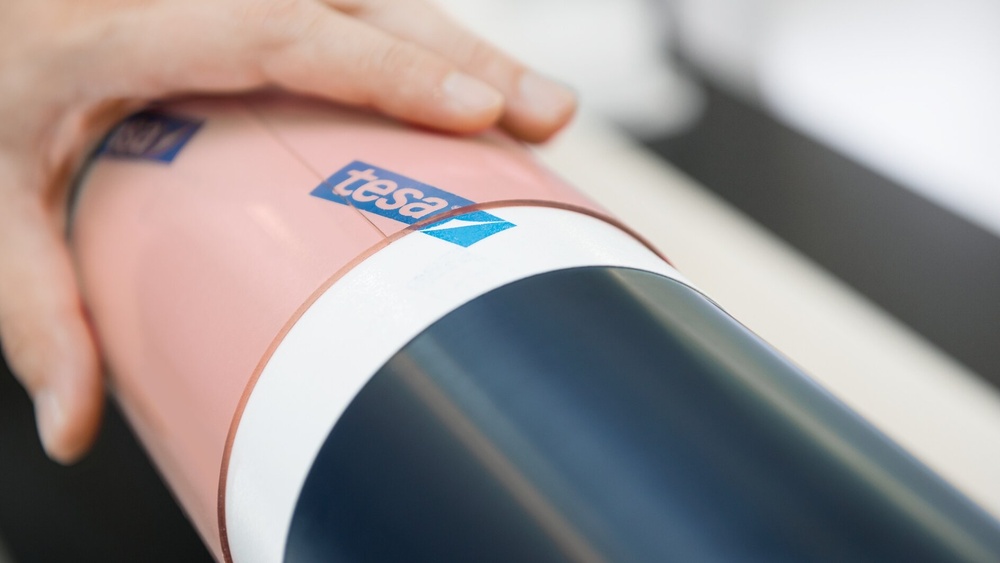
Credit: www.tesa.com
Application Techniques
Applying plate mounting tape correctly is key to getting a strong bond. Good technique helps the tape stick well and hold the plate firmly. Careful steps during application reduce errors and improve results. Follow the right methods to make the process smooth and effective.
Surface Preparation
Clean the surface before applying the tape. Use a cloth and rubbing alcohol to remove dirt and oil. A clean surface helps the tape stick better. Let the area dry completely. Avoid dusty or wet surfaces for best results.
Proper Alignment
Place the tape carefully on the plate or surface. Check that it lines up correctly before pressing down. Proper alignment prevents the plate from being crooked. Take your time to position it right the first time. Small adjustments after sticking are hard to fix.
Removing Air Bubbles
Press the tape firmly to push out air bubbles. Use a flat tool or a card to smooth the tape. Start from the center and move toward the edges. This step ensures full contact between the tape and surface. Air bubbles weaken the bond and cause lifting later.
Common Mistakes To Avoid
Using plate mounting tape may seem simple, but many make mistakes that affect results. These errors can cause poor adhesion and wasted materials. Avoiding common mistakes helps the tape work well and last longer.
Incorrect Tape Selection
Choosing the wrong type of tape is a common error. Different tapes suit different surfaces and weights. Use a tape designed for your specific plate material. A poor choice can cause the tape to peel or fail quickly.
Poor Surface Cleaning
Dirty or oily surfaces stop the tape from sticking properly. Clean the plate and the mounting surface before applying the tape. Use rubbing alcohol or a suitable cleaner. Skipping this step leads to weak bonds and quick failure.
Inconsistent Pressure
Applying uneven pressure can cause air bubbles and weak spots. Press the tape down firmly and evenly across the whole surface. Use a roller or your fingers to smooth out the tape. Consistent pressure ensures strong, lasting adhesion.
Maintenance And Storage Tips
Proper maintenance and storage help keep plate mounting tape effective. Good care extends tape life and saves money. Follow simple steps for best results.
Storage Conditions
Store tape in a cool, dry place away from sunlight. Avoid heat and moisture that can weaken adhesive. Keep tape in original packaging to protect it.
Handling For Longevity
Handle tape with clean hands to avoid dirt and oils. Always use scissors or a sharp blade to cut tape cleanly. Avoid stretching tape during application to prevent damage.
Replacing Old Tape
Replace tape if it loses stickiness or shows signs of damage. Old tape can cause poor prints or misalignment. Regularly check tape condition before each use.
Troubleshooting Print Issues
Plate mounting tape plays a key role in printing quality. Problems with the tape can cause print issues. Understanding these issues helps fix them quickly. This section covers common problems and how to solve them.
Adhesion Failures
Adhesion failures happen when the tape does not stick well. Poor surface cleaning causes this issue. Dust or oil on the plate or press can stop the tape from sticking. Using old or low-quality tape also leads to weak adhesion. Always clean surfaces before applying tape. Replace tape regularly for best results.
Print Distortions
Print distortions appear as uneven or blurry images. This issue can occur if the tape is too thick or too thin. Uneven pressure during mounting also causes distortions. Check tape thickness and use the right type for your job. Apply even pressure when mounting plates. This helps achieve sharp, clear prints.
Tape Residue Problems
Tape residue can stick to plates or presses after removal. Residue causes print defects and machine damage. Removing tape slowly reduces residue left behind. Use cleaning solutions designed for tape residue. Avoid excessive heat or pressure during mounting to minimize residue buildup.
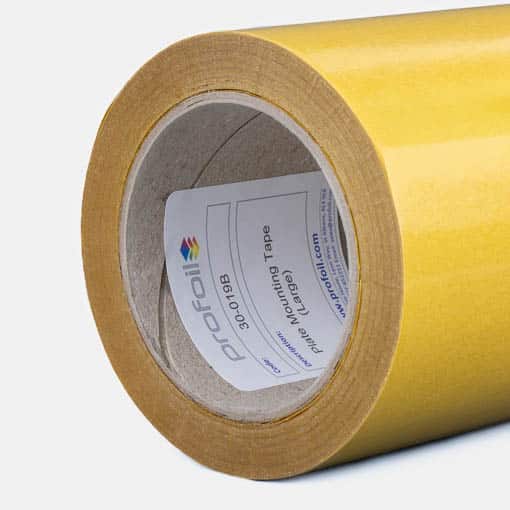
Credit: www.profoil.com
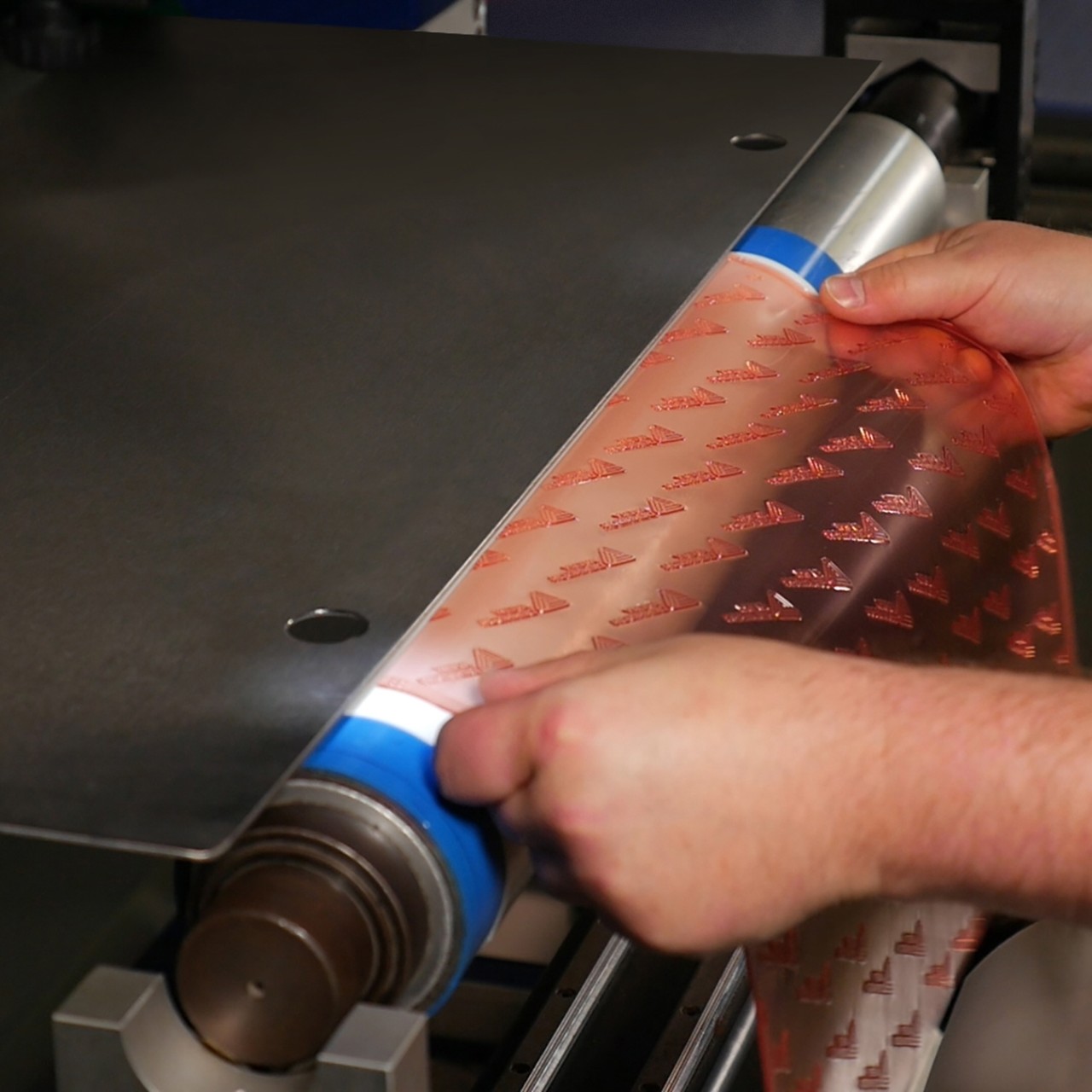
Credit: tapes.averydennison.com
Frequently Asked Questions
What Is Plate Mounting Tape Used For?
Plate mounting tape securely attaches printing plates to press cylinders. It provides a stable, even surface for consistent print quality. The tape absorbs vibrations and reduces plate movement during printing.
How Does Plate Mounting Tape Improve Print Quality?
The tape offers a smooth, cushioned layer that ensures precise plate positioning. It minimizes printing defects like ghosting and uneven ink distribution. This leads to sharper images and consistent print results.
What Materials Are Plate Mounting Tapes Made From?
Plate mounting tapes are typically made from foam or rubber adhesives. These materials provide durability, flexibility, and good compression properties. They help maintain plate alignment and resist wear during printing.
Can Plate Mounting Tape Be Reused?
Generally, plate mounting tape is designed for single use. Reusing it may reduce adhesion and cause print quality issues. For best results, replace the tape with each new printing plate installation.
Conclusion
Plate mounting tape holds signs and plates firmly in place. It sticks well and is easy to use. This tape works on many surfaces like metal, plastic, and glass. It helps keep items neat and secure without nails or screws.
Choosing the right tape saves time and effort. Now, you know what plate mounting tape is and why it matters. Simple, strong, and reliable—this tape fits many needs. Give it a try for your next project.