Have you ever stuck something with permanent mounting tape and later wished you hadn’t? Removing it can feel like a frustrating battle, leaving sticky residue or damaging your surfaces.
But don’t worry—you’re not stuck with the mess. You’ll discover simple, effective ways to remove permanent mounting tape without stress or damage. Keep reading, and you’ll learn how to make your surfaces clean and smooth again, quickly and easily.
Types Of Permanent Mounting Tape
Permanent mounting tape is a popular choice for bonding objects securely. Different types of tape exist, each made for specific surfaces and weights. Understanding these types helps in choosing the right tape and removing it safely.
Common Materials Used
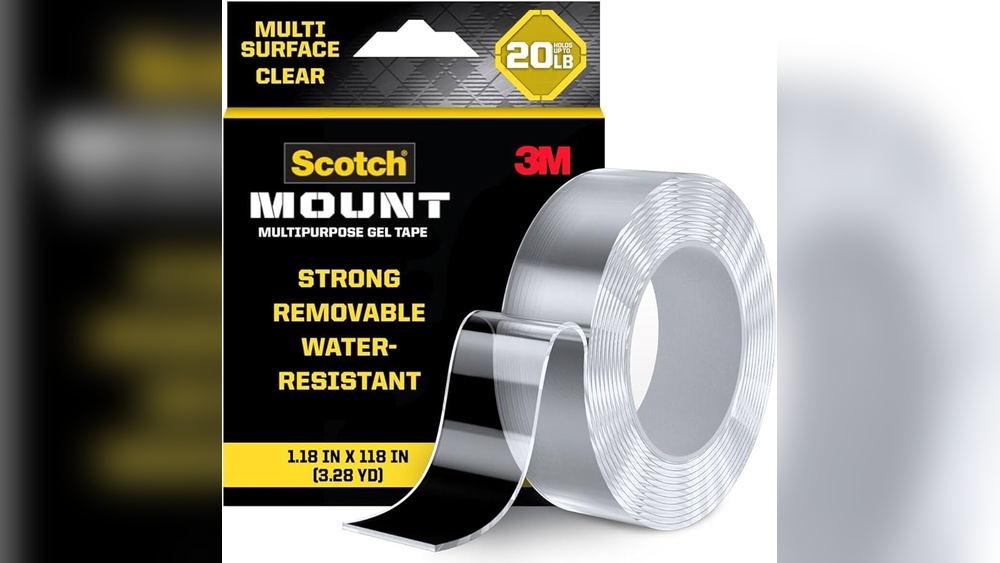
Permanent mounting tapes come in various materials. Acrylic is popular for its strong hold and weather resistance. Double-sided foam tape offers cushioning and works well on uneven surfaces. Some tapes use rubber adhesives for quick stick and strong grip. The backing material also varies, including paper, plastic, or foam, affecting flexibility and strength.
Differences In Adhesive Strength
Adhesive strength differs among tapes. Some have high tack adhesives for heavy items, holding tight for a long time. Others have medium strength, easier to remove but still reliable. The adhesive type affects how tape reacts to heat, moisture, and surface texture. Knowing the strength helps decide removal methods without damage.
Tools And Supplies Needed
Removing permanent mounting tape requires the right tools and supplies. The correct items make the job easier and protect your surfaces. This section lists common household items and specialized products for tape removal.
Household Items
Start with simple items found in your home. A hairdryer helps soften the adhesive by applying gentle heat. Use a plastic scraper or old credit card to lift the tape edges safely. Rubbing alcohol or vinegar can break down sticky residue. Paper towels or soft cloths clean the surface after tape removal.
Specialized Products
Some tasks need stronger, purpose-made products. Adhesive removers like Goo Gone or WD-40 dissolve tough glue. These products reduce scraping and protect surfaces from damage. Use gloves to protect your skin while handling chemicals. Always test specialized products on a small area first.
Step-by-step Removal Methods
Removing permanent mounting tape can feel tricky. The tape sticks very well and leaves residue. Following clear steps helps to remove the tape without damage. This guide breaks down three easy methods. Each method works well on different surfaces and situations.
Using Heat To Soften Adhesive
Heat makes the adhesive soft and easier to remove. Use a hair dryer on low heat. Hold it a few inches from the tape. Warm the tape for about 30 seconds. The heat loosens the glue’s grip. After heating, gently peel the tape off. Repeat heating if the tape resists.
Applying Solvents Safely
Solvents break down sticky residue left behind. Choose a gentle solvent like rubbing alcohol or vinegar. Test the solvent on a hidden spot first. Apply a small amount on a cloth. Dab it on the tape residue carefully. Let it sit for a few minutes. Wipe the area with a clean cloth to remove residue.
Peeling Techniques For Clean Removal
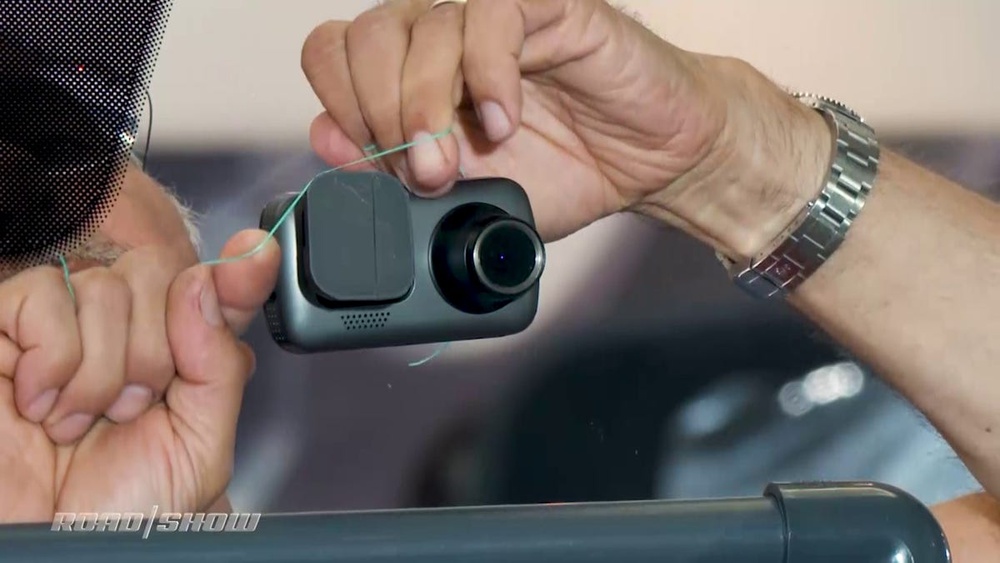
Peeling slowly prevents surface damage. Start at one corner of the tape. Pull the tape back at a low angle. Use steady, slow movements. Avoid pulling too fast or sharply. If the tape tears, heat or solvent can help loosen it. Clean the surface after removal for best results.
Credit: www.youtube.com
Preventing Surface Damage
Removing permanent mounting tape can be tricky. The tape sticks firmly, but the surface below is often delicate. Avoiding damage is key to a clean, safe removal process.
Taking the right steps protects walls, furniture, and other surfaces. It also saves time and effort in repairs later. Careful handling and proper tools make all the difference.
Protective Measures
Test a small hidden area first. This shows if the surface can handle heat or cleaning products. Use gentle tools like plastic scrapers or old credit cards. Avoid metal tools that scratch or gouge surfaces.
Work slowly to prevent pulling paint or finish off. Keep edges moist with a little heat or oil to soften the tape. Protect surrounding areas with tape or cloth to catch drips or scraps.
Safe Cleaning Practices
Use mild cleaners like warm soapy water or rubbing alcohol. Avoid harsh chemicals that can discolor or weaken surfaces. Apply cleaners with soft cloths, not rough sponges.
Remove sticky residue gently. Dab, do not rub hard. Let the cleaner sit a moment to break down glue. Rinse surfaces well and dry completely to avoid damage from moisture.
Dealing With Residue
Removing permanent mounting tape often leaves sticky residue behind. This residue can be stubborn and messy. Dealing with it properly protects your surfaces and makes cleanup easier. Choosing the right remover is key to avoid damage. Some options work fast but may be harsh. Others take longer but are gentle on surfaces.
Effective Residue Removers
Commercial adhesive removers work well on tough residue. These products dissolve sticky glue quickly. Apply a small amount to a cloth or sponge. Gently rub the residue until it loosens. Wipe the area with a clean cloth afterward. Always test removers on a small spot first. This prevents any damage or discoloration. Wear gloves to protect your skin. Avoid using harsh chemicals on delicate surfaces.
Natural Alternatives
Natural options offer a safer way to clean residue. Vegetable oil or olive oil softens sticky glue. Apply oil on the residue and let it sit for 5 minutes. Rub gently with a cloth to remove the residue. Vinegar and warm soapy water also help. Use a soft cloth soaked in vinegar to rub the area. These methods take more time but are gentle. They are ideal for sensitive surfaces or kids’ spaces.
Credit: www.youtube.com
When To Seek Professional Help
Removing permanent mounting tape can be tricky. Some tapes stick very tight and can damage surfaces if removed carelessly. Knowing when to seek professional help saves time and avoids damage. Experts have the right tools and skills to handle tough tape removal safely.
Signs Of Difficult Removal
The tape pulls hard and does not come off easily. It leaves sticky residue that won’t clean with normal methods. The surface underneath shows signs of damage or looks fragile. The tape covers sensitive or valuable items. You have tried multiple ways, but the tape stays firmly in place.
Finding Reliable Services
Choose professionals with experience in tape removal and surface care. Look for services that use gentle, safe methods. Check reviews to see if customers were satisfied with results. Confirm they offer protection for your property during removal. A good service answers questions and explains their process clearly.
Credit: www.avluocakbasi.com
Frequently Asked Questions
How Do I Safely Remove Permanent Mounting Tape?
To safely remove permanent mounting tape, use heat from a hairdryer to soften the adhesive. Gently peel off the tape using a plastic scraper. Avoid using sharp tools to prevent surface damage. Clean residue with rubbing alcohol or adhesive remover.
What Household Items Remove Mounting Tape Residue?
Common household items like rubbing alcohol, vinegar, and cooking oil help remove mounting tape residue. Apply the liquid to the residue, let it sit for a few minutes, then gently rub with a cloth. This softens the adhesive for easy removal.
Can Heat Help Remove Permanent Mounting Tape?
Yes, heat softens the adhesive on permanent mounting tape, making removal easier. Use a hairdryer on medium heat, focusing on the tape area. Warm the tape for a few minutes before peeling it off slowly to avoid damage.
Will Adhesive Remover Damage Surfaces?
Adhesive removers are generally safe but test on a small area first. Choose removers suitable for your surface type. Use sparingly and follow instructions to avoid discoloration or damage. Always clean the area after removal to eliminate residue.
Conclusion
Removing permanent mounting tape takes patience and the right tools. Start gently to avoid damage to surfaces. Use heat or oil to soften the adhesive. Peel slowly to keep things clean and safe. Clean the area well after removal to get rid of residue.
Small steps make the job easier and less frustrating. Now, you can enjoy a smooth, tape-free surface with little effort.