Are you struggling to find the perfect taper for your long-range mount? Getting this right can make all the difference in accuracy and comfort when you’re out on the range.
But how much taper do you really need? Choosing the wrong taper might leave you frustrated, wasting time and money on adjustments. You’ll discover exactly what taper suits your setup, why it matters, and how to pick the best one for your shooting style.
Keep reading to unlock the secret to a stable, reliable long-range mount that works just for you.
Taper Basics
Understanding taper is key for choosing the right long range mount. It affects how your scope fits and stays steady on your rifle. Knowing the basics helps you pick the best taper for accuracy and stability. Let’s explore what taper means and the common types used in mounts.
What Is Taper
Taper is the slight angle or slope on the mount’s surface. It allows the mount to fit snugly on the rifle’s rail. The taper helps lock the mount firmly in place. This stops any movement or wobble during shooting. The correct taper size ensures a stable and secure fit.
Common Taper Types
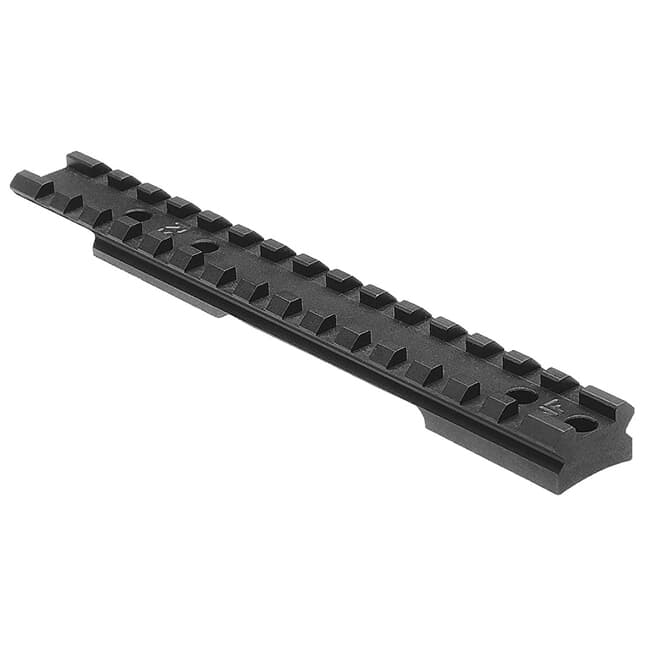
The most common tapers are 17 and 20 MOA (Minutes of Angle). MOA measures the angle of the taper. A 20 MOA taper tilts the scope down slightly to help aim higher at long distances. A 17 MOA taper offers a smaller angle, good for moderate adjustments. Flat mounts have no taper and keep the scope level with the rifle.
Choosing the right taper depends on your shooting needs. Longer shots usually need more MOA taper for better elevation. Shorter ranges or hunting may work well with less or no taper.
Importance Of Taper In Long Range Mounts
The taper on a long range mount is a small detail with a big role. It affects how your rifle and scope work together. Choosing the right taper helps keep your shots steady and true.
Understanding taper helps you pick the best mount for your shooting style. It ensures your equipment fits well and stays firm during use.
Impact On Accuracy
The taper affects how tightly the mount holds the scope. A proper taper reduces movement and wobbling. This keeps your aim steady for better shot precision. Even slight shifts can change where the bullet hits. A good taper keeps your shots consistent.
Mount Stability
A stable mount stops the scope from moving under recoil. The taper design spreads the force evenly across the mount. This reduces stress on the parts and keeps the mount solid. Stability means your scope stays aligned shot after shot. This is key for long range success.
Compatibility With Rifles
Different rifles need different taper angles. The mount must match the rifle’s base shape. A wrong taper can cause poor fit and damage. Matching taper ensures the mount fits snugly and safely. This helps your gear last longer and work better together.
Measuring Taper
Measuring taper on a long range mount is key for accuracy. The taper affects how well the scope fits and stays aligned. Knowing the exact taper helps you pick the right mount and avoid issues.
Accurate measurement requires some simple tools and careful steps. Follow this guide to get clear and precise taper measurements.
Tools Needed
You need a few basic tools for measuring taper. A caliper is best for precise reading. A ruler can work but may be less accurate. Also, a flat surface helps keep measurements steady. Use a protractor if you want to check angles.
Step-by-step Measurement
First, clean the mount surface to remove dirt or oil. Place the mount on a flat table. Use the caliper to measure the width at the widest point. Then measure the width at the narrowest point. Note both numbers carefully. Calculate the difference between the two widths. This difference shows the taper amount. Measure the length of the tapered section too. This helps you understand how gradual the taper is. Record all values clearly for reference.
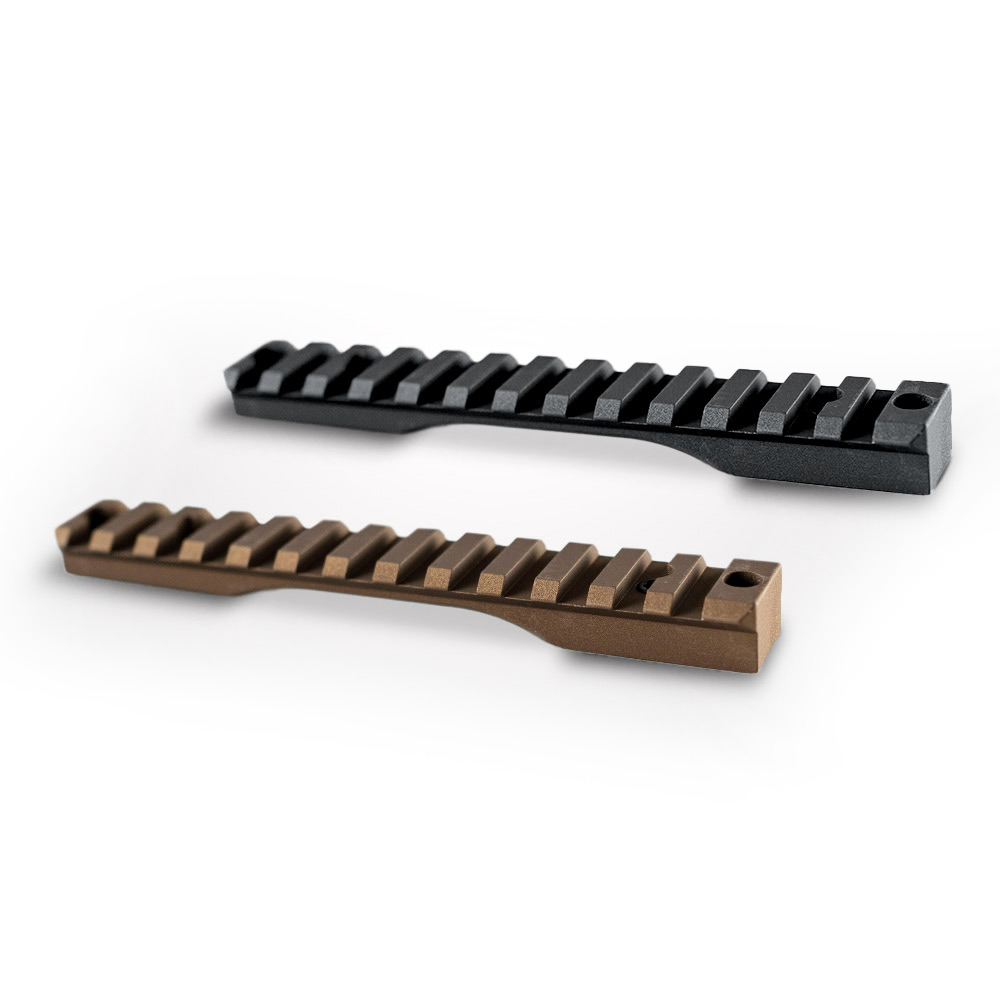
Credit: christensenarms.com
Choosing The Right Taper
Choosing the right taper for your long range mount is important. It affects how stable and accurate your setup will be. A good taper helps your scope stay aligned and reduces movement during shooting.
Many shooters do not realize the difference a proper taper can make. It also helps in fitting the scope rings perfectly. Understanding the basics can save you time and improve your shooting experience.
Factors To Consider
First, check the type of rifle and scope you have. Different rifles may require different tapers. Consider the weight of your scope too. Heavier scopes might need a stronger taper to hold them steady.
Think about the distance you will shoot. Longer distances need more precise alignment. This means the taper must be consistent and smooth. Also, look at the material of the mount. Some materials handle stress better than others.
Matching Taper To Scope Rings
Your scope rings must match the taper of your mount. A mismatch can cause poor fit and movement. Measure the diameter of your scope tube and the inside of the rings.
Choose rings that match the taper angle and size exactly. This ensures a tight fit and better accuracy. Tight rings hold the scope firmly without damaging it. Proper matching also helps in easy installation and removal.
Common Mistakes To Avoid
Choosing the right taper for your long range mount is critical. Many shooters make simple mistakes that affect accuracy and comfort. Avoid these errors to get the best performance from your setup. Understanding common pitfalls helps you make smarter decisions and saves time.
Incorrect Measurements
Measuring the taper incorrectly is a frequent problem. Some people use the wrong tools or measure at the wrong points. This leads to mounts that do not fit well or cause misalignment. Always use a reliable ruler or caliper. Measure the scope and mount carefully. Double-check your numbers before buying or installing. Small errors in measurement can cause big issues in the field.
Ignoring Rifle Specifications
Each rifle has unique features that affect mount choice. Ignoring these details results in poor fit and performance. Check the rifle’s barrel contour, action size, and rail type. Some rifles need special mounts or adapters. Not all mounts work on every rifle. Match the taper to your rifle’s specs to ensure stability. This prevents problems like scope shift and recoil damage.
Credit: precisionrifleblog.com
Adjusting Taper For Optimal Performance
Adjusting the taper on a long range mount can greatly improve shooting accuracy and stability. The taper affects how the scope sits and aligns with the barrel. Fine-tuning this angle ensures the best fit and performance. Small changes in taper make a big difference in how your setup feels and performs.
Customizing Taper
Each rifle and scope combination is unique. Customizing the taper allows you to match the mount perfectly to your gear. This adjustment helps reduce stress on the scope and keeps it steady. You can experiment with different tapers to find what works best for your shooting style and conditions.
Professional Assistance
Experts can help measure and adjust the taper accurately. They use precise tools to ensure the mount fits perfectly. Getting help from professionals reduces errors and saves time. Their experience helps avoid damage and ensures your setup performs at its best.
Maintenance And Inspection
Maintaining and inspecting your long range mount is key to its performance. Regular care helps keep the mount secure and accurate. It also prevents damage that can affect your shooting experience.
Regular Checks
Check the mount often for tightness. Loose screws can cause shifts in your aim. Use a torque wrench to ensure bolts are snug. Clean the mount to remove dirt and debris. Keep the mount dry to avoid rust. Regular checks help spot problems early.
Signs Of Wear
Look for scratches or dents on the mount. Any cracks can weaken its strength. Rust spots mean moisture has reached metal parts. Worn threads on screws can cause loose fittings. If the mount moves during use, it may be damaged. Catching these signs early saves time and money.
Credit: www.eurooptic.com
Frequently Asked Questions
What Is Taper In A Long Range Mount?
Taper refers to the angled design on a rifle mount. It ensures a secure fit between the scope and the rifle. Proper taper improves stability and accuracy over long distances.
How Do I Measure Taper On My Scope Mount?
Measure the angle between the mount base and the scope ring. Use a protractor or angle finder for accuracy. The taper degree helps match the mount to your rifle’s rail.
Why Is Taper Important For Long Range Shooting?
Taper provides a solid, consistent connection between scope and rifle. It minimizes movement and vibrations, improving shot precision. Correct taper ensures your scope stays zeroed during long-range shots.
Can Incorrect Taper Affect Shooting Accuracy?
Yes, wrong taper causes scope misalignment and instability. This leads to poor accuracy and inconsistent shots. Using the correct taper is crucial for reliable long-range performance.
Conclusion
Choosing the right taper for your long-range mount matters a lot. It helps keep your scope steady and accurate. Too little or too much taper can cause problems. Think about the rifle and scope you use. Also, consider the shooting distance and recoil.
A proper taper improves your shooting experience. It makes aiming easier and more reliable. Take your time to find the best fit. Your long-range shots will thank you. Simple steps lead to better accuracy and confidence.