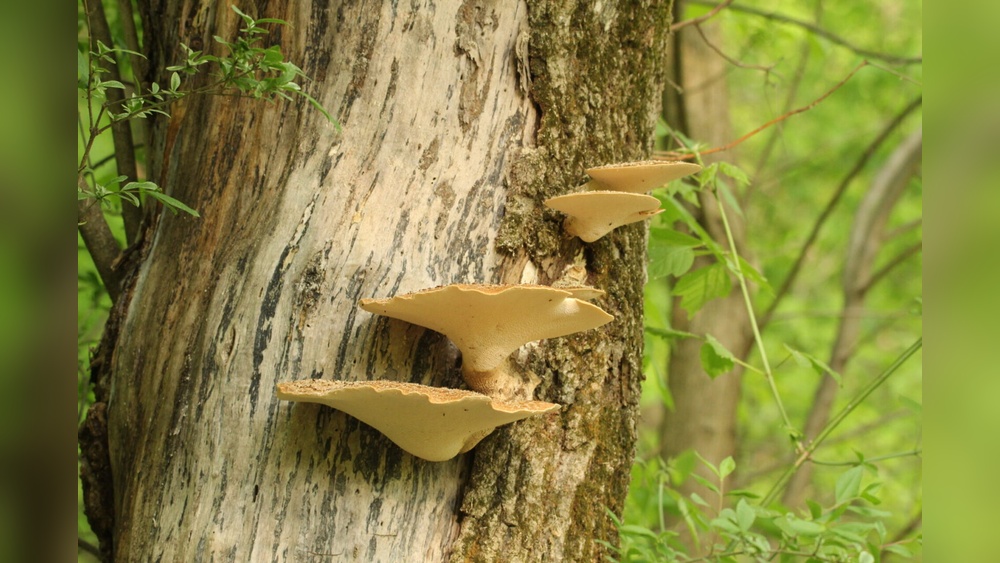
Have you ever noticed strange, colorful growths on tree trunks or fallen logs during a walk in the woods? Those are often shelf bracket fungi, fascinating organisms that play a vital role in nature.
Understanding what shelf bracket fungi are can change the way you see the forest around you. You’ll discover their unique features, why they matter, and how they affect the environment. Keep reading—you’ll be surprised by how these simple fungi can hold such powerful secrets.
Shelf Bracket Fungi Basics
Shelf bracket fungi are a unique group of fungi found on trees and wood. They grow in layers that look like shelves or brackets. These fungi play a key role in breaking down dead wood. Understanding their basics helps appreciate their role in nature.
They come in many shapes and sizes. Their colors and textures vary widely. Some are hard and woody, while others are soft and spongy. Learning about their features and growth habits gives insight into their importance.
Distinctive Features
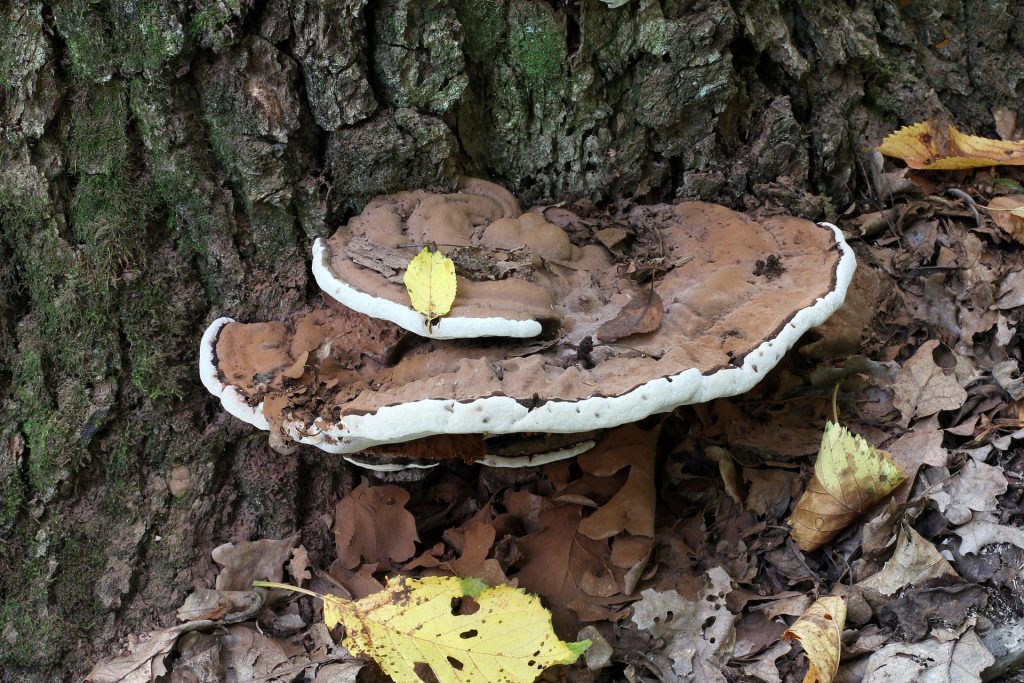
Shelf bracket fungi grow out from tree trunks and branches. They do not have stems like many mushrooms. Their fruiting bodies are flat or curved. These fungi often form several layers stacked on each other. Their surface can be smooth, rough, or covered with pores. The underside usually has tiny holes or tubes. This helps release spores for reproduction.
Common Species
Common shelf bracket fungi include Turkey Tail, Artist’s Conk, and False Turkey Tail. Turkey Tail has colorful rings and looks like a fan. Artist’s Conk is hard and dark, with a smooth top. False Turkey Tail looks similar but feels thinner and softer. Each species has a unique shape and color pattern. These differences help identify them easily.
Growth Habits
Shelf bracket fungi grow mostly on dead or dying trees. They feed on wood, breaking it down slowly. This process recycles nutrients back into the soil. The fungi spread through spores carried by wind. They often grow in clusters or groups. Growth speed depends on moisture and temperature. These fungi can live for years, adding new layers annually.

Credit: en.wikipedia.org
Ecological Roles
Shelf bracket fungi play important roles in nature. They help keep forests healthy and balanced. Their work affects soil, plants, and animals around them. Understanding their ecological roles shows how vital these fungi are to the environment.
Decomposition Process
Shelf bracket fungi break down dead wood. They feed on fallen trees and branches. This process turns tough wood into softer matter. It helps clear old, dead plants from forests. This keeps the forest floor clean and ready for new growth.
Nutrient Recycling
These fungi release nutrients locked inside wood. They return important minerals to the soil. Trees and plants absorb these nutrients to grow strong. This recycling supports a healthy forest ecosystem. It keeps the soil rich and full of life.
Habitat Creation
Shelf bracket fungi create homes for small animals. Insects and bugs live inside their fruiting bodies. Birds and mammals find food in these fungi too. Their presence adds to the forest’s biodiversity. These fungi support many creatures in their natural world.
Forest Interactions
Shelf bracket fungi play a vital role in forest ecosystems. They interact with many plants and animals. Their presence affects the health and balance of forests. Understanding these interactions helps us see their true importance.
Symbiotic Relationships
Shelf bracket fungi form partnerships with trees and plants. They help trees absorb water and nutrients. In return, fungi get sugars from the trees. This mutual help strengthens forest life. Such relationships improve tree growth and health.
Impact On Trees
These fungi often grow on tree trunks and branches. They break down dead wood, helping recycle nutrients. Sometimes, they can cause tree decay. This decay can weaken trees or cause them to fall. Yet, this process clears space for new plants.
Role In Biodiversity
Shelf bracket fungi support many forest creatures. Insects and small animals use them for food and shelter. They create habitats inside decaying wood. This increases the variety of life in forests. Healthy fungi populations mean a richer forest environment.
Identification Tips
Identifying shelf bracket fungi requires attention to a few key features. These fungi have unique traits that help distinguish them from others. Understanding their shape, color, and texture is essential for proper identification. Each trait provides clues to spot these fungi in nature.
Shape And Size
Shelf bracket fungi grow in a shelf-like shape. They often look like small ledges or brackets on tree trunks. Sizes vary from a few centimeters to over a foot wide. Some are thin and flat, while others are thick and curved. Their shape helps them attach firmly to trees.
Color Variations
Colors of shelf bracket fungi change with age and species. They can be brown, white, orange, or even greenish. Some have bright edges or darker centers. The color may fade or darken over time. These variations make each fungus unique.
Texture And Surface
The surface of shelf bracket fungi can be smooth or rough. Some have a velvety or fuzzy feel. Others show cracks or small bumps. The underside usually has tiny pores or gills. These textures help fungi release spores for reproduction.
Cultural And Practical Uses
Shelf bracket fungi have been part of human culture for centuries. People use these fungi not just for nature but also in many practical ways. Their unique shapes and properties make them valuable in different fields. Here are some key cultural and practical uses of shelf bracket fungi.
Traditional Medicine
Many cultures use shelf bracket fungi for healing. They contain compounds that may help fight infections. Some traditional medicines use extracts to boost the immune system. People also use them to reduce inflammation and pain. These fungi are often dried and made into teas or powders. They remain important in herbal medicine today.
Craft And Art
Artists and crafters use shelf bracket fungi for creative work. Their tough, wood-like texture makes them good for carving. Some use them to make natural dyes for fabrics. The fungi’s unique shapes inspire jewelry and decorations. This use connects nature with human creativity. It also helps preserve traditional craft methods.
Research Applications
Scientists study shelf bracket fungi for new discoveries. They explore their potential to create medicines and antibiotics. Research also looks at their role in breaking down wood and waste. Some studies focus on their use in bio-remediation, cleaning polluted areas. This research could lead to important environmental solutions.

Credit: hvfarmscape.org
Conservation Concerns
Shelf bracket fungi play an important role in forest ecosystems. They break down wood and recycle nutrients. Sadly, many species face threats that put their survival at risk. Protecting these fungi helps maintain healthy forests and biodiversity.
Threats To Populations
Habitat loss is the biggest threat to shelf bracket fungi. Cutting down old trees removes their homes. Pollution and climate change also affect their growth. Some fungi need specific trees or conditions to thrive. Without these, populations can shrink quickly.
Forest Management
Proper forest management supports fungi survival. Leaving dead wood in forests provides food and shelter. Avoiding clear-cutting helps preserve natural habitats. Sustainable logging allows fungi to keep their place in the ecosystem. Managers must balance human needs with nature’s health.
Protective Measures
Conservation efforts focus on protecting habitats and species. Creating protected forest areas helps fungi populations grow. Educating people about fungi’s role builds support for their care. Scientists study fungi to understand their needs better. These actions improve chances of survival for shelf bracket fungi.
Credit: milnepublishing.geneseo.edu
Frequently Asked Questions
What Are Shelf Bracket Fungi?
Shelf bracket fungi are wood-inhabiting fungi that grow in shelf-like layers. They attach firmly to tree trunks or branches and help decompose dead wood. These fungi play a crucial role in forest ecosystems by recycling nutrients and breaking down tough plant material.
How Do Shelf Bracket Fungi Grow?
Shelf bracket fungi grow by producing spores that land on wood surfaces. The spores germinate and form mycelium, which spreads inside the wood. This mycelium breaks down the wood fibers, allowing the fungi to absorb nutrients and develop the characteristic shelf-like fruiting bodies.
Are Shelf Bracket Fungi Harmful To Trees?
Yes, shelf bracket fungi can harm living trees by causing wood decay. They weaken the tree’s structural integrity, making it vulnerable to breakage. However, they mainly target dead or weakened wood, contributing to natural decomposition processes in forests.
Can Shelf Bracket Fungi Be Used Medicinally?
Some shelf bracket fungi have medicinal properties. For example, species like Ganoderma lucidum are used in traditional medicine for immune support and inflammation reduction. Research continues to explore their potential health benefits and pharmaceutical applications.
Conclusion
Shelf bracket fungi play an important role in nature. They grow on trees and wood, breaking them down. This helps recycle nutrients back to the soil. You can spot them by their layered, shelf-like shapes. These fungi come in many colors and sizes.
They do not harm healthy trees much but help clean dead wood. Learning about shelf bracket fungi shows how nature stays balanced. They may seem small but have a big job. Next time you see one, remember its role in the forest.
Simple yet vital.