If you own a Sears hydraulic floor jack, keeping it in top shape is key to your safety and efficiency. One simple yet crucial task is putting oil in your jack.
Without the right amount of oil, your jack might not lift properly or could even get damaged. You might be wondering how to do this quickly and correctly, without any guesswork. This guide will walk you through every step, so you can maintain your jack like a pro and avoid costly repairs.
Ready to learn how to keep your jack working smoothly? Let’s get started.

Credit: www.muddyruttzz.com
Tools And Materials Needed
Before you start putting oil in your Sears hydraulic floor jack, gather the right tools and materials. This helps the job go smoothly and keeps your jack working well. Having everything ready avoids mistakes and saves time.
Here are the key items you need. Each one plays an important role in the process.
Hydraulic Oil Type
Choose the correct hydraulic oil for your floor jack. Use oil made for hydraulic systems, not regular motor oil. Check your jack’s manual for the exact type. Using the wrong oil can cause damage or poor performance.
Required Tools
Prepare a few simple tools. You will need a clean funnel to pour the oil without spills. Have a rag or paper towels handy to wipe any drips. A flathead screwdriver might be needed to open the oil fill plug. Keep a container ready to catch old oil if you drain it first.
Safety Gear
Wear safety glasses to protect your eyes from splashes. Gloves help keep your hands clean and safe from chemicals. Work in a well-ventilated area to avoid breathing in fumes. Safety is important, even for small maintenance tasks.
Preparing The Floor Jack
Preparing your Sears hydraulic floor jack for an oil change is an important first step. This process ensures the jack works smoothly and lasts longer. Taking time to clean and position the jack correctly makes the oil change easier and safer.
Cleaning The Jack
Start by wiping off any dirt or grease from the jack’s surface. Use a clean cloth to remove dust around the oil fill plug. Dirt near the opening can fall inside and cause damage. Clean the wheels and the lifting arm as well. This helps you see the oil fill plug clearly and prevents contamination.
Positioning For Oil Change
Place the floor jack on a flat, stable surface. Keep it level to avoid spilling oil. Lower the jack completely to release pressure inside. This step helps old oil drain out fully. Make sure the area is well-lit and ventilated. Use a drip pan to catch any spilled oil during the process.
Locating The Oil Fill Point
Knowing where to add oil is key to keeping your Sears hydraulic floor jack working well. The oil fill point lets you add hydraulic fluid easily and safely. Finding this spot is the first step before topping up your jack’s oil.
Most Sears jacks have a small reservoir that holds the oil. This reservoir is sealed with a cap to keep the fluid inside. Locating this cap helps you check the oil level and add more oil if needed.
Finding The Reservoir Cap
The oil reservoir cap is usually on the side or top of the jack’s body. It looks like a small round plug or screw. Sometimes, it has a textured grip to make it easy to turn. The cap may be marked with “oil” or a small oil drop symbol.
Check near the lifting arm or the base of the jack. Use a flashlight if the area is dark. The cap will stand out because it is different from other parts like bolts or screws.
Removing The Cap Safely
Before opening the cap, place the jack on a flat surface. Make sure the jack is lowered and not under load. This step prevents accidents and fluid spills.
Turn the cap slowly to loosen it. Use a cloth to grip the cap firmly. This helps avoid slipping and protects your hands from dirt or oil. Remove the cap gently and keep it in a clean place.
Be ready to add oil right away to avoid air entering the system. Keep the cap handy for closing after filling the oil.
Draining Old Oil
Draining old oil from your Sears hydraulic floor jack is an important step. It helps keep the jack working smoothly. Over time, oil can get dirty or lose its strength. Removing the old oil makes room for fresh oil. This prevents damage and keeps the jack lifting properly.
Proper Disposal Methods
Used hydraulic oil is hazardous to the environment. Do not pour it down drains or on the ground. Collect the old oil in a clean container with a tight lid. Take it to a local recycling center or a hazardous waste facility. Many auto shops accept used oil for recycling. Proper disposal protects water and soil from pollution.
Ensuring Complete Drainage
Place the jack on a flat surface before draining. Remove the oil fill plug carefully. Use a fluid pump or allow oil to flow into a container. Tilt the jack slightly to drain all old oil. Check that no oil remains inside the reservoir. Wipe the drain area clean before adding new oil. This helps avoid mixing old and new fluids.
Adding New Hydraulic Oil
Adding new hydraulic oil to your Sears hydraulic floor jack keeps it working smoothly. Clean oil helps the jack lift heavy loads safely and easily. Old or low oil can cause the jack to work poorly or even break. Always use the right type of hydraulic oil for the best results. Follow these steps to add oil the right way.
Pouring Oil Correctly
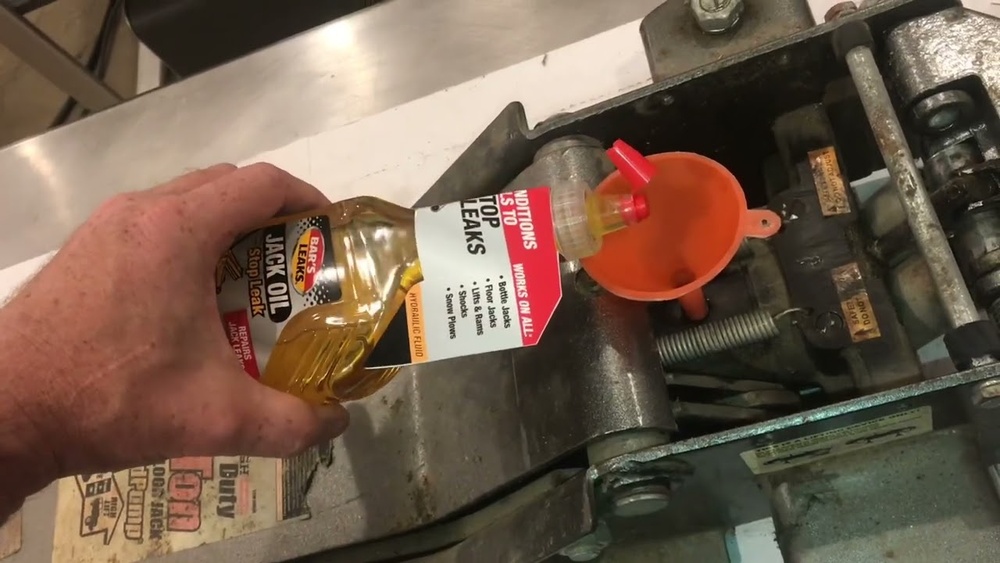
Start by placing the jack on a flat surface. Remove the oil fill plug carefully. Use a clean funnel to pour the oil slowly. Pour until the oil reaches the correct level inside. Avoid spilling oil on the jack’s parts. Wipe off any drops to keep the jack clean.
Avoiding Overfilling
Overfilling the jack can cause damage. Too much oil may leak or create pressure inside. Fill only to the recommended level shown in the manual. Check the oil level with a dipstick or sight glass. Stop pouring as soon as the oil reaches the mark. Proper filling helps the jack work safely and last longer.
Bleeding Air From The Jack
Bleeding air from a Sears hydraulic floor jack is an essential step after adding oil. Air trapped inside the jack can cause poor lifting performance. It makes the jack feel spongy or weak when you pump the handle. Removing this air restores smooth operation and full lifting power.
This process is simple but important for safety and efficiency. Follow the steps carefully to bleed the air properly. Your jack will work like new and last longer.
Why Bleeding Is Important
Air inside the hydraulic system reduces pressure. This causes the jack to lift less weight or not lift at all. The handle may feel soft or sink under load. These issues can be dangerous during use.
Bleeding removes trapped air and restores the jack’s strength. It helps the oil flow smoothly through the system. This keeps the jack reliable and safe to use.
Step-by-step Bleeding Process
First, open the oil fill plug on the jack. Next, slightly loosen the release valve. This lets air escape during pumping.
Slowly pump the handle several times. Watch for bubbles or foam in the oil reservoir. Keep pumping until no more air bubbles appear.
Close the release valve tightly. Add more oil if needed to keep the reservoir full. Finally, replace the oil fill plug securely.
Test the jack by pumping the handle again. It should feel firm and lift smoothly. Repeat the bleeding process if the jack still feels soft.
Testing The Jack After Oil Change
After adding oil to your Sears hydraulic floor jack, testing it is crucial. This step ensures the jack works smoothly and safely. Proper testing helps spot any problems early. It confirms the oil change was successful and the jack is ready for use.
Checking For Leaks
First, check the jack for any oil leaks. Look around the oil fill plug and seals. Wipe the area clean, then watch closely as you operate the jack. Any signs of wetness or drips mean a leak is present. Fix leaks before using the jack to avoid damage or accidents.
Verifying Lift Performance
Next, test the jack’s lifting ability. Place the jack under a safe, sturdy object. Pump the handle and watch the jack lift the weight steadily. The lift should feel smooth without jerks or strange noises. Lower the jack slowly to check if it holds pressure well. Good lift performance means the oil change was done right.

Credit: www.youtube.com
Maintenance Tips For Longevity
Keeping your Sears hydraulic floor jack in good condition helps it last longer. Simple care and checks prevent damage and keep it working smoothly. Follow these maintenance tips to protect your investment.
Regular Oil Checks
Check the oil level often to avoid problems. Low oil can cause the jack to fail or lift poorly. Use clean oil made for hydraulic jacks only. Look for dirt or water in the oil, which can harm the jack. Change the oil if it looks dark or dirty. Keep the oil reservoir sealed after adding oil.
Storage Recommendations
Store the jack in a dry place to stop rust. Avoid damp or wet areas where moisture can build up. Keep the jack lowered to reduce pressure on seals. Cover the jack to protect it from dust and dirt. Clean the jack before storing to remove grease and grime. Proper storage keeps parts working well for years.

Credit: www.hcrcnow.com
Frequently Asked Questions
How Often Should I Change The Oil In My Sears Floor Jack?
You should change the oil at least once a year. Regular oil changes keep the jack functioning smoothly. Inspect the oil level monthly and top up if needed. Clean oil prevents rust and extends the hydraulic system’s lifespan.
What Type Of Oil Is Best For Sears Hydraulic Jacks?
Use high-quality hydraulic jack oil or SAE 10W oil. Avoid using motor oil or other substitutes. The right oil ensures smooth lifting and prevents damage. Always check the manufacturer’s manual for recommended oil types.
How Do I Safely Add Oil To A Sears Floor Jack?
First, fully lower the jack and locate the oil fill plug. Clean the area before opening to avoid contamination. Use a funnel to pour oil slowly until it reaches the correct level. Secure the plug tightly after filling.
Can I Use Motor Oil Instead Of Hydraulic Oil In My Jack?
No, motor oil is not suitable for hydraulic jacks. It lacks the necessary viscosity and additives. Using motor oil can damage seals and reduce jack performance. Always use the recommended hydraulic jack oil for best results.
Conclusion
Keeping your Sears hydraulic floor jack filled with oil helps it work well. Check the oil level often to avoid problems. Use the right type of oil to protect the jack. Clean the area around the fill hole before adding oil.
This simple step keeps dirt out and stops damage. Regular oil changes make your jack last longer. Taking care of your jack saves money and time. Easy to do, and it keeps your tools ready.