Are you struggling to fit your deadbolt properly because the hole isn’t deep enough? This common problem can make installing your lock tricky and frustrating.
But don’t worry—there’s a simple way to make that hole deeper and ensure your deadbolt fits perfectly. You’ll learn easy, step-by-step tips to fix this issue quickly and safely. Keep reading, and you’ll have your door secure in no time!
Tools Needed
Making a deadbolt hole deeper needs specific tools. The right tools make the job easier and safer. Prepare all before starting to save time and avoid mistakes.
Essential Drill Bits
Choose drill bits designed for wood or metal, depending on your door type. A spade bit or Forstner bit works well for wood. Use a metal drill bit for metal doors. Select the right size to match the deadbolt diameter.
Measuring Instruments
Use a tape measure or ruler to check the hole depth. A depth gauge or drill stop can help control drilling depth. Mark the desired depth on the drill bit with tape for accuracy.
Safety Gear
Wear safety glasses to protect your eyes from dust and debris. Use ear protection to reduce noise from the drill. Gloves can protect your hands but ensure they do not affect your grip.

Credit: www.reddit.com
Assessing The Current Hole
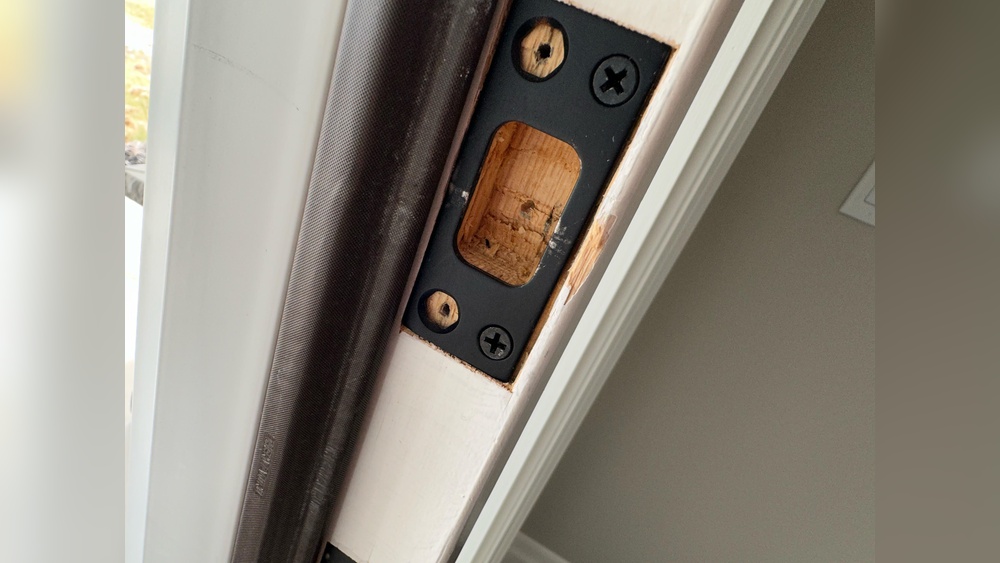
Before making a deadbolt hole deeper, start by assessing the current hole. This step helps you understand the exact changes needed. A careful check avoids mistakes and ensures a smooth process. Focus on two key aspects: measuring depth and checking alignment. These details guide your work and improve the final fit of the deadbolt.
Measuring Depth
Use a tape measure or ruler to find the hole’s depth. Insert the tool gently until it touches the back. Mark the length clearly. Compare this depth with the deadbolt’s required depth. Knowing this helps decide how much to deepen the hole. Measure twice to avoid errors. Accuracy here prevents damage to the door.
Checking Alignment
Check if the hole lines up with the door edge and lock mechanism. Misalignment causes the deadbolt to jam or not fit. Use a level or straight edge to see if the hole is straight. Look closely for any crooked or uneven edges. Fixing alignment early saves time and effort later. Proper alignment ensures the deadbolt works smoothly.
Preparing The Door
Start by removing the existing lock and cleaning the door surface. Mark the area where the hole needs to be deeper. Use a drill or chisel carefully to avoid damaging the door.
Before deepening the deadbolt hole, prepare the door carefully. Proper preparation helps avoid mistakes and damage. Take your time to set up the door for a smooth job.
Check the door’s condition. Make sure it is clean and dry. Remove any dirt or old hardware from the area.
Securing The Door
Secure the door firmly to prevent movement. Use clamps or a stable workbench to hold it in place. A steady door makes drilling safer and more accurate.
If possible, remove the door from its hinges. Lay it flat on a solid surface. This position gives better control during drilling.
Marking The Extension Depth
Measure the extra depth needed for the deadbolt hole. Use a ruler or tape measure for accuracy. Mark the new depth clearly on the drill bit with tape.
This mark shows how deep to drill. It prevents drilling too far and damaging the door. Double-check your measurements before starting.
Credit: www.youtube.com
Drilling Techniques
Drilling a deeper hole for a deadbolt requires careful technique. The right approach keeps the hole clean and precise. Drilling too fast or unstable can damage the door or tool. Focus on control and steady progress for best results.
Choosing The Right Drill Speed
Pick a drill speed that matches the material. Slow speeds work best for wood to avoid splintering. Use medium speed for metal doors to prevent overheating. High speeds can make the drill bit slip or wear out fast. Adjust speed as you drill deeper to keep control.
Maintaining Drill Stability
Hold the drill steady and straight to keep the hole accurate. Use both hands to reduce shaking. Keep firm pressure but don’t force the drill. Let the bit do the work. Rest your arms on a stable surface if possible. A steady drill means a clean, deeper hole.
Cleaning And Finishing
After drilling a deeper hole for your deadbolt, cleaning and finishing are crucial steps. These ensure the hole fits the lock perfectly and works smoothly. A clean, smooth hole prevents damage to the lock and helps it last longer.
Removing Debris
Clear out all dust and wood chips from the hole. Use a small brush or a vacuum cleaner to remove debris. This keeps the hole clean and ready for the lock. Debris left inside can block the lock or cause it to jam. Blow air into the hole for a final clean.
Smoothing Edges
Check the edges of the hole for rough spots or splinters. Use sandpaper or a small file to smooth these edges. Smooth edges prevent the lock parts from catching or breaking. Take your time to make the edges even and clean. A smooth hole helps the deadbolt fit snugly and work well.
Testing The Fit
Testing the fit is a crucial step after making a deadbolt hole deeper. It checks if the deadbolt fits well in the hole. This step helps avoid future problems with locking and unlocking. Take your time to test carefully.
Inserting The Deadbolt
Gently insert the deadbolt into the hole. See if it slides in smoothly without force. The deadbolt should sit flush with the door surface. Check if it aligns with the door edge. A tight fit means the hole is the right size.
Making Final Adjustments
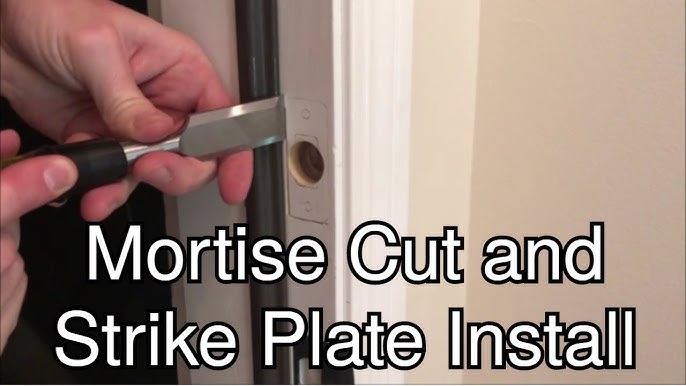
If the deadbolt feels stuck, remove it and clear out wood chips. Use a chisel or drill to deepen the hole slightly. Test the fit again after each adjustment. Keep the hole clean and even for best results. Small tweaks make a big difference in fitting.

Credit: www.diychatroom.com
Frequently Asked Questions
How Do I Safely Deepen A Deadbolt Hole?
Use a longer drill bit matching the deadbolt size. Drill slowly and keep the bit straight to avoid damage.
What Tools Are Needed To Make A Deadbolt Hole Deeper?
You need a power drill, longer spade or hole saw bit, measuring tape, and safety goggles.
Can I Deepen A Deadbolt Hole Without Removing The Door?
Yes, carefully drill from the existing hole’s edge to deepen it without removing the door.
How Deep Should A Deadbolt Hole Be?
Typically, the hole should be at least 2. 5 to 3 inches deep to fit the lock properly.
Conclusion
Making a deadbolt hole deeper takes some care and the right tools. Follow the steps slowly to avoid mistakes or damage. Check your progress often to keep the hole even and clean. Taking time helps the deadbolt fit securely and work well.
This simple skill can improve your door’s safety. Try it yourself and feel confident about your home security. Small efforts can make a big difference. Keep practicing to get better with each try.