Have you ever wondered what makes a deadbolt lock so secure? Understanding how your deadbolt lock works can give you peace of mind and help you protect your home better.
This simple device is more than just a metal piece—it’s your first line of defense against intruders. You’ll discover exactly how a deadbolt lock functions, why it’s stronger than a regular lock, and what makes it a must-have for your door.
Keep reading to unlock the secrets behind your deadbolt and learn how to make your home safer starting today.

Credit: home.howstuffworks.com
Types Of Deadbolt Locks
Deadbolt locks come in different types to suit various security needs. Each type has unique features that affect how you use and secure your door. Understanding these types helps choose the right deadbolt for your home or office.
Single Cylinder Deadbolts
Single cylinder deadbolts use a key on the outside and a thumbturn on the inside. They are easy to operate and common in many homes. This type works well for doors without glass near the lock. It allows quick exit without a key.
Double Cylinder Deadbolts
Double cylinder deadbolts require a key on both sides of the door. They offer extra security for doors with glass panels. This stops burglars from breaking the glass and turning the lock. But, it may slow down emergency exits, so use with care.
Lockable Thumbturn Deadbolts
Lockable thumbturn deadbolts combine features of single and double cylinders. The inside thumbturn can be locked or unlocked with a key. This adds security while allowing easy exit when unlocked. Ideal for homes needing flexible locking options.
Credit: expresslocksmithshouston.com
Key Components
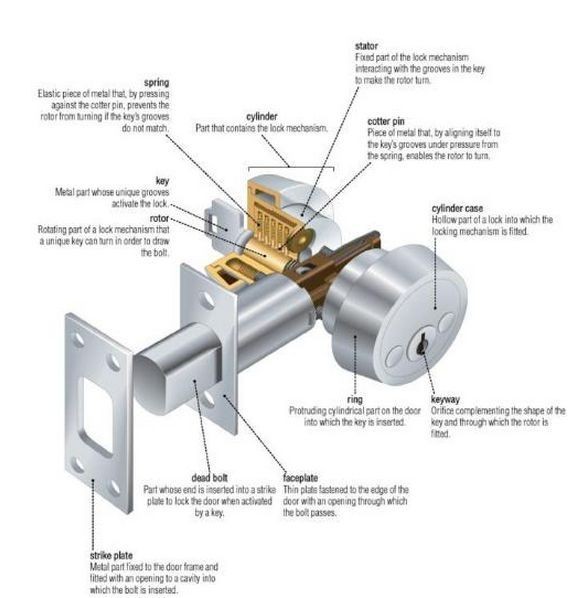
Understanding the key components of a deadbolt lock helps you see how it protects your home. Each part has a specific job. Together, they create a strong barrier against intruders.
Bolt Mechanism
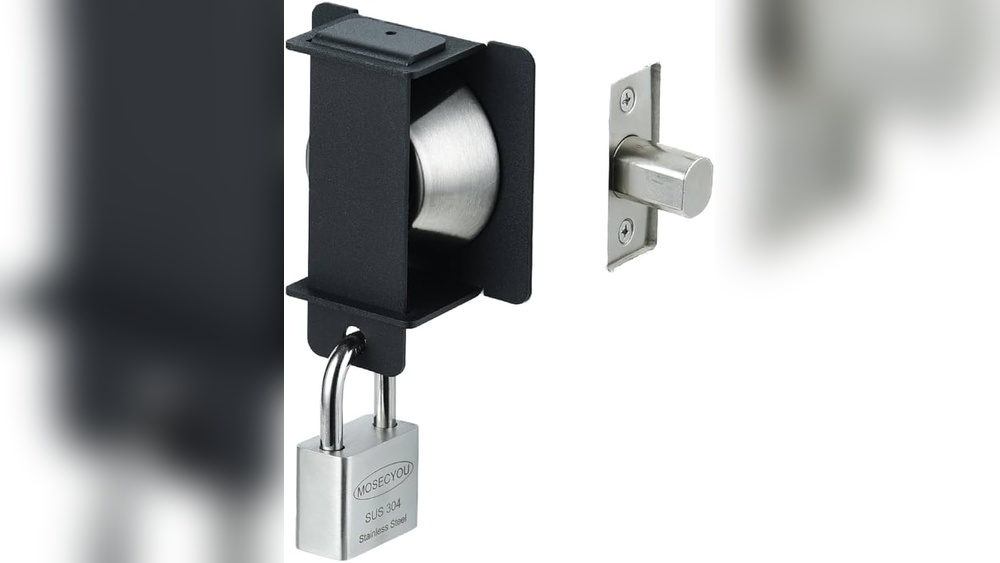
The bolt is the main part that locks the door. It is a solid metal piece that slides into the door frame. When you turn the key, the bolt moves in or out. This action secures the door firmly. The bolt must be strong and thick to resist force.
Cylinder And Plug
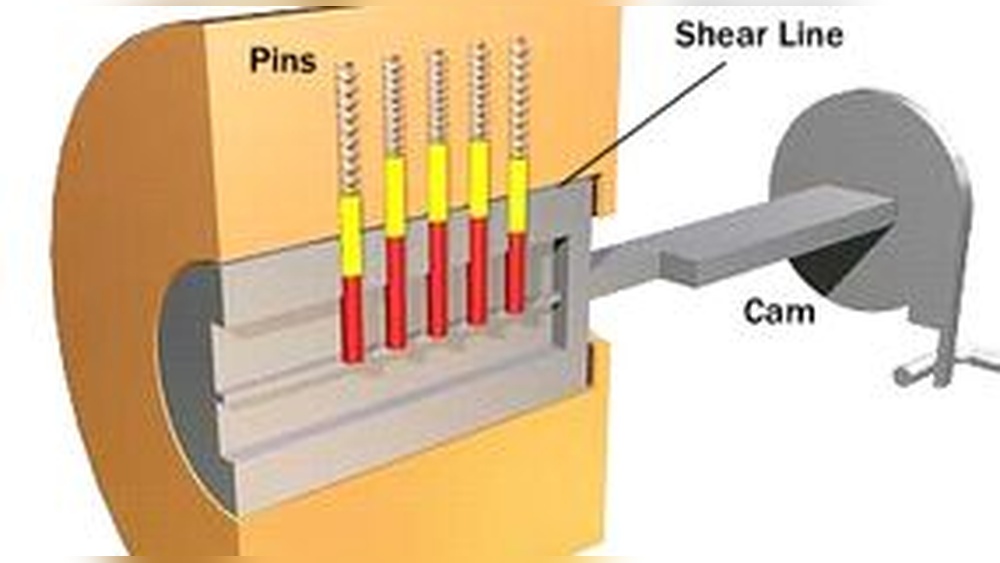
The cylinder is where you insert the key. Inside the cylinder is a plug that turns when you use the correct key. This turning moves the bolt. The cylinder has pins that align only with the right key. This stops other keys from working.
Strike Plate
The strike plate is fixed to the door frame. It holds the bolt when the door locks. The plate spreads any force applied to the door. This makes it harder to break the lock by pushing or kicking. A strong strike plate is essential for security.
How Deadbolts Secure Doors
Deadbolts are strong locks designed to keep doors safe. They add extra security beyond regular locks. Understanding how deadbolts work helps you see why they protect your home well.
Each part of a deadbolt plays a role in stopping intruders. The lock’s design makes it hard to break or force open. Let’s explore how deadbolts secure doors step by step.
Manual Operation
Deadbolts work by turning a key or thumb turn. This action moves the bolt inside the lock. The manual turn gives you full control over locking or unlocking.
You must turn the key or knob to secure the door. The lock does not close automatically. This feature ensures the door is locked only when you want it.
Bolt Engagement
When you turn the key, a solid metal bolt slides into the door frame. This bolt fits tightly into a strike plate. The strike plate is fixed to the door frame, holding the bolt firmly.
The bolt’s thickness and length make it hard to push back. This engagement keeps the door locked and secure. The bolt creates a strong barrier against entry.
Resistance To Forced Entry
Deadbolts resist forced entry by using solid materials. The metal bolt and strike plate prevent the door from being kicked open. They also stop tools from prying the door.
The lock’s design spreads force across the frame. This reduces damage and keeps the door locked. Deadbolts make breaking in difficult and time-consuming for intruders.
Installation Basics
Installing a deadbolt lock improves home security effectively. The process is simple and requires basic tools. Correct installation ensures the lock works smoothly and protects your door well. Focus on the right location, gather necessary tools, and follow clear steps.
Choosing The Right Location
Select a solid door made of wood or metal. The deadbolt fits best above the doorknob. Place it about six to twelve inches higher than the knob. Avoid areas with glass nearby to prevent break-ins. Check the door frame for strong wood to hold the bolt firmly.
Tools Needed
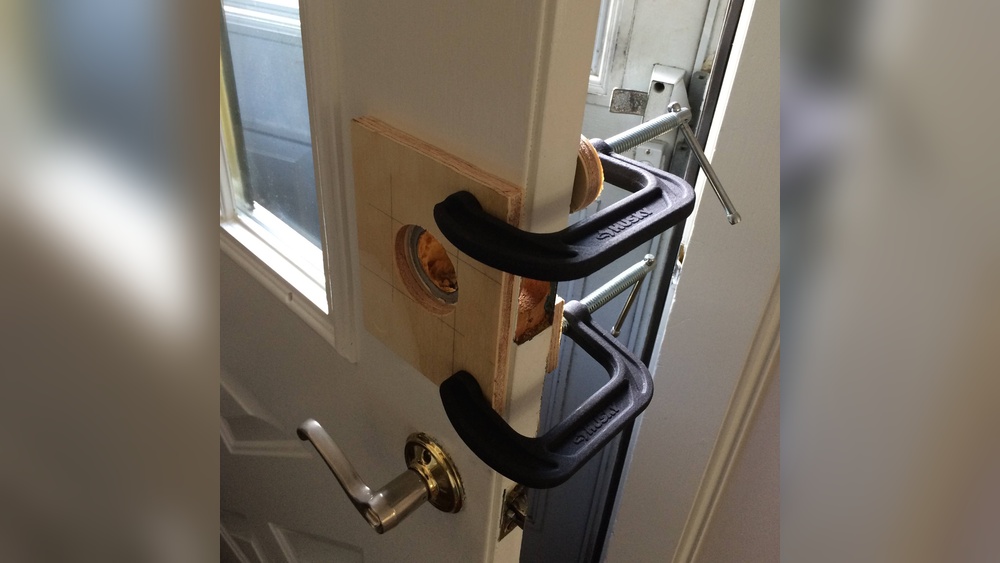
Prepare a drill with various drill bits. Use a screwdriver that fits the lock’s screws. A tape measure helps with precise placement. A pencil marks spots on the door. A chisel smooths edges of drilled holes. Have safety glasses for eye protection during drilling.
Step-by-step Installation
Mark the height for the deadbolt on the door. Drill the hole through the door for the lock cylinder. Drill a hole in the door edge for the bolt mechanism. Insert the bolt into the edge hole and screw it tight. Place the lock cylinder in the front hole and secure it. Attach the strike plate on the door frame. Ensure all parts fit tightly and operate smoothly. Test the lock by turning the key and thumb turn several times.
Common Deadbolt Features
Deadbolt locks have many features that make them strong and secure. These features help protect homes and buildings from break-ins. Understanding these common features helps you choose the right deadbolt for safety.
Each feature adds a layer of defense. They work together to stop thieves from opening the lock easily. Here are some key features found in most deadbolt locks.
Key Control
Key control limits who can copy your keys. Only authorized people can get extra keys made. This reduces the risk of someone making a copy without permission. It keeps your property safer and more secure.
Anti-pick Pins
Anti-pick pins make it hard to pick the lock. They are small pins inside the lock cylinder. These pins block tools used by thieves to open the lock without a key. This feature increases protection against lock picking.
Drill Resistance
Drill resistance protects the lock from being drilled open. Hardened steel parts inside stop drills from breaking the lock. This feature helps prevent forced entry by drilling. It keeps the lock strong under attack.
Maintenance Tips
Maintaining your deadbolt lock ensures it works smoothly and lasts longer. Simple care steps keep your lock secure and easy to use. Regular attention prevents common problems and saves repair costs.
Lubrication
Apply lubricant to the keyhole and bolt mechanism. Use a graphite-based or silicone spray lubricant. Avoid oil-based products as they attract dust. Lubricate every six months for smooth operation.
Regular Inspection
Check the lock for signs of wear or damage. Look for loose screws and tightness of the lock. Test the lock by turning the key and thumb turn. Address any stiffness or unusual sounds early.
Replacing Worn Parts
Replace parts that show rust, cracks, or heavy wear. Common parts to replace include the bolt and cylinder. Use parts compatible with your lock model. Timely replacement prevents lock failure and security risks.
Enhancing Home Security
Deadbolt locks add strong protection to your home. They resist force and make breaking in hard. Using deadbolts properly can keep your family and belongings safer.
Still, deadbolts work best with other security tools. Combining different methods builds layers of safety. This section explores ways to improve home security beyond just the deadbolt.
Combining Deadbolts With Other Locks
Adding a deadbolt to a regular lock adds extra strength. The combination stops many common break-in attempts. Some homes use chain locks or slide bolts too. These locks create multiple barriers at entry points.
Using locks with different mechanisms confuses intruders. It takes more time and effort to open several locks. More locks mean less chance of a quick break-in.
Security Cameras And Alarms
Security cameras watch your home and record suspicious activity. Cameras act as a warning to burglars. Many cameras connect to phones for real-time alerts.
Alarms sound loudly when doors or windows open without permission. Loud noises scare intruders away fast. Cameras and alarms together create strong deterrents.
Smart Deadbolt Options
Smart deadbolts use technology to control locks remotely. You can lock or unlock doors using a phone app. Some models allow temporary access codes for guests.
These locks often send alerts if someone tries to tamper with them. Smart deadbolts combine convenience with strong security features. They offer more control over who enters your home.
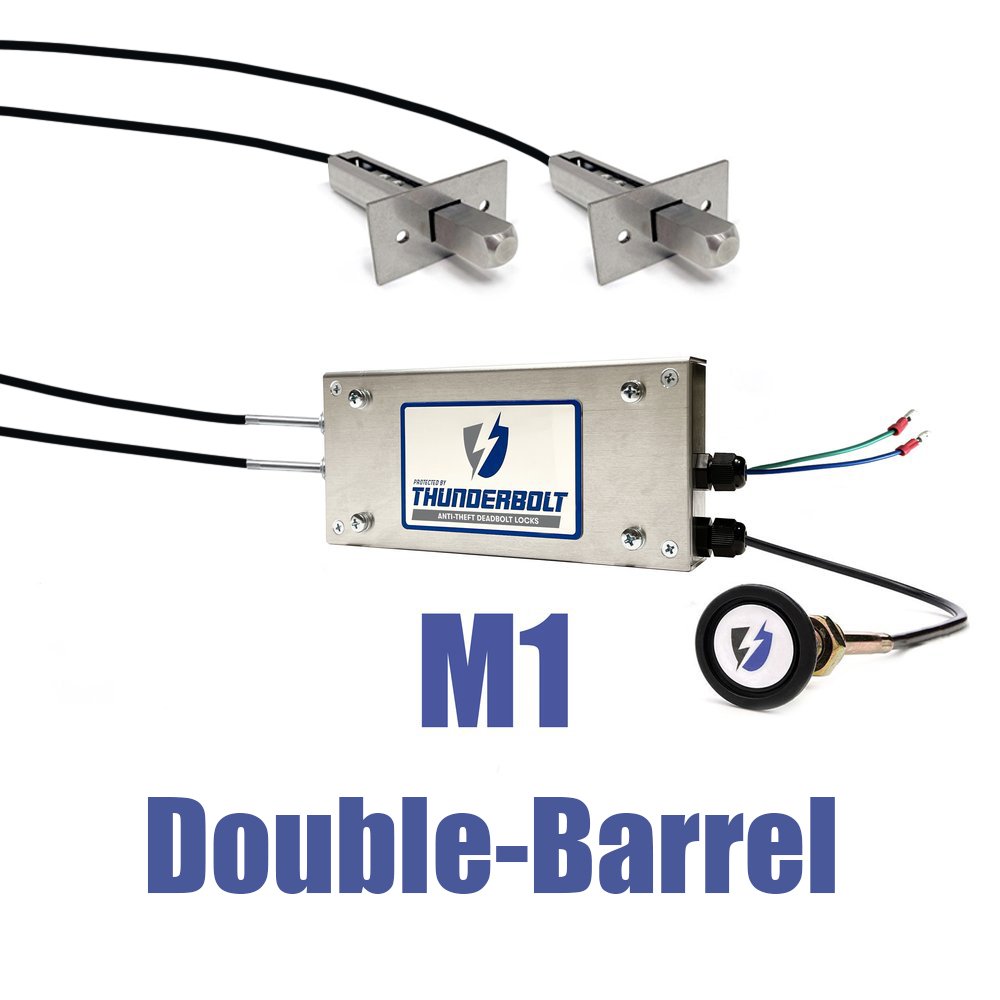
Credit: www.thunderboltlocks.com
Frequently Asked Questions
How Does A Deadbolt Lock Provide Security?
A deadbolt lock uses a solid metal bolt to secure doors. It resists forced entry better than spring locks. Turning the key moves the bolt into the door frame, locking it firmly. This mechanism enhances home security effectively.
What Are The Main Parts Of A Deadbolt Lock?
A deadbolt lock includes a bolt, cylinder, thumb turn, and strike plate. The bolt extends into the door frame when locked. The cylinder contains the key mechanism. The thumb turn allows manual locking from inside.
Can Deadbolt Locks Be Easily Picked?
Deadbolt locks are harder to pick than regular locks due to their design. High-quality deadbolts have complex pins and hardened materials. However, no lock is completely pick-proof. Regular upgrades and proper installation improve security.
How Do Single And Double Cylinder Deadbolts Differ?
Single cylinder deadbolts have a key on one side and a thumb turn inside. Double cylinder deadbolts require a key on both sides. Double cylinders increase security but may pose safety risks during emergencies.
Conclusion
Deadbolt locks provide strong security for your home or office. They use a solid metal bolt to block door openings. Turning the key moves the bolt into place, making it hard to force open. This simple design keeps intruders out effectively.
Knowing how deadbolts work helps you choose the right lock. A good deadbolt adds peace of mind and safety. Install one on your main doors for better protection. Security does not have to be complicated or expensive. Trust the strength of a well-made deadbolt lock.