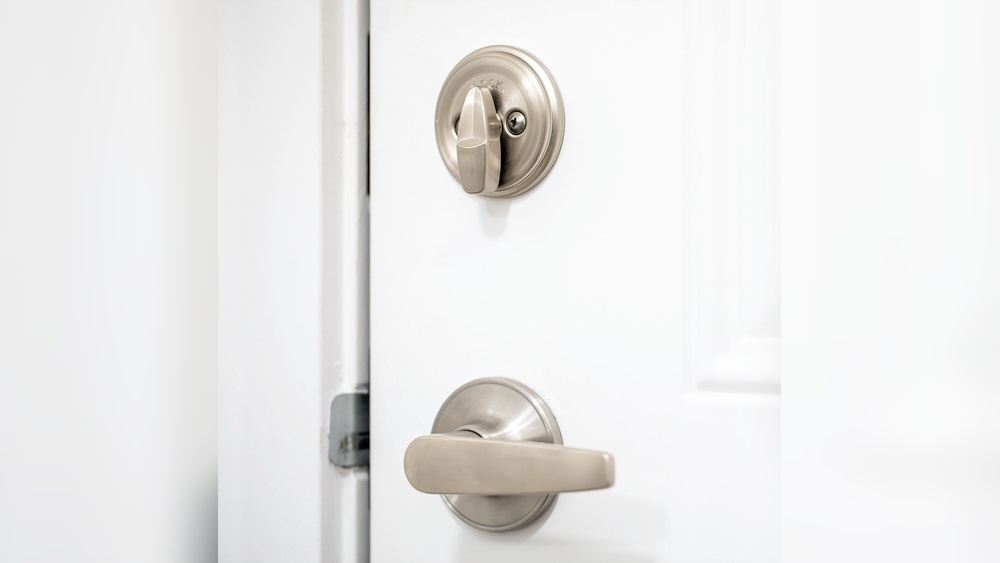
Have you ever found yourself locked out because a deadbolt won’t budge? It’s frustrating, stressful, and can make you feel helpless.
But don’t panic. You can learn simple, effective ways to disengage a stubborn deadbolt and get back inside quickly. This guide will walk you through easy steps you can take right now to regain access without causing damage or calling a locksmith.
Keep reading—you’ll be surprised how manageable this problem can be when you know what to do.
Common Reasons Deadbolts Jam
Deadbolts can jam for several reasons. This problem stops you from opening the door. Knowing why deadbolts jam helps fix the issue faster. Here are the most common causes to check first.
Weather And Temperature Effects
Cold weather can cause metal parts to shrink. This makes the deadbolt harder to move. Heat can expand the metal, causing tight fits. Moisture can cause rust or swelling in wood frames. These changes block the deadbolt from turning smoothly.
Misalignment Issues
Doors and frames can shift over time. This misalignment stops the deadbolt from fitting correctly. The bolt may hit the strike plate or miss it completely. Loose hinges or warping can cause this problem. Proper alignment is key for smooth deadbolt operation.
Worn Or Damaged Components
Parts inside the lock wear out with use. Springs may lose tension and fail to hold parts in place. The key or cylinder can become damaged or bent. Dirt and debris inside the lock also cause jamming. Worn parts need cleaning or replacement to work right.
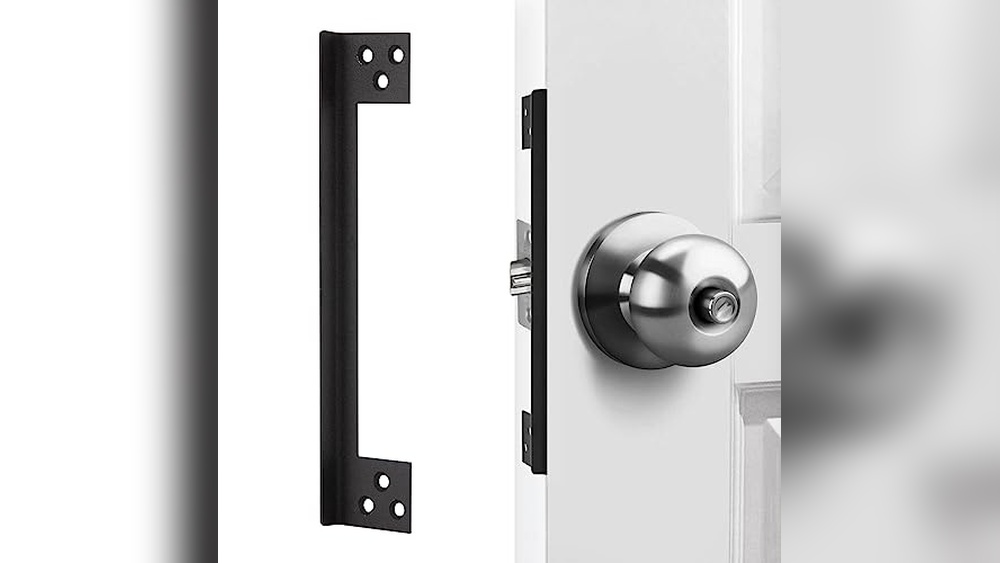
Credit: www.reddit.com
Immediate Steps To Try
Dealing with a stuck deadbolt can be frustrating. Certain tools can help you gain access without damage. These tools work by manipulating the lock’s internal parts carefully. Understanding how to use them increases your chances of success.
Using A Lock Pick Set
A lock pick set includes several small tools designed to move the lock’s pins. Insert the tension wrench first to apply slight pressure. Then use the pick to lift the pins inside the lock. This method requires patience and a gentle touch. Practice improves your skill and reduces mistakes.
Employing A Screwdriver
A flathead screwdriver can sometimes help with simple deadbolts. Insert it between the door frame and the bolt. Gently twist or pry to move the bolt back into the door. This method works only if the lock or frame is loose. Avoid forcing the screwdriver to prevent damage.
Applying A Tension Wrench
The tension wrench is key in many lock opening techniques. Place it into the lock’s keyhole and turn slightly. This pressure holds the pins in place while you work with other tools. Proper tension is crucial; too much or too little can block progress. It takes practice to find the right balance.
Tools That Can Help
Knowing when to call a locksmith is important for safety and convenience. Deadbolts can get stuck or broken. Trying to fix them alone can make problems worse. A locksmith has the right tools and skills to handle tough lock issues. Recognizing the signs of serious damage helps decide when to get expert help.
Signs Of Serious Lock Damage
Look for visible cracks or broken parts on the deadbolt. If the key won’t turn or get stuck, damage may be inside. The lock feels loose or wobbly in the door. The deadbolt does not move smoothly or jams often. These signs show the lock needs professional attention.
Avoiding Further Damage
Do not force the key or deadbolt to turn. Avoid using tools like screwdrivers to pry the lock open. This can break internal parts and increase repair costs. Stop trying to fix the deadbolt if it does not work quickly. Wait for a locksmith to prevent extra damage.
Finding A Reliable Locksmith
Choose a locksmith with good reviews and proper licenses. Check if they offer emergency services for quick help. Ask about their experience with deadbolt repairs or replacements. A reliable locksmith uses proper tools and respects your property. Confirm prices before work starts to avoid surprises.

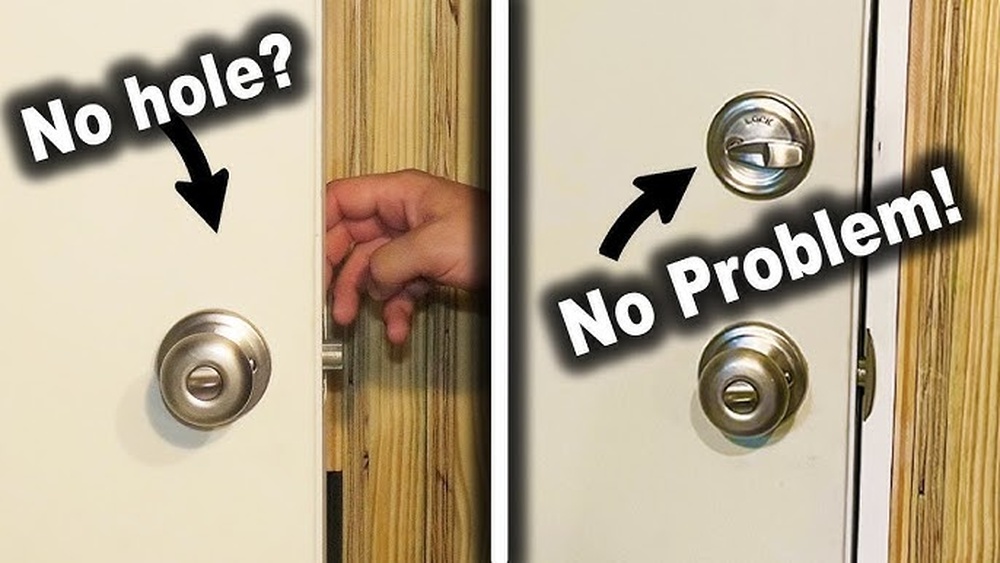
Credit: www.alzstore.com
When To Call A Locksmith
Deadbolt problems often cause frustration and lockouts. Preventing these issues saves time and stress. Simple steps help keep your deadbolt working smoothly. Avoiding common mistakes improves security and access.
Regular Maintenance Tips
Clean your deadbolt regularly to remove dirt and dust. Use a soft cloth and mild cleaner. Lubricate the lock with graphite or silicone spray every six months. Avoid oil-based lubricants that attract grime. Check the lock’s alignment to ensure smooth operation. Tighten loose screws on the lock and door frame. Test the deadbolt often to spot issues early.
Proper Installation Practices
Choose the right size deadbolt for your door thickness. Follow the manufacturer’s instructions carefully during installation. Ensure the strike plate is properly aligned with the bolt. Use long screws to secure the strike plate to the wall frame. Avoid forcing the lock mechanism during installation. A well-installed deadbolt reduces wear and prevents jamming. Consider professional help if unsure about installation steps.
Upgrading To Smart Locks
Smart locks offer convenience and better control over access. They reduce the risk of lock jams and key breakage. Many models include remote unlocking via smartphone apps. Some smart locks send alerts for unusual activity. Choose models with backup mechanical keys for emergencies. Regularly update the lock’s software to improve performance. Smart locks can add security and ease to your home entry.

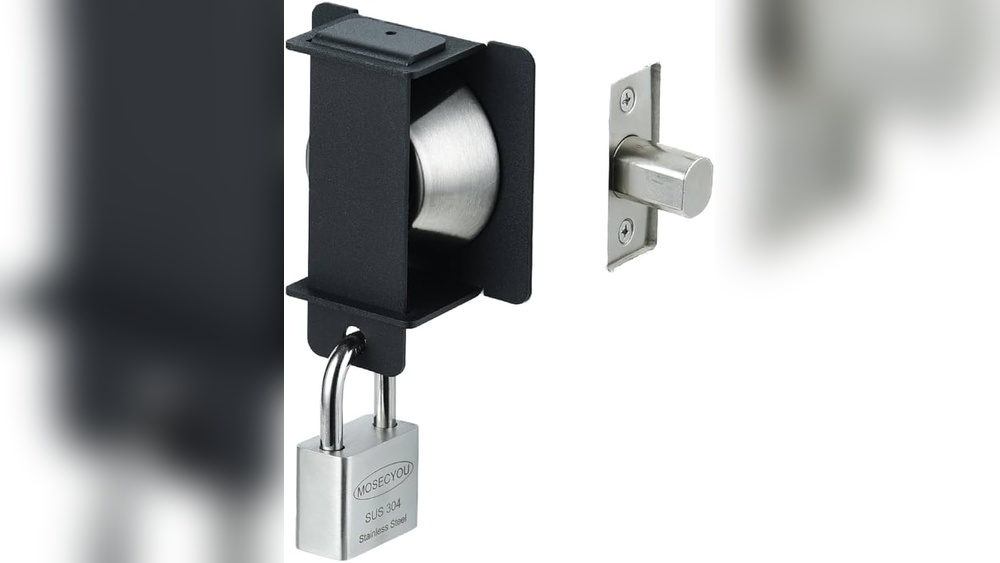
Credit: www.amazon.com
Frequently Asked Questions
How Can I Unlock A Deadbolt Without A Key?
You can try using a bump key, lock pick, or credit card. If these fail, contact a locksmith for safe entry.
What Tools Are Needed To Disengage A Stuck Deadbolt?
Common tools include a screwdriver, tension wrench, and lock pick set. These help manipulate or remove the deadbolt mechanism.
Can A Deadbolt Be Disengaged From The Outside?
Yes, with the right tools or by removing the lock cylinder. Professional help is advised to avoid damage.
How Do I Avoid Damaging My Door When Unlocking?
Use proper tools and gentle pressure. Avoid forceful attempts that can damage the lock or door frame.
Conclusion
Deadbolts can be tricky when they stop working. Patience and careful steps help solve the problem. Try simple fixes before calling a locksmith. Tools like a screwdriver or lubricant often do the job. Always stay calm to avoid damage or injury.
Knowing basic tips saves time and stress. Remember, safety matters most when handling locks. Keep these ideas handy for future lock troubles.