Are you ready to hang shelves, pictures, or heavy decorations but unsure how to securely fix them to your wall? Knowing how to drill an anchor in a wall is a simple skill that can save you from costly mistakes and frustrating repairs.
With the right steps, you’ll ensure your items stay safely in place without damaging your walls. Keep reading, and you’ll discover easy, clear instructions that anyone can follow—even if you’ve never picked up a drill before. Your walls will thank you!
Credit: www.homedepot.com
Choosing The Right Anchor
Choosing the right anchor is key to a strong and safe hold on your wall. Different anchors work better for different wall types and weights. Picking the right one prevents damage and keeps your items secure. Understanding the options helps you make the best choice.
Types Of Wall Anchors
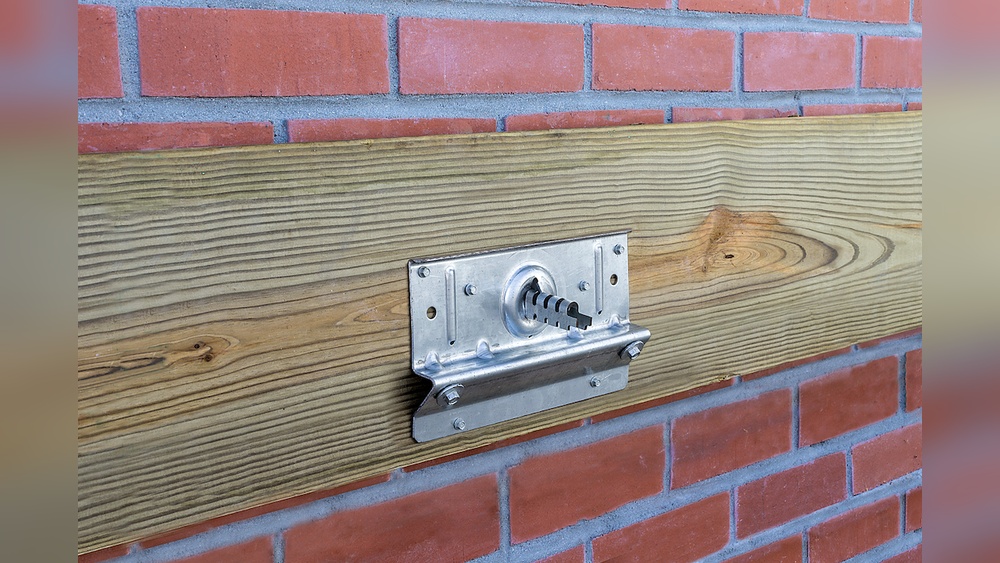
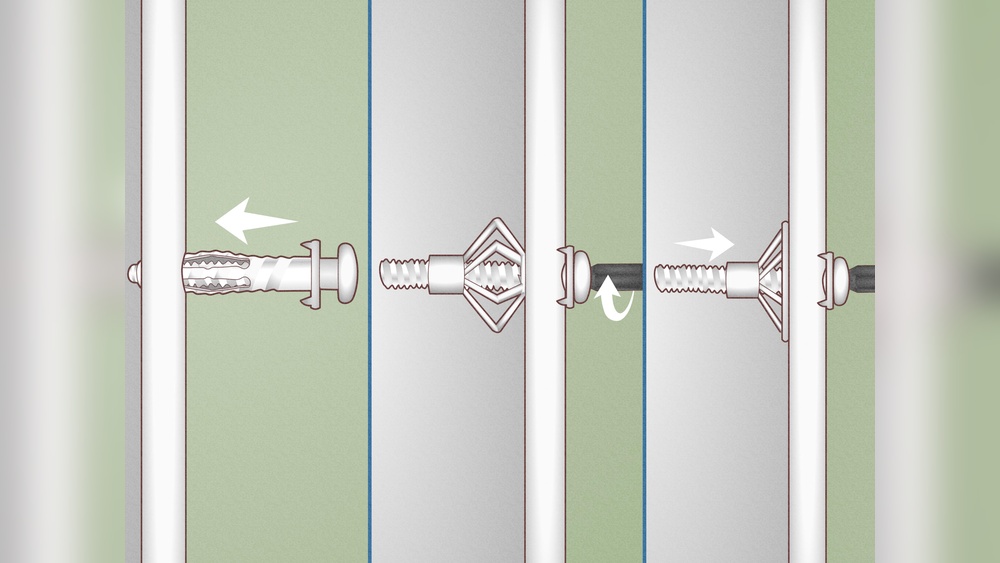
Plastic expansion anchors are common and easy to use. They work well in drywall for light items. Metal anchors offer extra strength for heavier loads. Toggle bolts expand behind the wall for strong support. Molly bolts create a firm grip inside hollow walls. Each type serves a different purpose and weight limit.
Matching Anchors To Wall Material
Drywall needs anchors that expand to grip behind the surface. Masonry walls require anchors made for concrete or brick. Use sleeve anchors or masonry screws for these walls. Plaster walls need anchors that won’t crack the surface. Choose anchors that fit your wall’s material to avoid damage. Correct matching keeps your anchor secure and your wall intact.

Credit: simpleweld.com
Tools Needed For Drilling
Drilling an anchor in a wall requires the right tools to ensure a strong hold. Using proper tools makes the job easier and safer. Prepare all your equipment before starting to drill.
Drill And Drill Bits
A power drill is the main tool needed for drilling holes. Choose a drill with adjustable speed for better control. Use drill bits designed for your wall type. For concrete or brick, use masonry bits. For drywall, standard bits work fine. The bit size must match the anchor size for a secure fit.
Measuring And Marking Tools
Measure carefully to place the anchor exactly where you want it. A tape measure helps check distances and heights. Use a pencil or marker to mark the drilling spot clearly. A level can ensure your marks are straight. Accurate measuring prevents mistakes and keeps your work neat.
Safety Equipment
Safety is crucial when drilling. Wear safety glasses to protect your eyes from dust and debris. Use ear protection to reduce noise from the drill. Gloves protect your hands from sharp edges and vibration. Keep a dust mask nearby to avoid inhaling particles. Safety gear keeps you safe and comfortable during the task.
Preparing The Wall
Preparing the wall is the first step before drilling an anchor. It helps ensure safety and accuracy. Taking time now saves effort later.
Clear the area of any obstacles. Make sure the wall surface is clean and dry. This allows better drilling and anchor grip.
Locating The Drill Spot
Choose the exact point for the anchor carefully. Use a pencil to mark the spot lightly. Measure twice to avoid mistakes.
Consider the weight the anchor must hold. Pick a spot on solid material like wood or concrete. Avoid weak or crumbly areas.
Checking For Wires And Pipes
Check behind the wall for hidden wires and pipes. Use a stud finder or pipe detector tool. This prevents accidents and damage.
Never drill blindly. Turn off power if you suspect electrical wiring. Safety first to avoid shocks or leaks.
Listen for sounds inside the wall. Tapping can reveal hollow or solid spots. This helps find a safe drilling area.

Credit: thediyplaybook.com
Drilling The Hole
Drilling the hole correctly is a crucial step in installing a wall anchor. A well-drilled hole ensures the anchor fits tightly and holds securely. Taking time to prepare and drill carefully leads to better results and avoids damage to the wall.
Selecting The Correct Drill Bit Size
Choose a drill bit that matches the anchor size exactly. Check the anchor package for the recommended bit size. Using a smaller bit makes the hole too tight and can crack the wall. A larger bit creates a loose hole, reducing anchor strength.
For example, if the anchor is 1/4 inch, use a 1/4 inch drill bit. Measure the bit with a ruler if unsure. Matching size helps the anchor grip firmly inside the wall.
Drilling Technique For Clean Holes
Hold the drill steady and perpendicular to the wall surface. Start drilling slowly to avoid slipping or making a crooked hole. Apply light pressure. Let the drill do the work.
Drill straight in until reaching the needed depth. Stop and pull the bit out carefully to clear dust. Clean the hole with a small brush or compressed air. Clean holes allow anchors to fit better and hold stronger.
Inserting The Anchor
Inserting the anchor into the drilled hole is a key step. It holds the screw firmly in the wall. This part needs care and proper technique to avoid damage. The anchor must fit snugly and sit flush with the surface. This ensures strong support for whatever you hang or fix on the wall.
Aligning And Pushing The Anchor
Start by holding the anchor at the hole’s edge. Make sure it lines up straight with the hole. Press the anchor gently but firmly into the hole. The anchor should slide in smoothly without bending. If it resists, check the hole size. The hole might be too small or not clean.
Push the anchor until it is flush with the wall surface. A flush fit prevents the anchor from spinning or falling out. Take your time to get the anchor perfectly aligned. This step helps keep the wall secure.
Using A Hammer If Necessary
Sometimes, the anchor will not go in by hand. Use a hammer carefully to tap it in. Give light, steady taps to avoid breaking the anchor. Stop tapping once the anchor is flush with the wall. Over-hammering can damage both the anchor and wall.
Use a cloth or small piece of wood between the hammer and anchor. This protects the anchor from dents and cracks. Check the anchor’s position often as you tap. Proper insertion helps the anchor hold weight safely.
Securing The Fixture
Securing the fixture properly is key to a safe and stable installation. The right screw and careful tightening make a big difference. This step keeps your fixture from wobbling or falling. It also helps the wall anchor hold strong for a long time.
Follow simple tips to ensure your fixture stays in place. Avoid damage to the wall or the anchor. Let’s look at how to choose the right screw and tighten it correctly.
Choosing The Right Screw
Select a screw that fits the anchor size exactly. Too short or thin screws won’t hold well. Too long or thick screws can break the anchor or wall. Check the anchor package for screw size recommendations.
Use screws made of strong materials like steel. Avoid cheap or rusty screws. They can weaken over time and cause the fixture to fall.
Tightening For Strong Support
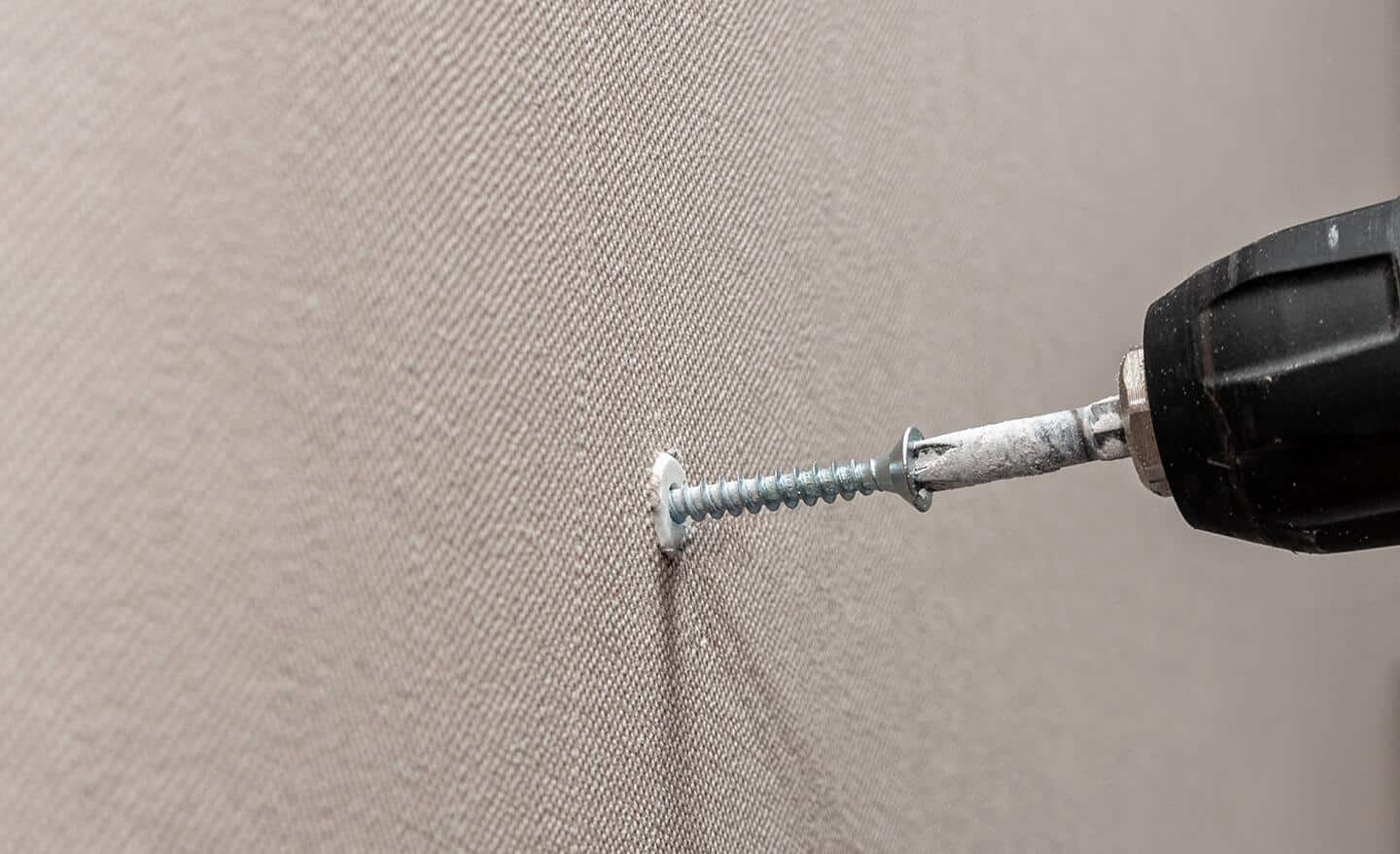
Insert the screw straight into the anchor. Turn it slowly with a screwdriver or drill. Stop tightening as soon as the fixture feels secure. Over-tightening can damage the anchor or wall.
Test the fixture by gently pulling or pushing it. It should not move or wiggle. Proper tightening ensures the anchor expands inside the wall. This expansion creates a firm hold for your fixture.
Common Mistakes To Avoid
Drilling an anchor in a wall seems simple but many make common mistakes. These errors can weaken the hold and cause damage. Avoiding these mistakes saves time and effort. Learn what to watch out for during the process.
Overdrilling Or Underdrilling
Drilling too deep or too shallow affects anchor strength. Overdrilling creates a loose fit, making the anchor unstable. Underdrilling prevents the anchor from fitting fully. Measure the anchor length before drilling. Stop when the hole matches the anchor size. Use a drill bit with the correct diameter. This ensures a snug and secure fit for the anchor.
Using Incorrect Anchor Types
Different walls need different anchors. Using the wrong type reduces holding power. Drywall anchors differ from masonry anchors. Plastic anchors suit light loads; metal anchors hold heavy objects. Match the anchor to the wall material and weight. Check the anchor package for wall type recommendations. Using the correct anchor type ensures safety and durability.
Tips For Long-lasting Support
Ensuring a strong hold for your wall anchors is key for safety and durability. Proper care and smart choices help your anchors last longer. These tips keep your walls safe and secure over time.
Regular Checks And Maintenance
Check your anchors often for any signs of looseness. Tighten screws if you notice wobbling or movement. Dust and dirt can weaken the hold, so clean the area around the anchor. Look for cracks or damage in the wall near the anchor. Early fixes prevent bigger problems and keep support strong.
Dealing With Different Wall Materials
Wall type affects anchor strength and choice. Drywall needs anchors designed for light loads. Concrete and brick require heavy-duty anchors and special drill bits. Use the right drill speed and bit size for each material. Avoid forcing the drill to stop damage. Matching anchors to wall types ensures long-lasting support.
Frequently Asked Questions
What Tools Are Needed To Drill An Anchor In A Wall?
You need a drill, appropriate drill bit, wall anchors, a hammer, and a screwdriver. Use a drill bit that matches the anchor size. Proper tools ensure secure and precise anchor installation.
How Do I Choose The Right Anchor For My Wall?
Select anchors based on wall type and load weight. Plastic anchors suit drywall, while metal anchors are best for concrete. Correct anchor choice ensures stability and safety for your mounted items.
Can I Drill Anchors In Drywall Without Studs?
Yes, use drywall anchors designed to hold weight without studs. They expand behind the drywall for support. Avoid heavy items unless anchors specify high weight capacity.
What Drill Bit Size Should I Use For Anchors?
Match the drill bit size to the anchor diameter. Too small holes make insertion difficult; too large holes reduce holding strength. Check anchor packaging for recommended drill bit size.
Conclusion
Drilling an anchor in a wall is simple with the right steps. Start by choosing the correct anchor and drill bit size. Mark the spot clearly before drilling. Drill straight and clean to avoid damage. Insert the anchor firmly for a secure hold.
This process helps hang items safely and steadily. Practice makes the task easier and faster over time. Trust these tips for your next wall project. You can do this!