You want your home to feel safe, right? Knowing how to lock a deadbolt properly is one simple step that can make a big difference in protecting your space.
But if you’re unsure about the right way to do it, you might be leaving your door vulnerable without even realizing it. You’ll discover easy, clear steps to lock your deadbolt correctly every time. Keep reading to learn how a small action can give you peace of mind and keep your home secure.
Credit: www.youtube.com
Choosing The Right Deadbolt
Choosing the right deadbolt is important for your home’s security. The right lock keeps your family safe and your belongings secure. Different deadbolts offer different levels of protection and convenience. Understanding the types and features helps you pick the best one.
Types Of Deadbolts
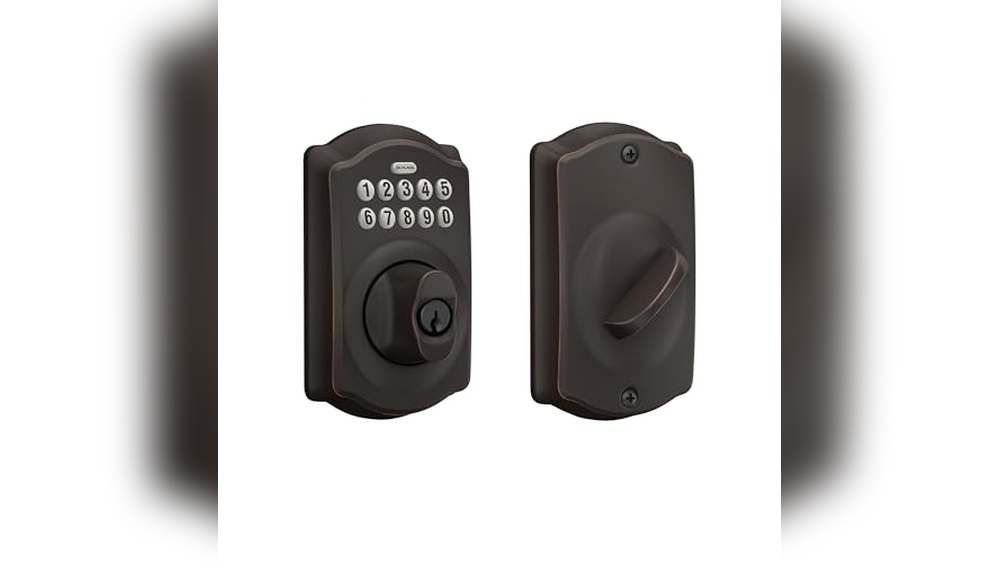
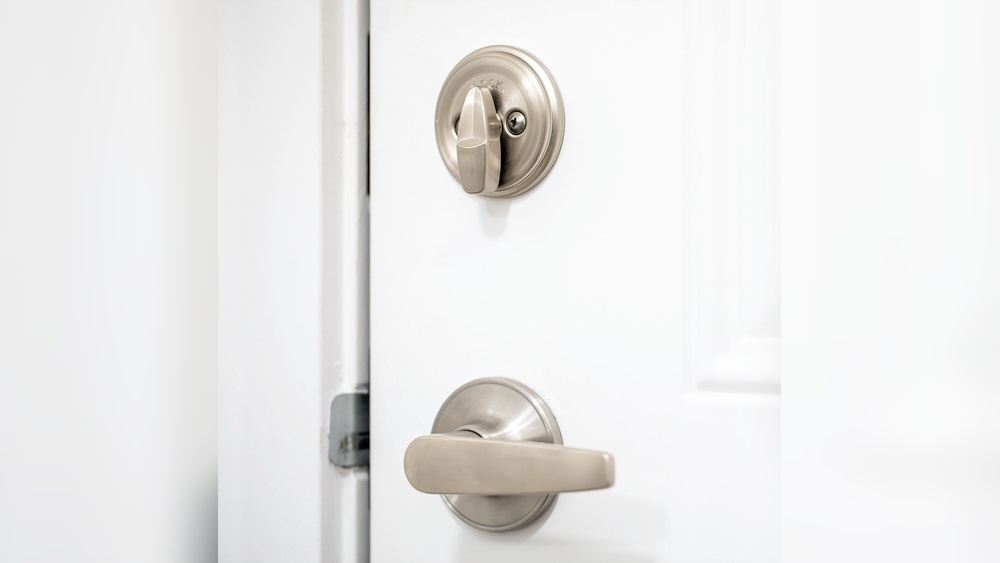
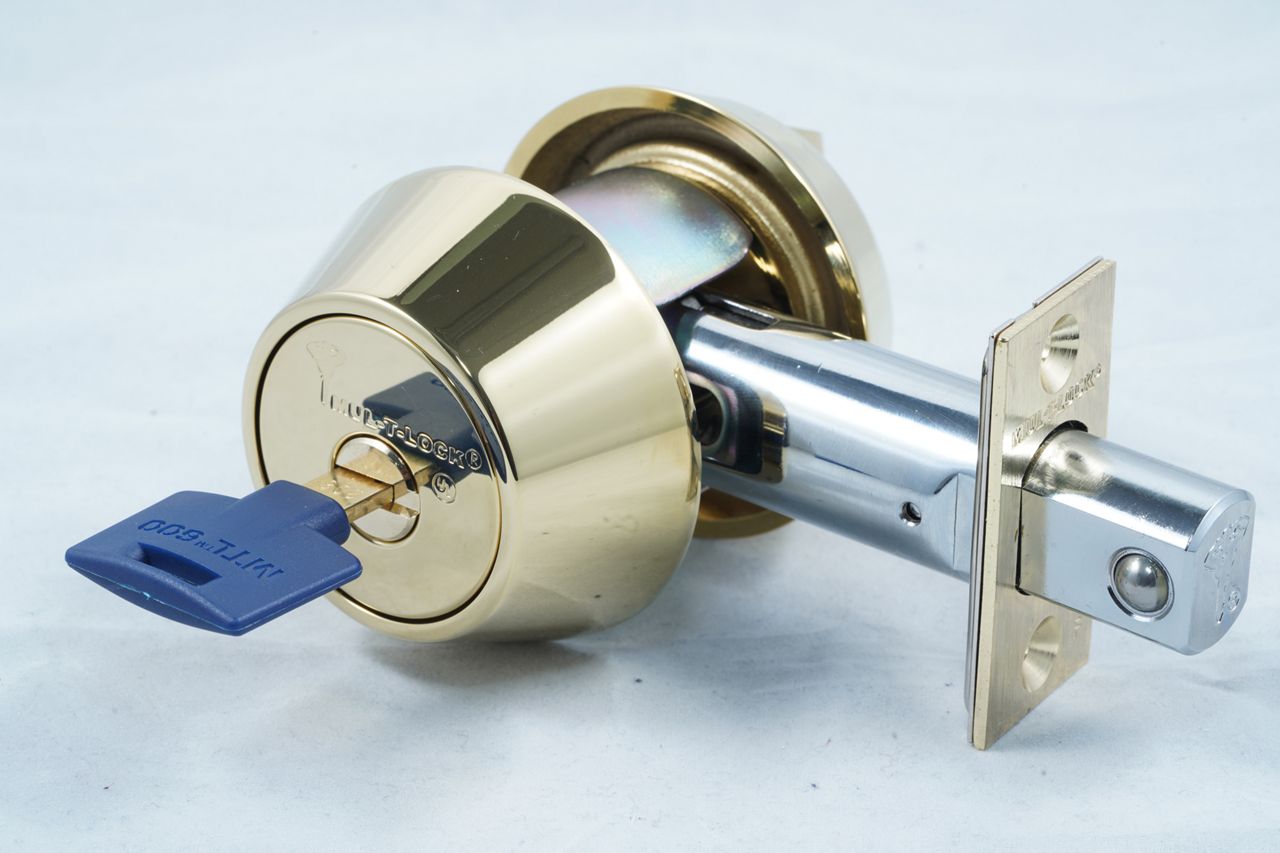
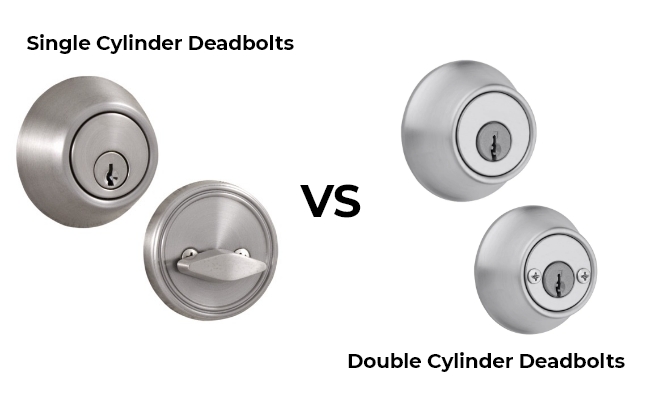
There are three main types of deadbolts. Single-cylinder deadbolts use a key outside and a thumb turn inside. Double-cylinder deadbolts need a key on both sides. This adds security but can be tricky in emergencies. Lockable thumb turn deadbolts combine both types. You can lock or unlock the thumb turn with a key.
Material And Durability
Deadbolts come in different materials. Brass, steel, and stainless steel are common. Steel offers strong resistance to force and weather. Brass resists rust and looks good. Stainless steel is tough and lasts long. Choose a deadbolt with a solid metal construction. It will protect your door better and last longer.
Keyed Vs. Keyless Options
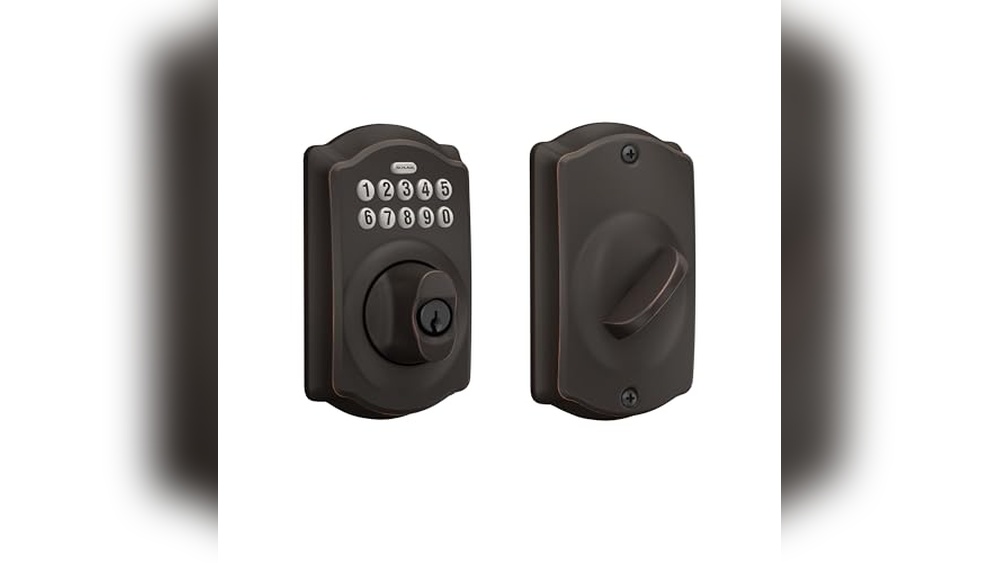
Keyed deadbolts need a physical key to lock or unlock. They are simple and reliable. Keyless deadbolts use codes or electronic cards. They offer easy access without a key. Some models allow remote control via smartphone. Keyless options add convenience but need batteries. Decide based on your lifestyle and security needs.
Credit: www.mul-t-lock.com
Preparing Your Door And Frame
Preparing your door and frame is the first step to install and lock a deadbolt properly. This preparation helps ensure the deadbolt fits well and works smoothly. It also improves your door’s security and durability.
Checking the door and frame before installation prevents problems later. A strong door frame and the right door thickness are important for the deadbolt’s function. Positioning the deadbolt correctly makes locking easier and safer.
Checking Door Thickness
Measure the thickness of your door with a tape measure. Most deadbolts work with doors that are 1 3/8 to 1 3/4 inches thick. If your door is thinner or thicker, the deadbolt may not fit well. Thin doors might need extra reinforcement. Thick doors may require special deadbolt models.
Reinforcing The Door Frame
Check your door frame for cracks or damage. A weak frame makes the lock less secure. Add a metal strike plate to the frame to hold the deadbolt firmly. Use long screws to attach the strike plate deep into the wall stud. This stops the door from being forced open easily.
Positioning The Deadbolt
Place the deadbolt about 6 to 12 inches above your door handle. This position gives the best balance of strength and ease of use. Mark the spot carefully to drill holes accurately. Proper positioning prevents the deadbolt from hitting the door frame or hardware.
Installing The Deadbolt
Installing a deadbolt is an important step for improving home security. The process requires care and the right tools. Follow clear steps to fit the lock properly and ensure it works smoothly.
Tools You’ll Need
Gather the right tools before starting. You will need a drill, screwdriver, measuring tape, pencil, chisel, and a hole saw bit. A level can help keep the lock straight. Having everything ready saves time and effort.
Marking And Drilling
First, mark the door where the deadbolt will go. Measure carefully at the right height for easy use. Use a template if available. Drill holes through the door for the lock cylinder and the latch. Drill slowly to avoid splintering the wood. Clean the holes before moving on.
Securing The Lock Mechanism
Insert the latch into the edge of the door. Use a chisel to make room if needed. Screw the latch firmly in place. Place the lock cylinder on the door face. Attach the interior thumb turn on the opposite side. Tighten screws evenly to secure the lock. Test the deadbolt to ensure smooth locking and unlocking.
Credit: reolink.com
Locking The Deadbolt Properly
Locking a deadbolt properly is key for home security. A deadbolt adds strong protection against forced entry. It requires a few simple steps to ensure it works well every time.
Proper use keeps your door safe and gives peace of mind. Understanding how to lock it from both sides helps avoid damage or lockouts.
Using The Thumb Turn
The thumb turn is the small knob inside the door. Turn it fully clockwise to lock the deadbolt. You should feel resistance when it is secure.
Do not force the thumb turn. A smooth, firm turn is enough. This action slides the bolt deep into the door frame.
Locking From The Outside
From outside, use your key to lock the deadbolt. Insert the key fully into the lock cylinder. Turn the key slowly until you cannot turn it further.
Keep the key steady to avoid breaking it inside the lock. Remove the key only after the bolt is fully extended.
Ensuring Full Engagement
Check if the bolt is fully extended into the strike plate. The door should feel solid and not move easily. A half-locked deadbolt offers little protection.
Listen for a click or feel the bolt slide into place. Test the door by trying to open it gently. If it opens, lock it again properly.
Maintaining Your Deadbolt
Maintaining your deadbolt helps keep your home secure and your lock working smoothly. Regular care prevents problems like sticking or jamming. It also extends the life of your lock. Simple steps can make a big difference in how well your deadbolt functions.
Lubrication Tips
Use a graphite-based lubricant for your deadbolt. Avoid oil-based products; they attract dirt and dust. Apply a small amount inside the keyhole. Turn the key several times to spread the lubricant. Repeat this every six months or when the lock feels stiff.
Regular Inspection
Check your deadbolt often for signs of wear. Look for rust, loose screws, or misalignment. Test the lock by turning the key and knob. Make sure the bolt slides smoothly into the door frame. Tighten any loose screws to keep the lock stable.
When To Replace The Lock
Replace your deadbolt if it no longer works properly. Signs include difficulty turning the key or the bolt sticking. Also change the lock after a break-in or lost keys. Upgrading to a new lock improves your home’s security. Choose a strong, reliable deadbolt for better protection.
Additional Security Tips
Adding extra security measures can make your deadbolt much stronger. Simple steps help protect your home better. These tips improve your lock’s effectiveness and keep intruders away.
Using Strike Plate Reinforcements
The strike plate holds the deadbolt latch in place. A weak plate can make your door easy to break. Reinforcing it with a stronger metal plate helps resist force. Use long screws to secure the plate deep into the door frame. This small change makes a big difference in door security.
Combining Deadbolts With Other Locks
Using more than one lock adds layers of protection. A deadbolt combined with a latch or chain lock slows down intruders. This makes breaking in harder and takes more time. Different types of locks work together to secure your door better.
Smart Deadbolt Features
Smart deadbolts offer extra convenience and safety. They allow keyless entry through codes or apps. Some alert you if someone tries to tamper with the lock. Features like auto-locking add protection if you forget to lock the door. Smart locks can improve security without extra effort.
Frequently Asked Questions
How Do I Lock A Deadbolt Properly?
To lock a deadbolt, insert the key or thumb turn and turn it fully. Ensure the bolt extends into the door frame securely. Test the door for tightness. This prevents forced entry and keeps your home safe.
Can Deadbolts Be Locked From Outside Without A Key?
Most single-cylinder deadbolts require a key to lock from outside. However, double-cylinder deadbolts can be locked using a key on both sides. Always choose the type based on your safety needs and local regulations.
Why Is My Deadbolt Hard To Turn When Locking?
A hard-to-turn deadbolt may indicate misalignment or worn parts. Check if the bolt and strike plate line up properly. Lubricate the lock with graphite powder. If problems persist, consider professional servicing or replacement.
How Secure Is A Deadbolt Lock Compared To Other Locks?
Deadbolts offer superior security over spring bolt locks. They resist forced entry better due to their solid metal bolt. Always choose high-quality deadbolts with long throw bolts for maximum protection.
Conclusion
Locking a deadbolt keeps your home safe and secure. It takes just a few simple steps. Practice makes it easier to lock and unlock quickly. Always check the lock before leaving your house. A properly locked deadbolt gives you peace of mind.
Remember, safety starts with small actions every day. Stay safe by using your deadbolt right.