When it comes to keeping your home safe, every detail matters—even the doors inside your house. You might think interior doors don’t need extra security, but installing a deadbolt can give you peace of mind and control over who enters certain rooms.
If you’ve never installed a deadbolt before, it might sound tricky. But don’t worry—you can do it yourself with just a few simple tools and steps. By the end of this guide, you’ll have a strong, reliable lock on your interior door that boosts your home’s security instantly.
Ready to get started? Let’s dive in.
Credit: www.homedepot.com
Choosing The Right Deadbolt
Choosing the right deadbolt is key to securing an interior door. Not all deadbolts fit every door or purpose. Understanding different types helps pick the best one. Size matters too. A wrong size can cause problems with installation and use. The material and finish affect both look and durability. These factors work together for a safe and stylish lock.
Types Of Deadbolts
There are single-cylinder and double-cylinder deadbolts. Single-cylinder uses a key outside and a thumb turn inside. Double-cylinder needs a key on both sides. Choose single-cylinder for convenience. Double-cylinder adds extra security but needs a key to exit. Some deadbolts have a keypad for keyless entry. Pick the type that fits your security needs and ease of use.
Selecting The Correct Size
Deadbolts come in different sizes. Measure the door thickness before buying. Most interior doors are 1 3/8 to 1 3/4 inches thick. Choose a deadbolt that fits this range. Also, check the backset—the distance from the door edge to the center of the hole. Common backsets are 2 3/8 or 2 3/4 inches. Correct size ensures smooth operation and secure fit.
Material And Finish Options
Deadbolts come in materials like brass, steel, and zinc. Brass resists corrosion and looks classic. Steel offers strong security and durability. Zinc blends strength with corrosion resistance. Finish options include polished brass, satin nickel, and oil-rubbed bronze. Match the finish with door hardware for a uniform look. Choose materials that suit your style and last long.

Credit: www.youtube.com
Tools And Materials Needed
Installing a deadbolt on an interior door needs the right tools and materials. Having everything ready makes the job easier and faster. This guide lists what you need to prepare before starting.
Essential Tools
- Drill with drill bits
- Screwdriver (Phillips and flathead)
- Measuring tape
- Pencil for marking
- Chisel for door adjustments
- Hammer
- Hole saw kit (usually 2 1/8 inch)
Additional Supplies
- Deadbolt lock set
- Wood screws (usually come with the lock)
- Wood filler (for fixing mistakes)
- Sandpaper (to smooth rough edges)
- Painter’s tape (to mark drilling points)
Safety Gear
- Safety glasses to protect eyes
- Work gloves to protect hands
- Ear protection if using loud tools
Preparing The Door
Preparing the door is the first step to install a deadbolt on an interior door. This step ensures the lock fits perfectly and works smoothly. It involves marking the right spot, measuring carefully, drilling precise holes, and cleaning the area for a neat finish. Taking time here makes the installation easier and the lock more secure.
Marking The Installation Spot
Choose a comfortable height for the deadbolt, usually about 6 to 12 inches above the doorknob. Use a pencil to mark the spot clearly on the door edge and face. Make sure the marks are level and centered. Check the marks twice to avoid mistakes during drilling.
Measuring And Drilling Holes
Use a tape measure to find the exact size needed for the deadbolt. Drill a hole through the door face where you marked, using the correct drill bit size. Drill a smaller hole on the door edge for the latch bolt. Drill slowly to keep the holes clean and avoid splintering the wood.
Cleaning The Work Area
Remove dust and wood chips from the drilled holes and surrounding area. Use a brush or vacuum to clear all debris. A clean surface helps the lock parts fit tightly and prevents damage. Wipe the door area with a damp cloth for a smooth finish before installation.

Credit: www.homedepot.com
Installing The Deadbolt
Installing the deadbolt on an interior door improves security and privacy. This process needs careful steps to ensure the lock works smoothly. Follow these instructions to fit the deadbolt correctly.
Fitting The Deadbolt Mechanism
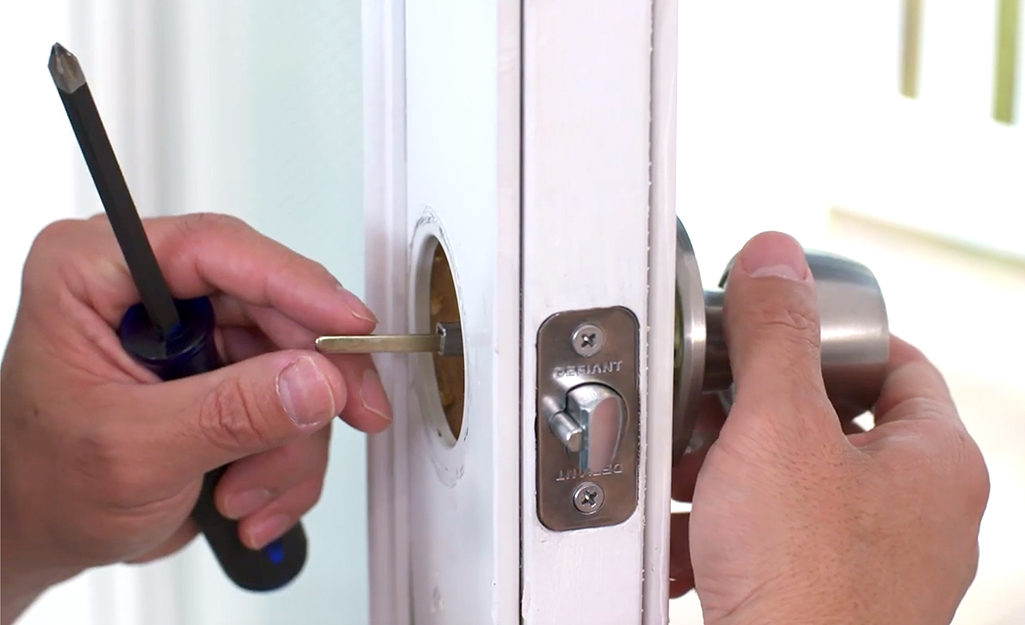
Begin by inserting the deadbolt mechanism into the door’s edge hole. Make sure the bolt slides in and out easily. Align the mechanism so the bolt faces the door frame. Check that the latch is flush with the door edge. Adjust the position if the bolt sticks or feels tight.
Attaching The Exterior And Interior Plates
Next, place the exterior plate on the outside of the door. Align its spindle with the deadbolt mechanism. On the inside, fit the interior plate. Make sure the thumb turn or key cylinder matches the mechanism. Both plates should sit flat and flush against the door surface.
Securing With Screws
Fasten the plates using the provided screws. Tighten each screw evenly to avoid warping the plates. Check that the deadbolt moves smoothly after securing. Avoid overtightening, which can damage the door or lock parts. Test the lock several times to confirm proper function.
Aligning The Strike Plate
Aligning the strike plate is a key step in installing a deadbolt on an interior door. The strike plate holds the bolt securely when the door is locked. Proper alignment ensures the deadbolt fits well and works smoothly. It prevents the door from jamming or the lock from failing. Follow these steps carefully to position and install the strike plate correctly.
Marking The Door Frame
Close the door and extend the deadbolt fully. Notice where the bolt touches the door frame. Use a pencil to mark this spot clearly. Mark the edges of the bolt on the frame. These marks guide where to place the strike plate. Double-check the marks before moving on. Accurate marking helps avoid mistakes and saves time.
Chiseling The Recess
The strike plate needs to sit flush with the door frame. Use a chisel to create a shallow recess for the plate. Start by outlining the marked area with the chisel tip. Gently tap the chisel to remove thin wood layers. Make the recess deep enough for the strike plate to fit snugly. Take your time to keep the recess neat and even.
Installing And Securing The Strike Plate
Place the strike plate into the chiseled recess. Check if it fits well and aligns with the bolt marks. Use screws to secure the plate to the door frame. Tighten the screws firmly but avoid stripping them. Test the deadbolt by locking and unlocking the door. Adjust the plate if the bolt does not slide smoothly. Proper installation ensures a strong and reliable lock.
Testing The Deadbolt
Testing the deadbolt is a crucial step after installation. It ensures the lock works correctly and secures the door. You want the deadbolt to move smoothly and fit perfectly into the strike plate. This check prevents future problems and keeps your door safe.
Checking Smooth Operation
Turn the key or thumb turn slowly. The deadbolt should slide in and out without force. Listen for any grinding or sticking sounds. The lock should feel firm but not tight. Smooth motion means the deadbolt is installed well.
Adjusting Alignment
Check if the deadbolt aligns with the strike plate hole. If it hits the edge, the door may not lock fully. Slightly move the strike plate up or down to fix this. Test the lock after each adjustment. Proper alignment makes locking easy and secure.
Troubleshooting Common Issues
If the deadbolt sticks or jams, check for obstructions inside the strike plate. Tighten any loose screws on the lock and strike plate. Lubricate the lock with graphite or silicone spray for better movement. Replace damaged parts to avoid lock failure. These steps solve most deadbolt problems quickly.
Maintenance Tips
Maintaining your deadbolt on an interior door is important for safety and smooth use. Small care steps keep the lock working well. This helps avoid problems like jamming or sticking.
Regular checks and cleaning extend the lock’s life. You can do most tasks with simple tools and little time. This section shares key tips for deadbolt care.
Lubricating The Lock
Use a graphite or silicone spray to lubricate the lock. Avoid oil-based lubricants as they attract dirt. Spray inside the keyhole and on the bolt mechanism. Move the key back and forth to spread lubricant evenly. Do this every six months for smooth action.
Inspecting For Wear
Look at the lock for signs of wear or damage. Check the bolt, strike plate, and screws. Loose screws can cause misalignment and trouble locking. Tighten screws if needed. Watch for rust or corrosion. Clean off rust with a soft cloth and mild cleaner.
When To Replace Components
Replace parts if the lock sticks or won’t turn easily. Old or broken springs and bolts need changing. If the lock feels loose or wobbly, consider a new strike plate. Replace the entire deadbolt if it shows heavy rust or damage. Early replacement saves you from future lockouts.
Frequently Asked Questions
What Tools Are Needed To Install A Deadbolt On An Interior Door?
You will need a drill, screwdriver, measuring tape, pencil, chisel, and a deadbolt kit. These tools ensure precise installation and proper fitting of the deadbolt.
Can I Install A Deadbolt On Any Interior Door?
Most interior doors can support a deadbolt if they are solid or hollow core. Hollow core doors may require reinforcement for security and proper installation.
How Do I Align The Deadbolt With The Door Frame?
Measure carefully and mark the door and frame before drilling. Use a level to ensure the bolt aligns perfectly with the strike plate.
Is It Necessary To Reinforce The Door Frame For A Deadbolt?
Reinforcing the door frame with a metal strike plate or longer screws improves security. This prevents the frame from splitting under force.
Conclusion
Installing a deadbolt on an interior door adds extra security and peace of mind. The process is simple when you follow the right steps carefully. Use the right tools and measure twice before cutting. Take your time to fit the deadbolt properly for smooth operation.
This small upgrade can make a big difference in safety. Now, your door will feel stronger and more secure. Try it yourself and enjoy the added protection today.