
Installing a deadbolt on your new door might seem tricky, but it’s easier than you think. A strong deadbolt adds an extra layer of security to your home, giving you peace of mind every time you lock the door.
If you want to keep your family and belongings safe, learning how to install a deadbolt yourself can save you time and money. In this guide, you’ll find simple, step-by-step instructions that anyone can follow—even if you’ve never done it before.
Ready to boost your door’s security? Let’s get started!
Credit: www.homedepot.com
Choosing The Right Deadbolt
Choosing the right deadbolt is a key step before installing it on a new door. The right deadbolt ensures strong security and fits perfectly with your door. It protects your home and gives you peace of mind. Understanding types, features, and matching it to your door material helps you pick the best option.
Types Of Deadbolts
Single-cylinder deadbolts use a key outside and a thumb turn inside. They are simple and common for most doors. Double-cylinder deadbolts need a key on both sides. They add extra security but can be tricky in emergencies. Keyless deadbolts use codes or electronic keys. They offer convenience and modern security. Choose a type that suits your security needs and daily use.
Security Features To Look For
Look for deadbolts with hardened steel bolts. These resist cutting and sawing. Pick models with anti-pick pins to stop lock picking. A bump-resistant design prevents bump key attacks. Some deadbolts have drill-resistant plates to block drilling. Check for a long bolt throw, at least one inch. These features strengthen the lock and protect your home better.
Matching Deadbolt To Door Material
Wood doors need deadbolts that fit their thickness and grain. Metal doors require deadbolts with strong mounting hardware. Fiberglass doors benefit from locks designed for their solid core. Measure your door’s thickness before buying a deadbolt. Match the deadbolt’s size and screws to your door material. This ensures a secure fit and smooth operation.

Credit: www.homedepot.com
Gathering Tools And Materials
Before installing a deadbolt on a new door, gather all tools and materials. This step saves time and helps avoid interruptions during installation. Having everything ready makes the process smoother and safer.
Essential Tools Needed
Start with the basic tools for deadbolt installation. A power drill is important for making holes and driving screws. Use drill bits sized for the deadbolt template. A screwdriver helps tighten screws precisely. A tape measure ensures accurate placement of the lock. Pencil marks guide drilling. A chisel shapes wood for the lock faceplate. A hammer assists with chiseling and fitting parts. These tools form the core set for any deadbolt job.
Additional Supplies For Installation
Besides tools, collect extra supplies. Screws often come with the deadbolt kit, but keep some spares. Wood filler can fix any mistakes or gaps after drilling. Sandpaper smooths rough edges around holes. Safety glasses protect eyes from dust and debris. Painter’s tape holds the lock template in place while marking. A level helps keep the deadbolt straight on the door. These supplies make the installation clean and professional.
Preparing The Door
Preparing the door is the first step to install a deadbolt correctly. This step helps ensure the lock fits well and works smoothly. Take your time here. Accurate preparation makes the next steps easier and safer.
Measuring And Marking Drill Points
Start by measuring where the deadbolt will go. Use a tape measure to find the right height. Most deadbolts fit about 6 to 12 inches above the doorknob. Mark the points for drilling with a pencil. Double-check these marks. Precise marks guide your drill and prevent mistakes.
Checking Door Thickness
Measure the door thickness with a ruler or tape. Most deadbolts need doors between 1 3/8 inches and 2 inches thick. If the door is too thin or thick, the lock may not fit. Check the deadbolt instructions for the right thickness. Adjust your choice if needed.
Drilling Holes Safely
Wear safety glasses to protect your eyes. Use a drill bit size recommended by the deadbolt kit. Drill slowly and steady. Avoid pushing too hard to prevent splintering the wood. Drill from both sides if possible. This keeps the holes clean and smooth.
Installing The Deadbolt
Installing the deadbolt is a key step for securing your new door. Follow clear steps to place the lock correctly. This ensures the deadbolt works smoothly and keeps your home safe.
Take your time to align parts properly. Misalignment can cause the lock to jam or fail. Use tools carefully and check each step.
Inserting The Deadbolt Mechanism
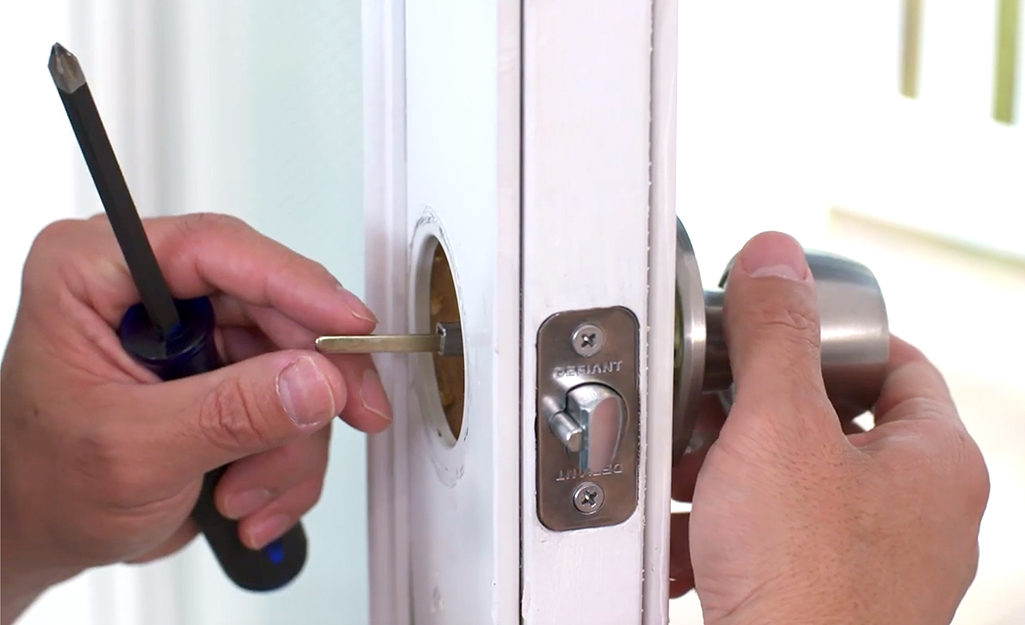
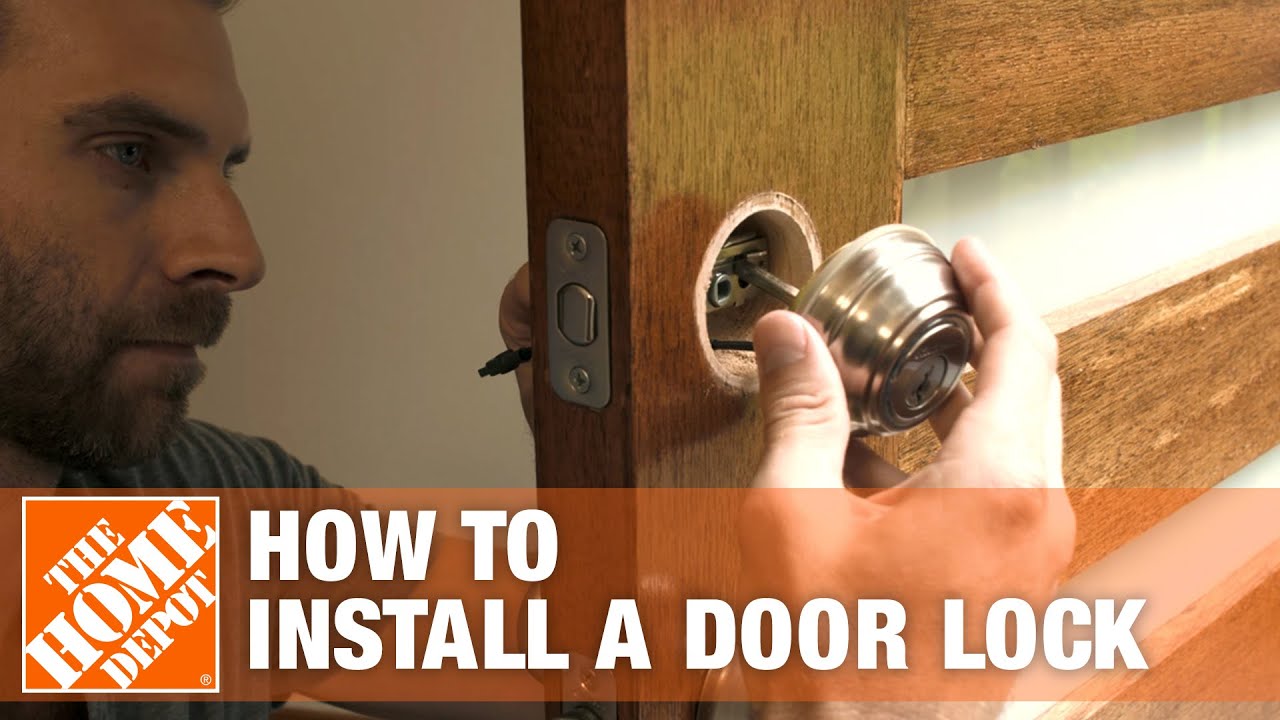
Start by sliding the deadbolt mechanism into the door’s edge. Make sure the bolt faces the correct direction, usually with the slant pointing down. Push it fully until it fits flush with the door surface. Check that the bolt moves freely when you push the thumb turn or key.
Attaching The Exterior And Interior Plates
Next, place the exterior plate on the outside of the door. The keyhole should line up with the bolt mechanism. On the inside, fit the interior plate with the thumb turn. Both plates must sit flat and match the holes. This alignment helps the lock operate without friction.
Securing Screws Properly
Use the screws provided to fix the plates to the door. Tighten them evenly to avoid bending the plates. Do not over-tighten, or you risk stripping the screws. Test the deadbolt by turning it several times to confirm smooth movement.
Testing The Deadbolt
Testing the deadbolt is an important step after installation. It ensures the lock works properly and keeps your door secure. Careful testing helps avoid problems later. Follow these steps to check your deadbolt’s performance.
Checking Lock Operation
Turn the key or thumb turn slowly. Listen for smooth movement inside the lock. The bolt should slide out fully without sticking. Lock and unlock several times. Make sure it feels firm and steady each time.
Adjusting For Smooth Function
If the lock feels stiff or hard to turn, adjustments may be needed. Loosen screws slightly and try turning again. Tighten screws little by little until the lock moves easily. Avoid forcing the key or thumb turn to prevent damage.
Ensuring Proper Alignment
Check the deadbolt and strike plate alignment. The bolt must fit cleanly into the strike plate hole. If it hits the side, adjust the strike plate position. Make sure the door closes fully without resistance. Proper alignment keeps your deadbolt working well.
Enhancing Door Security
Installing a deadbolt on a new door is just the first step in securing your home. Strengthening the door and frame can stop break-ins and keep your family safe. Small changes can make a big difference in how secure your door is.
Focus on key areas like strike plates, door frames, and extra security tools. These improvements work together to create a strong barrier against forced entry. Here is how to enhance your door security effectively.
Installing Strike Plates
Strike plates hold the deadbolt latch in place. Use a heavy-duty strike plate made of solid metal. Attach it with long screws that reach the wall stud. This prevents the plate from pulling out easily. Make sure the strike plate fits snugly in the door frame.
Reinforcing Door Frame
Door frames often weaken during forced entry attempts. Strengthen the frame with metal reinforcement plates. Install these plates around the lock area and along the door jamb. This adds extra support and stops the frame from splitting. Check the frame for cracks and fix any damage.
Using Additional Security Accessories
Extra tools can increase your door’s protection. Consider using door armor kits that cover vulnerable areas. Security bars and door braces provide strong resistance against kicking. A door viewer or peephole lets you see visitors without opening the door. These accessories add layers of security to your deadbolt.
Maintenance Tips
Keeping your deadbolt in good shape helps protect your home. Simple care extends its life and keeps it working well. Small efforts can stop big problems later.
Lubricating The Lock
Apply a small amount of graphite or silicone spray inside the keyhole. Avoid using oil-based lubricants as they can attract dust. Lubricate the bolt mechanism to keep it moving smoothly. Do this twice a year for best results.
Regular Inspection
Check your deadbolt every few months. Look for signs of rust, wear, or loose screws. Tighten any loose parts right away. Test the lock by turning the key and knob to ensure smooth action. Early checks help avoid sudden lock failures.
When To Replace Components
Replace the lock cylinder if keys start sticking or won’t turn easily. Change the strike plate if it becomes bent or cracked. Upgrade the entire deadbolt if it shows heavy rust or damage. Timely replacement keeps your door secure and reliable.
Credit: www.youtube.com
Frequently Asked Questions
How Do I Install A Deadbolt On A New Door?
To install a deadbolt, first measure and mark the door for drilling. Drill holes for the lock and latch. Insert the deadbolt, secure it with screws, and test its function. Follow the manufacturer’s instructions for best results.
What Tools Are Needed To Install A Deadbolt Lock?
You need a drill, drill bits, screwdriver, tape measure, pencil, chisel, and a deadbolt lock set. These tools help create precise holes and secure the lock properly on your new door.
How High Should I Install A Deadbolt On My Door?
Install the deadbolt 6 to 12 inches above the door handle. This height provides optimal security and easy access when locking or unlocking the door.
Can I Install A Deadbolt Without Professional Help?
Yes, installing a deadbolt is doable for most DIYers. Follow step-by-step instructions carefully, use proper tools, and take safety precautions. It saves money and ensures your door is secure.
Conclusion
Installing a deadbolt on a new door adds strong security. Follow each step carefully to ensure a good fit. Use the right tools and measure twice before cutting. Tighten all screws firmly to keep the lock steady. Test the deadbolt several times to confirm smooth locking.
Taking your time makes the process simple and safe. Enjoy the peace of mind a secure door brings. Your home feels safer with this easy upgrade.


