If you’ve ever wondered how your basement walls stay strong and secure, anchor bolts play a key role. These small but powerful components hold your walls firmly in place, protecting your home from shifting and damage.
Understanding how anchor bolts work can help you spot potential problems early and keep your basement safe. You’ll discover exactly what anchor bolts do, why they matter, and how they protect your home’s foundation. Keep reading to learn how these simple tools make a big difference for your basement’s strength.
Role Of Anchor Bolts
Anchor bolts play a key role in basement wall safety. They hold the walls firmly in place. Without them, walls can move or crack. These bolts connect the basement walls to the foundation. This connection keeps the entire structure stable and strong. Understanding their role helps explain why anchor bolts are essential in construction.
Securing Walls To Foundations
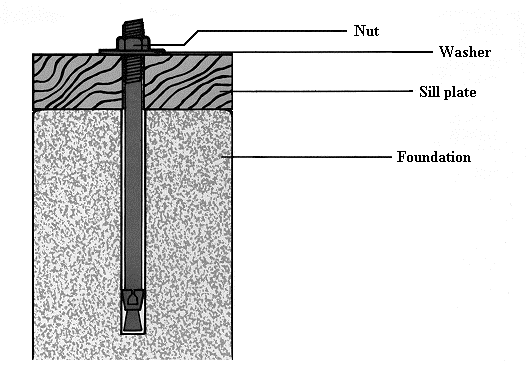
Anchor bolts fasten basement walls directly to the concrete foundation. They act like strong metal pins. These bolts go deep into the foundation and through the wall framing. This connection stops walls from sliding or lifting. It ensures walls stay fixed even under heavy pressure. Builders rely on anchor bolts to keep the base steady.
Preventing Structural Shifts
Anchor bolts prevent walls from shifting over time. Soil movement or weather changes can push walls out of place. The bolts resist these forces by holding walls tight. This stops cracks and leaks in the basement. With anchor bolts, the home remains safe and secure. They protect the structure against damage caused by movement.

Credit: www.ayersbasementsystems.com
Types Of Anchor Bolts
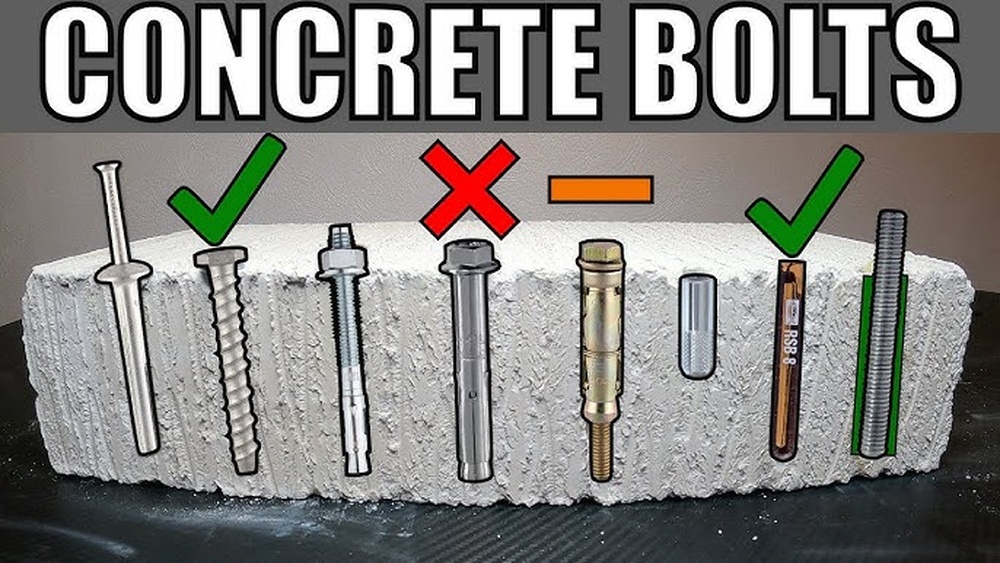
Anchor bolts come in different types, each designed for specific uses in basement walls. Choosing the right type ensures strong and lasting support. Knowing these types helps you understand how they work and where to use them.
Wedge Anchors
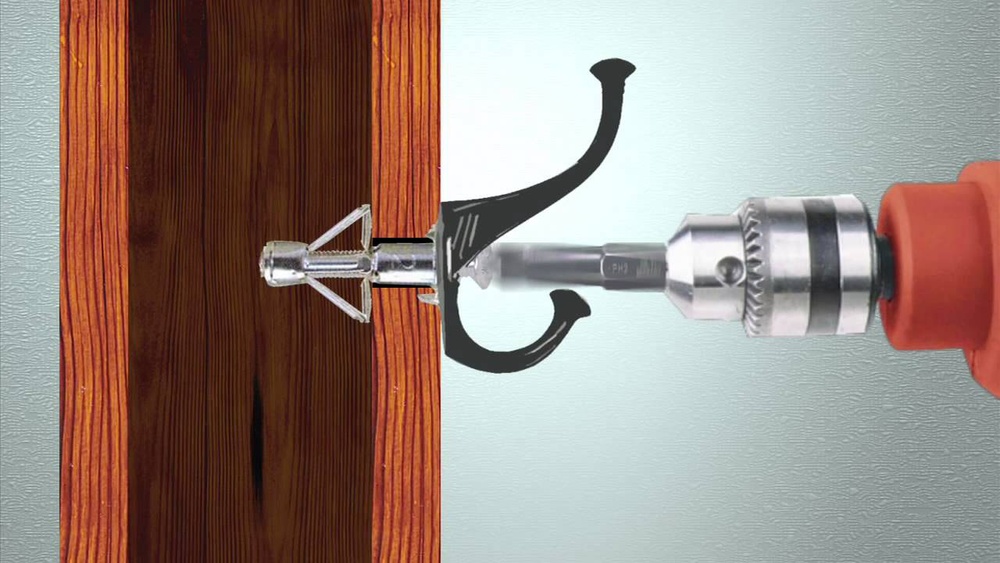
Wedge anchors hold firmly in concrete. They work by expanding inside the drilled hole as you tighten the bolt. This expansion creates a strong grip that resists pulling forces. Wedge anchors are great for heavy loads and permanent installations.
Sleeve Anchors
Sleeve anchors use a metal sleeve that expands when the bolt is tightened. This expansion presses tightly against the hole walls. They fit well in concrete and masonry walls. Sleeve anchors offer good strength and are easy to install.
Expansion Bolts
Expansion bolts expand inside the drilled hole to secure firmly. They use a cone-shaped end that pulls into the sleeve as you tighten the nut. This action spreads the sleeve and locks the bolt in place. Expansion bolts provide strong holding power in solid walls.
Installation Process
The installation process of anchor bolts on basement walls is crucial for stability and safety. Each step must be done carefully to ensure the bolts hold the wall firmly. Proper installation prevents wall movement and structural damage.
Choosing Bolt Placement
Start by marking where the anchor bolts will go. Place bolts evenly along the wall. Choose spots near the wall’s base for strong support. Avoid areas with cracks or weak concrete.
Drilling And Setting Bolts
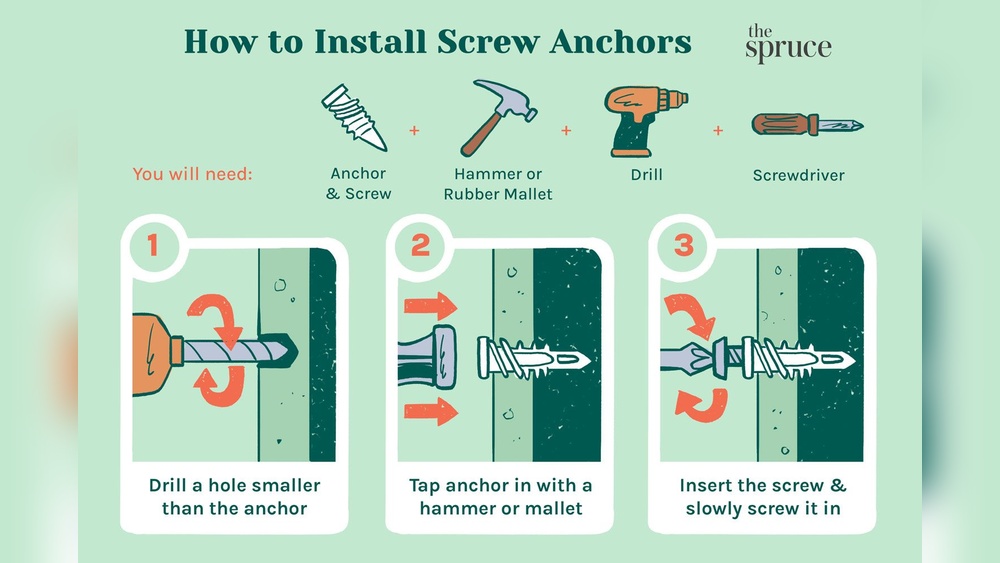
Use a drill with the right bit size for the bolts. Drill holes deep enough to hold the bolts securely. Clean the holes to remove dust and debris. Insert the bolts and tap them gently to fit.
Ensuring Proper Tightening
Tighten the nuts on the bolts with a wrench. Tighten until the bolt feels firm but not too tight. Over-tightening can damage the wall or the bolt. Check each bolt to confirm it is secure and stable.
Credit: www.mcvicker.com
Material Considerations
Choosing the right material for anchor bolts on basement walls is key. The material affects how well the bolts hold and last. It also impacts safety and durability. Understanding these material factors helps in making smart choices for strong basement walls.
Corrosion Resistance
Basement walls often face moisture. This can cause metal to rust and weaken. Using bolts with good corrosion resistance stops this problem. Stainless steel and galvanized bolts resist rust well. They last longer and keep the wall secure. Rust-free bolts mean less maintenance and fewer repairs.
Bolt Strength Grades
Bolt strength grades show how much weight bolts can hold. Higher grades mean stronger bolts. For basement walls, strong bolts prevent cracks and shifts. Common grades include Grade 5 and Grade 8. Choose the right grade based on wall size and soil pressure. Strong bolts keep your basement safe and stable.
Common Issues And Fixes
Anchor bolts secure basement walls and keep them stable. Sometimes, problems arise that affect their strength. Knowing common issues helps maintain wall safety. Fixes often involve simple checks and repairs.
Bolt Loosening
Bolt loosening happens when bolts lose tightness over time. This can cause wall movement or cracks. Vibrations from heavy equipment or ground shifts may loosen bolts. Regular inspections find loose bolts early. Tighten bolts with a wrench to restore strength. Use lock washers or thread-locking compounds to keep bolts tight longer.
Improper Embedment Depth
Embedment depth means how far the bolt goes into the concrete. Shallow embedment weakens the hold and reduces wall support. Bolts set too shallow can pull out under pressure. Check embedment depth during installation. Fix shallow bolts by drilling deeper holes. Insert longer bolts or use epoxy anchors for a stronger hold.
Tips For Maximum Strength
Anchor bolts must be strong to hold basement walls safely. Proper steps help make bolts last longer and work better. This section gives tips to get the most strength from anchor bolts. Follow these simple rules to keep your basement safe and secure.
Spacing And Quantity
Place anchor bolts at regular distances for even support. Too few bolts cause weak spots in the wall. Check building codes to know the right number and spacing. More bolts mean better hold and less chance of wall movement.
Using Washers And Nuts
Washers spread the load from the bolt over a larger area. This stops bolts from pulling through the wall. Tighten nuts firmly to hold the bolt in place. Loose nuts reduce the bolt’s strength and can cause damage.
Regular Inspections
Check anchor bolts often for signs of rust or looseness. Fix any problems quickly to keep bolts strong. Regular inspections help find issues early before they become big problems. A strong anchor bolt means a safe basement wall.

Credit: www.youtube.com
Frequently Asked Questions
What Are Anchor Bolts Used For In Basement Walls?
Anchor bolts secure basement walls to the foundation, preventing movement. They stabilize walls against soil pressure and structural shifts, ensuring safety and durability.
How Do Anchor Bolts Prevent Basement Wall Cracks?
Anchor bolts hold walls firmly, reducing stress from soil and water pressure. This limits wall movement and prevents cracks caused by shifting or settling.
When Should You Install Anchor Bolts In Basement Walls?
Install anchor bolts during basement construction or repairs. Early installation strengthens walls and prevents future damage from pressure or foundation movement.
Can Anchor Bolts Fix Existing Basement Wall Problems?
Yes, anchor bolts can reinforce weakened walls and stop further damage. They provide additional support to stabilize walls and prevent worsening cracks or bowing.
Conclusion
Anchor bolts keep basement walls strong and steady. They stop walls from moving or cracking. Proper installation is key for safety and durability. These bolts connect the wall to the foundation securely. Homeowners should know how they work to protect their homes.
Good maintenance helps avoid costly repairs later. Understanding anchor bolts helps you keep your basement safe. Simple but important. A small part with a big role.