Are you struggling to securely anchor black iron pipes to your wall? Whether you’re working on a home project or fixing plumbing, getting the right support is key to keeping your pipes safe and stable.
In this guide, you’ll discover simple, effective steps that anyone can follow—no special tools or skills needed. By the end, you’ll know exactly how to fasten your black iron pipe with confidence, avoiding common mistakes that cause leaks or damage.
Ready to make your installation strong and lasting? Let’s dive in.
Tools And Materials Needed
Anchoring black iron pipe to a wall needs specific tools and materials. These help secure the pipe safely and firmly. Using the right items makes the job easier and the result stronger.
Below is a list of essential tools and materials. Each plays an important role in the installation process.
Black Iron Pipe Types
Black iron pipes come in different sizes and thicknesses. Choose the pipe size that fits your project needs. Common sizes include ½ inch, ¾ inch, and 1 inch. Select the right length to avoid cutting later. Make sure the pipe is clean and free of rust before installation.
Wall Anchors And Fasteners
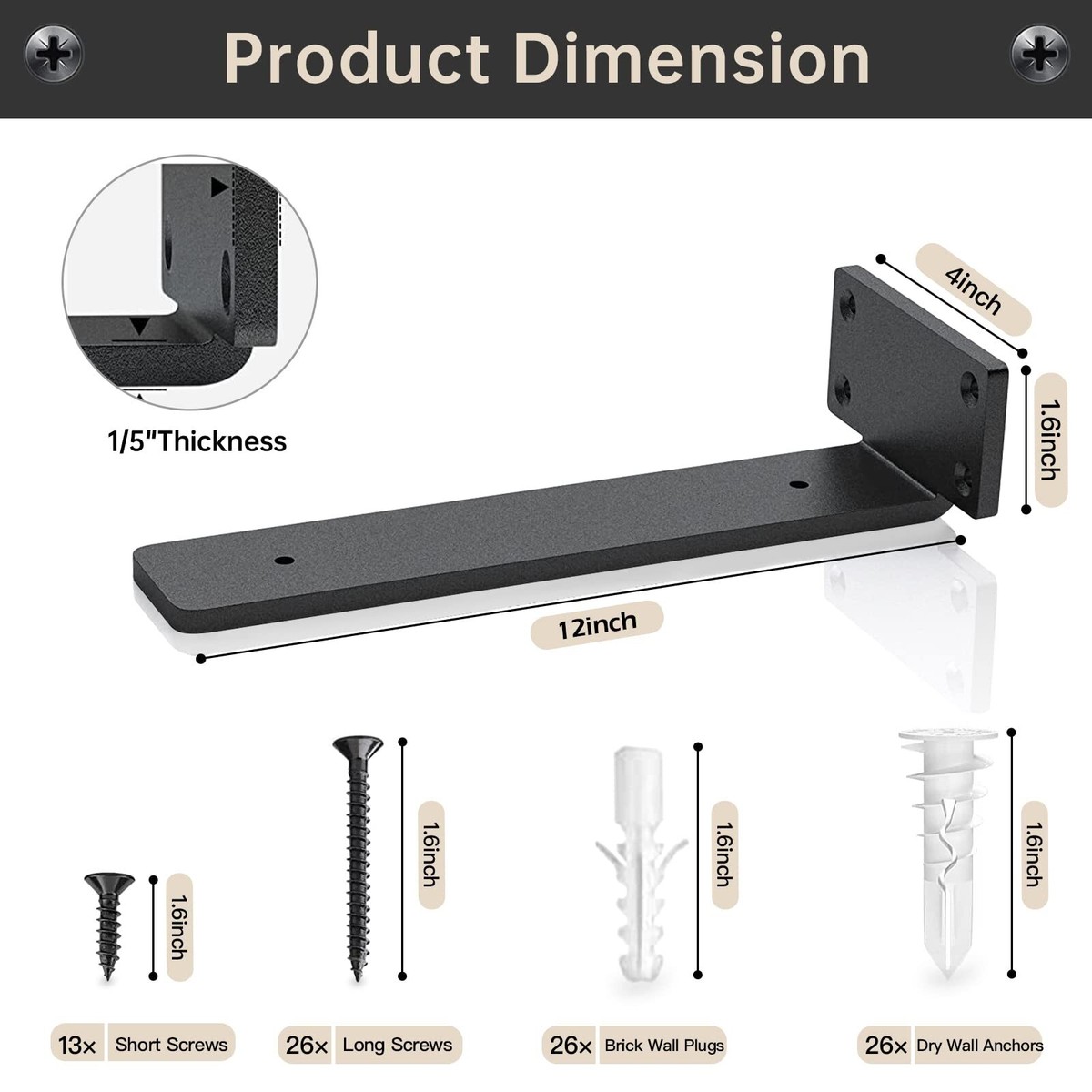
Wall anchors hold the pipe brackets securely to the wall. Use anchors that match your wall type: drywall, concrete, or brick. Toggle bolts or plastic anchors work for drywall. Concrete screws or expansion anchors fit masonry walls. Choose screws that fit the pipe clamps or brackets tightly.
Drills And Bits
A power drill is key for making holes in the wall. Use drill bits sized for the anchors and screws. Masonry bits suit brick or concrete walls. Wood bits work on wooden studs or drywall. A drill with adjustable speed helps control hole size and depth.
Measuring And Marking Tools
Accurate measurements ensure the pipe fits well on the wall. Use a tape measure to check distances and pipe length. A pencil or chalk marks drill points clearly. A level keeps the pipe straight and aligned. Mark all points before drilling to avoid mistakes.
Preparing The Wall And Pipe
Preparing the wall and pipe is the first step in anchoring black iron pipe securely. This stage ensures the pipe fits well and stays in place. Careful preparation helps avoid problems later.
Choosing The Right Location
Select a solid wall area to support the pipe weight. Avoid weak or crumbly surfaces. Check for hidden wires or pipes behind the wall. Pick a spot that allows easy pipe access and use.
Measuring And Marking Drill Points
Measure the pipe length and decide where to place anchors. Mark drill points clearly on the wall with a pencil. Keep marks level and spaced evenly for balance. Double-check measurements before drilling.
Cutting And Cleaning The Pipe
Cut the black iron pipe to the exact length needed. Use a pipe cutter or saw for a clean cut. Remove burrs and rough edges with a file or sandpaper. Clean the pipe surface to remove dirt and rust before mounting.
Drilling And Installing Anchors
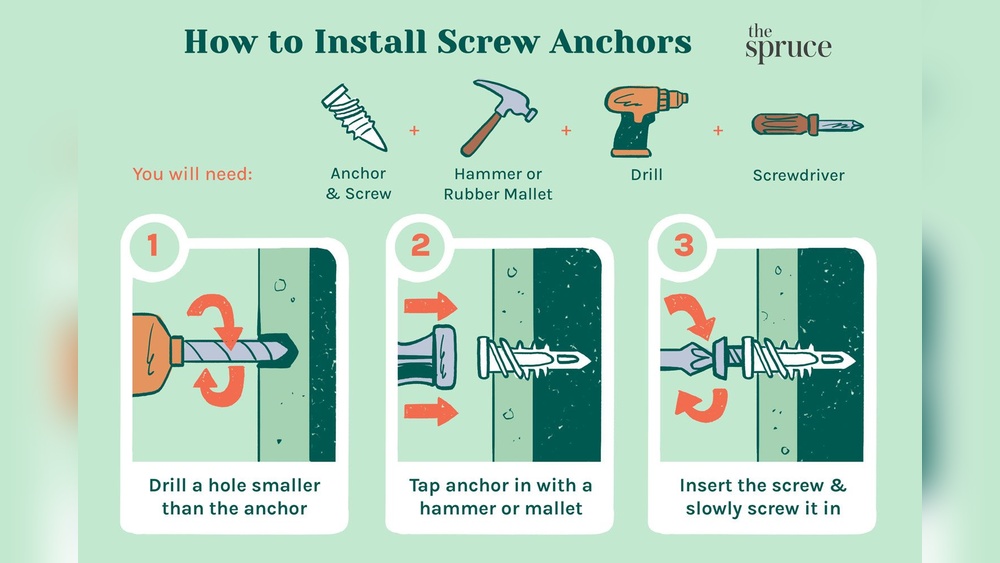
Drilling and installing anchors is a key step in securing black iron pipe to a wall. This process ensures the pipe stays firmly in place. Proper drilling helps avoid damage to the wall and provides strong support for the pipe.
Following the right steps makes the job easier and safer. Begin by selecting the correct drill bits. Then drill pilot holes carefully. Finally, insert the wall anchors to hold the pipe securely.
Selecting Drill Bits
Choose drill bits that match the wall type. For concrete or brick, use masonry bits. For drywall or wood, standard bits work well. The drill bit size must fit the wall anchor diameter. This ensures a snug fit and strong hold.
Drilling Pilot Holes
Mark the spots where the pipe will attach. Hold the drill steady and drill straight holes. Drill only as deep as the anchor length. Keep the speed moderate to avoid cracking the wall. Clean out dust from the holes before inserting anchors.
Inserting Wall Anchors
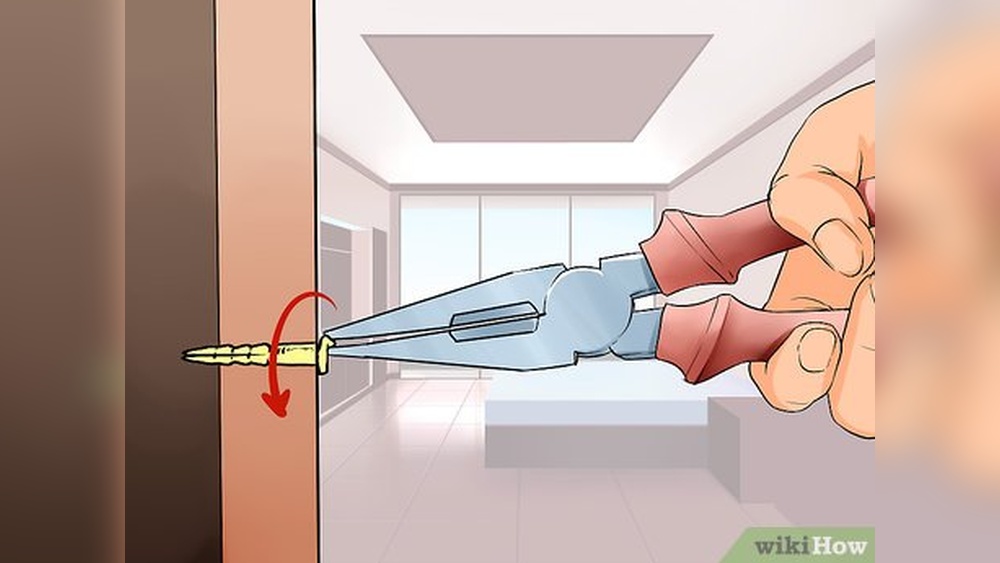
Push the wall anchors into the pilot holes. Tap gently with a hammer if needed. The anchors should fit flush with the wall surface. Anchors expand inside the wall for a strong grip. Make sure anchors do not spin or loosen easily.
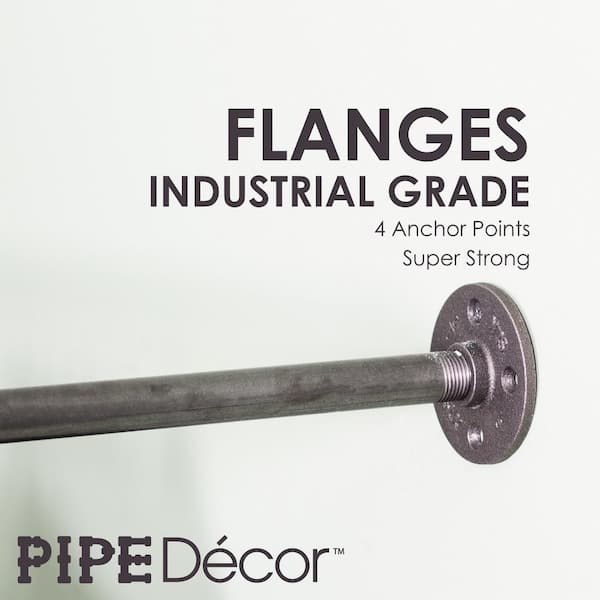
Credit: www.homedepot.com
Securing The Pipe To The Wall
Securing the black iron pipe to the wall is a key step. It keeps the pipe steady and safe. Proper anchoring stops movement and protects the pipe from damage. Follow clear steps for the best results.
Aligning The Pipe Brackets
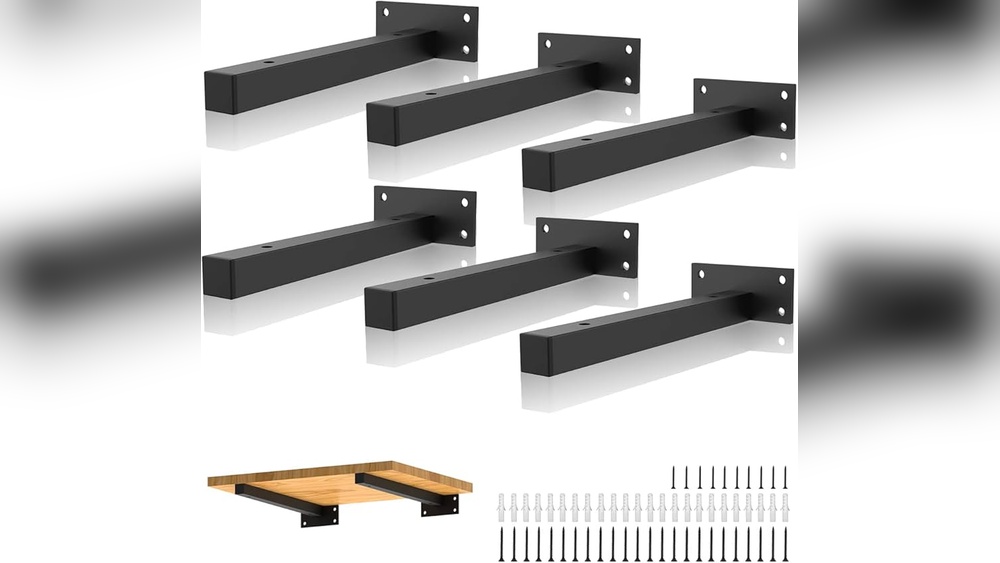
Start by placing the pipe brackets along the wall. Match the brackets to the pipe’s length. Space them evenly for strong support. Use a level to keep brackets straight. Proper alignment prevents pipe sagging.
Fastening The Pipe
Use screws and anchors suitable for your wall type. Drill pilot holes for easier screw insertion. Secure each bracket tightly to the wall. Make sure the pipe fits firmly inside the brackets. Tight fastening avoids pipe wobbling.
Checking Stability
After fastening, test the pipe’s stability. Gently shake the pipe to check movement. Tighten any loose screws immediately. The pipe should stay firm without any play. Proper stability ensures long-lasting installation.
Safety Tips And Best Practices
Anchoring black iron pipe to a wall needs care and attention. Safety tips and best practices help avoid accidents. They also ensure a strong, lasting installation. Follow these guidelines to work safely and effectively.
Handling Tools Safely
Wear gloves to protect your hands from sharp edges. Use safety glasses to shield your eyes from dust and debris. Keep tools clean and in good condition. Hold power tools firmly to prevent slips. Unplug tools when changing bits or making adjustments.
Ensuring Secure Mounting
Choose the right anchors for your wall type. Drill holes carefully to avoid cracking or damage. Use a level to keep pipes straight and even. Tighten screws firmly but avoid over-tightening. Check that the pipe does not wobble or shift after mounting.
Maintenance And Inspection
Inspect anchors and pipes regularly for signs of wear. Tighten any loose screws or fittings. Clean pipes to remove dust and rust buildup. Replace damaged parts immediately to prevent failure. Routine checks extend the life of your installation.
Credit: sensorhaus.com

Credit: www.amazon.com
Frequently Asked Questions
What Tools Are Needed To Anchor Black Iron Pipe?
You need a drill, wall anchors, screws, a pipe clamp, and a level. These tools ensure secure and precise installation of the pipe on the wall.
How Do I Choose The Right Anchors For Black Iron Pipe?
Select anchors based on wall type and pipe weight. Use heavy-duty anchors for masonry and toggle bolts for drywall to guarantee strong support.
Can I Anchor Black Iron Pipe On Drywall Only?
Yes, but use appropriate anchors like toggle bolts. Drywall alone isn’t strong enough, so proper anchors prevent pipe movement or damage.
How Far Apart Should Pipe Clamps Be Placed?
Place clamps every 4 to 6 feet. This spacing supports the pipe evenly and prevents sagging or bending over time.
Conclusion
Anchoring black iron pipe to a wall is simple with the right tools. Measure carefully, mark the spots, and use strong anchors. Tighten screws just enough to hold the pipe firmly. Avoid over-tightening to protect the pipe and wall. Following these steps ensures a secure and stable setup.
This method works well for many projects around your home or workshop. Try it yourself and see how easy it is to get a solid hold. Safety and precision matter most for lasting results.