Are you planning to hang something heavy or secure a fixture to a brick wall but don’t know where to start? Anchoring to a brick wall might seem tricky, but with the right steps, you can do it safely and effectively.
Whether it’s a shelf, a TV mount, or outdoor decor, getting the right anchor will keep your items secure and your wall intact. Keep reading, and you’ll learn exactly how to choose the best anchors and install them like a pro—no guesswork, no damage, just strong, reliable results.

Credit: www.mezzaninesonline.com
Choosing The Right Anchor
Choosing the right anchor is key to a strong and safe hold in a brick wall. Different anchors serve different purposes. Picking the right one helps avoid damage and ensures stability. Understanding anchor types, materials, and load capacity makes the task easier.
Types Of Anchors For Brick Walls
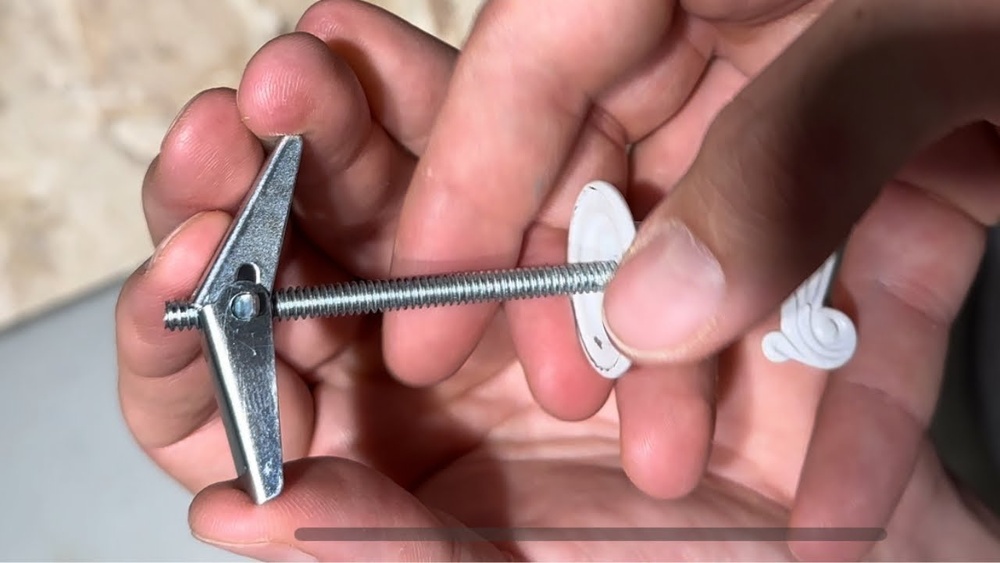
Concrete screws are popular for light to medium loads. They install easily with a drill and provide good grip. Sleeve anchors expand inside the hole, creating a firm hold. They work well for heavy items. Toggle bolts use wings that open inside the wall. They hold strong in hollow bricks. Plastic anchors are cheap and simple but best for light loads only.
Material Considerations
Anchors come in steel, zinc, and plastic. Steel is strong and lasts longer. Zinc resists rust but is weaker than steel. Plastic is not very durable and fits only light jobs. Choose anchors that match the wall’s condition. Avoid anchors prone to rust in damp areas. Use stainless steel for outdoor or moist spaces.
Weight And Load Capacity
Check the anchor’s load capacity before use. Each anchor supports different weights. Light anchors hold shelves or small decorations. Heavy anchors support large items like TVs or shelves with many books. Overloading can crack the brick or pull the anchor out. Always match the anchor to the item’s weight. Use extra anchors for very heavy objects to spread the load.

Credit: www.researchgate.net
Tools Needed For Anchoring
Anchoring to a brick wall needs the right tools. Using proper tools makes the job easier and safer. It also ensures the anchor holds firmly in the wall. Below are the main tools needed for this task.
Drills And Drill Bits
A power drill is essential for making holes in brick. Choose a hammer drill for the best results. Use masonry drill bits designed for brick and stone. Pick the correct size bit to match the anchor. Sharp drill bits create clean holes and reduce damage.
Measuring And Marking Tools
Measure twice, drill once. A tape measure helps find exact points on the wall. Use a pencil or chalk to mark drill spots. A level ensures anchors line up straight. Accurate marks prevent mistakes and wasted effort.
Safety Equipment
Protect yourself during the project. Wear safety goggles to guard your eyes from dust. Use gloves to protect your hands from rough surfaces. Ear protection is important when drilling loud holes. Dust masks prevent inhaling fine particles.
Preparing The Brick Wall
Preparing the brick wall is a key step before you anchor anything. It ensures the anchor holds well and stays secure. A good preparation prevents damage and helps the installation last longer.
Start by finding the best spot on the wall. Then, clean the surface to remove dirt and dust. Finally, check the wall condition to make sure it can hold the weight safely.
Locating The Best Spot
Choose a solid part of the brick wall. Avoid areas with cracks or loose bricks. Aim for bricks, not the mortar between them. Bricks provide stronger support for anchors.
Pick a spot that matches the weight and size of what you want to hang. Keep away from edges to prevent damage. Mark the spot lightly with a pencil.
Cleaning The Surface
Remove dirt, dust, and loose material from the wall. Use a wire brush or a stiff broom. Clean the area around the spot you marked. This helps the anchor stick better.
Wipe the surface with a damp cloth to remove fine dust. Let it dry completely before drilling or anchoring. A clean surface improves grip and holds the anchor firmly.
Checking Wall Condition
Look closely at the bricks and mortar near your spot. Check for cracks, crumbling, or loose parts. Weak areas can cause the anchor to fail.
Tap lightly with a hammer to hear if bricks sound hollow. Hollow sounds may mean the brick is damaged inside. Do not anchor on weak or damaged bricks.
Choose a different spot if the wall shows any signs of damage. Strong, solid bricks ensure a safe and secure hold.
Drilling Into Brick
Drilling into brick requires care and the right tools. It is not the same as drilling into wood or drywall. Brick is hard and brittle, so the drill bit and technique must match the material. Proper drilling makes sure anchors hold tight and the brick does not crack.
Choosing Drill Speed And Pressure
Use a slow drill speed for brick. High speed can overheat the bit and damage the brick. Apply steady, light pressure. Pressing too hard may crack the brick. Let the drill do the work. Keep the drill straight to avoid angled holes.
Avoiding Common Mistakes
Do not use a regular drill bit meant for wood or metal. Choose a masonry bit designed for brick. Avoid drilling near edges or cracks in the brick. This weakens the material and causes breakage. Clear dust from the hole often to keep drilling smooth.
Depth And Hole Size
Match the hole size to the anchor size. Too large holes reduce grip. Too small holes cause anchors to break. Mark the drill bit with tape to measure depth. Drill to the right depth for a secure fit. This prevents anchors from slipping out.
Installing The Anchor
Installing anchors in a brick wall requires care and the right tools. The anchor holds the screw or bolt firmly in place. This step is key to a strong and safe fixing. Different anchors work best for different jobs. Knowing how to install them correctly helps avoid damage and ensures stability.
Inserting Plastic And Metal Anchors
Start by drilling a hole in the brick using the correct drill bit size. The hole must be clean and free of dust. Tap the plastic or metal anchor gently into the hole. It should fit snugly without forcing. The anchor expands inside the hole to grip the brick firmly. This type of anchor is good for light to medium loads.
Using Expansion Bolts
Drill a hole slightly deeper than the bolt length. Clean the hole with a brush or air blower. Insert the expansion bolt carefully into the hole. Tighten the bolt slowly with a wrench or socket. The bolt’s sleeve will expand and lock into the brick. Expansion bolts provide strong support for heavy objects.
Securing The Fixing
Once the anchor is in place, insert the screw or bolt. Turn it by hand at first to avoid cross-threading. Use a screwdriver or wrench to tighten fully. Do not overtighten; this can damage the anchor or brick. Check the fixing for firmness by gently pulling or pushing. A secure anchor means a safe and reliable hold.
Testing Anchor Strength
Testing anchor strength is a key step after fixing anchors into a brick wall. It ensures the anchor will hold safely under pressure. This step helps avoid accidents and damage to walls or objects. Always check anchor strength before hanging heavy items or starting large projects.
Load Testing Methods
Load testing measures how much weight an anchor can hold. Use a spring scale or a load tester to pull on the anchor. Pull slowly and steadily to see if the anchor slips or holds firm. Another method is hanging a known weight and watching for movement. Repeat the test several times for accuracy.
Signs Of Secure Fixings
Look for no movement or loosening around the anchor hole. The anchor should stay tight in the wall. No cracks or chips should appear near the fixing point. The object attached should not wobble or shift. These signs mean the anchor is secure and strong.
When To Reinforce
Reinforce the anchor if it moves or shows cracks. Also, add support if the load is heavier than tested. Use larger anchors or add more fixings for safety. Replace damaged anchors immediately. Reinforcement keeps the wall and objects safe over time.
Maintenance And Troubleshooting
Maintaining brick wall anchors is key for safety and durability. Regular checks help spot problems early. Fixing issues quickly keeps anchors strong and secure. This section covers simple maintenance and troubleshooting tips. Follow these steps to keep your anchors reliable.
Checking For Looseness
Start by gently shaking the anchored item. Any movement could mean loose anchors. Use a screwdriver or wrench to test anchor tightness. Look for cracks or gaps around the anchor. Loose anchors need immediate attention to avoid accidents.
Repairing Damaged Anchors
Remove damaged anchors carefully to avoid wall harm. Clean the hole of dust and debris. Use a stronger anchor or a chemical anchor for repairs. Insert the new anchor firmly and tighten it well. Check the repaired anchor for stability before use.
Preventing Future Issues
Choose the right anchor type for your wall and load. Avoid over-tightening anchors to prevent cracking bricks. Keep the wall dry to reduce anchor corrosion. Inspect anchors regularly, especially after storms or heavy use. Proper care extends anchor life and keeps walls safe.

Credit: www.reddit.com
Frequently Asked Questions
What Tools Are Needed To Anchor To A Brick Wall?
You need a drill with masonry bits, wall anchors, screws, a hammer, and a screwdriver. Safety gear like goggles is essential. These tools help create secure and stable anchors in brick walls without damaging the bricks.
How Do You Choose The Right Anchor For Brick Walls?
Select anchors based on the wall type and weight load. Expansion anchors work well for solid brick. Sleeve anchors are good for heavier loads. Always match anchor size to screw size for a secure fit.
Can I Anchor Directly Into Brick Mortar?
Avoid anchoring directly into mortar as it’s weaker than brick. Anchors in bricks provide better support and longevity. Mortar anchors risk loosening over time, making them unreliable for heavy loads.
How Deep Should I Drill Into A Brick Wall?
Drill holes about 1 to 1. 5 inches deep into brick for secure anchoring. Depth depends on anchor length; always follow manufacturer instructions. Proper depth ensures a strong hold and prevents wall damage.
Conclusion
Anchoring to a brick wall is easier than it seems. Choose the right anchor for your project. Drill carefully and follow safety steps. Tighten anchors firmly to hold weight well. Check your work to avoid mistakes. With practice, your skills will improve.
Strong anchors keep things secure and safe. Try these tips next time you work with brick. Your projects will last longer and look better. Simple steps make a big difference in results. Keep learning and stay confident in your work.