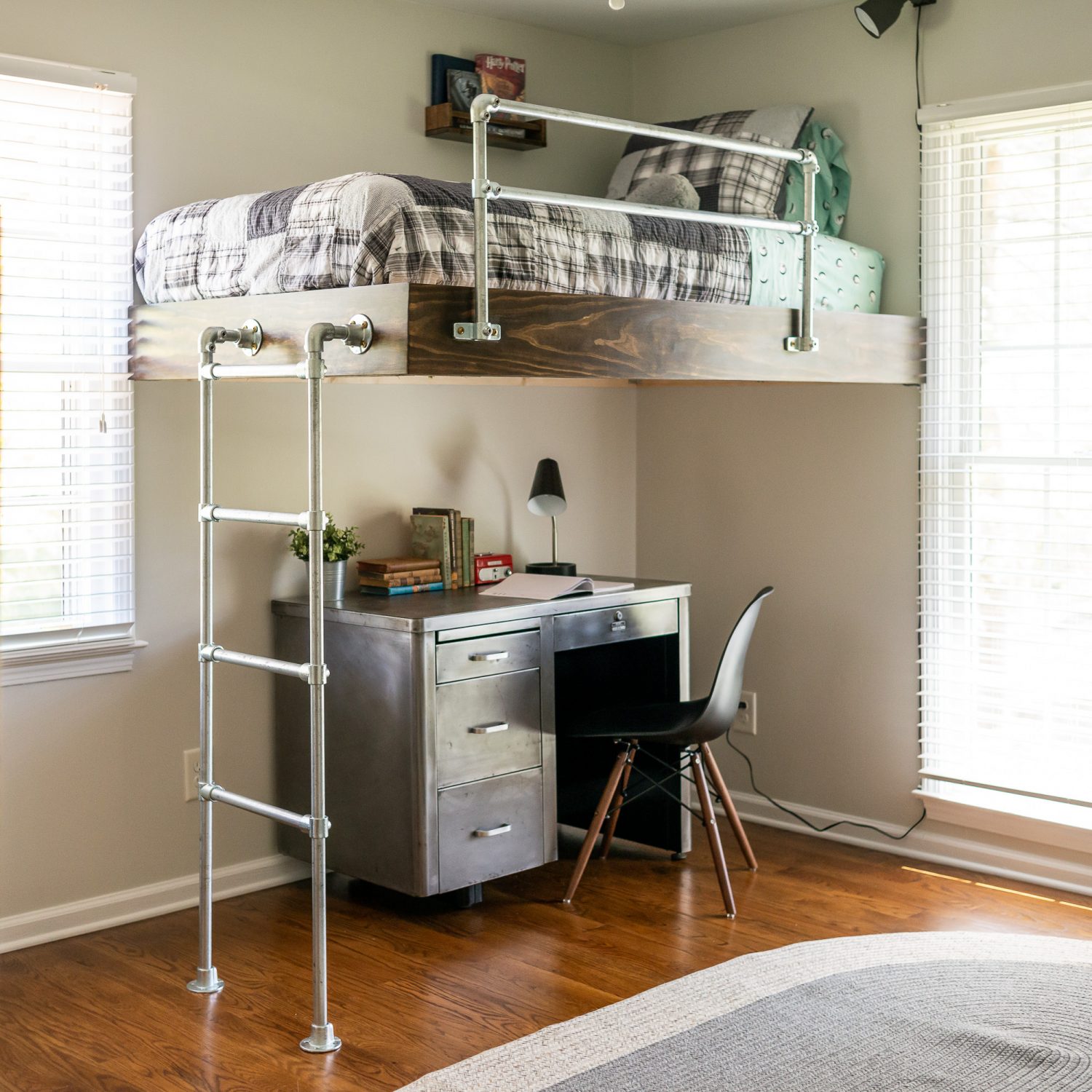
If you have a loft bed, you know how it saves space and adds style to your room. But have you thought about how important it is to anchor it securely to the wall?
Without proper anchoring, your loft bed could wobble or even tip over, risking your safety. In this post, you’ll learn simple, step-by-step tips to firmly attach your loft bed to the wall. By the end, you’ll feel confident that your bed is safe and steady—giving you peace of mind every night.
Keep reading to discover how easy it can be to protect yourself and your space.
Credit: www.youcanman.com
Choosing The Right Wall
Choosing the right wall is key to safely anchoring a loft bed. The wall must hold the bed’s weight without damage. Not all walls are strong enough. Understanding your wall type helps find the best spot.
Check the wall material and locate strong supports inside. This makes the bed steady and secure. Take time to inspect carefully before starting installation.
Identify Wall Material
Walls can be drywall, plaster, brick, or concrete. Each type needs a different anchor method. Drywall alone is weak and cannot hold heavy loads. Solid walls like brick or concrete offer good support. Knowing your wall material guides your choice of anchors and tools.
Check For Studs And Supports
Studs are wooden or metal beams behind drywall. They provide strong points to anchor the bed. Use a stud finder to locate them. Studs usually sit 16 to 24 inches apart. Anchoring into studs ensures better stability than just the drywall. Avoid drilling where no studs exist.
Credit: www.reddit.com
Gathering Essential Tools
Before anchoring a loft bed to the wall, gathering the right tools is important. Having the proper equipment makes the job easier and safer. You need tools for drilling and anchoring, plus safety gear to protect yourself during the process.
Tools For Drilling And Anchoring
Start with a power drill. It helps make holes in the wall quickly. Use drill bits that match the size of your wall anchors. A stud finder is also necessary to locate strong spots in the wall. Wall anchors and screws must be strong enough to hold the bed’s weight. A screwdriver or a drill with a screwdriver bit is needed to tighten the screws. A measuring tape helps to mark the exact spots for drilling. A pencil is useful for marking measurements on the wall.
Safety Gear To Use
Wear safety goggles to protect your eyes from dust and debris. Gloves protect your hands from sharp edges and rough surfaces. A dust mask keeps you safe from inhaling dust particles. Ear protection is helpful if you use loud power tools. Make sure to wear closed-toe shoes to protect your feet. These simple safety tools reduce the risk of injury during the work.
Preparing The Loft Bed
Preparing the loft bed before anchoring it to the wall is important for safety and stability. Taking time to set the bed correctly helps avoid accidents. It also ensures the bed stays firm against the wall for years.
Start by clearing the area around the bed. Make sure the wall and floor are clean and free of obstacles. This makes the process easier and safer.
Positioning The Bed
Place the loft bed near the wall where you want to secure it. The bed should be straight and level. Use a level tool to check. Adjust the legs or base if needed. The bed must sit flat on the floor without wobbling.
Leave enough space around the bed for movement and cleaning. The bed should not block windows or vents. Positioning it well helps with comfort and safety.
Marking Anchor Points
Find the best spots on the wall to attach the bed. Look for wall studs using a stud finder. Anchoring into studs gives stronger support than drywall alone.
Mark these points with a pencil. Mark the corresponding spots on the bed frame too. These marks guide where to drill holes and attach brackets. Accurate marks make the anchoring process smooth and secure.
Selecting Wall Anchors
Selecting the right wall anchors is key to securing a loft bed safely. Anchors hold the bed firmly to the wall. This prevents it from moving or tipping. Different walls need different anchors. Choosing the correct type helps keep the bed stable and secure.
Types Of Wall Anchors
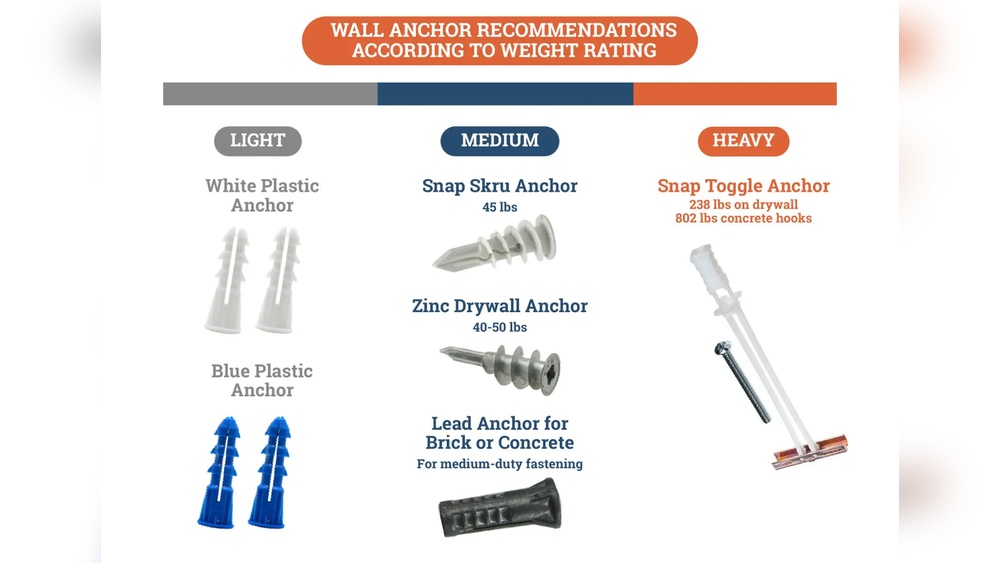
Plastic expansion anchors work well for light loads. They expand inside the wall when screws are driven in. Metal toggle bolts offer strong support. They spread the load over a larger area inside the wall. Molly bolts are good for medium to heavy loads. They grip tightly once installed. Threaded drywall anchors screw directly into drywall. They provide good hold for moderate weights.
Choosing Based On Wall Type
Drywall needs anchors that expand or grip behind the surface. Toggle bolts or molly bolts work best here. For wood walls, wood screws alone may be enough. Brick or concrete walls require special masonry anchors. These anchors fit into drilled holes and hold firmly. Always match the anchor type to the wall material. This ensures maximum strength and safety for the loft bed.
Anchoring The Bed Frame
Anchoring the bed frame to the wall keeps the loft bed safe and stable. It stops the bed from moving or tipping over. This step is very important for safety, especially in homes with kids. Follow simple steps to secure the frame firmly to your wall.
Drilling Pilot Holes
Start by marking where to drill on the wall and bed frame. Use a pencil to make small marks. Choose a drill bit slightly smaller than your screws. Drill pilot holes carefully on the marked spots. These holes guide the screws and prevent wood from splitting. Take your time to keep holes straight and clean.
Securing With Screws And Anchors
Select strong wall anchors if you drill into drywall. Anchors add grip and hold screws tightly. Insert anchors into the pilot holes in the wall. Next, align the bed frame holes with the wall holes. Use long screws to connect the frame and wall anchors. Tighten screws firmly but avoid over-tightening. Check the bed frame for any wobble once secured.
Testing Stability
Testing the stability of your loft bed after anchoring is vital. This step ensures the bed stays safe and secure. You avoid accidents by checking how firm the bed feels against the wall. Testing also helps find any weak points that need fixing before use.
Applying Pressure Safely
Start by gently pushing the loft bed toward the wall. Use your hands to apply steady, even pressure. Do not jump or use sudden force. Watch for any movement or wobbling. If the bed shifts, it means the anchors need checking. Take your time to avoid damage or injury.
Adjusting Anchors If Needed
If the bed moves, tighten the wall anchors. Use a screwdriver or drill to secure screws better. Check the wall studs for proper grip. Replace any damaged anchors with stronger ones. Repeat the pressure test after adjustments. Keep adjusting until the bed stays firm with no sway.
Maintenance Tips
Maintaining your loft bed’s safety is essential. Regular care keeps it strong and secure. Simple maintenance steps prevent accidents and extend the bed’s life.
Regular Inspections
Check the bed’s frame and wall anchors often. Look for cracks, rust, or damage. Watch for signs of wear on screws and bolts. Inspect the wall where the bed is anchored. Early detection helps fix problems fast.
Tightening Loose Connections
Test all screws and bolts by hand. Tighten any loose parts using the right tools. Loose connections can make the bed unsafe. Do this every few months or after moving the bed. Secure fittings keep the bed steady and safe.

Credit: housebecominghome.com
Frequently Asked Questions
How Do I Safely Anchor A Loft Bed To The Wall?
Use sturdy brackets and anchors designed for your wall type. Secure the brackets to wall studs for maximum stability. Avoid drywall anchors alone as they may not support heavy loads safely. Follow manufacturer instructions carefully to ensure a secure installation.
What Tools Are Needed To Anchor A Loft Bed?
You need a drill, stud finder, level, screwdriver, and appropriate anchors. A measuring tape helps align the bed with the wall. Using the right tools ensures the bed is anchored securely and safely.
Can I Anchor A Loft Bed To Drywall Only?
No, drywall alone cannot support a loft bed’s weight. Always anchor into wall studs for safety. Use a stud finder to locate studs before installation. Anchoring only to drywall risks collapse and injury.
How High Should The Loft Bed Be Anchored On The Wall?
Anchor the bed at the frame’s height where it contacts the wall. Ensure brackets align with the bed’s support beams for stability. This placement prevents movement and enhances safety during use.
Conclusion
Anchoring a loft bed to the wall keeps it steady and safe. It prevents wobbling and accidents. Follow the right steps to secure the bed firmly. Use proper tools and check the wall type first. Tighten all screws and bolts carefully.
A well-anchored loft bed lasts longer and feels more comfortable. Safety should always come first in any setup. Enjoy your space without worrying about the bed moving. Simple steps make a big difference in home safety.