Are you worried that your bookcase might tip over and cause damage or injury? Anchoring your bookcase to a plaster wall is the best way to keep it secure and safe.
But plaster walls can be tricky to work with if you don’t know the right steps. In this guide, you’ll learn simple, clear methods to anchor your bookcase firmly without damaging your walls. Keep reading to protect your books, your home, and yourself with easy-to-follow tips you can trust.

Credit: ikeahackers.net
Types Of Plaster Walls
Plaster walls come in different types. Knowing the type helps to anchor a bookcase safely. Each type has its own structure and strength. This affects the choice of tools and anchors. Understanding the wall type can prevent damage and ensure stability.
Lath And Plaster
Lath and plaster is an older wall type. It has wooden strips called laths. These strips hold the plaster in place. The plaster is thick and solid. It can support heavy items if anchored properly. Avoid drilling too deep to protect the laths.
Drywall With Plaster Coating
This type has a drywall base with a thin plaster layer. The plaster adds texture and strength. It is lighter than lath and plaster walls. Anchors must grip the drywall behind the plaster. Use drywall anchors for a secure hold.
Tools And Materials Needed
Anchoring a bookcase to a plaster wall requires the right tools and materials. Using proper equipment ensures safety and stability. This section lists essential items needed for the job. Each tool and material plays a key role in securing the bookcase firmly.
Anchors And Screws
Choose anchors designed for plaster walls. Plastic or metal anchors work well. They prevent screws from pulling out. Use screws that match the anchors in size and length. Longer screws offer better grip inside the wall. Make sure screws fit the bookcase brackets.
Drill And Screwdriver
A power drill makes holes in plaster easily. Use a drill bit that matches the anchor size. A screwdriver helps tighten the screws securely. Use a manual or electric screwdriver. Both tools make the process faster and cleaner.
Stud Finder And Level
A stud finder locates wooden beams behind plaster walls. Anchoring to studs gives extra strength. A level ensures the bookcase stands straight. It helps avoid leaning or tipping. Use both tools for a safe, balanced setup.
Locating Studs Behind Plaster
Anchoring a bookcase to a plaster wall requires finding the studs behind the surface. Studs are vertical wooden beams that provide strong support. Plaster walls can hide these beams, making them hard to find. Locating studs ensures the bookcase stays secure and prevents damage to your wall.
There are simple ways to find studs without drilling random holes. Two common methods include using a stud finder and tapping the wall to listen for changes in sound. Both methods help you find the best spots to anchor your bookcase safely.
Using A Stud Finder
A stud finder is a small tool that detects wood or metal behind walls. Move it slowly across the plaster surface. The device beeps or lights up when it finds a stud. Mark these spots lightly with a pencil. This method is quick and reduces wall damage.
Make sure the stud finder is set for plaster walls. Some models have different settings for drywall or plaster. Using the right setting improves accuracy. Check the battery before starting to avoid errors.
Tapping And Sound Tests
Tapping the wall is an old but effective way to find studs. Gently knock along the plaster with your knuckles or a small tool. Listen carefully to the sound. A hollow sound means no stud, while a solid sound indicates a stud.
Move slowly and mark the solid spots. This method works well if you don’t have a stud finder. It also helps double-check the results from the stud finder. Use both methods for better accuracy.

Credit: diy.stackexchange.com
Choosing The Right Anchor
Choosing the right anchor is key to safely securing a bookcase to a plaster wall. Each type of anchor fits different wall conditions and weight needs. Picking the correct one helps avoid damage and keeps your bookcase stable.
Molly Bolts
Molly bolts are metal anchors that expand behind the wall. They work well for hollow plaster walls. When tightened, they spread out and grip the inside surface. They hold heavy items firmly without pulling out.
Toggle Bolts
Toggle bolts have spring-loaded wings that open inside the wall. These wings create a wide grip on the back of the plaster. Toggle bolts are strong and good for heavy bookcases. They need a larger hole but give great support.
Plastic Anchors
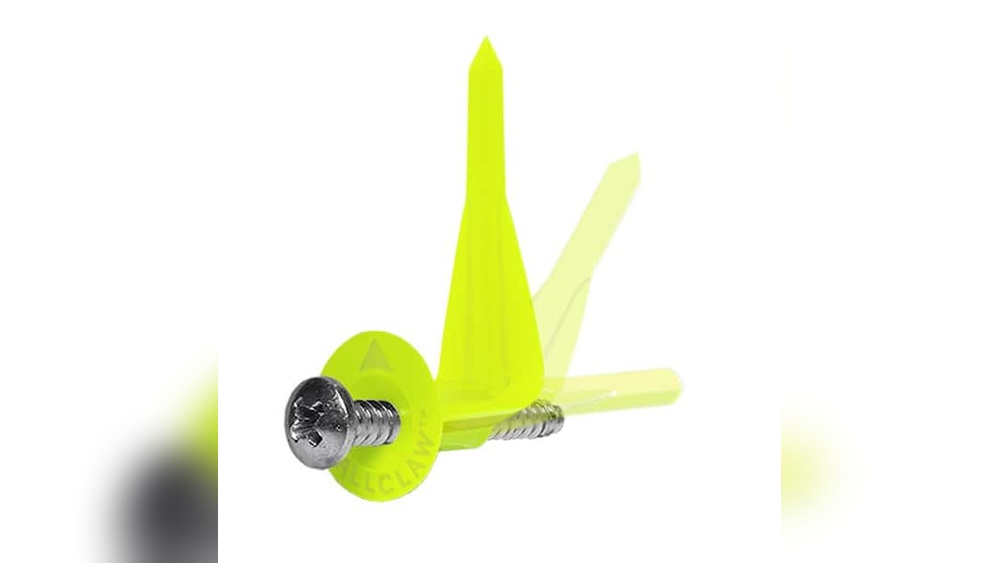
Plastic anchors fit into drilled holes in plaster walls. They expand as screws enter, gripping the plaster tightly. Plastic anchors are easy to install and good for light to medium loads. They are a simple choice for smaller bookcases.
Preparing The Wall
Preparing the wall is the first step to secure your bookcase safely. This step helps you avoid damage to the plaster and ensures the bookcase stays steady. Take your time to do this carefully. A well-prepared wall makes the anchoring process easier and safer.
Marking Anchor Points
Start by deciding where to place the anchors. Hold the bookcase against the wall in the spot you want it. Use a pencil to mark the wall through the bookcase’s mounting holes. Double-check the marks to make sure they line up with the studs behind the plaster. If the studs are not in the right place, use wall anchors designed for plaster walls.
Drilling Pilot Holes
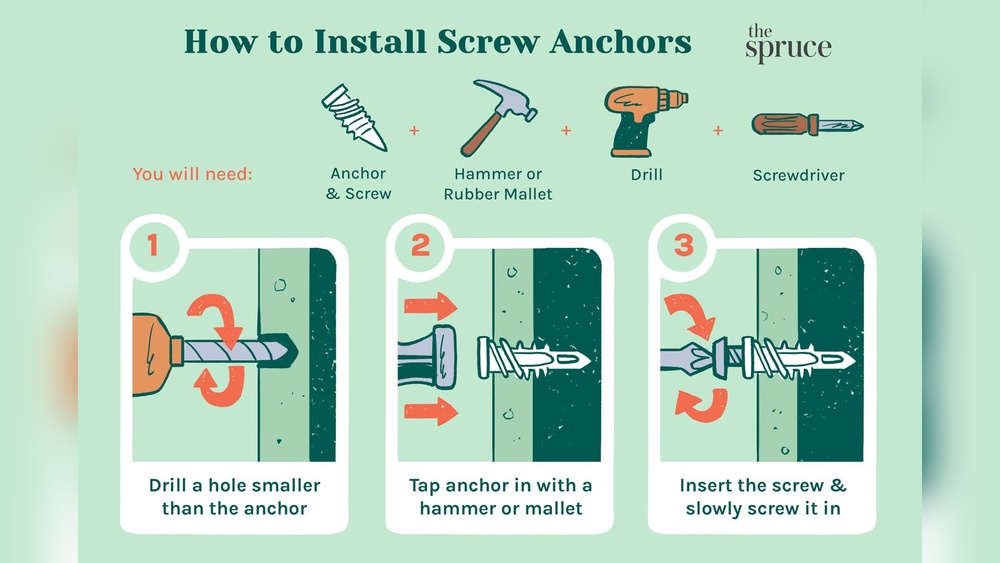
Choose a drill bit smaller than the anchor size. Drill pilot holes at the marked points. Drill slowly to prevent cracking the plaster. Keep the drill steady and straight. Clean out dust from the holes with a brush or a vacuum. This helps the anchors fit tightly and hold better.

Credit: www.reddit.com
Installing Anchors And Securing Bookcase
Installing anchors and securing a bookcase to a plaster wall keeps it safe and steady. This step prevents the bookcase from tipping over and protects your belongings. Follow clear steps to make sure the anchors hold strong and the bookcase stays in place.
Inserting Anchors
Start by marking where the anchors will go on the wall. Use a drill to make holes that fit your anchors. Push the anchors into the holes until they are flush with the wall. Tap lightly with a hammer if needed. Anchors create a firm base for screws in plaster walls.
Attaching Brackets To Bookcase
Next, fix the brackets onto the upper back of the bookcase. Use screws that fit the bracket holes. Make sure brackets are tight and secure. These brackets will connect the bookcase to the wall, adding stability.
Screwing Bookcase To Wall
Align the bookcase so brackets line up with the wall anchors. Insert screws through the brackets into the anchors. Tighten screws firmly, but avoid over-tightening to prevent damage. Check that the bookcase feels steady and secure against the wall.
Safety Tips And Best Practices
Anchoring a bookcase to a plaster wall needs care and attention. Safety tips and best practices help protect your home and family. Proper anchoring stops accidents and damage. Follow simple rules to keep the bookcase steady and safe.
Weight Limits
Know the weight your plaster wall can hold. Each wall has a different strength. Do not overload the bookcase. Check the bookcase’s weight capacity before adding heavy items. Use anchors designed for plaster walls to support the load. Spread the weight evenly across shelves to reduce pressure.
Regular Checks And Maintenance
Inspect the bookcase and anchors often. Look for cracks or loose screws. Tighten any loose fasteners right away. Replace damaged anchors immediately. Regular checks prevent accidents from weak points. Keep the area around the bookcase clear to avoid bumps and knocks.
Alternative Securing Methods
Securing a bookcase to a plaster wall can be tricky. Some walls do not hold anchors well. This calls for alternative securing methods. These methods offer strong support without damaging the plaster. They keep your bookcase safe from tipping or falling.
Using Furniture Straps
Furniture straps are simple and effective. Attach one end to the bookcase and the other to a solid part of the wall. Use screws designed for plaster walls or anchors. Straps reduce the risk of the bookcase tipping forward. They work well for tall or heavy bookcases. Choose straps made of strong material. Adjust the strap tightness to keep the bookcase stable.
Securing To Ceiling Or Floor
Another option is securing the bookcase to the ceiling or floor. This method is useful if the wall is weak. Use brackets to fasten the top or bottom of the bookcase. Ceiling anchors or floor screws hold the brackets firmly. This creates a stable frame that resists movement. Make sure to use hardware suitable for your ceiling or floor type. This method adds support without stressing the plaster wall.
Frequently Asked Questions
How Do You Anchor A Bookcase To A Plaster Wall?
To anchor a bookcase to plaster, locate studs first. Use a stud finder for accuracy. Attach brackets or anchors into studs for strong support. Avoid only using plaster anchors to prevent damage or instability.
What Tools Are Needed To Secure A Bookcase To Plaster?
You need a stud finder, drill, screws, wall anchors, a level, and brackets. These tools ensure proper alignment and secure fastening of the bookcase to the plaster wall.
Can I Anchor A Bookcase Without Studs In Plaster Walls?
Yes, use heavy-duty wall anchors designed for plaster. Toggle bolts or molly bolts work well. They provide strong support when studs are unavailable.
How Do I Prevent Plaster Wall Damage When Anchoring?
Drill pilot holes carefully to avoid cracks. Use appropriate anchors and avoid overtightening screws. This minimizes plaster damage and keeps the wall intact.
Conclusion
Anchoring a bookcase to a plaster wall keeps it safe and steady. Follow simple steps to find studs and use proper anchors. Tighten screws carefully to avoid wall damage. Check your work for stability before placing heavy items. A secure bookcase prevents accidents and protects your belongings.
Take your time and use the right tools. This small effort makes a big difference in safety. Now, your bookcase stands strong and looks great.