Are you tired of screws that just won’t hold in your walls? Installing plastic anchors can be the simple solution you need to make sure your shelves, pictures, or hooks stay firmly in place.
But if you’ve never done it before, the process might seem tricky. Don’t worry—this guide will walk you through every step, so you can confidently install plastic anchors yourself. By the end, you’ll know exactly how to secure your screws and avoid common mistakes that lead to loose or damaged walls.
Keep reading to master this handy skill and make your next home project a success.
Credit: www.youtube.com
Choosing The Right Plastic Anchors
Choosing the right plastic anchors is important for a strong hold. Different anchors fit different walls and screws. Picking the right type helps keep your items secure. It also prevents damage to your walls. This guide explains how to choose anchors that match your needs.
Types Of Plastic Anchors
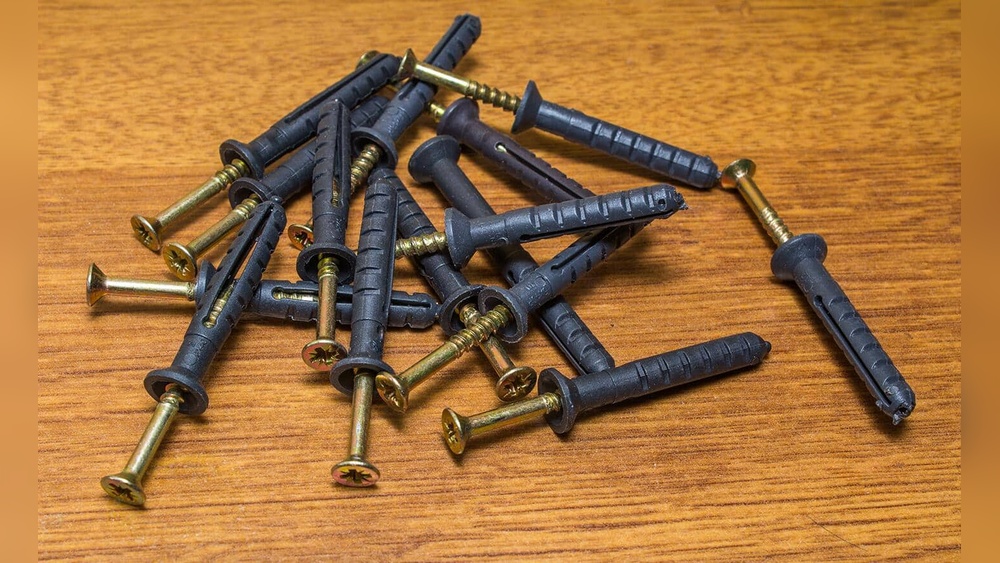
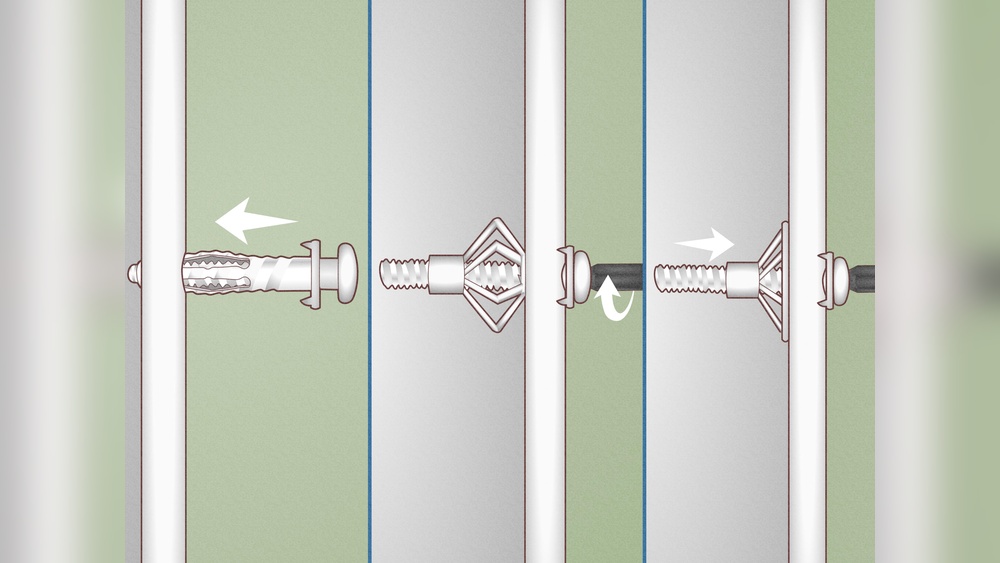
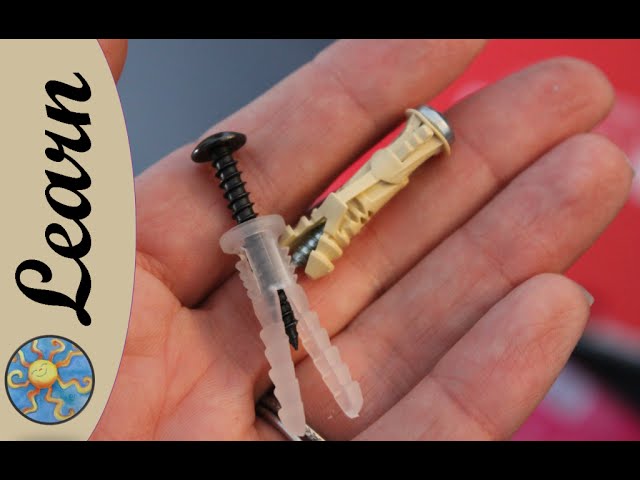
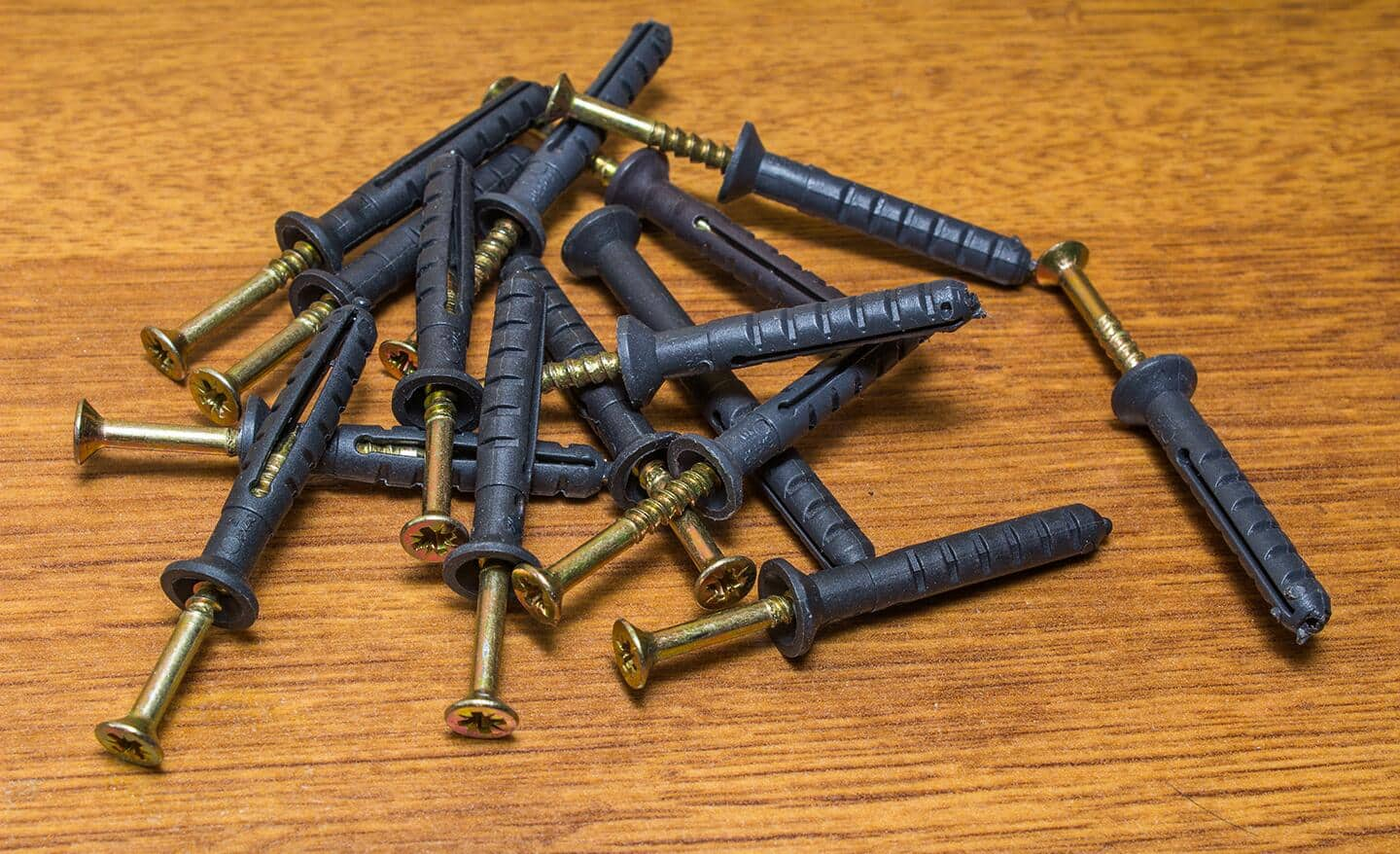
Plastic anchors come in many styles. The most common are expansion anchors, which open inside the wall. Sleeve anchors expand when the screw goes in. Ribbed anchors have ridges for extra grip. Each type fits different wall types and weights.
Matching Anchors To Wall Material
Wall material affects anchor choice. Drywall needs anchors that spread weight wide. Plaster walls require anchors with strong grip. Concrete or brick need anchors that can handle tough surfaces. Using the wrong anchor can cause it to slip or fail.
Selecting Anchor Size For Screws
Anchor size depends on screw size and weight load. Small screws need small anchors to fit tightly. Heavy items need larger anchors for strong support. Always match anchor size to the screw diameter. This ensures a safe and steady hold.
Gathering Tools And Materials
Before installing plastic anchors for screws, gather all tools and materials. Having the right items ready makes the job faster and easier. It also helps avoid mistakes and damage to the wall. This section covers what you need to start the project safely and correctly.
Essential Tools Needed
First, you need a drill with the correct drill bits. Choose a bit size that matches the anchor size. A screwdriver or a screw gun is necessary to drive screws in. A hammer can help gently tap anchors into the wall. A tape measure ensures accurate placement of anchors. A pencil is useful for marking drill spots.
Preparing The Screws And Anchors
Select screws that fit the plastic anchors well. The screws should be long enough to hold your item firmly. Check that anchors match the wall type, like drywall or plaster. Organize screws and anchors by size before starting. This avoids confusion and saves time during installation.
Safety Equipment
Wear safety glasses to protect your eyes from dust and debris. Use gloves to protect your hands while handling tools. A dust mask helps if drilling creates a lot of dust. Keep a first aid kit nearby for minor injuries. Safety is important to prevent accidents and ensure a smooth job.
Preparing The Wall
Preparing the wall is the first step to install plastic anchors for screws. This step ensures the anchors hold well and the screw stays secure. A clean and well-chosen spot makes all the difference. Take your time to prepare the wall carefully before drilling.
Locating The Spot
Find the exact place on the wall where you need the anchor. Look for a solid area that can hold weight. Avoid cracks or weak spots. Use a stud finder if you want extra support from the studs behind the wall. Mark the spot lightly with a pencil.
Marking The Drill Point
Mark the drill point clearly so you can drill straight. Use a pencil or a small nail to make a tiny mark. Double-check the position before drilling. This step helps avoid mistakes and keeps the installation neat. Precise marks save time and effort later.
Checking For Obstacles Behind The Wall
Check for wires, pipes, or other obstacles behind the wall. Use a wire detector or wall scanner to avoid damage. Drilling into a wire or pipe can be dangerous. Make sure the area is safe before you start drilling. Safety first for a smooth installation process.

Credit: www.youtube.com
Drilling The Hole
Drilling the hole is a key step in installing plastic anchors for screws. A well-drilled hole ensures the anchor fits tightly and holds the screw firmly. Taking time to drill carefully prevents damage to the wall and keeps the anchor strong.
Choosing The Correct Drill Bit
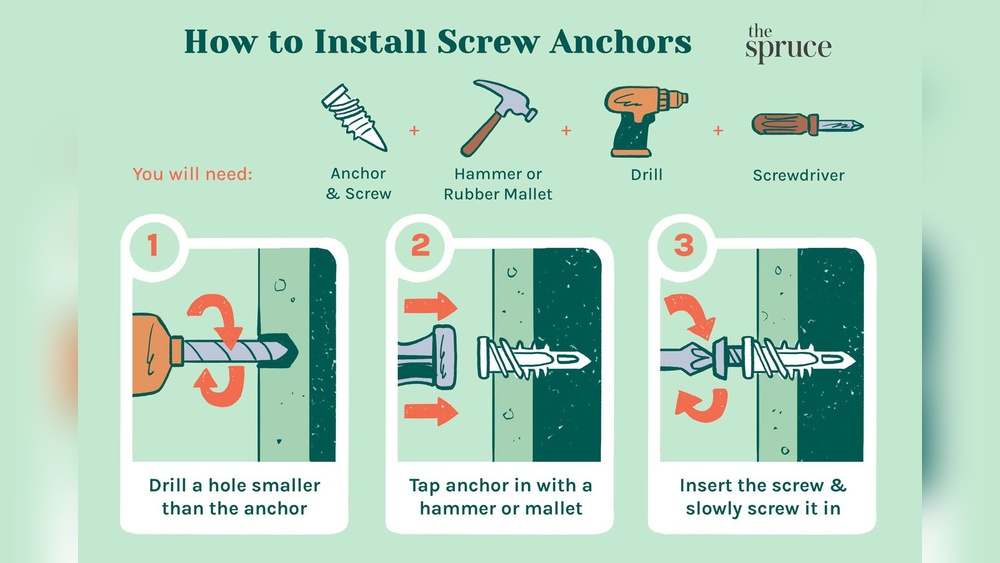
Select a drill bit that matches the size of the plastic anchor. The hole should be just wide enough for the anchor to fit snugly. A drill bit too large makes the anchor loose. Too small, and the anchor will not fit.
Drilling At The Right Depth
Mark the drill bit to stop at the right depth. The hole must be deep enough for the entire anchor. Drilling too shallow leaves the anchor sticking out. Too deep makes the anchor less stable.
Cleaning Out The Hole
Remove dust and debris from the hole before inserting the anchor. Use a small brush or blow air into the hole. A clean hole helps the anchor grip better and prevents the screw from slipping.
Inserting The Plastic Anchor
Inserting the plastic anchor into the wall is a key step for a strong hold. This part ensures your screw stays tight and secure. Follow simple steps for a smooth process.
Positioning The Anchor
Place the anchor at the hole you drilled. Make sure it lines up straight with the wall surface. This helps the anchor fit properly without damage.
Tapping The Anchor In
Use a small hammer to tap the anchor gently. Tap until the anchor is flush with the wall. Avoid hitting too hard to prevent breaking the anchor.
Ensuring A Secure Fit
Check if the anchor is snug in the hole. It should not move or wiggle. A tight fit keeps screws strong and your item stable on the wall.
Installing The Screw
Installing the screw into a plastic anchor is the final step to secure your item on the wall. This process needs care to ensure the anchor holds tight. A wrong angle or too much force can damage the anchor or wall. Follow simple steps for a strong and lasting hold.
Aligning The Screw With Anchor
Start by placing the screw tip at the anchor’s opening. Make sure the screw is straight and lines up with the anchor. This helps the screw enter smoothly without bending or breaking the anchor.
Driving The Screw Properly
Use a screwdriver or drill with a suitable bit. Turn the screw slowly and steadily into the anchor. Let the screw pull the anchor tight inside the wall. Stop if you feel strong resistance or the screw stops moving easily.
Avoiding Over-tightening
Stop tightening once the screw head is flush with the surface. Over-tightening can strip the anchor or break the wall. A snug fit is enough to hold most items securely. Check the anchor and wall for cracks or damage after tightening.
Troubleshooting Common Issues
Troubles with plastic anchors can slow your project down. Some common problems include loose anchors, stripped holes, and wall damage. Fixing these issues helps your screws hold tight and your wall stay strong. Here are easy ways to solve these problems.
Dealing With Loose Anchors
Loose anchors don’t hold screws well. The hole might be too big or the anchor not fit right. Try pushing the anchor deeper into the wall. Use a hammer gently if needed. If the hole is too large, use a bigger anchor size. Another trick is to fill the hole with a bit of glue before inserting the anchor. This adds extra grip.
Fixing Stripped Holes
Stripped holes happen when the screw spins without tightening. This makes the anchor useless. Remove the screw and anchor. Fill the hole with wood filler or spackle. Let it dry fully. Then drill a new hole nearby. Insert a new anchor and screw. This gives a fresh, strong grip for your screw.
Handling Wall Damage
Wall damage can happen when anchors pull out or the hole is too big. Patch small holes with spackle or joint compound. Smooth the surface and let it dry. For bigger damage, use a wall repair patch before spackling. Sand the area smooth after drying. Paint over the repair to match your wall. This makes the wall look good and ready for new anchors.
Credit: www.homedepot.com
Tips For Long-lasting Installation
Installing plastic anchors properly is key to holding screws securely. Good installation helps keep items safe and steady on your walls. Follow these tips for a long-lasting setup.
Each step can improve how well anchors hold over time. Small actions make a big difference.
Choosing Quality Anchors And Screws
Pick anchors made from strong, durable plastic. Cheap anchors can break or wear out quickly. Match screws with anchors for size and type. The right fit stops loosening and slipping. Check labels for weight limits. Use anchors that support the load you plan to hang.
Regular Inspection And Maintenance
Check your anchors and screws every few months. Look for signs of cracking or movement in the wall. Tighten any loose screws gently. Remove dust and dirt around the anchor area. Early fixes prevent bigger problems later. Keep walls dry to avoid weakening anchors.
Avoiding Overloading
Never hang items heavier than the anchor’s limit. Heavy loads cause anchors to pull out or break. Spread weight across multiple anchors if needed. Use heavier-duty anchors for heavy objects. Light loads extend the life of your installation. Respect weight limits for safety.
Frequently Asked Questions
What Tools Do I Need To Install Plastic Anchors?
You need a drill, drill bit, hammer, and screwdriver. Choose the drill bit size to match the anchor diameter. These tools ensure proper hole size and secure anchor placement.
How Do I Choose The Right Plastic Anchor Size?
Select an anchor size based on screw diameter and wall thickness. Using the correct size prevents wall damage and ensures a strong hold for your screws.
Can Plastic Anchors Hold Heavy Objects?
Plastic anchors work well for light to medium loads. For heavy items, use metal anchors or toggle bolts for better strength and support.
How Deep Should I Drill For Plastic Anchors?
Drill a hole slightly deeper than the anchor length. This allows the anchor to fit fully and ensures the screw holds firmly in place.
Conclusion
Installing plastic anchors in a wall for screws is simple and useful. Start by choosing the right anchor size for your screw. Drill a hole that matches the anchor’s size. Push the anchor firmly into the hole until it is flush with the wall.
Then, insert the screw carefully into the anchor. This method keeps your items secure and prevents damage to the wall. With these easy steps, you can hang shelves, pictures, or hooks confidently. Practice makes perfect, so try a small project to build your skill.