Are you struggling to hang shelves, pictures, or heavy items on your drywall without worrying they’ll fall? Using the right wall anchors can make all the difference.
But how do you choose the right type, and how do you install them so your items stay secure? This guide will walk you through everything you need to know about using wall anchors for drywall. By the end, you’ll have the confidence to tackle your next project and keep your walls safe and strong.
Let’s get started!
Credit: www.homedepot.com
Choosing The Right Wall Anchor
Choosing the right wall anchor is key for a strong hold in drywall. It stops your items from falling and protects your walls. Different anchors work best for different needs. Pick one that fits your project well. This guide helps you decide easily.
Types Of Anchors For Drywall
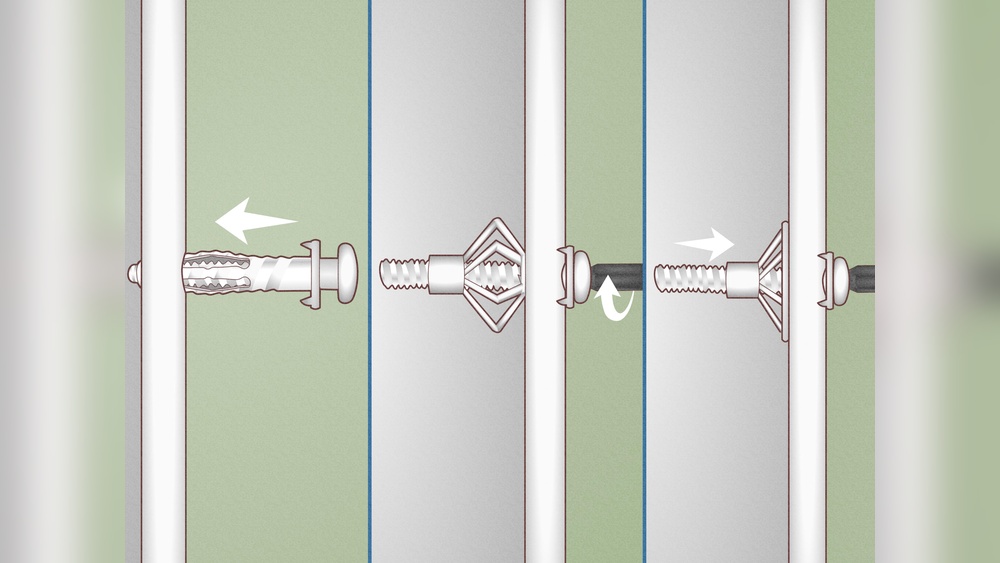
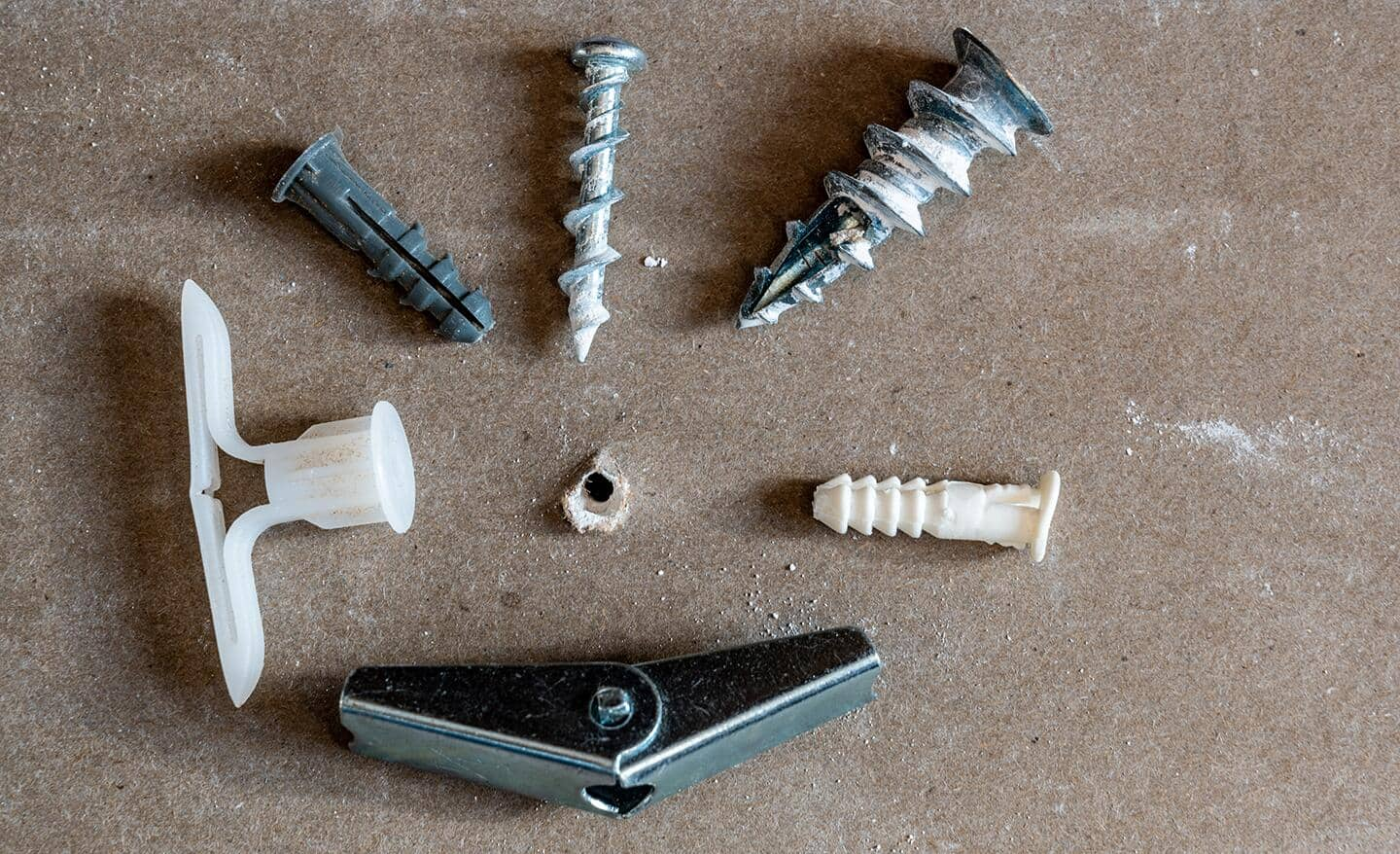
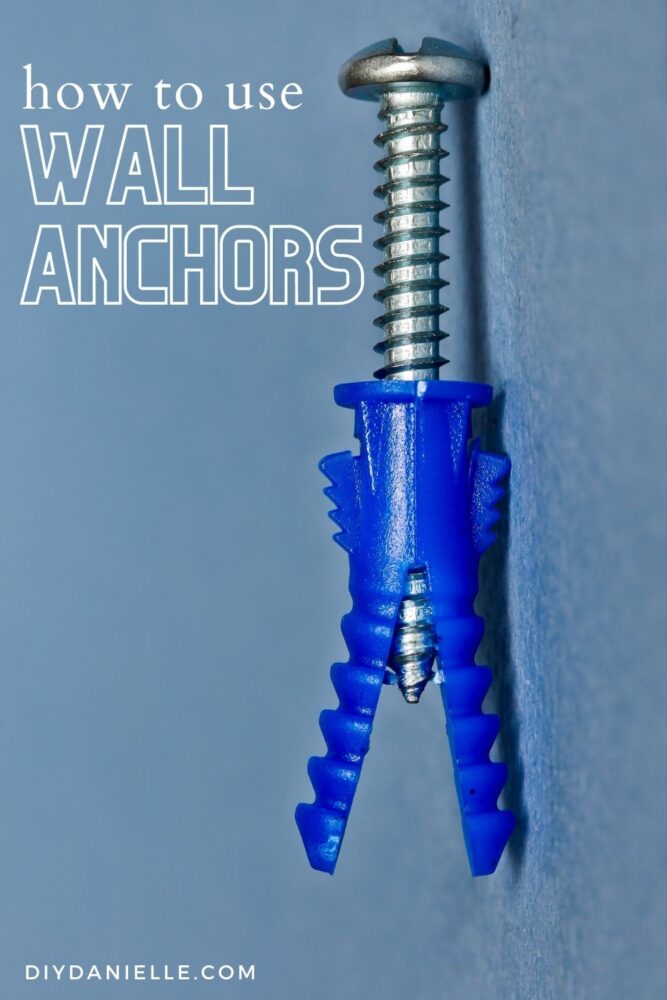
Plastic expansion anchors are common for light items like pictures. They spread out in the drywall to hold firm. Toggle bolts have wings that open behind the wall. They work well for heavy objects. Molly bolts are metal and expand inside the wall. They provide strong support for medium weights.
Weight Capacity Considerations
Every anchor has a weight limit. Check the package for the exact number. Use anchors that can hold more than your item’s weight. For heavy shelves or TVs, choose high-capacity anchors. Do not guess the weight. Too weak anchors cause damage and falls.
Material Compatibility
Most anchors fit standard drywall. Some suit plaster or panel walls better. Metal anchors resist rust and last longer. Plastic anchors work well in dry, indoor spaces. Match the anchor material to your wall and environment. This keeps your hold strong over time.
Credit: diydanielle.com
Gathering Necessary Tools
Before starting to use wall anchors for drywall, gather the right tools. Having the correct tools makes the job easier and safer. It also ensures the anchors hold well and your items stay secure. Below are the essential tools you need for the task.
Drill And Drill Bits
A drill helps create holes in the drywall for the anchors. Use drill bits that match the anchor size. Proper drill bits prevent damage to the wall. Choose a drill with adjustable speed for better control.
Screwdrivers And Screws
Screwdrivers are needed to tighten screws into the anchors. Use a screwdriver that fits the screw head perfectly. This avoids stripping the screws. Select screws that fit the wall anchors and the item you hang.
Measuring Tools
Measuring tools help mark where to place anchors on the wall. Use a tape measure or ruler for accurate placement. A pencil works well to mark spots before drilling. Correct measurements keep your items level and steady.
Preparing The Wall
Preparing the wall is the first step to using wall anchors for drywall. It helps ensure the anchors hold well and keep your items secure. Taking time to prepare saves effort later and prevents damage.
Marking Anchor Placement
Start by deciding where to place the anchor. Use a pencil to mark the exact spot on the wall. Check the height and distance to make sure it fits your needs. Clear marks help guide your drilling and keep everything straight.
Checking For Studs And Wiring
Use a stud finder to check behind the drywall. Studs are wooden supports and can hold nails or screws directly. Avoid placing anchors where a stud is present. Also, watch for wiring or pipes inside the wall. Drilling into wires can be dangerous. Take care to avoid these areas for safety.
Drilling Pilot Holes
Choose a drill bit that matches the anchor size. Drill a small pilot hole at the marked spot. The hole should be straight and clean. Pilot holes guide the anchor and make insertion easier. Stop drilling once you reach the right depth for the anchor.

Credit: www.picturehangsolutions.com
Installing The Wall Anchors
Installing wall anchors in drywall is a simple process that strengthens your hold. Choose the right anchor for your project. Follow each step carefully to ensure a secure fit. Proper installation prevents damage and keeps items stable on the wall.
Inserting Plastic Expansion Anchors
Start by drilling a hole slightly smaller than the anchor. Push the plastic anchor into the hole until flush with the wall. Tap gently with a hammer if needed. Screw your fastener into the anchor. The plastic expands inside the drywall, holding tightly.
Using Toggle Bolts
Drill a larger hole to fit the toggle bolt wings. Thread the bolt through your item’s mounting hole. Squeeze the wings closed and push them into the hole. The wings open behind the drywall. Tighten the bolt slowly, pulling the wings tight against the wall.
Working With Molly Bolts
Drill a hole sized to the molly bolt body. Insert the molly bolt into the hole. Use a screwdriver to turn the bolt head. This action expands the anchor behind the wall. Tighten until snug. Remove the bolt, then attach your item using the bolt again.
Securing Screws For Strong Support
Securing screws into wall anchors is key for strong support. Proper screw placement keeps items steady on drywall. It prevents damage and ensures safety. Follow clear steps to align, tighten, and test screws carefully.
Aligning Screws With Anchors
Place the screw directly over the anchor hole. Keep the screw straight to avoid slipping. A correct angle helps the anchor hold well. Start threading the screw slowly by hand. This stops cross-threading and damage.
Tightening Without Overdriving
Use a screwdriver or drill on low speed. Tighten the screw until it feels snug. Do not force it past this point. Overdriving can break the anchor or wall. Stop tightening once the screw holds firmly.
Testing Anchor Stability
Gently pull on the attached item to check security. The screw and anchor should not move. If loose, remove and try a larger anchor. Testing ensures your wall fixture stays safe and strong.
Tips For Long-lasting Results
Using wall anchors correctly can keep your drywall secure for years. Small steps help avoid damage and ensure strength. Follow simple tips to get the best hold and avoid problems later.
Proper use of anchors prevents cracks and holes that weaken the wall. A strong hold means your items stay safe and steady. Careful installation protects both the wall and your belongings.
Avoiding Common Mistakes
Choose the right anchor size for the weight you want to hold. Too small anchors will fail quickly. Do not force anchors into holes that are too small.
Drill holes straight and to the correct depth. Angled holes make anchors loose. Always read the instructions that come with the anchors.
Maintaining Wall Integrity
Do not overload the anchors beyond their limit. Heavy items need stronger anchors or extra support. Check anchors regularly for signs of loosening or damage.
Remove anchors carefully to avoid extra holes. Use the correct tools to pull them out. Patch holes properly if anchors are removed.
When To Use Multiple Anchors
Large or heavy items need more than one anchor for safety. Spread anchors evenly to share the weight. This reduces stress on any single point.
For shelves, cabinets, or mirrors, use multiple anchors at different points. This helps keep the item level and secure. Follow weight guidelines for each anchor.
Frequently Asked Questions
What Are Wall Anchors Used For In Drywall?
Wall anchors provide extra support when hanging heavy items on drywall. They prevent screws from pulling out and ensure stability. Anchors distribute weight evenly, reducing wall damage. They are essential for securing shelves, mirrors, and fixtures safely on drywall surfaces.
How Do I Choose The Right Wall Anchor?
Select anchors based on weight capacity and drywall thickness. Plastic anchors suit light loads, while metal anchors handle heavier items. Consider the anchor type: expansion, toggle, or molly, depending on the wall’s condition. Proper choice ensures a secure and lasting hold.
Can I Install Wall Anchors Without A Drill?
Yes, some plastic anchors can be installed with a screwdriver. However, drilling a pilot hole usually makes installation easier and more precise. For heavy-duty anchors, a drill is recommended to ensure proper placement and secure fastening in drywall.
How Deep Should I Drill For Wall Anchors?
Drill a hole slightly smaller than the anchor’s diameter. This ensures a tight fit and prevents the anchor from spinning. The depth should match the anchor’s length for optimal grip. Proper hole size is key to secure anchoring in drywall.
Conclusion
Using wall anchors makes hanging items on drywall much easier. Choose the right anchor for your item’s weight and size. Drill a hole, insert the anchor, and then screw in your fixture. This method keeps your walls safe from damage.
With practice, you can hang shelves, pictures, and more securely. Remember, strong anchors mean your items stay put. Simple steps lead to strong results. Give it a try next time you need to hang something on drywall.