Are you looking to upgrade your home security without the hassle of complicated tools or expensive locksmith visits? Installing a keypad deadbolt is a smart way to protect your space while giving you easy, key-free access.
In this guide, you’ll discover simple, step-by-step instructions to install your keypad deadbolt quickly and confidently. By the end, you’ll not only feel safer but also proud of the DIY skill you’ve mastered. Let’s get started and make your home more secure today!
Choosing The Right Keypad Deadbolt
Choosing the right keypad deadbolt is important for home security and convenience. It ensures easy access and strong protection. The right lock fits your door and meets your needs.
Types Of Keypad Deadbolts
Keypad deadbolts come in different types. Some have a key backup for emergencies. Others are fully keyless and use only codes. There are also smart locks that connect to your phone. Pick a type that suits your lifestyle.
Features To Consider
Look for features like easy code programming. Some locks allow multiple user codes. Check if the lock has an auto-lock function. Battery life is important for keypad locks. Choose a lock with strong metal construction for durability.
Compatibility With Doors
Make sure the keypad deadbolt fits your door’s thickness. Most locks fit standard doors but check measurements. Check if your door material works with the lock. Some locks work better on metal or wood doors. Proper fit ensures smooth installation and operation.

Credit: www.familyhandyman.com
Tools And Materials Needed
Installing a keypad deadbolt requires some basic tools and materials. Having the right items ready will make the process easier and faster. Prepare your workspace and gather everything before starting.
Essential Tools
- Screwdriver (Phillips and flathead)
- Drill with drill bits
- Measuring tape
- Chisel
- Pencil or marker
- Level
Additional Supplies
- New keypad deadbolt lock kit
- Extra screws (often included with the lock)
- Masking tape (to mark drill points)
- Safety glasses
- Wood filler (if adjusting door holes)
Preparing The Door
Preparing the door is a key step before installing a keypad deadbolt. It ensures the lock fits perfectly and works smoothly. Careful preparation helps avoid mistakes that can damage the door or the lock. Follow clear steps to measure and drill accurately for the best results.
Measuring And Marking
Start by measuring the height for the deadbolt on the door. The standard height is usually about 6 to 7 inches above the doorknob. Use a tape measure for accuracy. Mark the spot with a pencil where the deadbolt will go. Double-check the mark to make sure it is level and in the right position.
Next, mark the center point for the hole on the edge of the door. This hole will hold the latch. Also, mark the area on the door frame where the strike plate will fit. Accurate marking makes drilling easier and prevents mistakes.
Drilling Holes
Use a drill with the correct size hole saw bit for the lock cylinder. Drill through the door at the marked point for the keypad deadbolt. Drill slowly to avoid splintering the wood. Then drill the smaller hole on the edge of the door for the latch bolt. Keep the drill straight to ensure a clean hole.
Finally, drill holes in the door frame for the strike plate screws. Countersink these holes so the screws sit flush. Clean any wood dust from the holes before fitting the lock. Proper drilling ensures a secure and smooth installation.
Installing The Deadbolt Components
Installing the deadbolt components is the key step in securing your door. This process involves fixing the exterior keypad, attaching the interior assembly, and securing the deadbolt itself. Each part must fit perfectly for smooth operation and safety.
Take your time during installation. A proper setup ensures the lock works well and lasts long. Follow the steps carefully for best results.
Mounting The Exterior Keypad
Start by placing the exterior keypad on the door. Align it with the holes drilled earlier. Make sure the keypad cable passes through the door hole.
Use the screws provided to fix the keypad tightly. The keypad should sit flush against the door surface. Check that buttons press easily and the display is visible.
Attaching The Interior Assembly
Next, connect the cable from the keypad to the interior assembly. This connection powers the lock and allows communication.
Position the interior part on the inside of the door. Align the screw holes carefully. Secure it with screws, but do not overtighten. The interior should feel stable and flush.
Securing The Deadbolt
Insert the deadbolt into the door edge. Make sure it moves freely in the latch. Use screws to fix the deadbolt plate firmly to the door.
Test the deadbolt by turning the thumb turn inside. It should extend and retract smoothly. Adjust screws if needed for perfect movement.
Programming The Keypad
Programming the keypad is an essential step after installing your deadbolt. It lets you control who can enter your home. You can add or change codes easily. This gives you strong security and convenience.
Most keypad deadbolts allow several user codes. Each code works like a unique key. You can give codes to family members, friends, or workers. You can delete codes anytime to keep your home safe.
Setting User Codes
Start by entering the programming mode on your keypad. Usually, this means pressing a special button or entering a master code. Follow the instructions from your lock’s manual carefully.
Next, choose a user slot for the new code. Enter the new code using the keypad. The code should be easy to remember but hard to guess. Confirm the code by entering it again. Save the new code as instructed.
Repeat this process for each person who needs access. You can set codes with different lengths, often 4 to 8 digits. Avoid simple codes like 1234 or 0000 for better security.
Testing Access Codes
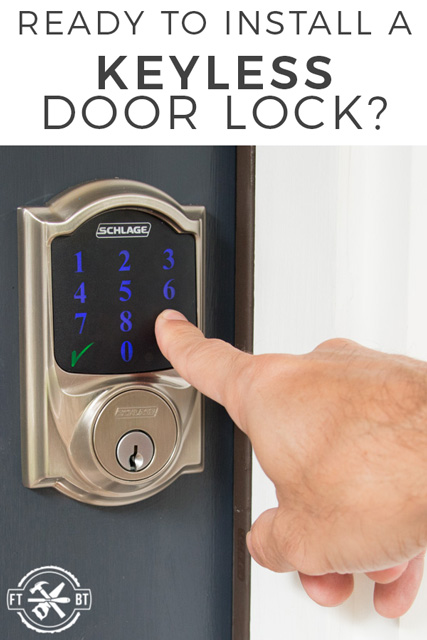
After setting codes, test each one. Enter the code on the keypad to unlock the door. The lock should open smoothly every time. If it does not, reprogram the code.
Test all user codes to make sure they work. Check the lock’s response lights or sounds for confirmation. If your lock has a keypad display, it may show success or error messages.
Try locking the door and then unlocking with each code. This ensures everything functions properly. Testing helps avoid lockouts and keeps your home secure.
Credit: fixthisbuildthat.com
Troubleshooting Common Issues
Troubleshooting common issues helps keep your keypad deadbolt working well. Small problems can stop your lock from working. Knowing how to fix these issues saves time and stress. This guide covers two common problems: keypad malfunctions and lock alignment problems. Follow these tips to get your deadbolt back on track quickly.
Keypad Malfunctions
Keypad malfunctions often happen due to low battery power. Replace batteries with fresh ones to restore function. Dirt or dust can block the buttons. Clean the keypad gently with a soft cloth. Sometimes, buttons stick or do not press correctly. Press each button several times to loosen them. Reset the lock by removing batteries and pressing the reset button. Check the user manual for specific reset steps. If the keypad still fails, inspect wiring connections inside the lock. Loose wires may cause errors. Tighten or reconnect any loose wires carefully.
Lock Alignment Problems
Misaligned locks cause the deadbolt to jam or not turn. Check the strike plate on the door frame first. The hole must line up perfectly with the deadbolt. Adjust the strike plate position by loosening screws and moving it slightly. Tighten screws after adjustment. Warped doors or frames can cause alignment issues. Use a ruler to measure gaps between the door and frame. Sand or plane the door edges if needed. Lubricate the deadbolt and strike plate with graphite powder. Avoid oil-based lubricants as they attract dust. Test the lock several times after adjustments to ensure smooth operation.
Maintenance Tips For Longevity
Keeping your keypad deadbolt in good shape ensures it works well for years. Regular care helps avoid problems and keeps the lock secure. Follow these simple tips to maintain your keypad deadbolt.
Battery Replacement
Check the battery level every few months. A weak battery can cause the lock to fail. Replace the batteries with fresh ones as soon as the low battery warning appears. Use the type of battery recommended by the manufacturer. Always keep spare batteries nearby for quick changes.
Cleaning And Care
Clean the keypad and lock surface regularly. Use a soft cloth with mild soap and water. Avoid harsh chemicals that can damage the finish or keypad. Keep the keyhole free from dust and dirt. Lubricate the lock mechanism once a year with graphite powder or a silicone-based lubricant. This keeps the lock smooth and easy to use.

Credit: www.youtube.com
Frequently Asked Questions
How Do I Install A Keypad Deadbolt Lock?
First, remove the existing lock. Align the keypad with the door. Secure screws tightly. Follow the manufacturer’s instructions for wiring and programming the lock.
What Tools Are Needed For Keypad Deadbolt Installation?
You typically need a screwdriver, drill, measuring tape, and pencil. Some models may require additional tools like a chisel or level.
Can I Install A Keypad Deadbolt Myself?
Yes, most keypad deadbolts are designed for DIY installation. Carefully follow the instructions and ensure proper alignment for security and function.
How Do I Program A Keypad Deadbolt Lock?
Access the programming mode using the master code. Follow the manual to add or delete user codes. Test each code after programming to confirm.
Conclusion
Installing a keypad deadbolt can boost your home’s security quickly. Follow each step carefully for the best results. Double-check your work to ensure the lock works smoothly. Practice using the keypad to get comfortable with it. This simple upgrade adds convenience and safety to your door.
Take your time, and you will do well. Enjoy the peace of mind that comes with your new lock.