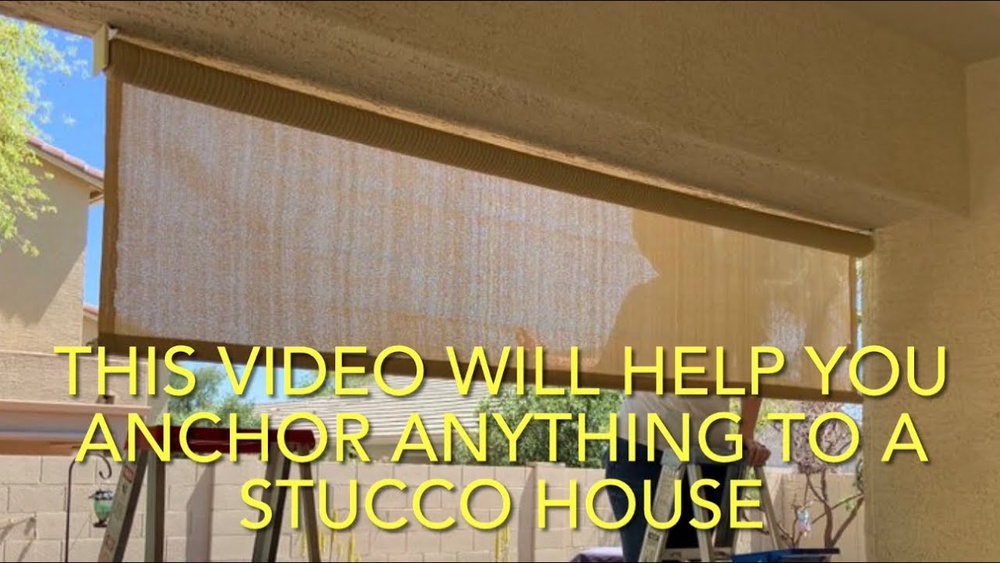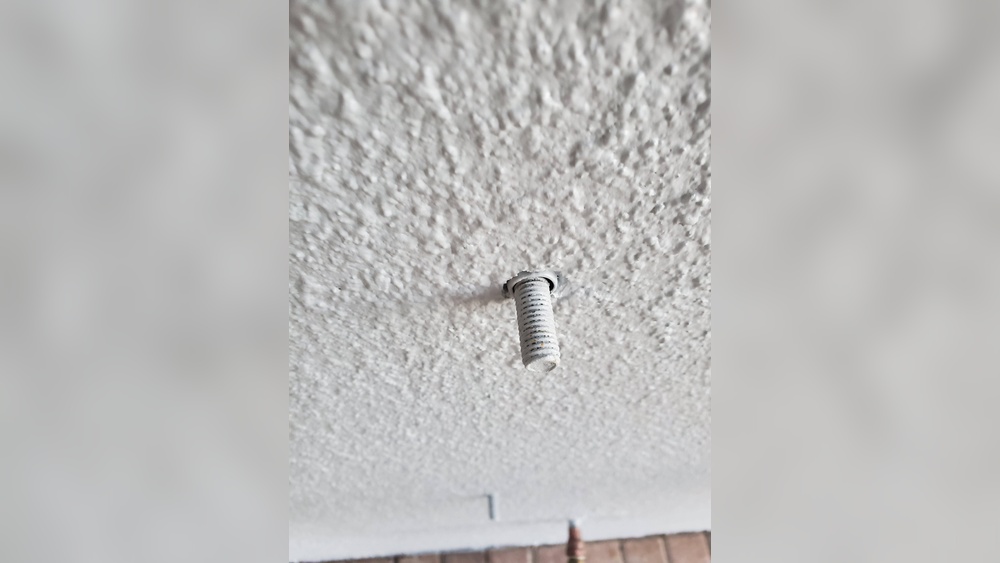
Are you struggling to hang heavy items on your walls without worrying about them falling down? Using a metal wall anchor can be the solution you need.
But if you’ve never used one before, it might seem confusing or tricky. Don’t worry—this guide will show you exactly how to use a metal wall anchor step-by-step. By the end, you’ll feel confident and ready to secure shelves, mirrors, or artwork safely.
Keep reading to learn the simple secrets that make your walls stronger and your home look better.
Choosing The Right Anchor
Choosing the right metal wall anchor is important. It helps to secure items safely and avoid damage. Different anchors suit different walls and weights. Picking the right one saves time and effort.
Types Of Metal Wall Anchors
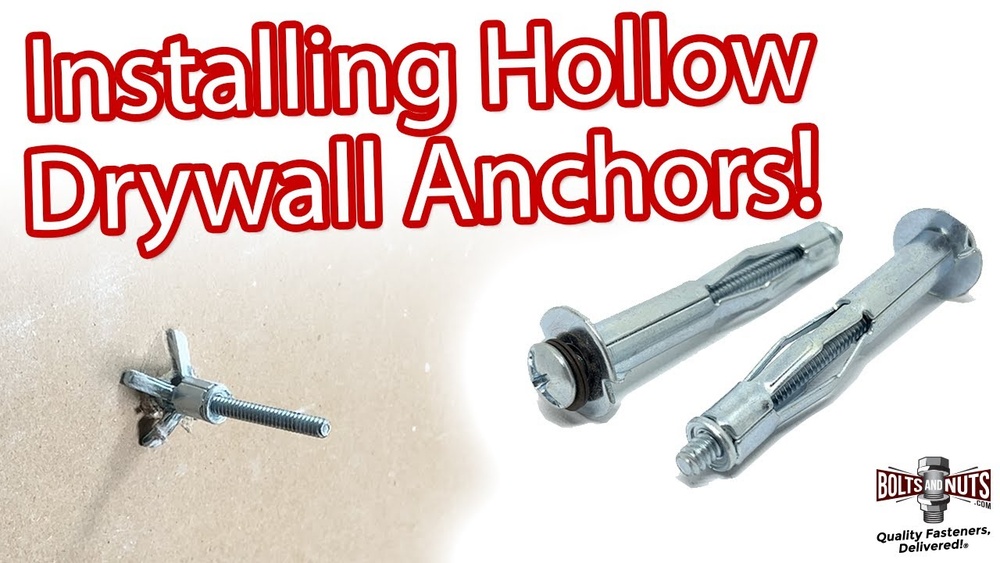
Metal wall anchors come in several types. Toggle bolts have wings that open inside the wall for strong hold. Molly bolts expand behind the wall for firm grip. Sleeve anchors use a metal sleeve that tightens as you screw in.
Select the type based on your wall and item. Each type holds differently and fits certain wall styles.
Weight Capacity Considerations
Check the weight your anchor can hold. Stronger anchors carry heavier items. Light anchors suit small frames or decorations. Heavy anchors are best for shelves or large mirrors.
Never exceed the weight limit. It prevents anchors from pulling out or breaking.
Suitable Wall Materials
Wall material affects anchor choice. Drywall anchors work well in plasterboard or gypsum walls. Concrete anchors fit solid brick or cement walls. Hollow wall anchors suit walls with space behind them.
Match the anchor to your wall type for best results. Wrong anchors may not hold or damage the wall.
Gathering Necessary Tools
Gathering the right tools makes using a metal wall anchor easier and safer. Having everything ready helps you work faster and avoid mistakes. This section lists the key tools you need for the job. Use this guide to prepare before starting your project.
Drill And Drill Bits
A drill is essential for making holes in the wall. Choose a drill that feels comfortable in your hand. Use drill bits that match the size of your wall anchor. A sharp drill bit makes a clean hole, improving anchor hold. Always check the drill bit size before drilling.
Screwdrivers And Screws
Use a screwdriver to insert screws into the anchors. Pick a screwdriver that fits the screw head well. This prevents slipping and damage to screws. Have screws that match the anchor size. Proper screws keep your items secure on the wall.
Measuring And Marking Tools
Measuring tools help mark the exact spot for your anchor. A tape measure or ruler works well for this task. Use a pencil to make small marks on the wall. Accurate marks ensure your anchor is placed correctly. Good measurements prevent wasted anchors and wall damage.
Preparing The Wall
Preparing the wall is the first step to properly use a metal wall anchor. It helps to make sure the anchor holds strong and stays in place. Taking time to prepare the wall carefully will save effort later. Follow these simple steps to get started.
Locating Studs Or Solid Surfaces
Find the studs or solid parts behind the wall. Studs give the best support for anchors. Use a stud finder tool or tap the wall lightly. Solid surfaces will feel firm and not hollow. Avoid empty spaces to keep the anchor secure.
Marking Anchor Positions
Mark the exact spots where you want to place anchors. Use a pencil for clear, easy-to-see marks. Check measurements twice before marking to avoid mistakes. Proper marks guide you during drilling and anchor installation.
Drilling Pilot Holes
Drill small pilot holes on the marked spots. Pilot holes help the anchor go in smoothly. Use a drill bit size that fits the anchor. Drill slowly and straight to avoid wall damage. Clean out dust from holes before inserting anchors.
Installing The Metal Wall Anchor
Installing a metal wall anchor is a simple process. It helps hold heavy objects on walls safely. Follow these steps carefully to ensure a strong hold and avoid damage.
Inserting The Anchor
First, drill a hole in the wall. Choose a drill bit that fits the anchor size. Clean out dust inside the hole. Push the metal anchor gently into the hole. Tap it lightly with a hammer if needed. The anchor should fit snugly without forcing.
Securing The Anchor
Next, insert the screw into the anchor. Use a screwdriver or drill to tighten it. The metal anchor will expand inside the wall. This expansion locks it firmly in place. Do not overtighten to avoid damage to the anchor or wall.
Ensuring Proper Fit
Check the anchor by pulling gently on the screw. It should feel solid and not move. The screw head should sit flush with the wall surface. Adjust or retry if the fit feels loose. A proper fit ensures safety and long-lasting support.
Mounting Objects Safely
Mounting objects safely on a wall is important for both security and durability. Using metal wall anchors helps hold items firmly. The right steps make sure the object stays in place without damage.
Follow clear instructions to avoid accidents and keep your walls intact. This section explains how to mount objects safely using metal wall anchors.
Aligning The Object
Place the object against the wall at the desired height. Use a level tool to ensure it is straight. Mark the exact spots where the anchors will go. This step prevents uneven hanging and keeps the object balanced.
Using Appropriate Screws
Select screws that fit the metal wall anchors well. Screws that are too short or thin will not hold the weight. Use screws designed for the anchor size and the object’s weight. Tighten the screws carefully to avoid damaging the wall or anchor.
Testing Stability
After mounting, gently shake the object to check its hold. It should feel secure and not move. If loose, tighten the screws or check the anchor placement. Testing stability avoids accidents and keeps your items safe on the wall.

Credit: www.youtube.com
Troubleshooting Common Issues
Troubleshooting common issues with metal wall anchors helps ensure a strong hold. Problems often occur during or after installation. Knowing how to fix them saves time and effort. Below are some typical issues and easy solutions.
Loose Anchors
Loose anchors can cause items to fall. The wall may be too soft or the hole too big. Remove the anchor and try a smaller drill bit. Insert a larger anchor if the hole is large. Tighten screws carefully to avoid stripping the anchor.
Cracked Walls
Cracks around anchors weaken the hold. This happens if the wall is old or fragile. Use anchors designed for drywall or plaster. Avoid over-tightening screws, which can cause cracks. Fill cracks with wall filler before installing new anchors.
Incorrect Anchor Types
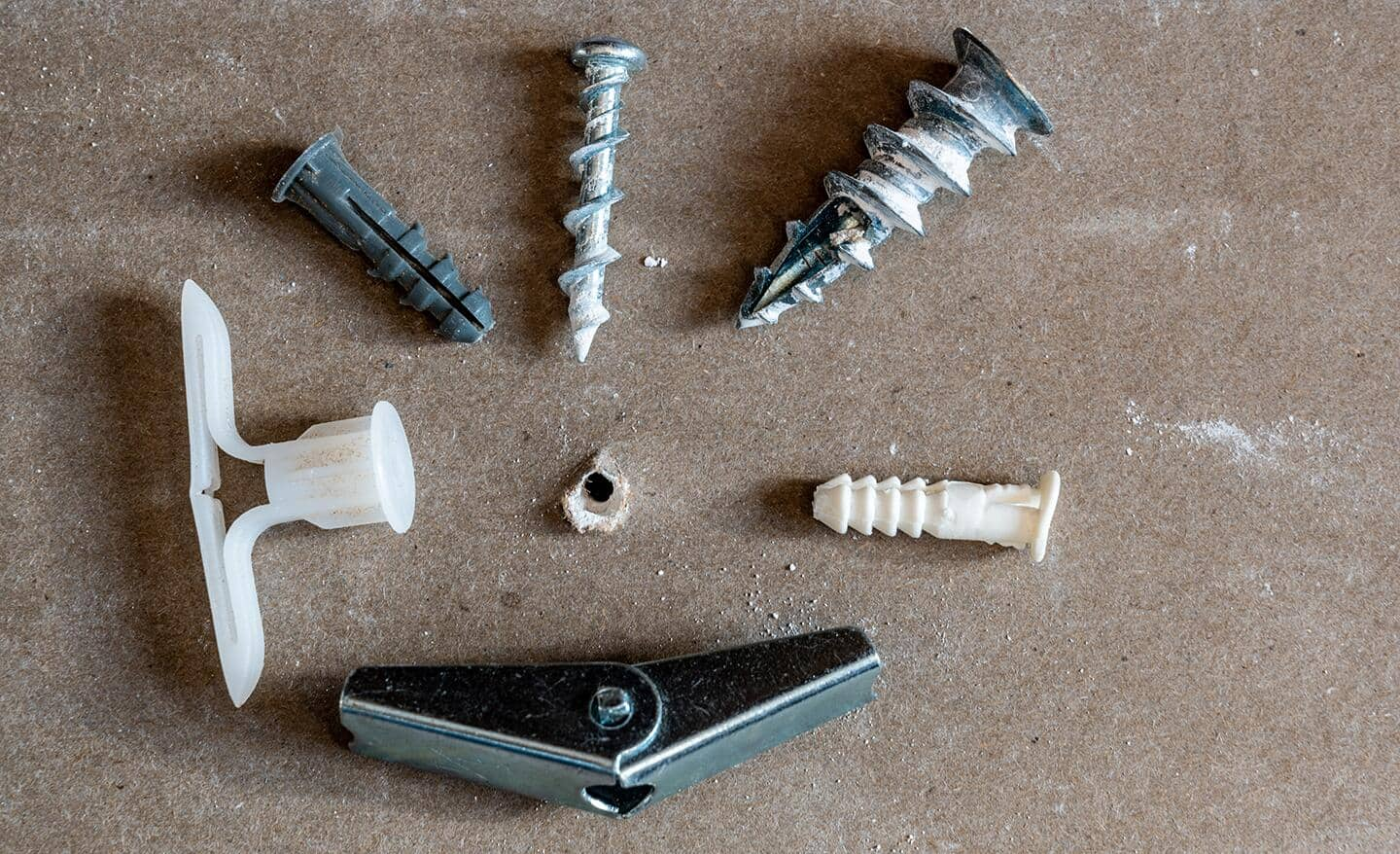
Using the wrong anchor type reduces strength. Metal anchors work best for drywall or masonry. Plastic anchors may fail with heavy items. Match the anchor type with wall material and item weight. Check the packaging for proper use instructions.
Maintenance Tips
Proper maintenance of metal wall anchors keeps your walls safe and strong. It helps avoid accidents and costly repairs. Simple care steps improve the anchor’s hold and lifespan. Regular checks and timely fixes matter most.
Regular Inspections
Check metal wall anchors every few months. Look for signs of rust, cracks, or looseness. Use a flashlight to see hidden spots. Tighten any loose screws carefully. Early detection stops small problems from growing.
Replacing Damaged Anchors
Remove anchors showing heavy rust or damage. Use the right tools to avoid wall harm. Install a new anchor of the same type and size. Ensure it fits firmly and holds weight well. Replace damaged anchors quickly for safety.
Credit: www.homedepot.com

Credit: www.concretefasteners.com
Frequently Asked Questions
What Tools Do I Need For Metal Wall Anchors?
You need a drill, screwdriver, hammer, and the right drill bit size. Also, have a measuring tape and pencil for accuracy.
Can Metal Wall Anchors Hold Heavy Objects?
Yes, metal wall anchors provide strong support and can hold heavy items securely when installed properly.
How Do I Install A Metal Wall Anchor Correctly?
Drill a hole, insert the anchor, tap it gently, then screw in your fixture tightly for a secure hold.
Are Metal Wall Anchors Reusable After Removal?
No, metal wall anchors usually deform and lose grip once removed, so replace them with new anchors.
Conclusion
Metal wall anchors provide strong support for heavy items on walls. Choose the right anchor for your wall type and weight needs. Drill a proper hole size to ensure a snug fit. Insert the anchor carefully and tighten the screw firmly.
Avoid over-tightening to prevent damage. With these simple steps, your items will stay secure and stable. Use metal wall anchors to make your hanging tasks easier and safer. Practice a few times to gain confidence and skill. Your walls will thank you for the extra care.