Have you ever faced the frustration of a deadbolt that just won’t budge? You twist the key, push, and pull—but it stays stuck.
It can leave you feeling stuck too, especially when you’re in a hurry or worried about your home’s security. The good news is, you don’t have to call a locksmith right away or break down your door. With a few simple steps, you can get your deadbolt working smoothly again.
Keep reading, and you’ll discover easy, practical ways to fix that stubborn lock today.
Credit: www.spscreens.com.au
Common Reasons Deadbolts Get Stuck
Deadbolts can get stuck for several common reasons. Knowing these helps fix the problem fast. Some causes are easy to spot and fix. Others may need a closer look or tools. Understanding these issues can save time and frustration.
Warped Door Or Frame
Wood changes shape with heat and moisture. A door or frame may warp over time. This warping stops the deadbolt from moving smoothly. The bolt might hit the door frame. This causes the lock to jam or stick.
Misaligned Strike Plate
The strike plate is where the bolt fits in the frame. If it moves out of place, the bolt can’t slide in. This misalignment blocks the lock from turning. It may happen after a door shift or loose screws.
Lack Of Lubrication
Deadbolts need oil to move easily. Without lubrication, the parts can stick. Dust and rust increase friction inside the lock. Turning the key feels hard or gets stuck halfway.
Debris Inside The Lock
Dirt, dust, or small particles can enter the lock. These block the bolt or key from moving. Debris builds up over time. It causes the lock to jam or feel stiff.

Credit: www.youtube.com
Tools You’ll Need For Quick Fixes
Having the right tools ready makes fixing a stuck deadbolt easier. These tools help you work faster and avoid damage. Keep them close by before you start.
Lubricants Suitable For Locks
Use a dry lubricant like graphite powder for locks. It stops dust build-up and keeps parts moving smoothly. Avoid oil-based lubricants; they attract dirt and gum up the lock.
Screwdrivers And Allen Wrenches
Screwdrivers and Allen wrenches help remove the lock cover. They let you access the inner parts of the deadbolt. Use the correct size to avoid stripping screws.
Cleaning Supplies
Soft cloths and cotton swabs clean dirt inside the lock. Use a small brush to remove dust from tight spaces. Avoid harsh chemicals that can damage lock parts.
Replacement Parts
Keep spare screws, springs, or lock pins nearby. Old or broken parts often cause deadbolts to stick. Having replacements saves time during repairs.
Step-by-step Guide To Unstick A Deadbolt
Dealing with a stuck deadbolt can be frustrating. This step-by-step guide helps you fix the problem quickly. Follow easy instructions to get your deadbolt working smoothly again. Each step focuses on a simple task to save time and effort.
Inspecting The Lock And Door
Start by checking the lock and door carefully. Look for signs of damage or wear on the deadbolt. Check if the door is aligned properly with the frame. Notice any gaps or misalignment that might cause sticking. Understanding the problem helps decide the next steps.
Realigning The Strike Plate
The strike plate holds the deadbolt in place. Sometimes it shifts out of position. Loosen the screws slightly to move it. Adjust the plate so the bolt fits perfectly into the hole. Tighten screws after realigning to secure the plate firmly.
Applying Lubricant Properly
Use a graphite or silicone spray lubricant. Avoid oil-based lubricants that attract dirt. Spray a small amount inside the keyhole and bolt mechanism. Insert and turn the key several times to spread lubricant. This reduces friction and helps the bolt slide easily.
Cleaning Out Dirt And Debris
Dirt and dust can block the bolt’s movement. Use a small brush or compressed air to clean the lock. Remove any buildup inside the keyhole and bolt area. Keeping the lock clean prevents future sticking problems.
Tightening Loose Screws
Loose screws can cause the lock to shift and stick. Check all screws on the lock and door frame. Use a screwdriver to tighten any loose screws. Secure fittings ensure smooth operation of the deadbolt.

Credit: www.reddit.com
When To Replace Parts Or The Entire Lock
Knowing when to replace parts or the entire deadbolt lock is crucial for home security. A stuck deadbolt might mean simple cleaning or repair. Sometimes, the lock shows signs that need more than just fixing. Replacing worn parts or the whole lock keeps your door safe and working well.
Signs Of Severe Wear
Look for rust on the lock or key. Rust weakens metal and stops smooth movement. Check if the key bends or breaks inside the lock. Broken keys mean the lock parts may be damaged too. Notice if the deadbolt sticks even after cleaning. Persistent sticking points to internal wear. If the lock feels loose on the door, it may be worn out. Worn locks can fail to protect your home properly.
Choosing A New Deadbolt
Select a deadbolt that fits your door thickness. Check the lock’s security grade. Grade 1 locks offer the best protection. Think about the lock type—single-cylinder or double-cylinder. Double-cylinder locks need a key on both sides. Choose a lock with a smooth key turn. Good quality locks last longer and work better. Pick a lock with anti-pick features for extra security.
Diy Replacement Tips
Gather basic tools: screwdriver, new lock, and tape measure. Remove the old deadbolt carefully to avoid door damage. Note the lock’s size before buying a new one. Follow the manufacturer’s instructions step-by-step. Test the new lock before final installation. Make sure the bolt slides easily in the strike plate. Tighten screws but do not overtighten to avoid damage. Check the lock operation several times after replacement.
Preventing Deadbolts From Getting Stuck Again
Preventing deadbolts from getting stuck saves time and effort. A smooth deadbolt means better security and less frustration. Small actions every few months keep locks working well. These steps stop problems before they start.
Regular Maintenance Schedule
Set a clear schedule to check your deadbolt. Clean the lock and door area often. Remove dust and dirt from the keyhole. Test the lock by turning the key slowly. Early checks catch small issues fast. This keeps the deadbolt working smoothly for years.
Using The Right Lubricants
Choose lubricants made for locks, like graphite powder. Avoid oils that attract dust and gum up the lock. Apply lubricant inside the keyhole and on the bolt. Use only a small amount to avoid build-up. Proper lubrication helps the deadbolt move easily.
Adjusting Door Alignment Over Time
Doors can shift and cause deadbolts to stick. Check if the door and frame line up well. Tighten loose screws on hinges and strike plates. Use a screwdriver to adjust plates slightly if needed. A well-aligned door lets the deadbolt slide smoothly every time.
Frequently Asked Questions
How Do I Fix A Stuck Deadbolt Quickly?
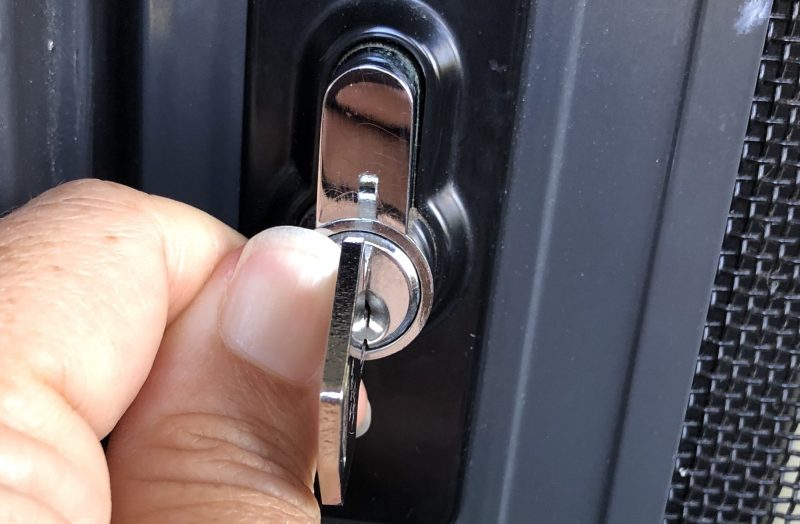
To fix a stuck deadbolt quickly, lubricate the lock with graphite or silicone spray. Avoid oil-based lubricants. Check alignment and gently jiggle the key while turning.
Why Is My Deadbolt Key Turning But Not Unlocking?
If the key turns but the deadbolt doesn’t unlock, the lock cylinder may be misaligned. Lubricate and adjust the strike plate or lock mechanism for smooth operation.
Can I Unlock A Deadbolt Without A Key?
You can try using a bump key or a credit card to unlock some deadbolts. However, these methods work only on certain locks and may damage the lock or door.
What Causes A Deadbolt To Get Stuck?
Deadbolts get stuck due to dirt buildup, lack of lubrication, misalignment, or damaged internal parts. Regular cleaning and maintenance prevent these issues and ensure smooth operation.
Conclusion
Getting a stuck deadbolt fixed can save you time and stress. Start with simple steps like cleaning and lubricating the lock. Avoid forcing the key or handle, as this may cause damage. Small adjustments often solve the problem quickly. If it still sticks, consider calling a locksmith for help.
Taking care of your deadbolt keeps your home safe. Regular maintenance prevents future jams. Remember, a smooth deadbolt means easier access and better security. Stay calm and follow these tips to fix your deadbolt today.