If you want to make your home safer, installing a deadbolt lock is one of the best steps you can take. But you might wonder, “Can I do this myself?” The answer is yes.
With the right tools and clear instructions, you can secure your doors quickly and easily. This guide will show you exactly how to install deadbolt locks, step by step. By the end, you’ll feel confident in protecting your home and loved ones.
Ready to get started? Let’s dive in.

Credit: support.shopyalehome.com
Choosing The Right Deadbolt
Choosing the right deadbolt is key to securing your door well. It affects how safe your home feels and how easy the lock is to use. Picking the best deadbolt means you get both strong protection and simple operation.
Many options exist. Each deadbolt offers different features for various needs. Knowing what to choose helps you avoid mistakes and extra costs.
Types Of Deadbolts
Single-cylinder deadbolts use a key outside and a thumb turn inside. They are common and easy to use. Double-cylinder deadbolts need a key on both sides. These are best for doors with glass near the lock. Locking is stronger but can be tricky in emergencies. There are also keyless deadbolts. They use codes or cards. No need for keys, just enter a code or swipe a card. Smart deadbolts connect to your phone. They offer remote locking and unlocking features.
Factors To Consider
Check the door material. Metal doors need stronger locks. Wood doors can use many types. Consider how often you use the door. Heavy use requires durable locks. Think about safety needs. Homes with children might need simpler locks inside. Check the lock’s grade. Grade 1 is the strongest, Grade 3 the weakest. Choose one that fits your budget and safety needs.
Recommended Brands
Schlage is known for strong and reliable deadbolts. Kwikset offers many affordable options. Medeco provides high-security deadbolts for extra protection. Yale makes smart locks with easy features. These brands have good reviews and trusted quality. Choose one that matches your door and safety goals.
Tools And Materials Needed
Installing a deadbolt lock requires some basic tools and materials. Having these ready makes the job smoother and faster. This list covers everything needed to secure your door properly.
Essential Tools
- Power drill with drill bits
- Screwdriver (flathead and Phillips)
- Measuring tape
- Pencil or marker
- Chisel
- Hammer
- Hole saw (usually 2 1/8 inches)
- Spade bit (typically 1 inch)
Additional Supplies
- Deadbolt lock kit
- Wood screws (often included)
- Masking tape to mark drill spots
- Safety goggles
- Work gloves
- Wood filler (optional, for clean finish)
- Sandpaper (optional, for smoothing edges)
Preparing The Door
Preparing the door is the first step to install a deadbolt lock correctly. It helps ensure the lock fits well and works smoothly. Careful preparation saves time and prevents mistakes later. Follow clear steps to get the door ready for the new lock.
Measuring And Marking
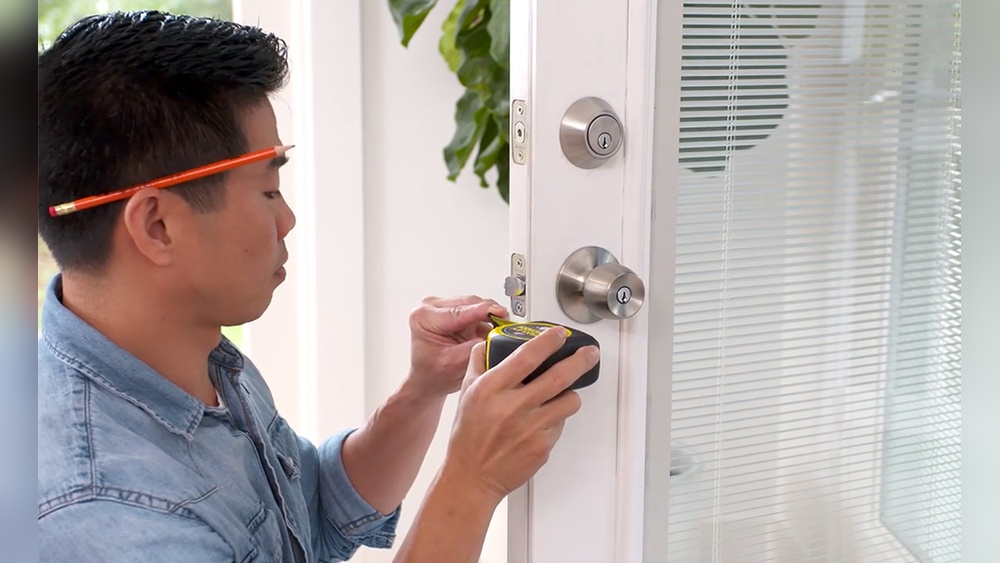
Start by measuring the height where you want the deadbolt. Usually, it is 6 to 12 inches above the door handle. Use a tape measure for accuracy. Mark the spot clearly with a pencil. Double-check the height before moving on. Mark the center point on the door edge for the latch. These marks guide where to drill.
Drilling Holes
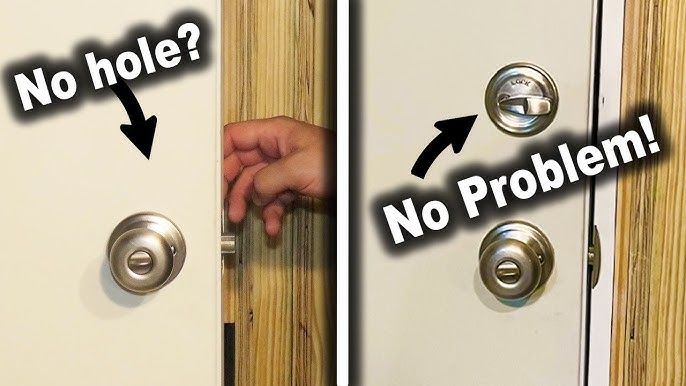
Use a drill to create holes on the marked spots. Begin with the hole on the door face for the lock cylinder. Drill straight to avoid misalignment. Next, drill the hole on the door edge for the latch. Keep the drill steady and use the right drill bit size. Clean out wood chips to keep the holes clear. This step ensures the lock parts fit perfectly.
Credit: www.youtube.com
Installing The Deadbolt
Installing the deadbolt is a key step to improve your door’s security. This process involves placing parts on both sides of the door and securing them tightly. Careful fitting ensures the lock works smoothly and lasts long.
Fitting The Exterior Assembly
Start by placing the exterior part of the deadbolt on the outside of your door. Align the keyhole with the hole drilled earlier. Make sure the tailpiece, the long metal part, goes through the door’s hole. Press the exterior assembly firmly against the door.
Attaching The Interior Assembly
Now, take the interior assembly and align it with the tailpiece from outside. The turn knob or thumb turn should face inside. Hold the parts together and check if the bolt moves freely when you turn the knob. This step is important for smooth locking and unlocking.
Securing The Deadbolt
Use the screws provided to fasten the interior and exterior assemblies tightly. Screw them in evenly to avoid misalignment. Test the deadbolt by turning the knob and using the key. It should move smoothly without sticking or jamming.
Adjusting And Testing
After installing a deadbolt lock, adjusting and testing are important. This step ensures the lock works smoothly and secures the door properly. Small changes may be needed for perfect alignment and easy use. Take your time to check everything carefully.
Aligning The Strike Plate
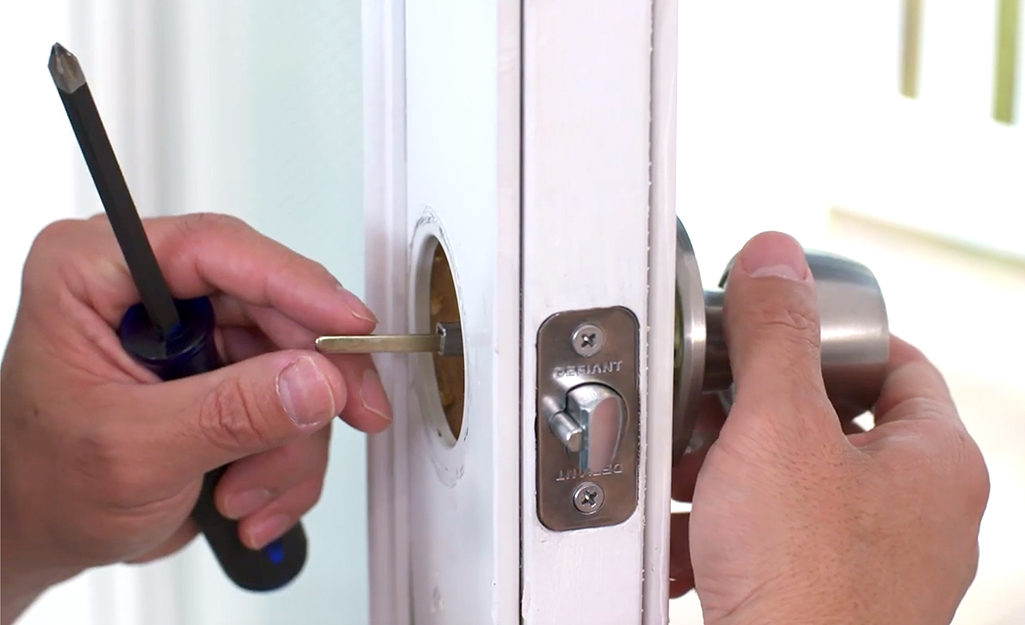
The strike plate must line up with the deadbolt. Check if the bolt fits into the hole easily. If it sticks or misses, adjust the plate position. Loosen the screws and move the plate slightly. Test the bolt again and repeat until the fit is smooth. Tighten the screws once aligned.
Testing Lock Functionality
Turn the key or thumb turn to test the lock. Make sure the bolt extends and retracts fully. The lock should move without force or noise. Check the door closes tightly with the deadbolt engaged. Test from both inside and outside. Confirm the lock secures the door firmly.
Credit: www.homedepot.com
Maintenance Tips
Maintaining your deadbolt lock is important to keep it working well. Regular care helps prevent problems and extends the lock’s life.
Simple steps can keep your door secure and the lock smooth. Focus on lubrication and inspections to catch issues early.
Lubrication
Use a graphite or silicone-based lubricant for deadbolt locks. Avoid oil-based products that attract dust and dirt.
Apply lubricant inside the keyhole and on the bolt mechanism. Turn the key several times to spread it evenly.
Lubricate the lock twice a year or whenever it feels stiff. This keeps the lock moving smoothly without sticking.
Regular Inspections
Check your deadbolt lock at least twice a year. Look for signs of wear, rust, or loose screws.
Test the lock by turning the key and bolt several times. Make sure it moves easily and locks securely.
Tighten any loose screws on the lock or door frame. Replace worn parts to avoid lock failure.
Frequently Asked Questions
How Do I Choose The Right Deadbolt Lock?
Choose a deadbolt lock based on your door type and security needs. Consider single or double cylinder locks for added safety. Measure your door thickness to ensure compatibility. Check for quality certifications and ease of installation. This ensures a secure and effective lock for your door.
What Tools Are Needed To Install A Deadbolt Lock?
You will need a drill, screwdriver, measuring tape, pencil, and a chisel. A hole saw bit matching the lock size is essential. These tools help you create precise holes and secure the lock firmly on your door.
How Long Does It Take To Install A Deadbolt Lock?
Installing a deadbolt lock typically takes 30 to 60 minutes. Time varies based on skill level and door type. Preparation and accurate measurements can speed up the process. Following step-by-step instructions ensures quick and successful installation.
Can I Install A Deadbolt Lock Without Professional Help?
Yes, many deadbolt locks come with easy-to-follow instructions. Basic tools and careful measurements are required. If you follow steps precisely, you can install it yourself. However, complex doors might need professional assistance for best results.
Conclusion
Installing deadbolt locks can boost your door’s security easily. Follow each step carefully to avoid mistakes. Use the right tools and check the lock fits well. Test the lock several times before finishing. A good deadbolt keeps your home safer and gives peace of mind.
Simple steps, better safety. Try it yourself and feel the difference.


