Are you staring at those stubborn Command hooks on your painted wall, wondering how to get them off without leaving a mess? Removing them might seem tricky, but it doesn’t have to be a headache.
You want your wall to look clean and flawless, right? Keep reading, because we’re about to share simple, proven steps that will help you remove those hooks easily and protect your paint. By the end, you’ll feel confident tackling this task and keeping your walls looking great.
Let’s get started!
Credit: www.makingmanzanita.com
Choosing The Right Command Hooks
Choosing the right Command hooks is important for protecting your painted walls. The correct hooks hold items firmly without causing damage. Knowing the types and limits of these hooks helps you pick the best option for your needs.
Types Of Command Hooks
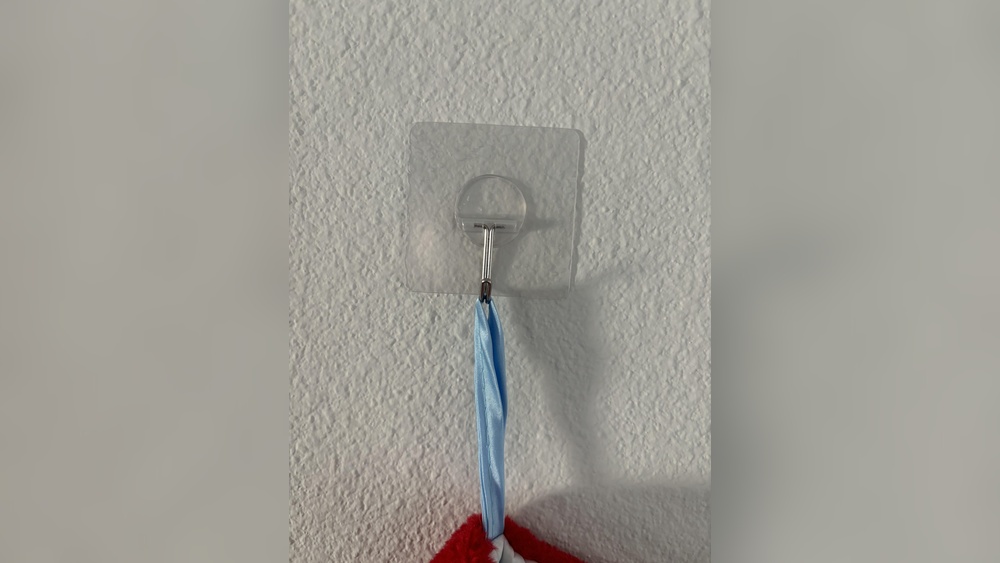
Command hooks come in many styles. Some have a small hook for keys or light items. Others have a larger hook for heavier objects like bags or kitchen tools. There are also decorative hooks that blend with your room’s style. Each type uses a special adhesive strip to stick to walls without nails or screws.
Choosing the right type depends on what you want to hang. Small hooks are great for lightweight items. Bigger hooks work better for heavier things. Some hooks are designed for smooth walls, others for textured surfaces. Picking the right type prevents wall damage and keeps your items secure.
Weight Limits And Wall Compatibility
Every Command hook has a weight limit. This limit shows how much weight the hook can safely hold. Exceeding the limit may cause the hook to fall and damage the wall. Check the package to find the weight limit before buying.
Wall type also matters. Painted walls vary in texture and finish. Smooth painted walls hold adhesive well. Rough or textured walls might not hold the hook firmly. Make sure the hook is suitable for your wall type. Using the right hook and adhesive keeps your walls safe and your items hanging strong.
Credit: thehomesihavemade.com
Preparing For Removal
Preparing to remove Command hooks from a painted wall is important. It helps protect your wall and makes the process easier. Take a few minutes to get ready. This prevents damage and saves time later.
Start by gathering all the tools you need. Then clear the area around the hook. This gives you space to work safely and comfortably.
Gathering Necessary Tools
Collect the tools before you start. You will need dental floss or fishing line. A hairdryer can help soften the adhesive. Keep a clean cloth handy to wipe the wall. Use gentle cleaning products to remove residue after.
Clearing The Area
Move furniture and decorations away from the hook. Clear the wall surface around it. This prevents accidents and damage to items nearby. Make sure the area is well-lit. Good lighting helps you see the hook and adhesive clearly.
Safe Removal Techniques
Removing Command hooks from painted walls needs care. Safe removal stops paint damage and keeps walls smooth. Use gentle methods to protect your wall’s finish. Follow these simple techniques to remove hooks safely.
Stretching The Adhesive Strip
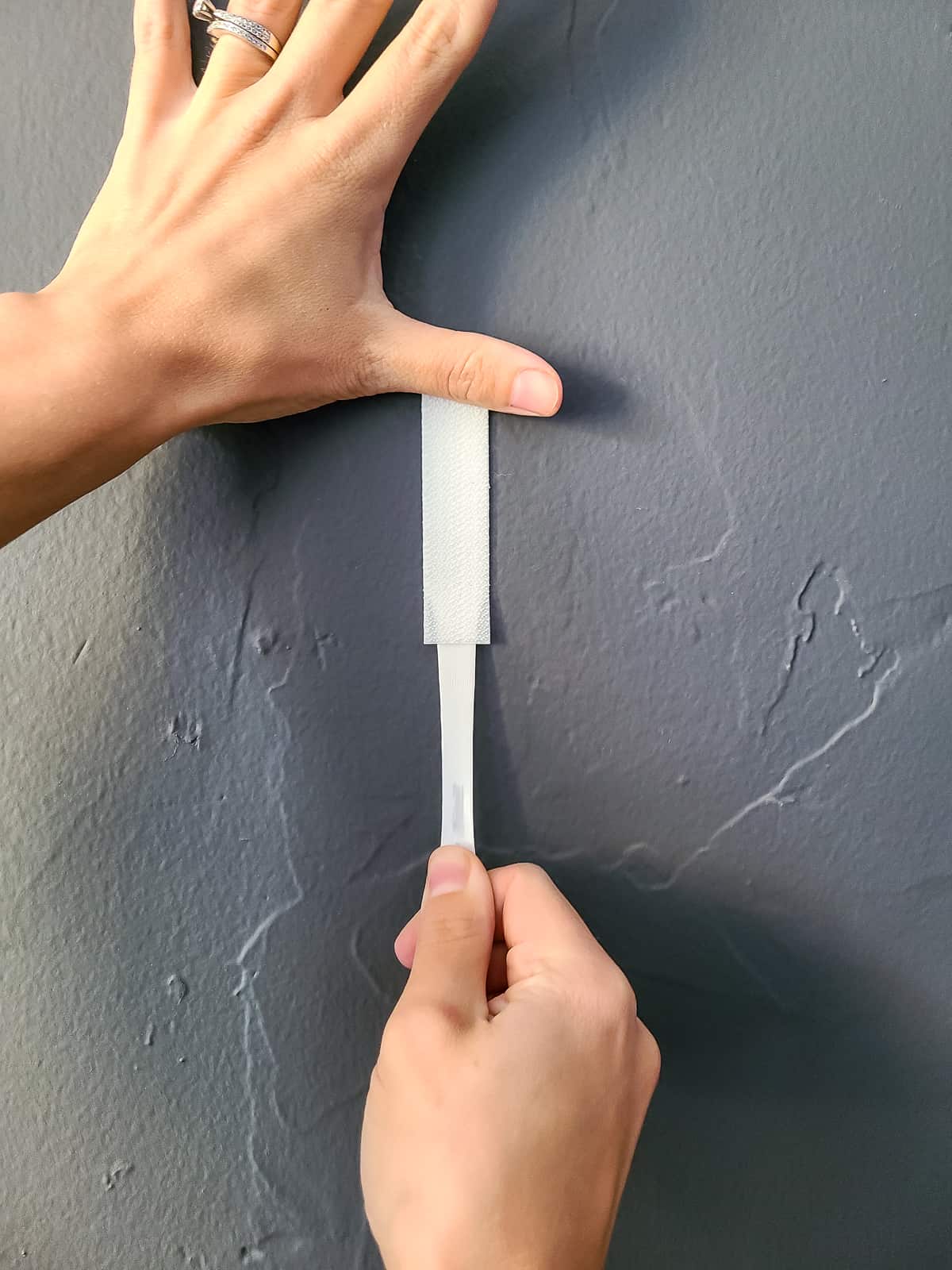
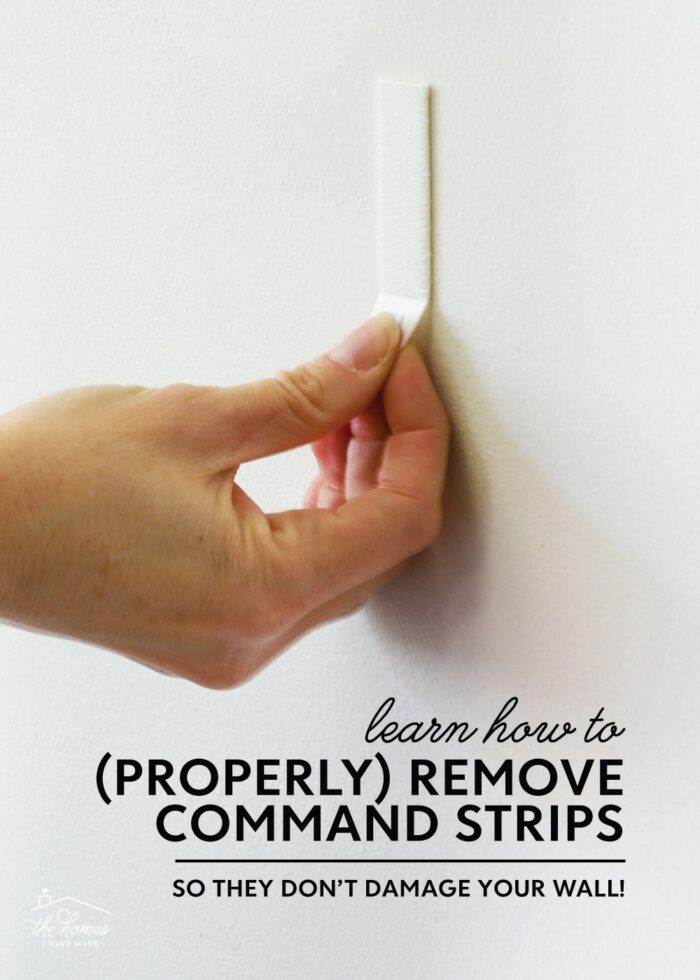
Hold the hook firmly with one hand. With the other hand, pull the adhesive strip straight down. Stretch the strip slowly along the wall. Pulling too fast may damage paint. Keep pulling until the strip releases from the wall. This method uses the strip’s design to come off cleanly.
Using Heat To Loosen Adhesive
Warm the adhesive with a hairdryer set to low heat. Hold the dryer a few inches from the strip. Move the heat evenly across the strip for about 30 seconds. Heat softens the glue, making removal easier. After warming, try stretching the strip downwards. This helps reduce the chance of peeling paint.
Handling Stubborn Adhesive Residue
Removing Command hooks can leave sticky residue on painted walls. This residue is tough to clean and can damage paint if handled wrong. Use gentle methods to protect your wall’s finish while removing the leftover glue. Patience is key for good results.
Using Soap And Water
Start with warm water and mild soap. Mix a few drops of dish soap in a bowl. Dip a soft cloth in the soapy water and wring it out. Gently rub the sticky area in small circles. This softens the adhesive without harming paint. Rinse with a clean damp cloth and dry the wall. Repeat if needed but avoid scrubbing hard.
Applying Rubbing Alcohol Or Vinegar
Use rubbing alcohol or white vinegar for stronger residue. Dampen a cotton ball or cloth with the liquid. Test on a small hidden spot first to check paint safety. Rub the adhesive gently with the cloth. The liquid breaks down the sticky glue. Wipe the area with a clean damp cloth after. Dry the wall well to avoid marks. Use sparingly to protect paint.
Repairing Minor Wall Damage
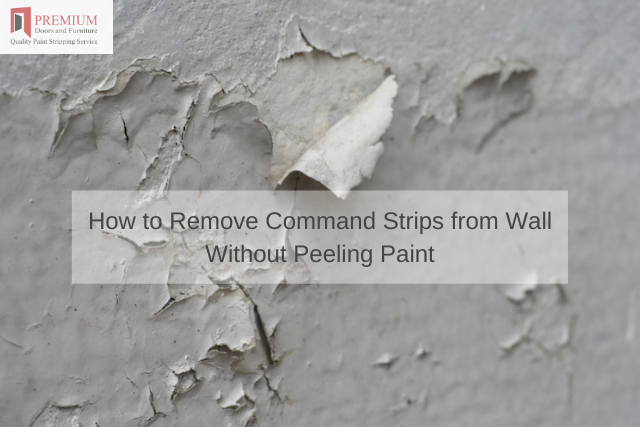
Removing Command hooks from painted walls can leave small holes or dents. These minor damages need quick repair to keep your walls looking fresh. Repairing minor wall damage is simple and does not require much time or skill. With a few basic tools, you can fix these small issues and restore your wall’s smooth surface.
Filling Small Holes And Dents
Start by cleaning the area around the hole or dent. Remove any loose paint or debris. Use a putty knife to apply a small amount of spackling compound or wall filler. Press the filler into the hole or dent, smoothing it out evenly. Let it dry completely, following the product’s instructions. Once dry, lightly sand the area with fine-grit sandpaper. This step ensures a smooth surface ready for painting.
Touching Up Paint
Choose paint that matches your wall color. Use a small brush or sponge to apply paint over the repaired spot. Apply thin layers to blend the paint with the wall. Allow each layer to dry before adding the next. This technique helps hide the repair and keeps your wall looking uniform. Finish by checking for any uneven spots and gently smoothing them out.
Credit: premiumdoorstripping.co.uk
Preventing Damage In Future Installations
Preventing damage during future Command hook installations helps keep walls clean and smooth. Small precautions can protect your painted surfaces and save time on repairs. Careful planning and correct use reduce risks of peeling paint or marks.
Proper Hook Placement
Choose flat, smooth wall areas for the best hook hold. Avoid corners, textured surfaces, or places with dirt. Dirt and bumps weaken the adhesive and cause falls. Pick spots away from direct sunlight to prevent adhesive drying out. Proper placement ensures hooks stick well and come off clean.
Following Manufacturer Instructions
Read and follow all instructions on the Command hook package. Clean the wall with rubbing alcohol before applying the adhesive strip. Press the strip firmly for 30 seconds to secure it. Wait one hour before hanging any item to let the glue set. Following steps exactly prevents damage and helps hooks work correctly.
Frequently Asked Questions
How Do I Safely Remove Command Hooks From Painted Walls?
To remove command hooks safely, gently pull the adhesive strip downwards, parallel to the wall. Avoid pulling outward to prevent paint damage. Slowly stretch the strip until it releases cleanly without residue or peeling.
Can Command Hooks Damage Painted Walls When Removed?
Command hooks rarely damage painted walls if removed correctly. Pull the adhesive strip slowly and straight down to avoid peeling paint. Improper removal, like pulling outward, can cause paint to chip or peel off.
What Is The Best Method To Remove Adhesive Residue?
Use a soft cloth with warm, soapy water or rubbing alcohol to remove residue. Gently rub the area until sticky residue disappears. Avoid harsh scrubbing to protect paint and finish on the wall.
Are Command Hooks Reusable After Removal From Walls?
Command hooks are generally not reusable after removal. The adhesive strips lose their stickiness once stretched. For reuse, replace with new adhesive strips to ensure strong hold and wall protection.
Conclusion
Removing Command hooks from painted walls does not have to be hard. Pull the tab slowly and steady to avoid wall damage. Use gentle cleaning to remove any leftover marks or residue. Patience and care keep your walls looking fresh and smooth.
With these simple steps, your painted walls stay neat and unharmed. Try these tips next time you want to remove hooks safely. Your walls will thank you.