If your Blackhawk Floor Jack 67401 isn’t working like it used to, you don’t need to buy a new one just yet. You can rebuild it yourself and save time and money.
This guide will show you clear, simple steps to bring your floor jack back to life. Whether you’re a beginner or have some experience, you’ll find easy-to-follow tips that make the process straightforward. Keep reading, and soon your floor jack will be as reliable as the day you first got it.
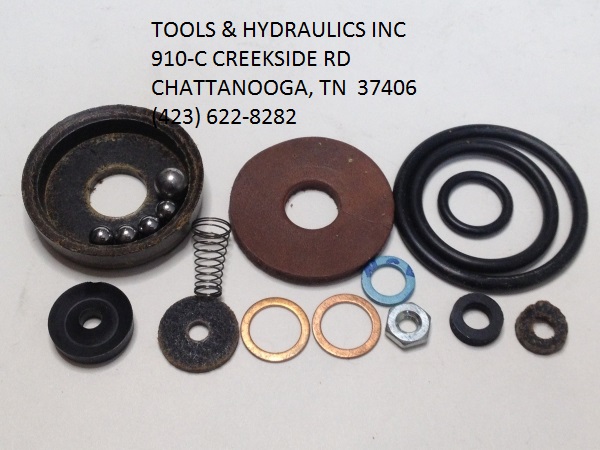
Credit: www.blackhawkparts.com
Tools And Materials Needed
Rebuilding your Blackhawk Floor Jack 67401 requires specific tools and materials. Having the right items ready makes the process smoother and safer. This section lists the essential tools and materials you need for the job.
Essential Tools For Rebuilding
Start with basic hand tools like wrenches and screwdrivers. A socket set helps remove bolts quickly. Needle-nose pliers are useful for small parts. A hammer may be needed to loosen stuck components. A clean cloth keeps parts free of dirt. A grease gun helps lubricate moving parts during reassembly.
Required Replacement Parts
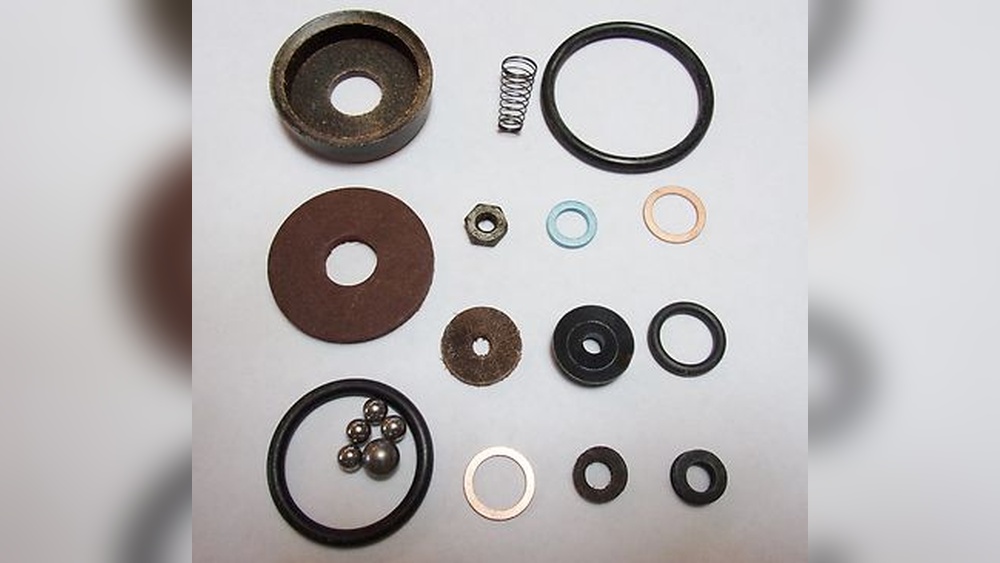
Replacing worn parts is key to restoring your jack. Common parts include seals, O-rings, and springs. Check the hydraulic fluid and replace if dirty. Order parts specific to the Blackhawk 67401 model. Using correct parts ensures proper function and safety.
Safety Gear To Use
Protect your hands with gloves during the rebuild. Safety glasses guard your eyes from debris. Work in a well-lit area to avoid mistakes. Keep a clean workspace to prevent accidents. Safety gear helps prevent injuries and keeps the task manageable.
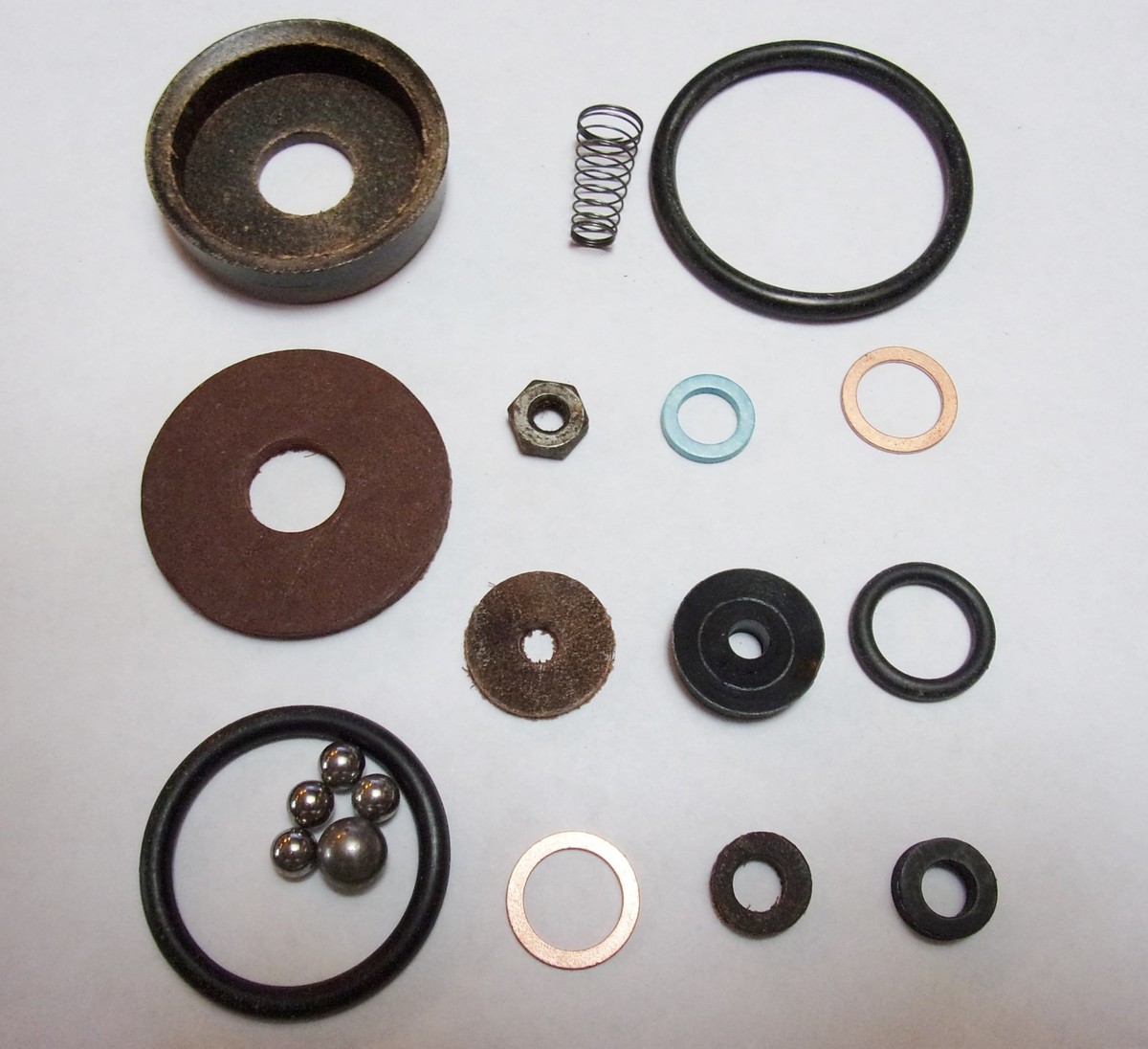
Credit: www.ebay.com
Safety Precautions
Always wear gloves and eye protection to avoid injuries. Make sure the jack is on a flat, stable surface before starting work. Check for leaks or damage to keep the repair safe.
Wear Protective Gear
Always wear gloves to protect your hands from sharp edges and dirt. Use safety goggles to shield your eyes from oil or debris. A long-sleeve shirt helps prevent skin contact with harmful fluids.
Work In A Well-ventilated Area
Choose a space with fresh air to avoid inhaling fumes. Proper ventilation reduces the risk of breathing in harmful chemicals. Open windows or use fans to keep air moving.
Keep The Jack Secure
Place the floor jack on a flat, stable surface before starting work. Use jack stands to hold heavy parts safely. Never rely on the jack alone to support weight during rebuilding.
Drain Fluids Safely
Drain all hydraulic fluid carefully to avoid spills. Use a container to catch old oil and clean up any leaks. Dispose of fluids according to local safety rules.
Disconnect Power Sources
Remove any batteries or power connections before repairs. This prevents accidental movements or electric shocks. Check that the jack is fully depressurized before starting.
Follow Manufacturer Instructions
Use the repair manual to guide your work step-by-step. Follow recommended safety tips from Blackhawk for model 67401. Avoid skipping steps or using incorrect tools.
Disassembling The Jack
Disassembling the Blackhawk Floor Jack 67401 is the first step in rebuilding it. Careful removal of parts helps avoid damage and makes reassembly easier. Follow each step slowly and keep parts organized for a smooth process.
Removing The Handle
Start by lowering the jack completely. Find the handle release pin near the base. Push the pin out gently using a punch or screwdriver. Pull the handle straight up and out. Set the handle aside safely.
Detaching The Pump Assembly
Locate the pump assembly connected to the handle and frame. Unscrew the retaining bolts with a wrench. Carefully pull the pump assembly away from the frame. Watch for any small springs or seals that may fall out. Keep these parts in a container.
Separating The Base And Frame
Turn the jack upside down to access the base. Remove the bolts that attach the base to the frame. Lift the base away slowly, checking for any stuck parts. Clean the connection points to prepare for rebuilding. Place the base and frame separately on a clean surface.
Cleaning And Inspecting Parts
Cleaning and inspecting parts is a key step in rebuilding the Blackhawk Floor Jack 67401. Dirt, rust, and old grease can cause the jack to fail. Careful cleaning helps the jack work smoothly. Checking parts for wear or damage prevents future problems. This step saves time and money in the long run. Follow these simple steps to keep your floor jack in top shape.
Cleaning Components
Start by removing all dirt and old grease from each part. Use a clean cloth to wipe surfaces. For stubborn grime, soak parts in warm soapy water. A brush can help reach small areas. Dry parts completely before moving to the next step. Avoid harsh chemicals that might damage the metal. Clean parts allow you to see any hidden damage clearly.
Checking For Wear And Damage
Look closely at each part for cracks, bends, or rust. Check seals and O-rings for cracks or hardening. Worn parts can cause leaks or reduce lifting power. Replace any damaged pieces with new ones. Pay special attention to the hydraulic cylinder and release valve. Inspect moving parts for smooth motion and tight fits. This careful check ensures your jack will work safely and well.
Replacing Seals And O-rings
Replacing seals and O-rings is a key step in rebuilding your Blackhawk Floor Jack 67401. These small parts keep the jack’s hydraulic system tight and working well. Old or worn seals cause leaks and reduce lifting power. New seals restore strength and safety.
Seals and O-rings wear out over time due to pressure and dirt. Changing them stops oil from leaking and keeps the jack lifting smoothly. This part of the rebuild is simple but important. It needs careful handling to avoid damage.
Gathering The Right Replacement Seals And O-rings
Use only seals and O-rings made for Blackhawk Floor Jack 67401. Check the model number to find exact matches. Avoid cheap or generic parts that may not fit well. Good seals last longer and protect your jack.
Removing Old Seals And O-rings Safely
Drain all hydraulic fluid before starting. Use a small flat tool to lift old seals carefully. Avoid scratching or bending metal parts. Keep track of all removed pieces to match new ones easily.
Installing New Seals And O-rings Correctly
Clean all surfaces before fitting new parts. Apply a thin layer of hydraulic oil on seals for easier fitting. Press seals evenly into place without forcing. Double-check that each seal sits flat and tight.
Testing For Leaks After Replacement
Refill hydraulic fluid to the correct level. Pump the jack slowly and watch for leaks around seals. If oil seeps out, recheck seal positions. Test the jack’s lifting ability before full use.
Reassembling The Jack
Reassembling the Blackhawk Floor Jack 67401 is an important step after cleaning and repairing. Careful assembly ensures the jack works safely and smoothly. Follow each step carefully. Use the right tools to avoid damage. Keep parts organized to speed up the process. This section explains how to put the jack back together.
Reinstalling The Pump Assembly
Start by placing the pump assembly into the frame. Align the pump with the mounting holes. Insert the bolts and tighten them firmly. Do not overtighten to avoid stripping the threads. Check that the pump moves smoothly. Test the piston to make sure it slides well. Add a small amount of hydraulic oil if needed.
Reattaching The Handle
Slide the handle into the handle socket on the jack. Make sure the handle fits snugly. Insert the handle pin or bolt through the holes. Secure the pin with a cotter pin or clip. Test the handle movement by pumping it a few times. The handle should move without sticking or wobbling.
Securing The Base And Frame
Place the base plate under the main frame. Align the base with the holes on the frame. Insert the screws or bolts and tighten them fully. Check that the base is stable and does not shift. Inspect all connections to confirm they are secure. This step ensures the jack stands firm during use.
Refilling Hydraulic Fluid
Refilling the hydraulic fluid in your Blackhawk Floor Jack 67401 is key to keeping it working well. The hydraulic fluid helps lift heavy loads smoothly. Low or dirty fluid can cause the jack to fail or work poorly. Follow the correct steps to refill the fluid safely and correctly.
Choosing The Right Fluid
Use only high-quality hydraulic jack oil. Avoid using motor oil or brake fluid. These fluids can damage the seals and parts inside the jack. Check the owner’s manual for the recommended fluid type. Clean hydraulic oil keeps the jack running smoothly and lasts longer. Make sure the fluid is free of dirt and water.
Filling Procedure
Start by lowering the jack completely. Find the fill plug on the jack’s body. Clean the area around the plug to stop dirt from entering. Remove the plug carefully. Slowly pour the hydraulic fluid into the opening. Fill until the fluid reaches the bottom of the fill hole. Replace the plug tightly to avoid leaks. Pump the jack handle several times to remove air. Check the fluid level again and add if needed. Wipe off any spilled fluid to keep the jack clean.

Credit: www.scribd.com
Bleeding Air From The System
Bleeding air from the system is a key step in rebuilding your Blackhawk Floor Jack 67401. Air inside the hydraulic system can cause the jack to perform poorly. It makes lifting heavy objects harder and less safe. Removing trapped air restores smooth and strong operation.
Air bubbles reduce hydraulic pressure. This leads to spongy or slow jack movement. Bleeding the air ensures the hydraulic fluid works correctly. This process improves the jack’s lifting power and control.
Preparing The Floor Jack For Bleeding
Place the floor jack on a flat surface. Make sure the jack is lowered completely. Check the oil level in the reservoir. Fill with the recommended hydraulic fluid if low. Keep the reservoir cap loose but not removed.
How To Bleed Air From The Hydraulic System
Pump the jack handle slowly several times. This action helps move air bubbles toward the reservoir. Keep the reservoir cap loose to let air escape. Repeat pumping until no air sounds appear. Tighten the reservoir cap securely once done.
Testing The Jack After Bleeding
Lift the jack handle and check for smooth movement. The jack should lift without sponginess or delays. If movement still feels weak, repeat the bleeding process. Test with a light load to confirm proper function. Proper bleeding ensures safe and reliable lifting every time.
Testing The Floor Jack
Testing the Blackhawk Floor Jack 67401 is a key step after rebuilding it. It ensures the jack works safely and properly. Testing helps find any issues before real use. Careful checks protect you and your vehicle. Follow the steps below to test your floor jack correctly.
Load Testing
Start load testing by placing the jack on a flat surface. Use a weight close to the jack’s rated capacity. Pump the handle slowly to lift the load. Watch the jack’s movement carefully. It should lift smoothly without jerks or noises. Hold the load at height for a few minutes. Check if the jack holds the load steady without sinking. Lower the load slowly to avoid sudden drops. Stop immediately if the jack shows any weakness or leaks.
Checking For Leaks
Inspect the jack for oil leaks after load testing. Look around the hydraulic cylinder and seals. Oil spots or wet areas mean a leak is present. Leaks cause poor performance and can be dangerous. Clean the jack and check again during pumping. Small leaks may worsen over time. Replace damaged seals or parts to fix leaks. Keep the jack clean and dry for best results.
Maintenance Tips
Rebuilding a Blackhawk Floor Jack 67401 requires cleaning and checking all parts carefully. Replace worn seals and add fresh hydraulic fluid for smooth operation. Tighten bolts and test the jack before use to ensure safety.
Clean The Jack Regularly
Dirt and grime can cause the jack to work poorly. Wipe the jack with a clean cloth after each use. Pay attention to the moving parts and hydraulic areas. Keeping it clean helps prevent damage and rust.
Check Hydraulic Fluid Levels
Hydraulic fluid keeps the jack lifting smoothly. Check the fluid level often. Add fluid if it is low, using the type recommended by the manufacturer. This keeps the jack working safely and efficiently.
Inspect For Leaks And Damage
Look over the jack for oil leaks or broken parts. Leaks can make the jack lose pressure. Broken parts can cause accidents. Fix or replace damaged parts before using the jack again.
Lubricate Moving Parts
Use oil or grease on all moving parts. This reduces friction and wear. Focus on the handle, wheels, and lift arm. Proper lubrication extends the life of your floor jack.
Store Properly When Not In Use
Keep the jack in a dry place. Avoid exposure to moisture and dirt. Store it with the lift arm lowered. Proper storage prevents rust and maintains its condition.
Frequently Asked Questions
How Do I Start Rebuilding A Blackhawk Floor Jack 67401?
Begin by cleaning the jack thoroughly. Drain old hydraulic fluid. Remove the release valve and inspect all parts carefully before replacing or repairing.
What Tools Are Needed To Rebuild Blackhawk Floor Jack 67401?
Common tools include wrenches, screwdrivers, pliers, and a hydraulic jack rebuild kit. Having a clean workspace is also essential.
How Often Should I Rebuild My Blackhawk Floor Jack?
Rebuild your jack every 2-3 years or when it shows signs of leaking, poor lifting, or slow lowering to maintain safety.
Can I Replace The Hydraulic Fluid Myself?
Yes, you can. Drain the old fluid, refill with the recommended hydraulic oil, and bleed the system to remove air bubbles.
Conclusion
Rebuilding your Blackhawk Floor Jack 67401 is easier than you think. Follow each step carefully and take your time. Use the right tools and clean parts well. This keeps your jack working safely and smoothly. Regular care helps it last longer and lift better.
Stay patient and check your work often. Soon, your floor jack will be ready for use again. A little effort brings big results. Keep your tools in good shape and avoid future problems. Simple maintenance makes a big difference every time.