Are you struggling with a stubborn wall claw anchor that just won’t come out? Removing these anchors can be tricky, especially if you want to avoid damaging your walls.
But don’t worry—this guide will walk you through simple, effective steps to get that anchor out cleanly and quickly. By the end, you’ll feel confident handling any wall claw anchor removal without stress or hassle. Keep reading to discover the easiest way to fix your walls and make them look like new again.
Tools Needed
Removing a wall claw anchor needs the right tools. Using proper tools makes the job easier and safer. You can avoid damage to your wall by preparing well.
Here are the tools required for this task. Each tool plays an important role in removing the anchor smoothly.
Flathead Screwdriver
This tool helps to pry the anchor gently from the wall. It fits under the edges of the anchor. You can use it to loosen the anchor without breaking the wall surface.
Pliers
Pliers grip the anchor firmly. They help pull the anchor out after loosening it. Needle-nose pliers work best for small or tight spaces.
Drill With A Drill Bit
A drill can remove stubborn anchors. Use a drill bit slightly smaller than the anchor size. It helps to drill into the anchor carefully and break its hold.
Putty Knife
This tool smooths the wall after anchor removal. It can also help pry out the anchor if the screwdriver is not enough. Use it to fill small holes later.
Utility Knife
The utility knife cuts around the anchor’s edges. It helps separate the anchor from the wall paint or drywall. Use it gently to avoid wall damage.
Prepare The Area
Preparing the area before removing a wall claw anchor makes the task easier. It helps avoid damage and keeps the space safe. Take time to set up the workspace carefully.
Clear the area around the anchor. Remove furniture or objects that might get in the way. This creates enough room to work comfortably and safely.
Gather Protective Gear
Wear safety glasses to protect your eyes from dust and debris. Gloves can protect your hands from sharp edges. Use a dust mask if the wall material is dusty.
Lay Down A Drop Cloth
Place a drop cloth or old sheet under the anchor spot. It catches falling debris and keeps the floor clean. A cloth also makes cleanup faster after the job.
Turn Off Power Nearby
Switch off power to outlets or switches near the anchor. This prevents electric shocks if tools touch wires behind the wall. Safety first.
Gather Necessary Tools
Have a screwdriver, pliers, and a putty knife ready. These tools help remove the anchor smoothly. Keep them within reach before starting.
Loosen The Anchor
Removing a wall claw anchor starts with loosening it carefully. This step helps avoid damaging your wall. It also makes pulling the anchor out easier. Use simple tools and gentle actions to loosen the anchor.
Use Pliers
Grip the anchor’s head firmly with pliers. Twist it slowly to break its hold in the wall. Avoid pulling hard to stop wall damage. If the anchor spins, keep turning until it feels loose.
Tap With A Hammer
Lightly tap the anchor with a hammer. This helps loosen the anchor’s grip inside the wall. Use gentle taps to prevent cracking the wall. Tap around the anchor if needed to loosen it evenly.
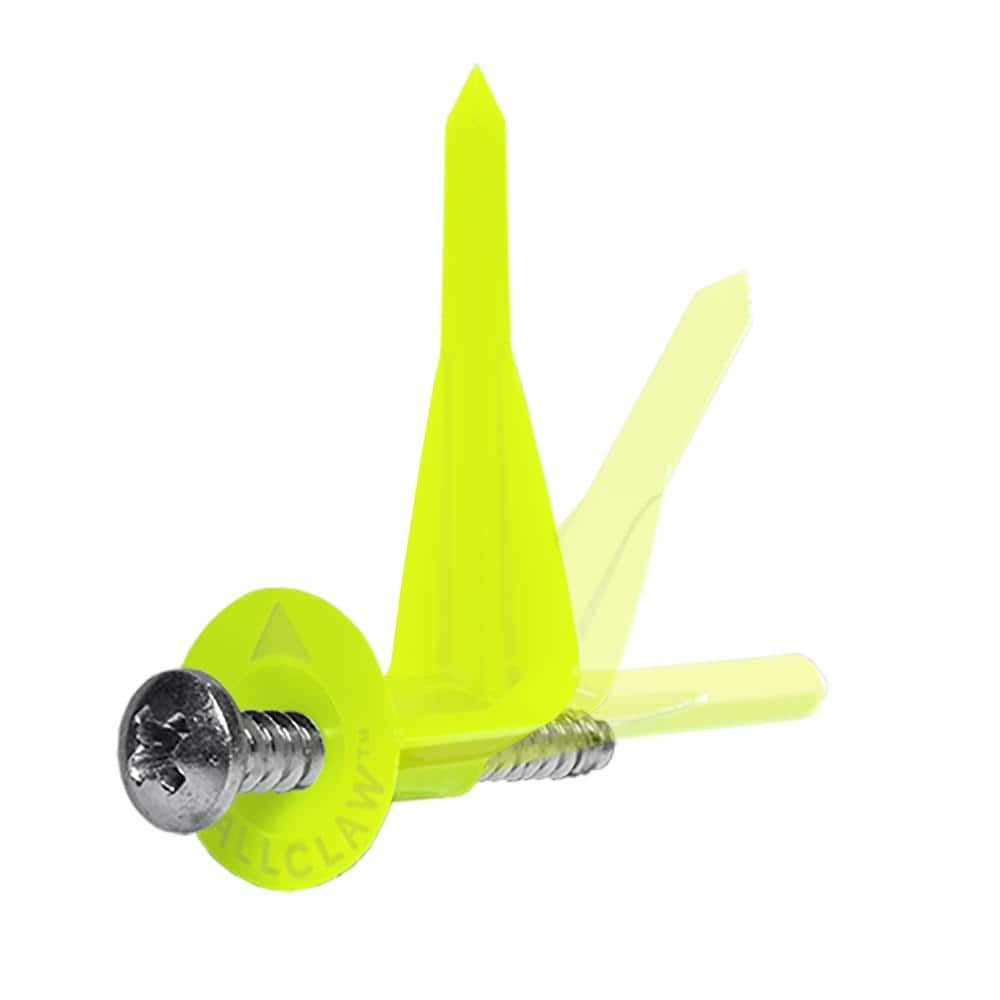
Credit: www.homedepot.com
Remove The Anchor
Removing a wall claw anchor can be tricky but is doable with care. This step focuses on pulling out the anchor safely without damaging your wall. Take your time and follow the simple methods below for a clean removal.
Pull Out Gently
Grab the anchor firmly with pliers or your fingers. Pull it straight out without twisting. A steady, gentle pull helps avoid wall damage. If the anchor resists, do not force it hard. Stop and try the next method.
Twist And Extract
Hold the anchor with pliers and twist it slowly. Twisting loosens the anchor’s grip inside the wall. Keep twisting and pull gently at the same time. The anchor should slide out with less effort. Be patient and careful during this process.
Handle Stubborn Anchors
Stubborn wall claw anchors can be tough to remove. Sometimes, they won’t come out by just pulling. You need to try other methods that work better for stuck anchors. These techniques help you avoid damaging your wall while getting the anchor out.
Cutting The Anchor
Cutting the anchor is a quick way to remove it. Use a sharp utility knife or wire cutters. Cut the visible part of the anchor flush with the wall surface. This stops the anchor from sticking out and causing trouble.
After cutting, push the remaining anchor deep into the wall cavity. You can use a screwdriver or a similar tool. This hides the anchor inside the wall, making it easier to patch up later.
Drilling Out
Drilling out the anchor works well for metal or plastic anchors. Use a drill bit slightly smaller than the anchor’s diameter. Drill slowly into the center of the anchor.
The drill will break the anchor apart inside the wall. Once loose, gently pull out the pieces with pliers. Be careful not to widen the hole too much. This method clears the anchor without causing extra wall damage.
Repair Wall Damage
After removing a wall claw anchor, the wall often shows holes and damage. Repairing these areas helps restore the wall’s look. A smooth, clean surface is ready for painting or decoration. Follow simple steps to fix the damage quickly and easily.
Fill Holes
Start by filling the holes left by the anchor. Use a putty knife to apply spackling or wall filler. Press the filler firmly into the hole until it is full. Let the filler dry completely before moving on. Drying time depends on the product used but usually takes a few hours.
Smooth Surface
Once dry, smooth the filled area with fine sandpaper. Sand gently to blend the patch with the wall. Remove any dust with a dry cloth. A smooth surface helps paint stick well and hides the repair. Check the area with your hand to feel for bumps or rough spots.
Repaint Area
Finally, repaint the repaired section to match the wall color. Use a small brush or roller for even coverage. Apply one or two coats for best results. Let each coat dry before applying the next. Painting completes the repair and makes the wall look new again.
Prevent Future Damage
Preventing damage to your walls is important after removing a wall claw anchor. Small holes and cracks can get worse if you are not careful. Fixing the wall properly helps keep it strong and looking good. Follow simple steps to avoid future problems.
Choose Right Anchors
Select anchors that match your wall type and weight needs. Drywall anchors work well for light items. Use heavy-duty anchors for heavier objects. Plastic anchors suit light loads, while metal anchors hold more weight. Using the right anchor stops the wall from cracking or crumbling.
Proper Installation Tips
Drill a hole that fits the anchor size exactly. Avoid making the hole too big or too small. Push the anchor in gently without forcing it. Tighten screws slowly to prevent wall damage. Check if the anchor holds tight before hanging anything. Careful installation keeps your walls safe and strong.

Credit: www.mcfeelys.com

Credit: www.youtube.com
Frequently Asked Questions
What Tools Are Needed To Remove Wall Claw Anchors?
You need pliers, a screwdriver, and sometimes a hammer. These tools help grip and gently pry the anchor from the wall without causing damage.
Can Wall Claw Anchors Be Removed Without Wall Damage?
Yes, careful removal with the right tools minimizes damage. Slowly pull or pry the anchor to avoid enlarging the hole or cracking the wall.
How Do You Safely Remove A Stuck Wall Claw Anchor?
Grip the anchor firmly with pliers and twist gently. If stuck, use a screwdriver to pry or a hammer to tap it loose carefully.
Should I Patch The Hole After Removing Wall Claw Anchors?
Yes, patching ensures a smooth wall surface for repainting. Use spackle or wall filler and sand it down once dry for a clean finish.
Conclusion
Removing wall claw anchors does not have to be hard. Use the right tools and take your time. Gently pull or twist the anchor to avoid wall damage. If needed, patch the hole with filler and paint. This simple process keeps your walls smooth and ready.
Now, your space looks neat and clean again. Try these steps next time you remove anchors. Simple and safe. You can do it!