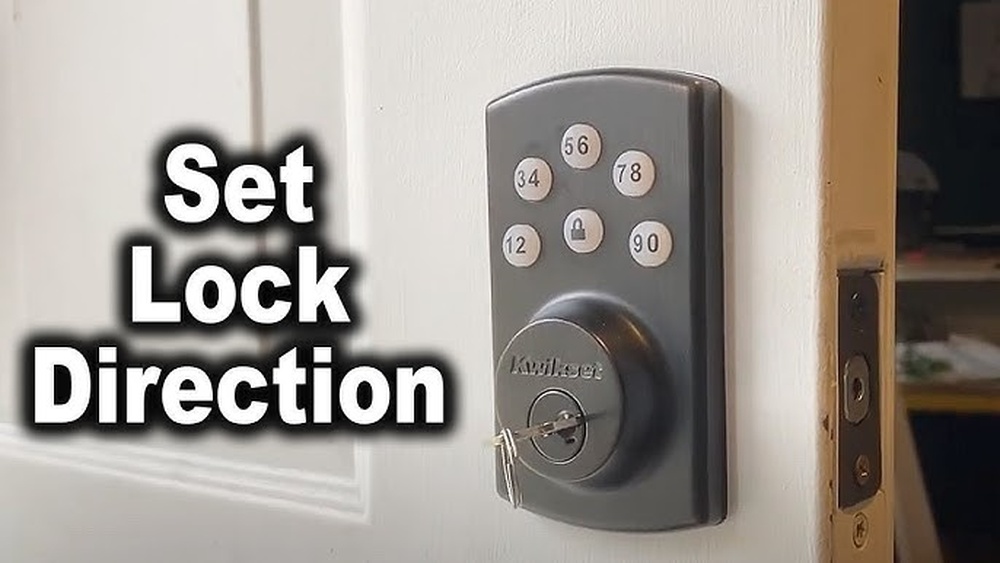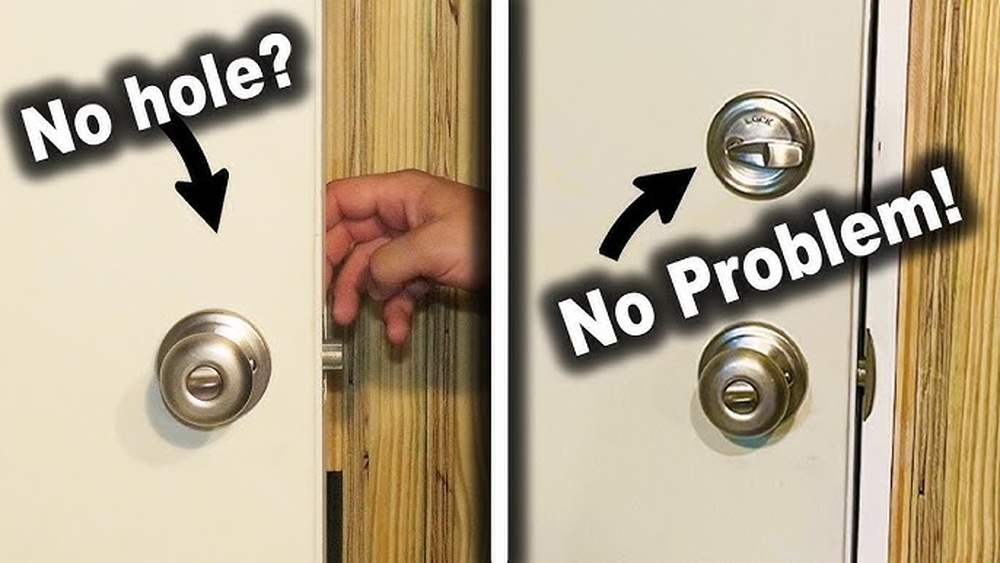
Have you ever tried to lock your door, only to find the deadbolt won’t budge? It’s frustrating, isn’t it?
A stuck or broken deadbolt can leave your home feeling unsafe and cause unnecessary stress. But don’t worry—fixing a deadbolt door lock is easier than you think. You’ll discover simple, step-by-step solutions to get your lock working smoothly again. Keep reading, and you’ll save time, avoid costly repairs, and regain peace of mind in no time.
Credit: www.reddit.com
Common Deadbolt Issues
Deadbolt locks are key for home security. Yet, they can face problems over time. Knowing common issues helps fix them fast. This saves money and keeps your home safe.
Lock Won’t Turn
A lock that won’t turn can stop you from entering. Dirt, rust, or worn parts often cause this. Sometimes, the key or lock cylinder is damaged. Lubricating the lock with graphite powder can help. If the problem stays, the lock may need replacing.
Key Stuck In Lock
Keys stuck in locks are frustrating. This happens when the key bends or the lock jams. Gently wiggle the key while pulling it out. Using a lubricant inside the lock may free the key. Avoid forcing the key to prevent breakage.
Deadbolt Misalignment
Misalignment happens when the deadbolt misses the strike plate. Doors can shift from humidity or loose hinges. This makes locking or unlocking hard. Adjusting the strike plate or door hinges often fixes this. Checking alignment regularly keeps the lock working smoothly.
Loose Or Wobbly Deadbolt
A loose deadbolt feels unstable and unsafe. Screws may have loosened over time. Tightening all screws on the lock and door frame helps. If parts are worn out, replacement is best. A firm deadbolt improves your door’s security.
Tools And Materials Needed
Fixing a deadbolt door lock requires the right tools and materials. Having everything ready saves time and effort. This guide lists the basic tools, lubricants, and possible replacement parts needed.
Basic Hand Tools
You need a screwdriver set with flathead and Phillips tips. A tape measure helps check lock dimensions. Pliers assist in gripping small parts. A flashlight improves visibility inside the lock area. A hammer may be useful for minor adjustments.
Lubricants And Cleaners
A dry graphite lubricant works best for locks. It stops rust and keeps moving parts smooth. Avoid oil-based lubricants; they attract dust. Use a small brush or compressed air to clean debris. Clean parts allow the lock to function properly.
Replacement Parts
Common parts to replace include the deadbolt cylinder, latch, and strike plate. Check if screws are worn or missing. Having extra screws of different sizes helps. A new key set might be needed if the lock is damaged.
Fixing A Stuck Deadbolt
A stuck deadbolt can cause frustration and stop your door from working properly. Fixing this problem often takes simple steps. With basic tools and a little time, you can solve the issue quickly. Follow these easy tips to get your deadbolt moving smoothly again.
Applying Lubricant
Start by adding lubricant to the keyhole and bolt. Use a graphite or silicone spray for best results. Avoid oil-based lubricants, which can attract dirt. Spray a small amount inside the lock. Insert the key and turn it several times. This helps spread the lubricant evenly. The deadbolt should move more easily after this.
Cleaning The Lock Mechanism
Dirt and dust often cause the deadbolt to stick. Clean the lock by removing visible debris. Use a soft brush or compressed air to clear out dust. Wipe the outside with a damp cloth. Keep the lock dry to avoid rust. Repeat this cleaning every few months for smooth operation.
Realigning The Deadbolt
Sometimes the deadbolt does not line up with the strike plate. Check if the bolt fits smoothly into the hole. Tighten loose screws on the lock and door frame. Adjust the strike plate by loosening screws and moving it slightly. Test the deadbolt after each change. Proper alignment makes locking easier and prevents sticking.

Credit: www.youtube.com
Removing A Stuck Key
A stuck key in a deadbolt lock can be frustrating. It stops you from locking or unlocking the door. Quick action can help remove the key without damage. This section explains easy ways to fix this problem safely.
Using Graphite Powder
Graphite powder is a dry lubricant. It reduces friction inside the lock cylinder. Apply a small amount of graphite powder into the keyhole. Insert the stuck key gently and try to move it slightly. The powder helps loosen the key and lock parts.
Gently Wiggle The Key
Do not force the key out. Turn the key slowly back and forth. Wiggle it gently up and down. This movement can free the key without breaking it. Avoid pulling hard to prevent damage to the lock or key.
When To Call A Locksmith
If the key remains stuck after trying, call a professional. Locksmiths have tools and skills to fix locks safely. They prevent further damage to your door and lock. Do not try to break or pry the key out yourself.
Tightening And Adjusting The Deadbolt
Tightening and adjusting a deadbolt helps keep your door secure and working smoothly. A loose or misaligned deadbolt can cause problems when locking or unlocking. Small fixes often make a big difference. Let’s explore how to tighten and adjust your deadbolt to improve its function and security.
Securing Loose Screws
Loose screws can cause the deadbolt to wobble or stick. Check all screws on the lock and door frame. Use a screwdriver to tighten any loose screws. Replace stripped screws with longer or thicker ones for better hold. Tight screws keep the deadbolt steady and reliable.
Adjusting Strike Plate Position
The strike plate is where the deadbolt fits into the door frame. If the deadbolt doesn’t fit well, it may need adjustment. Loosen the strike plate screws slightly. Move the plate up, down, or sideways for a better fit. Tighten the screws again once the deadbolt slides smoothly into place.
Checking Door Alignment
Doors can shift or sag over time, causing deadbolt issues. Close the door slowly and watch how the deadbolt meets the strike plate. Look for gaps or misalignment. Adjust hinges or add shims to realign the door. Proper alignment ensures the deadbolt locks securely every time.
Replacing A Faulty Deadbolt
Replacing a faulty deadbolt is a practical way to keep your home safe. A broken lock can cause frustration and reduce security. Fixing it yourself saves money and time. Follow clear steps to replace the deadbolt smoothly.
Choosing The Right Deadbolt
Pick a deadbolt that fits your door and needs. Check the size and type of your old lock. Decide between single-cylinder or double-cylinder options. Consider the lock’s security rating for better protection. Choose a model with easy installation features.
Removing The Old Lock
Start by unscrewing the lock from the door. Remove the interior and exterior parts carefully. Take out the latch from the edge of the door. Keep screws and small parts safe for reference. Clean the door surface before installing the new lock.
Installing The New Lock
Insert the new latch into the door edge. Attach the exterior part of the deadbolt first. Align the interior piece and secure it with screws. Test the lock by turning the key and knob. Adjust if necessary to ensure smooth operation.
Preventive Maintenance Tips
Preventive maintenance helps keep your deadbolt lock working smoothly. Simple steps stop problems before they start. Regular care extends your lock’s life and saves money.
Regular Lubrication
Apply a graphite-based lubricant to the keyhole and bolt. Avoid oil-based products that attract dust and dirt. Lubricate every six months to keep parts moving freely. This reduces sticking and jamming.
Inspecting For Wear
Check your lock for signs of damage or rust. Look at the key, cylinder, and bolt for wear. Replace parts that look worn or broken. Early fixes prevent lock failure and improve security.
Keeping The Door Frame Aligned
Make sure the door fits well in the frame. Misaligned doors cause the bolt to stick or miss the strike plate. Adjust hinges or strike plate if the door rubs or won’t close properly. Proper alignment keeps the lock working smoothly.
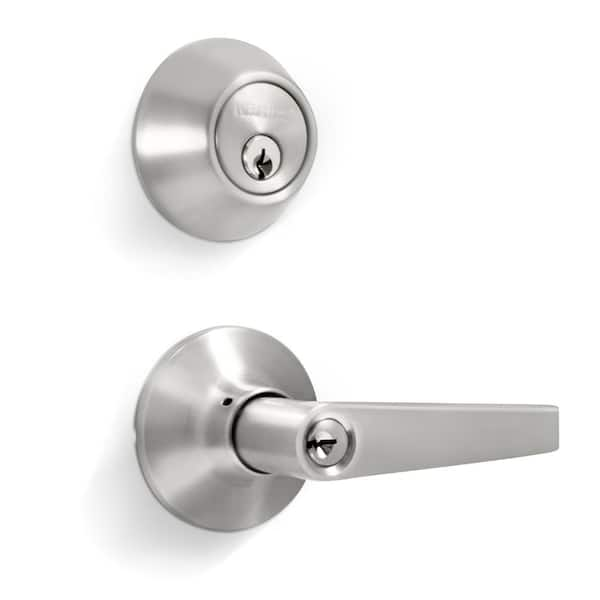
Credit: www.homedepot.com
Frequently Asked Questions
How Do I Know If My Deadbolt Lock Is Broken?
Check if the key or thumb turn won’t turn smoothly. Also, if the lock jams or sticks, it may be broken. Inspect for visible damage or rust. These signs indicate your deadbolt lock needs fixing or replacement.
What Tools Do I Need To Fix A Deadbolt Lock?
You typically need a screwdriver, lubricant, replacement parts, and sometimes pliers. A tape measure and drill might help for alignment issues. Having these tools ready will make fixing a deadbolt lock easier and faster.
How Can I Fix A Jammed Deadbolt Lock?
Apply lubricant like WD-40 into the keyhole and moving parts. Gently wiggle the key or thumb turn to free the lock. If it still jams, check for misalignment or damaged components and replace if needed.
Why Is My Deadbolt Key Hard To Turn?
The key may be dirty, worn, or the lock mechanism misaligned. Lubricate the lock and clean the key. If problems persist, inspect for internal damage or consider replacing the lock for smooth operation.
Conclusion
Fixing a deadbolt lock is easier than you might think. With basic tools and a little patience, you can restore security to your door quickly. Regular care helps prevent future problems. Remember to check the lock’s alignment and lubricate moving parts often.
Taking these simple steps saves time and money. Your home will feel safer and more secure. Keep this guide handy for any lock issues. Small efforts make a big difference in door safety.