Is your floor uneven or sagging? Knowing how to jack up a floor can save you time, money, and stress.
You don’t have to wait for a professional or worry about costly repairs. With the right tools and simple steps, you can lift your floor safely and effectively. Keep reading, and you’ll discover exactly how to do it yourself—giving your home a stronger, more level foundation.
Preparing The Work Area
Preparing the work area is a key step before jacking up a floor. It ensures safety and makes the process smoother. Taking time to prepare helps avoid accidents and damage. Clear space, gather tools, and check the floor carefully.
Clearing The Space
Remove furniture and items from the work zone. This creates room to move and work freely. Clear debris and obstacles that may cause tripping. A clean space helps focus on the task.
Gathering Necessary Tools
Collect all tools needed before starting. Common tools include a hydraulic jack, wooden blocks, a level, and safety gloves. Having tools ready saves time and reduces frustration. Check tools for damage or wear.
Inspecting The Floor Condition
Look closely at the floor for cracks or weak spots. Identify areas that need support or repair. Check for moisture or mold that could affect the work. Knowing floor condition helps plan the jacking process better.
Credit: mason-ind.com
Choosing The Right Jack
Choosing the right jack is key when you jack up a floor safely and effectively. The right tool makes the job easier and keeps you safe. Not every jack suits every floor or weight. Knowing what jack to pick prevents damage and injury.
Types Of Floor Jacks
Floor jacks come in several types. Hydraulic jacks use fluid pressure to lift heavy loads smoothly. Bottle jacks are compact and strong but need more space. Scissor jacks are small and simple but lift less weight. Choose the type based on your floor space and lifting needs.
Weight Capacity Considerations
Check the jack’s weight limit before buying. The jack must lift the entire load safely. A jack with a low weight capacity can fail and cause accidents. Always pick a jack that supports more weight than your floor or object requires.
Safety Features To Look For
Safety features protect you during the lift. Look for a jack with a wide base for stability. A safety valve stops overloading the jack. Non-slip handles improve control. These features reduce risks and help keep the floor and you safe.
Locating Support Points
Locating support points is essential before jacking up a floor. It ensures safety and prevents damage. You must find the right spots that carry the floor’s weight. These points usually lie on strong beams or joists under the floor.
Identifying Joists And Beams
Joists are the wooden or metal boards that run under the floor. They support the floorboards above. Beams are larger, stronger pieces that hold up the joists. Use a stud finder or tap the floor to hear solid spots. Solid sounds often mark joists or beams. You can also check your house’s blueprints if available.
Marking Jack Positions
After finding the joists or beams, mark where to place the jack. Place marks near the strongest parts of beams. Avoid edges or weak spots that can crack. Use a pencil or tape to mark clear spots. Correct jack placement helps lift the floor evenly and safely.
Checking For Obstructions
Look for pipes, wires, or ducts near your jack marks. These can get damaged during lifting. Clear the area or choose a different jack position. Also, check for loose debris or nails on the floor. A clean area reduces risks and makes work easier.
Setting Up The Jack
Setting up the jack properly is the first step to jacking up a floor safely. This process needs care and attention. A well-set jack helps avoid accidents and damage. Follow these simple steps to prepare your jack before lifting the floor.
Positioning The Jack Correctly
Place the jack under a strong part of the floor. Look for a beam or joist that can hold weight. Avoid weak spots or damaged wood. Align the jack so it pushes straight up. This prevents slipping and uneven lifting.
Using Support Blocks
Use wooden blocks to support the jack base. These blocks spread the weight evenly. Place blocks on a flat, solid surface. Avoid soft or uneven ground. Stack blocks tightly to prevent shifting during lifting.
Ensuring Stability
Check the jack and blocks before lifting. Make sure nothing wobbles or moves. Tighten any loose parts on the jack. Stand clear of the jack as you lift. Keep the area free of obstacles for safety.
Lifting The Floor
Lifting the floor is a key step in fixing uneven or sagging floors. It involves carefully raising the floor to its proper level. This process needs attention and steady work to avoid damage. Using a jack correctly helps lift the floor safely and effectively.
Operating The Jack Safely
Place the jack on a solid, level surface. Check the jack for any damage before use. Keep your hands clear of moving parts. Use gloves to protect your hands. Do not rush the process. Follow the manufacturer’s instructions closely. Make sure the jack is stable before applying pressure.
Raising The Floor Gradually
Lift the floor slowly in small steps. Stop often to check the progress. Avoid lifting too fast to prevent cracks. Use a level to track the floor height. Raise the floor evenly across the area. Small, steady movements reduce stress on the floor.
Monitoring Floor Movement
Watch the floor closely during lifting. Look for any cracks or shifts in the structure. Use a level or straight edge to check alignment. If the floor moves unevenly, pause and adjust. Take notes of any changes to ensure safety. Keep the area clear of people and pets.
Installing Permanent Supports
Installing permanent supports is a key step in jacking up a floor safely. These supports hold the floor in place after lifting. They stop the floor from sinking back down. Proper support ensures long-lasting stability for your home.
Selecting Support Materials
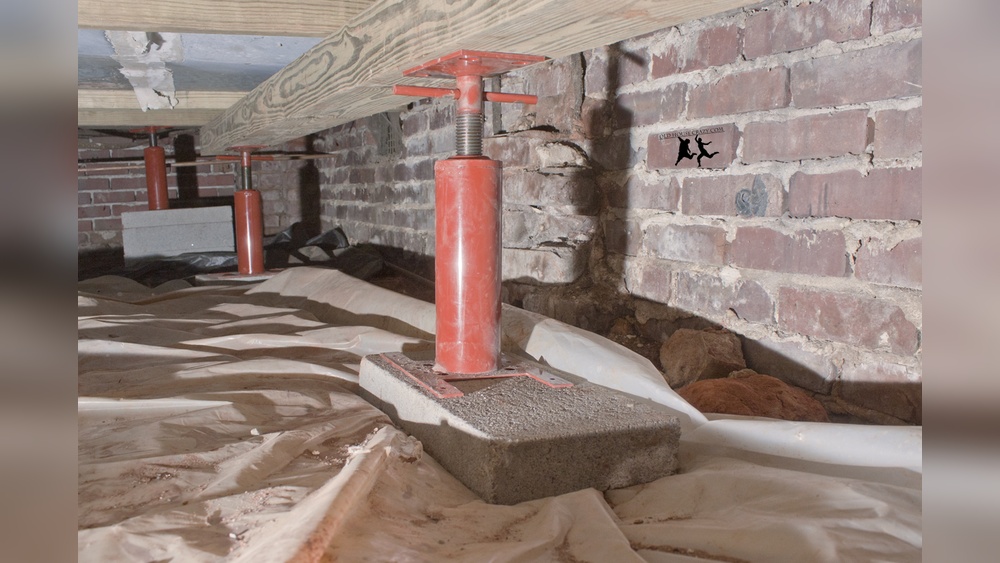
Choose strong, durable materials for your support posts. Common options include steel jack posts and solid wood beams. Steel posts offer excellent strength and adjustability. Wood beams must be dry and free of cracks. Avoid soft or damaged wood to prevent failure.
Placing Support Posts
Place support posts directly under the lifted areas. The posts should rest on a solid base like concrete or a sturdy wooden plate. Position posts close enough to share the load evenly. Avoid gaps between the post and the floor joist. This prevents movement and maintains stability.
Securing And Adjusting Supports
Secure posts tightly to the floor joists with nails or screws. Check that posts stand straight and firm. Use the adjustable feature on steel posts to fine-tune the height. Adjust slowly until the floor reaches the desired level. Double-check all supports before removing the jack.
Final Safety Checks
Final safety checks are vital after jacking up a floor. They ensure the structure is secure and prevent accidents. Taking time for these checks protects you and your property.
Verifying Stability
Check the jack and supports carefully. Make sure the floor does not move or wobble. Test the area by applying light pressure. If it feels solid, the job is stable. Avoid any sudden shifts or noises.
Removing The Jack Safely
Lower the jack slowly and evenly. Never rush this step. Watch the floor’s response as you release pressure. Stop immediately if you see any cracks or movement. Always keep hands and feet clear of the jack.
Cleaning The Work Area
Clear away tools and debris carefully. Remove any nails or sharp objects from the floor. Sweep the area to prevent slips or trips. A tidy space helps avoid accidents later. Dispose of waste properly to keep the site safe.

Credit: www.youtube.com
Credit: www.mason-uk.co.uk
Frequently Asked Questions
How Do You Safely Jack Up A Floor?
Use a floor jack or bottle jack on a sturdy beam. Place wooden blocks under the jack for support. Lift slowly and evenly to avoid damage. Always wear safety gear and ensure the area is clear before starting.
What Tools Are Needed To Jack Up A Floor?
You need a hydraulic floor jack or bottle jack, wooden blocks, a pry bar, and safety gloves. A level and measuring tape help check for even lifting. Proper tools ensure safety and effectiveness during the process.
When Should You Consider Jacking Up A Floor?
Jack up a floor if it’s sagging, uneven, or damaged by moisture. Early lifting prevents further structural issues and costly repairs. Check for visible dips or creaks to decide if jacking is necessary.
Can I Jack Up A Floor Without Professional Help?
Yes, if you have the right tools and knowledge, you can jack up a floor. Follow safety guidelines strictly and lift gradually. However, for major damage or complex structures, consult a professional.
Conclusion
Jacking up a floor can fix many common problems. Take safety steps before starting any work. Use the right tools and follow the process carefully. Check for damage and support the floor well. Small repairs today prevent bigger issues tomorrow.
Stay patient and work slowly for the best results. Now you have the basic knowledge to start. Your floor will be stronger and safer soon. Keep learning and improving your skills each time. Simple steps make a big difference in home care.

